
Last updated November 16, 2026
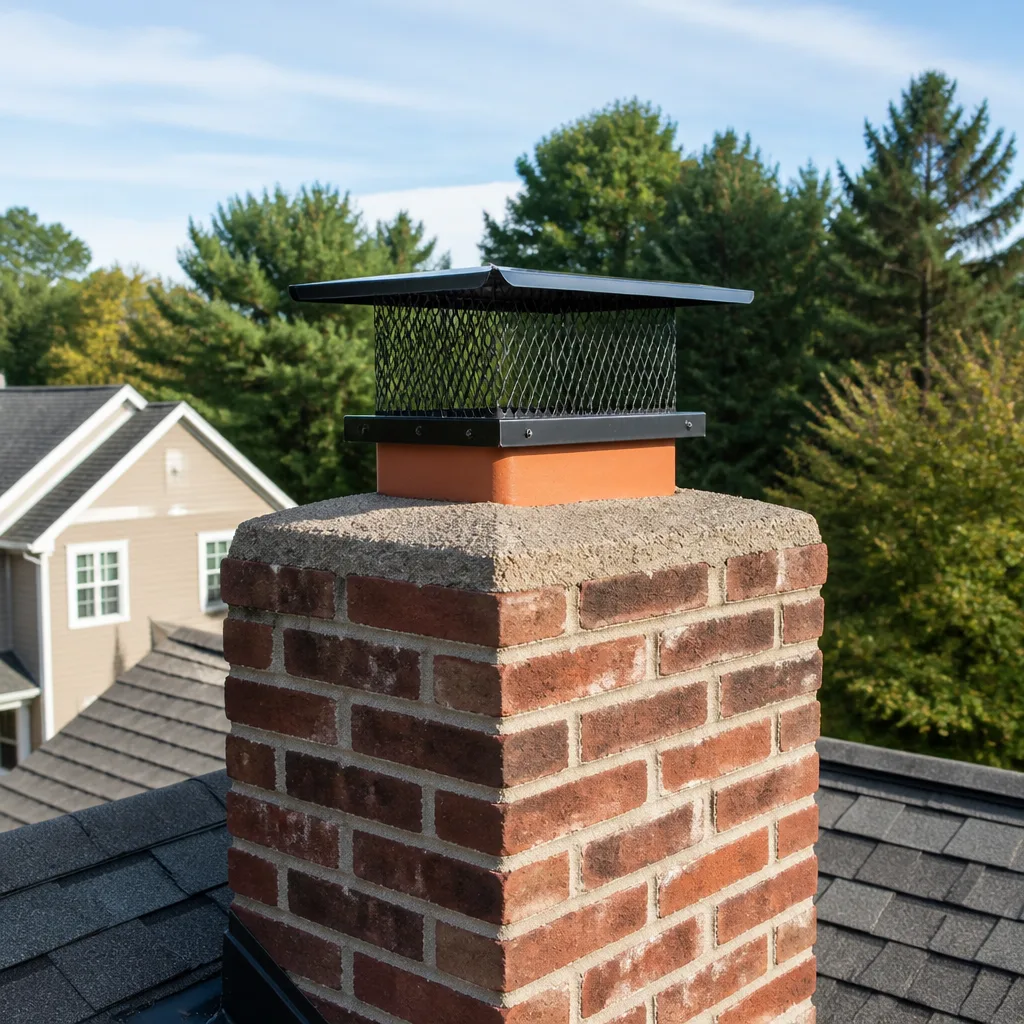 Sweep & inspection
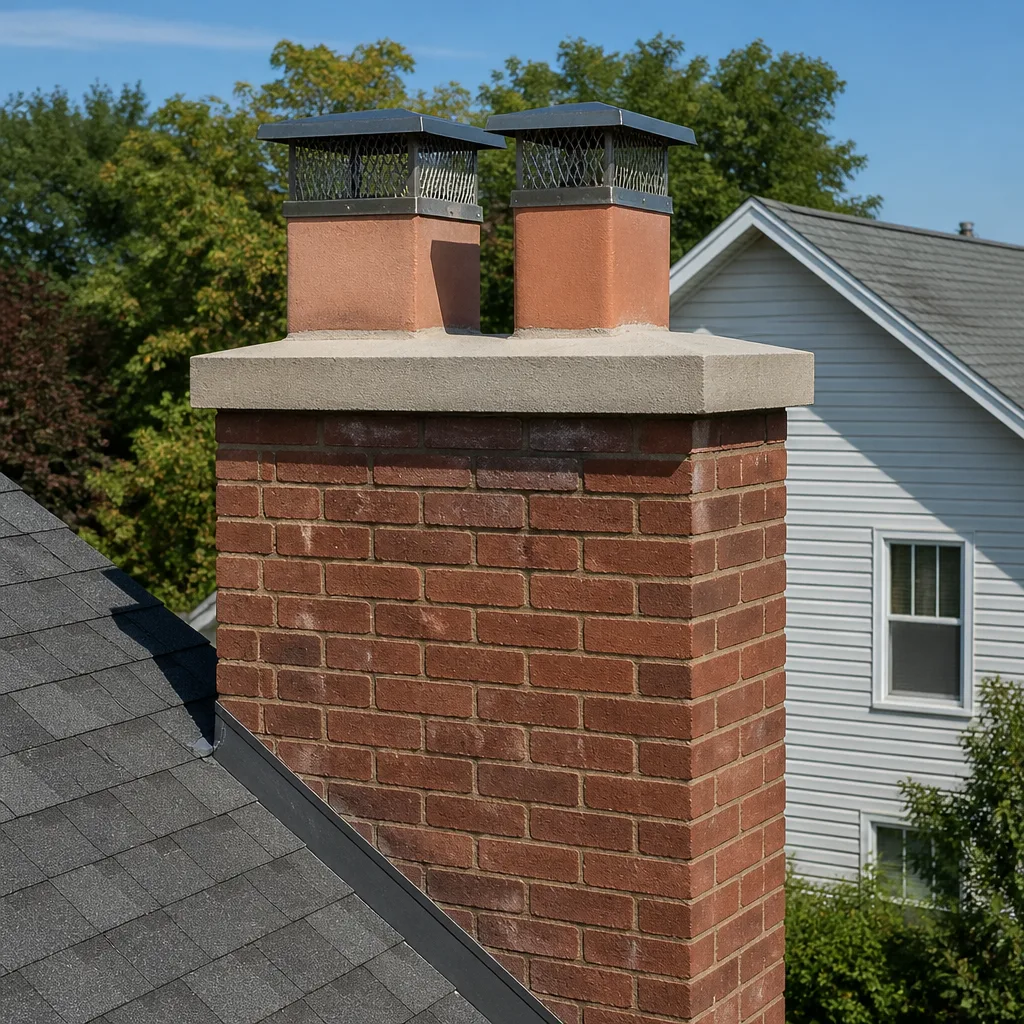 Caps & crowns
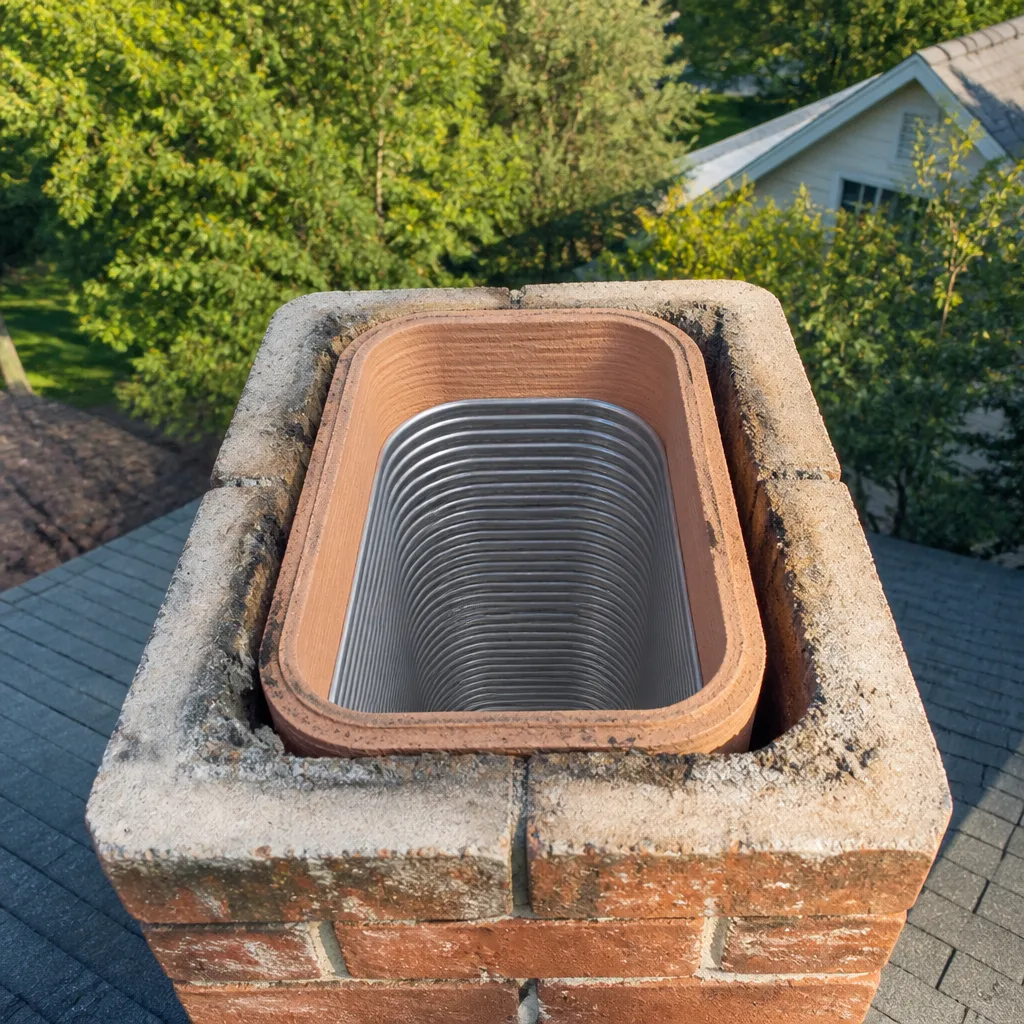 Flue relining
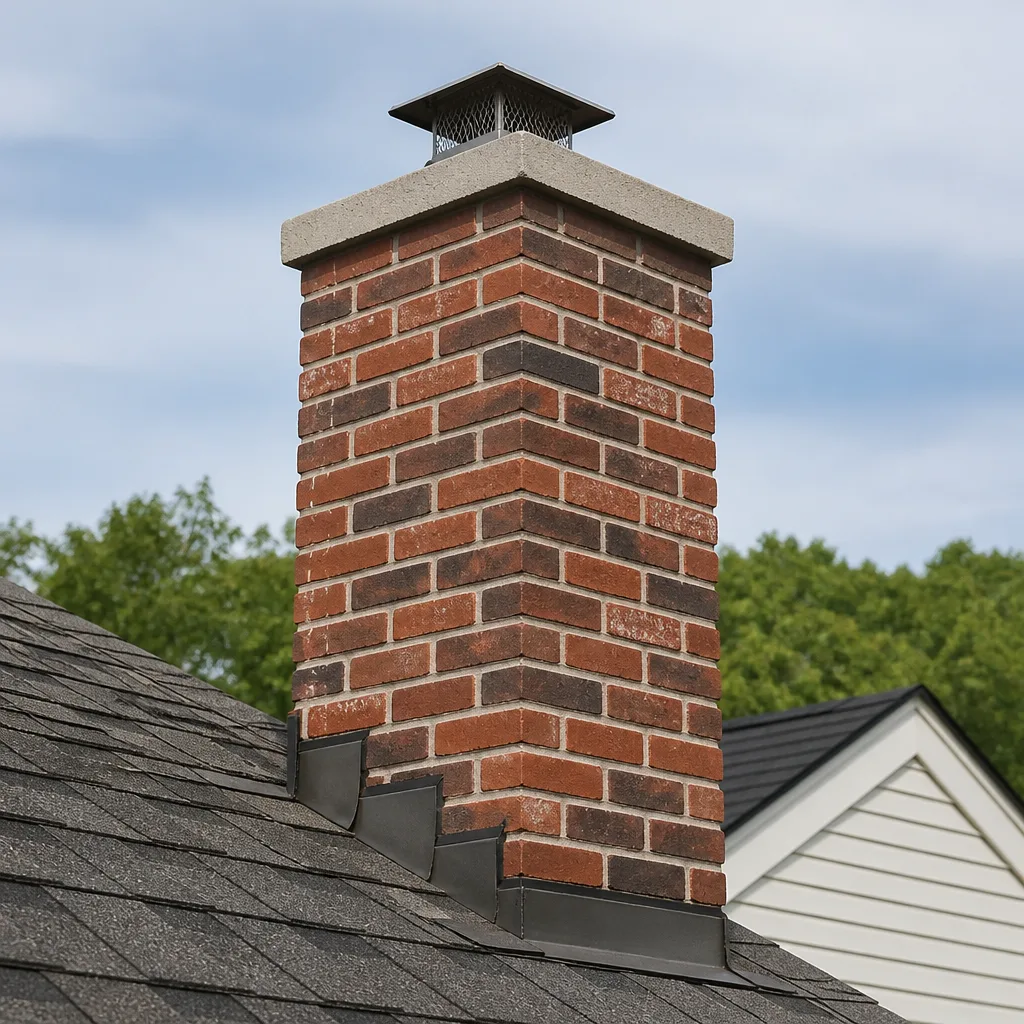 Masonry repair
 Gas fireplace service
Level 1 sweep and inspection to the NFPA 211 annual standard - flue, crown, cap, and flashing checked and photographed
Chimney sweep logs do not sweep chimneys. They loosen some creosote - which then falls where a brush and vacuum still have to collect it.
Chimney Sweep Maintenance Schedule: What to Do and When
Most homeowners assume a chimney only needs attention once a year, right before the first fire of the season. That’s the schedule almost everyone follows, and it’s the one that lets problems hide for months. The timing of a sweep and inspection changes what it can actually catch. A spring appointment finds creosote glaze, cracked flue tiles, and water intrusion while there’s still time to fix them before fall. A Fort Collins homeowner who waits until October is often scheduling a repair and a cleaning in the same week, with the first cold snap already on the radar. This guide lays out a real maintenance calendar for wood-burning, gas, and pellet systems, explains why post-season and pre-season inspections are not interchangeable, and shows what you can safely check yourself versus what needs a certified sweep.
Quick Answer
A wood-burning chimney should be swept and inspected once a year, ideally in spring after the burning season, plus a lighter pre-season check in early fall. Gas and pellet systems need an annual inspection but often need sweeping less often, depending on usage. The right schedule depends on fuel type, how much you burn, and what your liner is made of. If you burn more than a cord of wood a year or notice heavy creosote, plan on more frequent service. For most homes in and around Fort Collins, that means booking the main sweep in spring and confirming readiness before the early cold snaps that arrive in September.
Styles & brands we work with
- Sweep & inspection
- Caps & crowns
- Flue relining
- Masonry repair
- Gas fireplace service
Table of Contents
- Why the Timing of a Sweep Matters More Than the Frequency
- The Wood-Burning Chimney Calendar
- Gas and Pellet Stove Maintenance Calendars
- Spring Inspection vs. Fall Inspection: They Catch Different Things
- What You Can Check Monthly vs. What Needs a Sweep
- How Fort Collins’ Seasons Shape the Schedule
- Liner-Specific Maintenance: Clay Tile, Stainless, and Cast-in-Place
- Common Mistakes to Avoid
- When to Call a Professional
Why the Timing of a Sweep Matters More Than the Frequency
If a chimney is swept every year, doesn’t that make the month irrelevant? Not quite. What a sweep and inspection reveal depends heavily on what just happened inside the flue. During the burning season, deposits are forming, masonry is cycling through heating and cooling, and the whole system is under load. A spring inspection catches the system in its worked state, right after months of actual use. A fall inspection catches the system as it sits before any fires are lit, when the goal is confirming readiness rather than diagnosing wear.
That distinction matters because the two visits answer different questions. The post-season visit asks: what did this winter do to my chimney? The pre-season visit asks: is it safe to light a fire next week? Skipping the spring visit means the fall technician is diagnosing months-old damage with no baseline. Skipping fall means you could relight a fire on a system that changed over the summer, especially after monsoon moisture and wind-driven debris.
There’s a practical reason too. In Fort Collins, as in most chimney markets, autumn is the busiest time of year. When every homeowner calls in October, scheduling opens up, and small problems that could have been handled calmly in May turn into rushed pre-holiday repairs. A spring sweep gives you time to weigh a liner replacement or a firebox resurfacing job without the pressure of a cold snap already hitting the foothills.
We specify materials by name because what goes inside your chimney matters as much as the labor. When a spring inspection turns up a failing liner or worn firebox, we’re recommending HeatShield for firebox resurfacing or a DuraFlex stainless system for relining, not a generic patch. Getting the diagnosis early is what makes the better material choice possible. Timing and material decisions are tied together, and that’s the reason a spring sweep is worth protecting on your calendar.
The Wood-Burning Chimney Calendar
Wood-burning is the most variable fuel type. How often you need a sweep depends on how much you burn, how dry the wood is, and how the chimney drafts. A homeowner who lights a fire a few times a month has a different schedule from one who heats with wood through the winter. Here’s a working calendar that fits most wood-burning homes in Fort Collins and the surrounding foothills.
Spring (April – May): full sweep and inspection. This is the anchor appointment of the year. Everything downstream depends on it.
- Schedule the sweep within a few weeks of your last fire of the season. Fresh deposits are easier to remove than ones baked on over summer.
- Get a camera inspection of the flue from the firebox to the cap. Look for cracked tiles, gaps at the flue collar, and any sign of a creosote glaze that a brush alone won’t remove.
- Check the firebox and smoke shelf for spalling mortar, cracked refractory brick, or gaps where combustion gases could slip past. Firebox damage is one of the most common findings after a heavy season, and resurfacing with HeatShield restores the chamber instead of just patching a visible crack.
- Evaluate the cap and crown. A crown that’s cracked is a slow water leak into the masonry, and that damage compounds every freeze-thaw cycle.
Mid-summer (July – August): repair window. Any work identified in spring gets done now, not in October. Liner installation, crown repair, and firebox restoration all have time to cure and settle before the season.
Early fall (September): readiness check. A lighter inspection confirming the cap is secure, the damper operates, the liner looks sound, and no birds or debris have moved in over the summer.
During the season: sweep again mid-winter if you burn heavily (more than a face cord) or notice a build-up on the flue walls. If you’re not sure whether you qualify for mid-season attention, ask before lighting the next fire.
If it’s been more than a year since your last service, don’t wait for spring. A chimney sweep now gives you a baseline before the next schedule rolls around, and any inspection coming out of that sweep tells you what the coming year needs.
Gas and Pellet Stove Maintenance Calendars
Gas and pellet systems get swept far less often, but they get inspected just as much. That’s the part most homeowners miss. A gas fireplace produces very little creosote, so the flue stays cleaner than a wood-burning one. But gas appliances rely on a sealed vent system, proper draft, and clean burner ports. A pellet stove adds a mechanical feed system and a combustion blower. Both benefit from a schedule that separates cleaning from inspection.
Gas fireplace or insert schedule:
- Yearly inspection in fall, before the heating season. This covers the vent, the termination cap, the burner, and the pilot assembly.
- Sweep only when inspection shows it’s needed. Many gas systems don’t need a mechanical sweep every year.
- Every 2 – 3 years, a deeper vent cleaning to clear any dust and debris build-up, especially in homes where the fireplace runs long stretches during winter.
- Monthly during the season: a visual check of the flame color. A steady blue flame is normal; a mostly yellow or lifting flame can signal a venting or combustion issue and is a reason to call.
Pellet stove schedule:
- Weekly during heavy use: empty the ash pan, scrape the burn pot, and clear the heat exchanger.
- Monthly: clean the glass, check the door gasket, and inspect the vent for ash build-up at the termination.
- Annually (spring): a full professional service, including the flue, the blower, and the venting system. Pellet ash is fine and corrosive to metal if it sits through the off-season, so spring is the right time to clear it.
One detail that surprises pellet and gas owners in Fort Collins: the vent termination matters as much as the flue itself. Our foothill winds push debris into horizontal terminations, and a blocked pellet vent can cause combustion gases to back up into the room. Add a quick visual check of the termination to your monthly list. If you’re unsure whether your gas or pellet system qualifies for a sweep this year, chimney repair inspection is a standalone service we offer, so you can get an answer without committing to work you may not need.
Spring Inspection vs. Fall Inspection: They Catch Different Things
If you’re only going to schedule one visit a year, many homes can survive with a single well-timed spring inspection and a personal pre-season check in fall. But understanding what each one catches is the difference between a maintenance schedule and a guessing game.
What a spring (post-season) inspection catches:
- Creosote and soot build-up in its rested state. This is when deposits are most measurable and easiest to classify by stage.
- Heat damage from the just-completed season. Warped dampers, hairline cracks in the firebox, discoloration on the flue collar – none of these appear before the season has actually been run.
- Water intrusion from freeze-thaw. Fort Collins winters swing hard between warm afternoons and cold nights, and masonry damage from that cycling shows up in spring, not fall.
- A full picture of what the last twelve months did to the system, with time to plan repairs before the next season.
What a fall (pre-season) inspection catches:
- Summer intrusion. Nests, leaves, debris, and pests that moved into the flue while the chimney sat idle.
- Cap and crown damage from wind and monsoon moisture that you couldn’t see in spring.
- Uncorrected repairs from the spring visit, so nothing slips through.
- Readiness confirmation: damper operates, flue is clear, and the system is safe to light.
In our experience, the homes that get both visits have fewer surprises and fewer rushed repairs. The homes that only get fall visits catch the same problems later and fix them under pressure. If you can only budget for one, spring is the stronger choice, provided you do a personal check in September before lighting up. The one thing you never want is a full year without any professional eyes on the flue.
What You Can Check Monthly vs. What Needs a Sweep
A maintenance schedule works better when you know which items are yours and which belong to a professional. Here’s a clean split.
Safe for homeowners to check monthly:
- Cap and screen. From the ground with binoculars, or from a safe vantage point if you can do so without climbing. Confirm the cap is intact, the screen isn’t torn, and nothing is nesting in it.
- Damper operation. Open and close it fully. It should move smoothly, seal when closed, and stay open on its own.
- Smoke shelf visual. With a flashlight and the damper open, look up into the smoke chamber. You’re checking for visible soot buildup, animal debris, or anything hanging that shouldn’t be.
- Firebox visual. Look for new cracks, crumbling mortar, or rusted metal in the firebox and grate area.
- Flue soundness check from inside. Tap the flue tile inside the firebox lightly; a hollow or crumbling sound can be an early sign of a problem.
- Pellet and gas termination check for anything blocking the outdoor vent.
Requires a professional sweep or inspection:
- Removing creosote from the flue, especially glaze-stage creosote, which is difficult and dangerous to handle without proper equipment.
- Camera inspection of the flue from firebox to cap to check tile integrity and liner condition.
- Any repair to the liner, firebox, crown, or cap.
- Diagnosing draft problems, back-puffing, or smoky fires.
- Any masonry evaluation, since a failing mortar joint inside the chimney can be invisible from the outside.
The reason this split matters is safety. Breaking loose a chunk of glaze-stage creosote from the top of a flue can dislodge material onto the smoke shelf and create a blockage you can’t see. It’s the kind of job a trained technician does with a camera down the flue and a shop vac on the firebox floor. The safety caveat is real: creosote is highly combustible, and a chimney fire fed by glaze-stage deposits can reach temperatures that damage the flue. Don’t try to remove it yourself. Schedule a sweep.
How Fort Collins’ Seasons Shape the Schedule
Chimneys fail on local timing, not on a generic calendar. Fort Collins sits in a spot where the seasons bring three specific pressures that a maintenance schedule should account for.
Spring winds. The Front Range wind season starts in March and runs into May. Those gusts drive grit, seeds, and small debris into chimneys with damaged caps or missing screen sections. A cap that survived the winter is not automatically a cap that will survive spring. If you find grit on the smoke shelf in the fall, it almost always got there during spring. The spring inspection catches cap damage before summer rain can follow the grit down into the masonry.
Monsoon moisture in late summer. July and August bring afternoon storms that can soak a chimney crown and work into any crack in the masonry. Water intrusion doesn’t announce itself. It shows up as spalling brick, a musty smell, or a rusted damper. This is exactly the damage a fall inspection is looking for, and it’s the reason a pre-season check matters in Fort Collins even when a spring sweep was already done.
Early cold snaps in September. Many Fort Collins homeowners get caught here. Temperature swings arrive earlier than expected, and that’s the week everyone lights the first fire without a pre-season check. Call before the cool-down, not during it. Scheduling your readiness inspection in late August or the first week of September puts you ahead of the rush.
If your home is in an older neighborhood with a masonry chimney, the season pressure is heavier, because old masonry absorbs and holds water differently than modern construction. A Fort Collins homeowner with a 1970s-era flue tile liner and a bad crown is on a fast track to repair work if the schedule slips. Get the inspection in spring so the summer repair window stays open.
Liner-Specific Maintenance: Clay Tile, Stainless, and Cast-in-Place
Not every liner fails the same way, so not every liner needs to be checked for the same thing. Knowing your liner type tells you what your technician will be looking for during inspection.
Clay tile liner. The most common liner in older Fort Collins homes. Clay tiles are joined with refractory mortar at every seam, and those joints are the weak point. Heat cycling opens hairline cracks at the seams, and masonry doesn’t self-heal. In a clay tile system, the inspection is focused on:
- Seam integrity between tiles, checked by camera along the full run.
- Spalling, cracking, or missing sections of tile.
- Any offset or gap where combustion gases could reach the surrounding masonry.
When clay tile liner sections fail, repair usually means relining. A flexible stainless system like DuraFlex is the common fix because it accommodates the offset and shape of the existing flue without tearing apart the chase.
Stainless steel liner. A stainless liner is the standard upgrade when a clay liner fails or a new appliance needs proper venting. It doesn’t crack like tile, but it has its own failure modes:
- Corrosion at the seams, especially in atmospheres where moisture and acidic condensate combine.
- Rust streaks or discoloration at the top termination and the appliance collar.
- Loose or disconnected sections after years of thermal cycling.
Quality matters here. We specify DuraFlex for flexible stainless relining in part because the material grade and wall thickness hold up better over the long run than lighter systems. The name on the liner is a maintenance conversation as much as a sales one.
Cast-in-place liner. A cast-in-place liner is poured or applied inside the existing flue to create a sealed, insulated surface. It handles heat well, but it has to be inspected for cracks along the length of the flue, and once it starts failing in a section, patching is limited.
Firebox liners and firebox restoration. The firebox itself is a different maintenance target from the flue. Firebrick and refractory mortar break down with heat cycling, and a crack in the firebox can let gases escape behind the liner. HeatShield is a specialized firebox resurfacing system, and applying it properly is a different skill from a surface patch. That’s the layer most generalists can’t handle.
Whatever your liner, the inspection camera is the deciding tool. Ask to see the photos. If a repair is recommended, ask what the camera caught. If nothing is urgent, we say so. Liners are forgiving on a schedule, and many homes safely go another season.
Common Mistakes to Avoid
- Waiting until September to schedule anything. The fall window is the tightest of the year. Booking the sweep and the inspection in spring means you have time to decide on repairs without a deadline.
- Skipping the fall readiness check because you did a spring sweep. A spring sweep catches damage from last season; it can’t catch pigeons in the flue or a crown crack opened by August monsoon moisture.
- Assuming a gas or pellet system doesn’t need an inspection. Gas and pellet chimneys don’t build creosote the way wood does, but the vent system still needs annual review, and a blocked pellet termination in Fort Collins can cause real combustion gas problems.
- Cleaning the flue yourself to save the visit. A chimney specialist, not a generalist with a brush, is what catches the difference between soot and glaze-stage creosote. The dangerous stage is the one most homeowners can’t identify from the firebox.
- Ignoring a small leak around the crown. Small masonry leaks become large ones over winter. A cracked crown in Fort Collins is likely to widen every freeze-thaw cycle, and the fix is much cheaper in summer than after a hard winter.
- Assuming a newer stainless liner means no inspection. Stainless fails too, most often at the top termination and the appliance collar. The camera inspection is the only way to catch it.
- Hiring a generalist for a liner repair. We specify materials from six industry brands – DuraFlex, HeatShield, Gelco, Olympia Chimney, Famco, and Copperfield – because matching the material to the failure mode is where liner repairs succeed or fail. Not every sweep company carries all of that.
When to Call a Professional
Call a professional if any of the following applies: it’s been more than a year since your last sweep, you smell smoke in the room when the damper is open, you see creosote stains on the firebox or smoke shelf, your damper doesn’t close tightly, the chimney cap is loose or missing, you’ve had a chimney fire (even a small one), or you’ve just bought a home and don’t have a documented inspection. Gas and pellet owners should call whenever the flame behavior changes or the appliance won’t stay lit. Fort Collins homes with older masonry chimneys should also call if they haven’t had a camera inspection since purchase. The one call we get most often that a homeowner could have avoided: waiting until the first cold snap. Call early, even if the schedule slipped.
Chimney Sweep Fort Collins offers free estimates in Fort Collins. Call (833) 740-1407. We answer 24/7. Fast dispatch from 7am to 7pm, Sunday through Friday.
See the difference
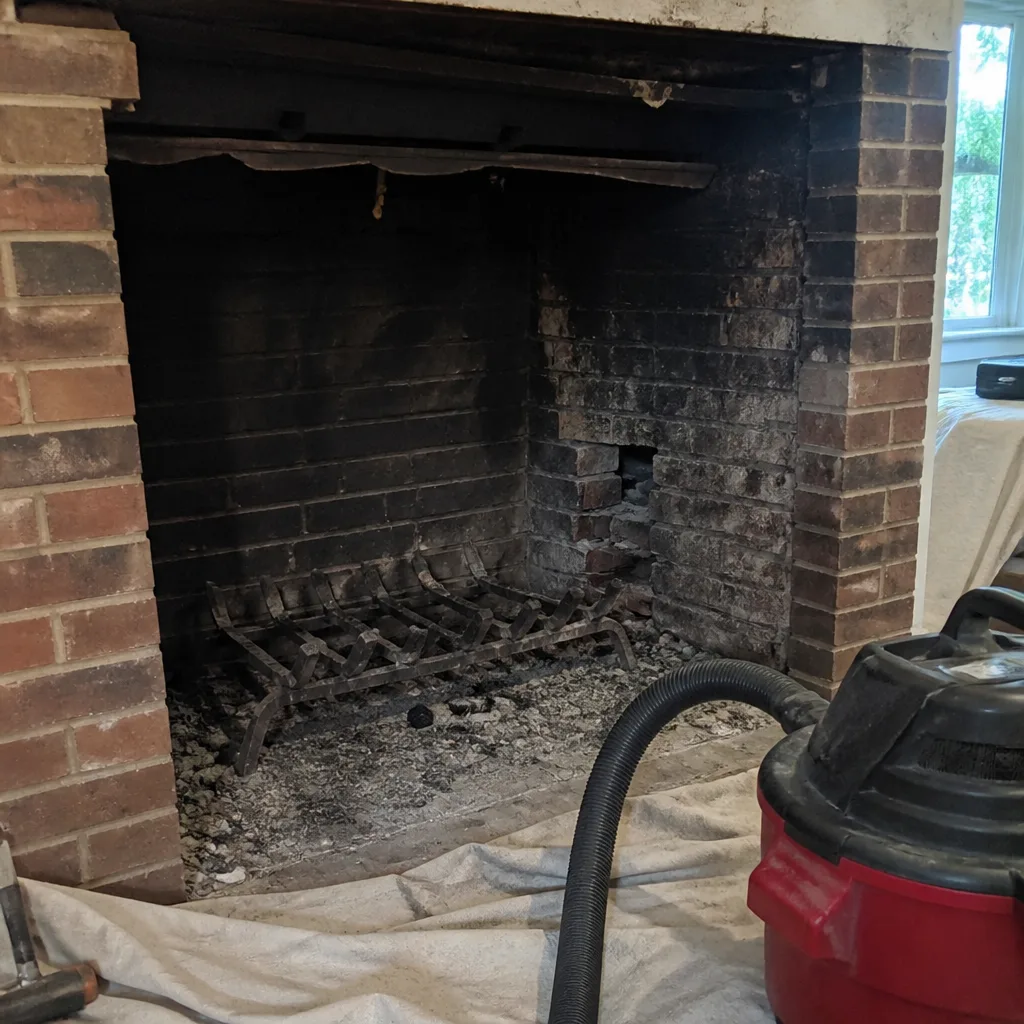 Before
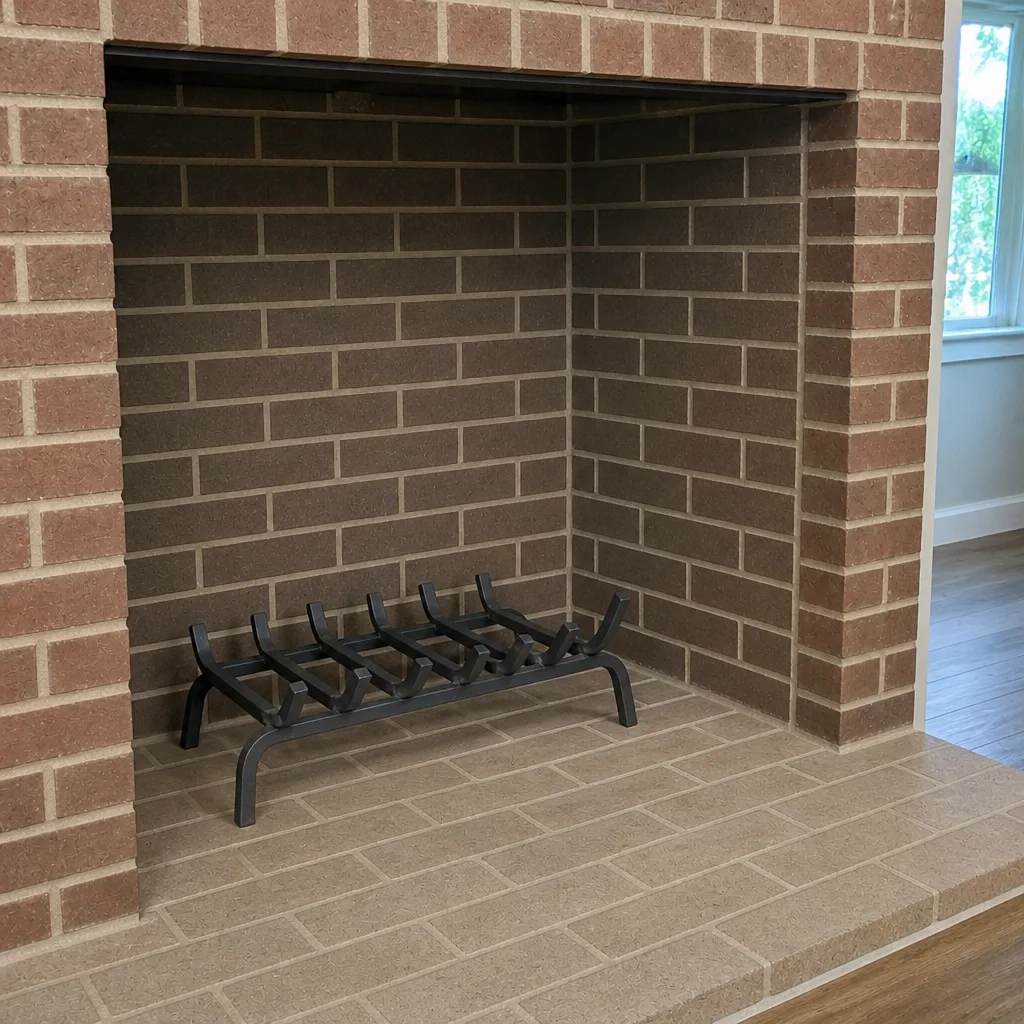 After
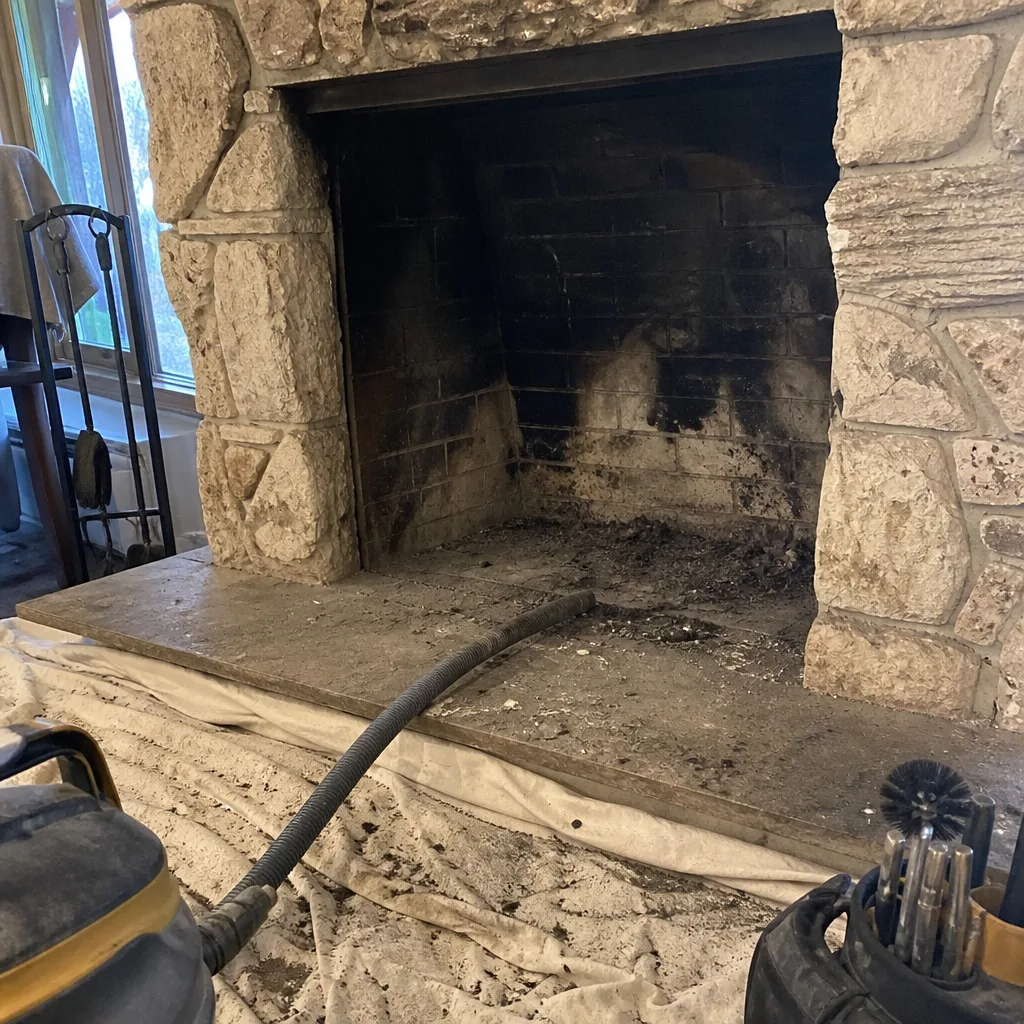 Before
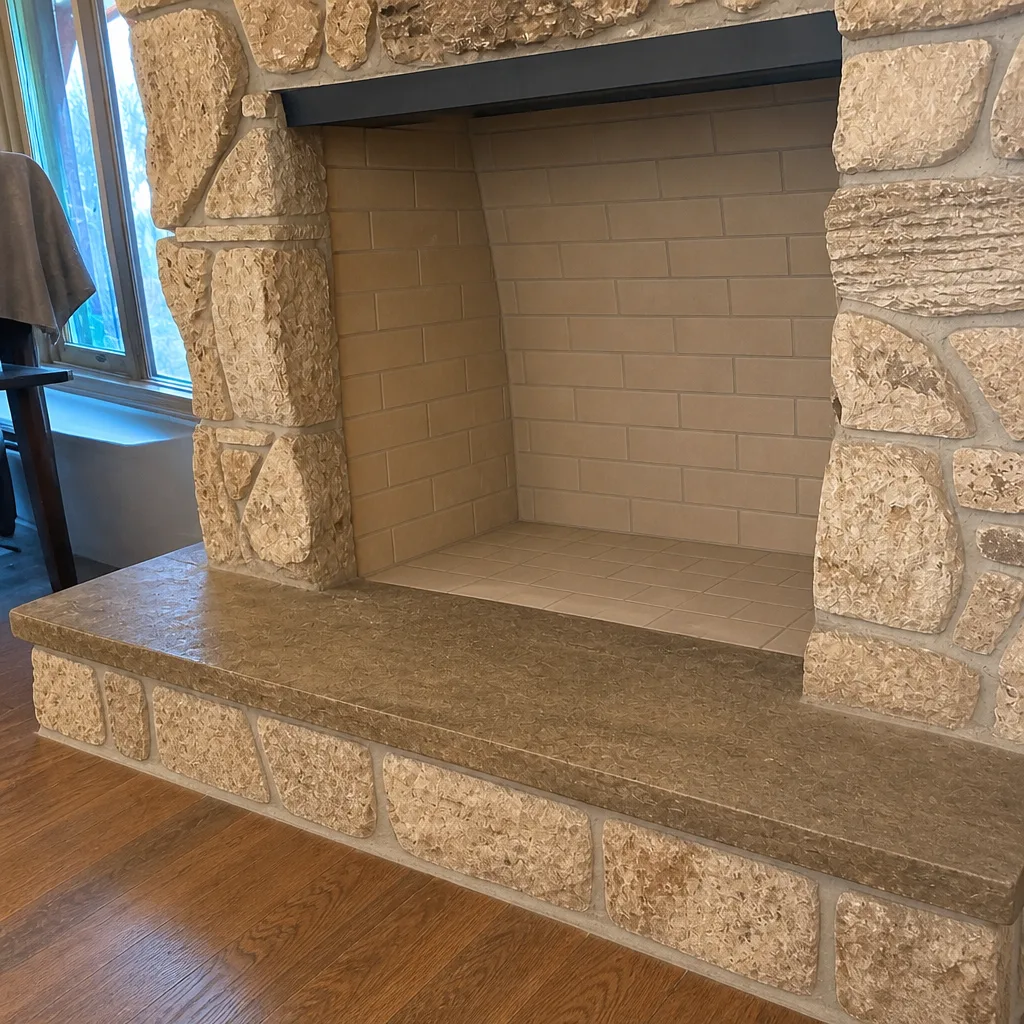 After
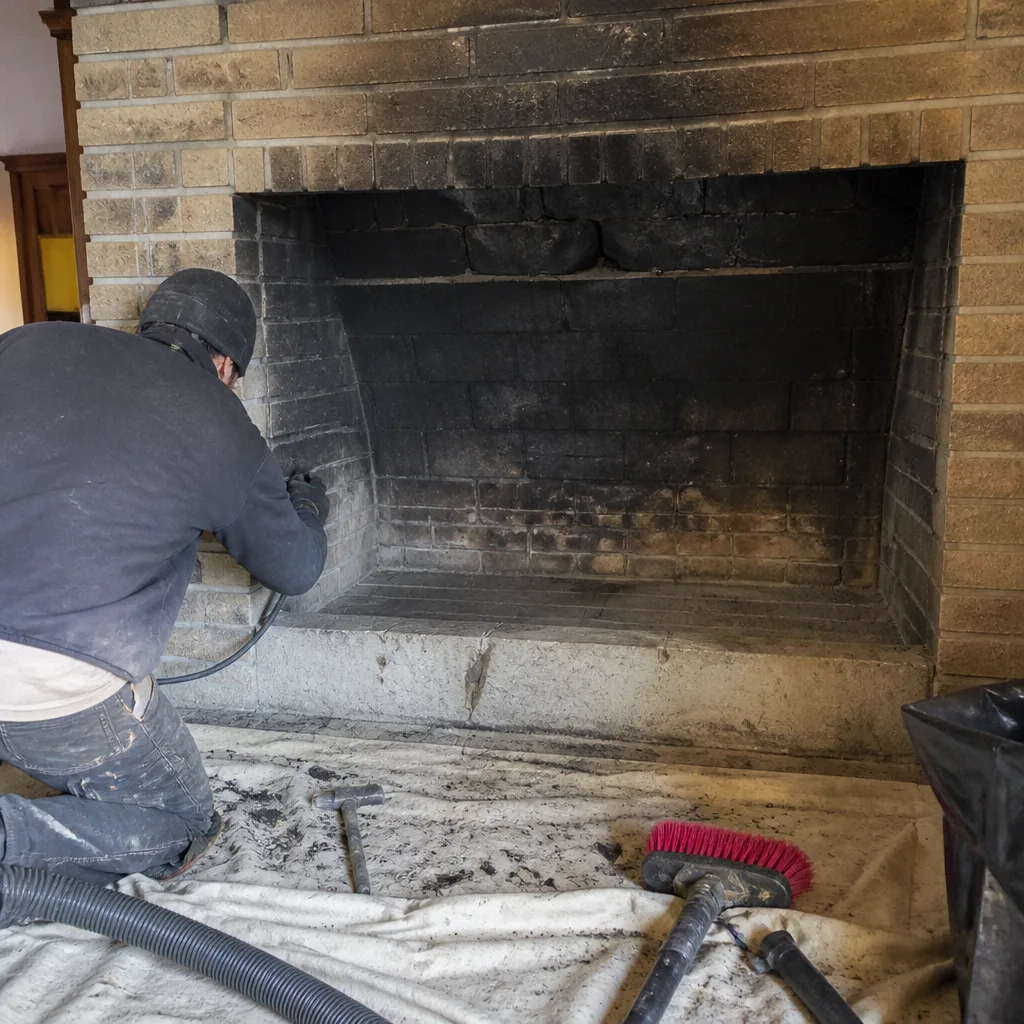 Before
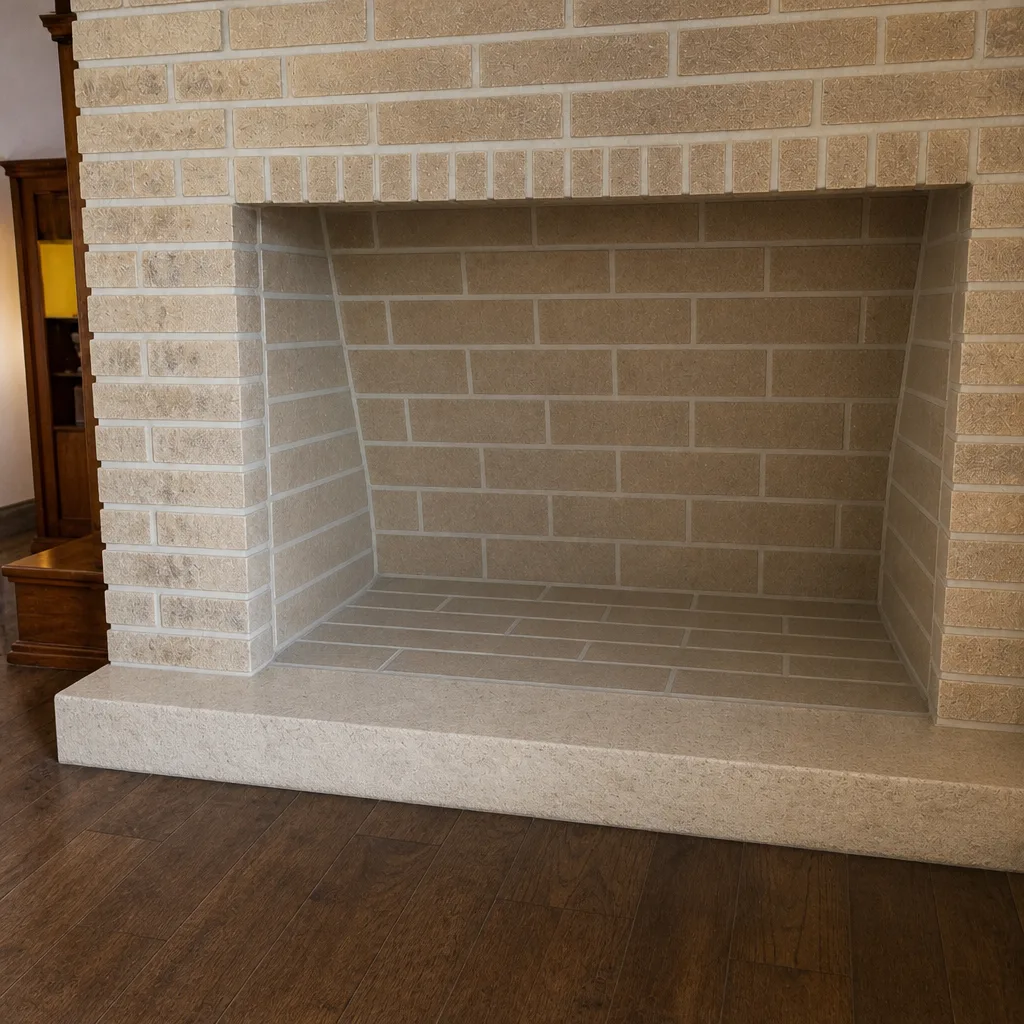 After
Frequently Asked Questions
Once a year for most homes, and more often if you burn more than a face cord a year or notice heavy creosote during the season. A spring sweep plus a fall readiness check is the strongest schedule for a wood-burning system. Call (833) 740-1407 for an exact quote – estimates are free.
You need a new liner when the camera inspection shows cracked or offset clay tiles, a failed stainless system, or a flue that can’t safely vent the appliance. If the camera shows a sound flue, you don’t need a liner, and we’ll tell you so. Ask for the photos, and if nothing is urgent, ask what can safely wait until the next season. Call (833) 740-1407 with the inspection photos and we’ll walk through what they show.
Creosote builds up in the flue, and high concentrations of glaze-stage creosote can ignite during a fire. That’s the risk. Beyond fire danger, skipped sweeps let small liner or firebox problems grow through a winter of use. Chimney fires and carbon monoxide risk are both real, and a camera inspection is what catches them early. Call (833) 740-1407 to get the sweep scheduled.
Yes. Monthly checks of the cap, damper operation, smoke shelf, firebox, and flue tile sound are all safe from the firebox side and don’t require climbing. Flue cleaning, camera inspections, and any liner or firebox repair should be handled by a sweep. If you find anything you’re not sure about, call (833) 740-1407 – estimates are free.
A post-season (spring) inspection catches what the winter season did to your chimney; a pre-season (fall) inspection confirms readiness and catches summer intrusion from wind, debris, and monsoon moisture. The two are complementary, and a home does best with both. For Fort Collins specifically, the spring inspection is the higher-value one if you have to choose. Call (833) 740-1407 to book either.
Not always. Gas fireplaces usually need an annual inspection and only occasional sweeping, depending on usage. The vent termination and burner ports still deserve annual attention. If you’re not sure your gas system needs a sweep this year, an inspection as a standalone service gives you an answer. Call (833) 740-1407 – estimates are free.
The Bottom Line
A chimney maintenance schedule is not a single annual sweep. It’s a rotation: a spring sweep and post-season inspection that catches the wear from last winter, a summer repair window that lets the right materials go in without a deadline, a fall readiness check that catches what the summer brought in, and monthly owner checks in between. Fuel type sets the frequency. Liner material sets what gets inspected. Fort Collins’ wind, monsoon moisture, and early September cold snaps set the local timing. Get the spring sweep on the calendar and the rest of the schedule will follow. Call (833) 740-1407 for a free estimate. We answer 24/7. Fast dispatch from 7am to 7pm, Sunday through Friday.
Written by the team at Chimney Sweep Fort Collins.