
Last updated November 16, 2026
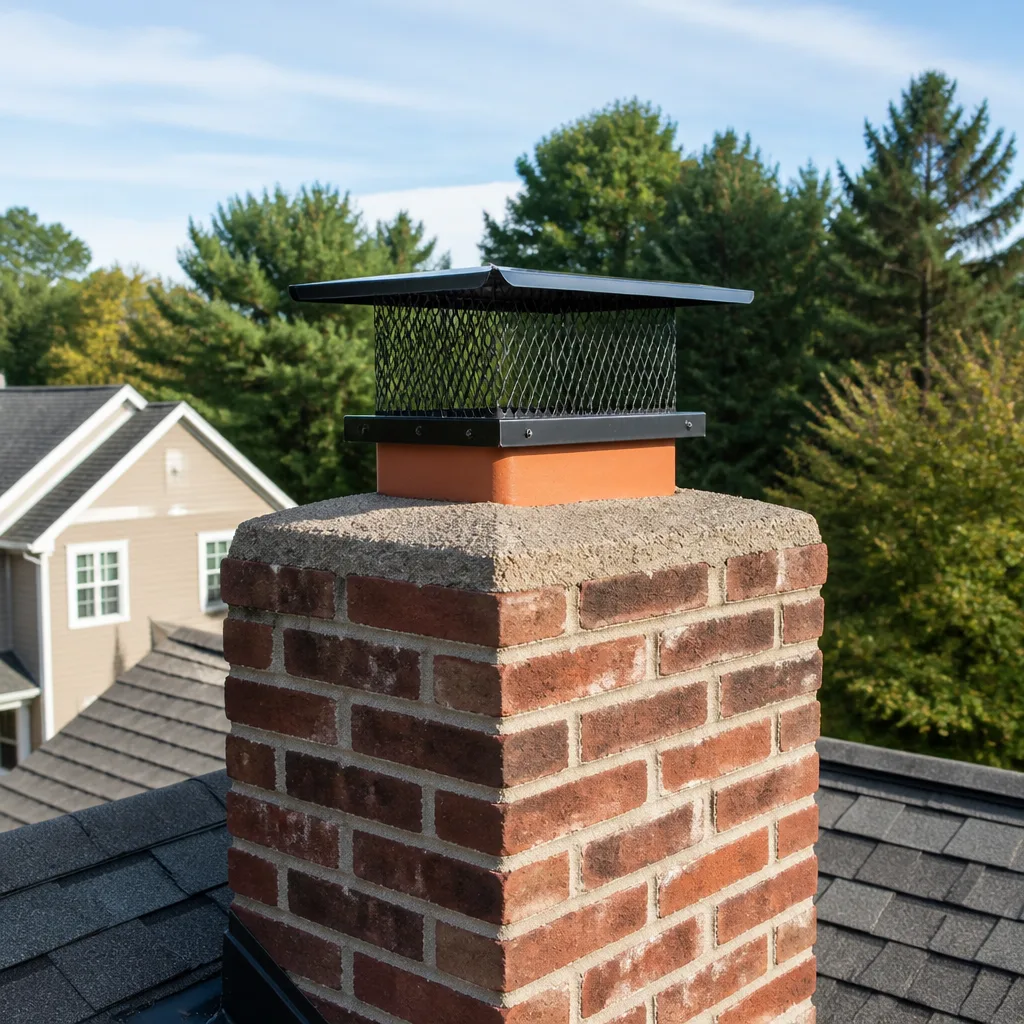 Sweep & inspection
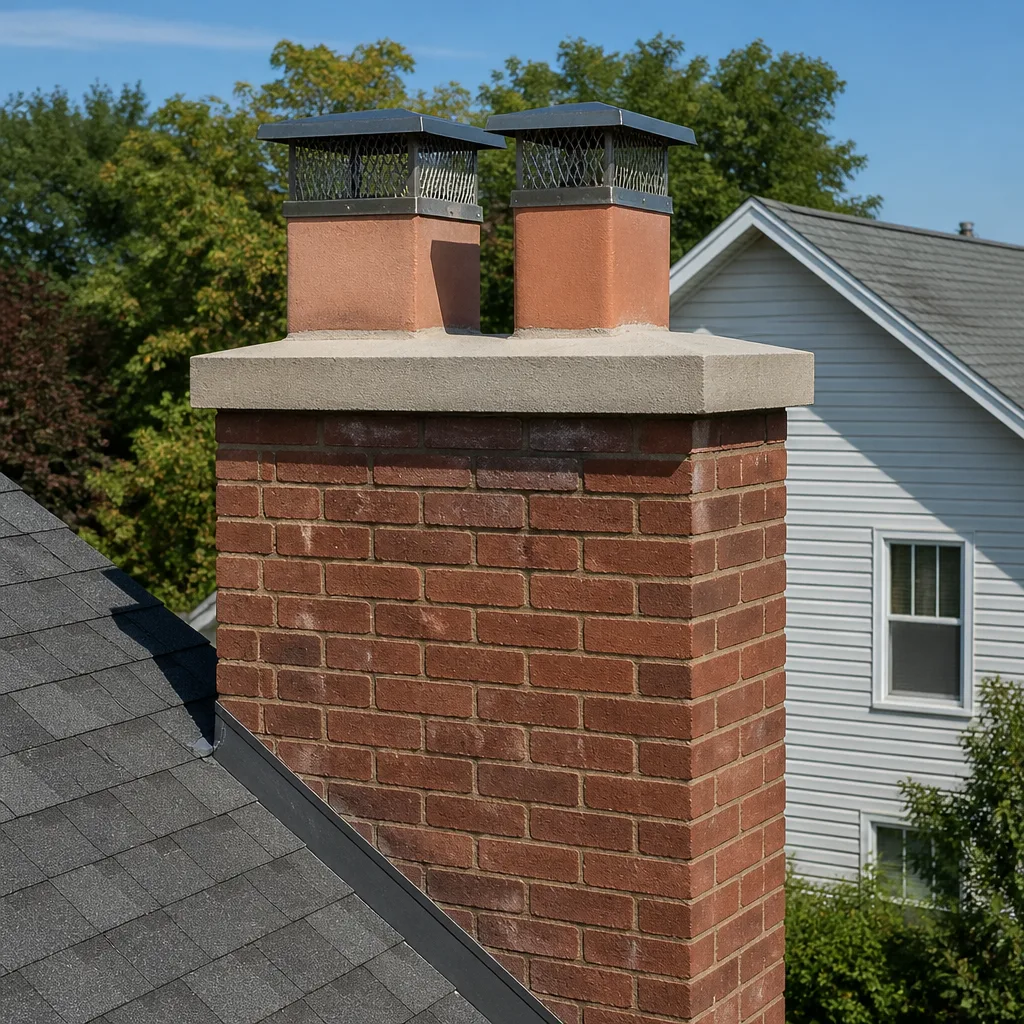 Caps & crowns
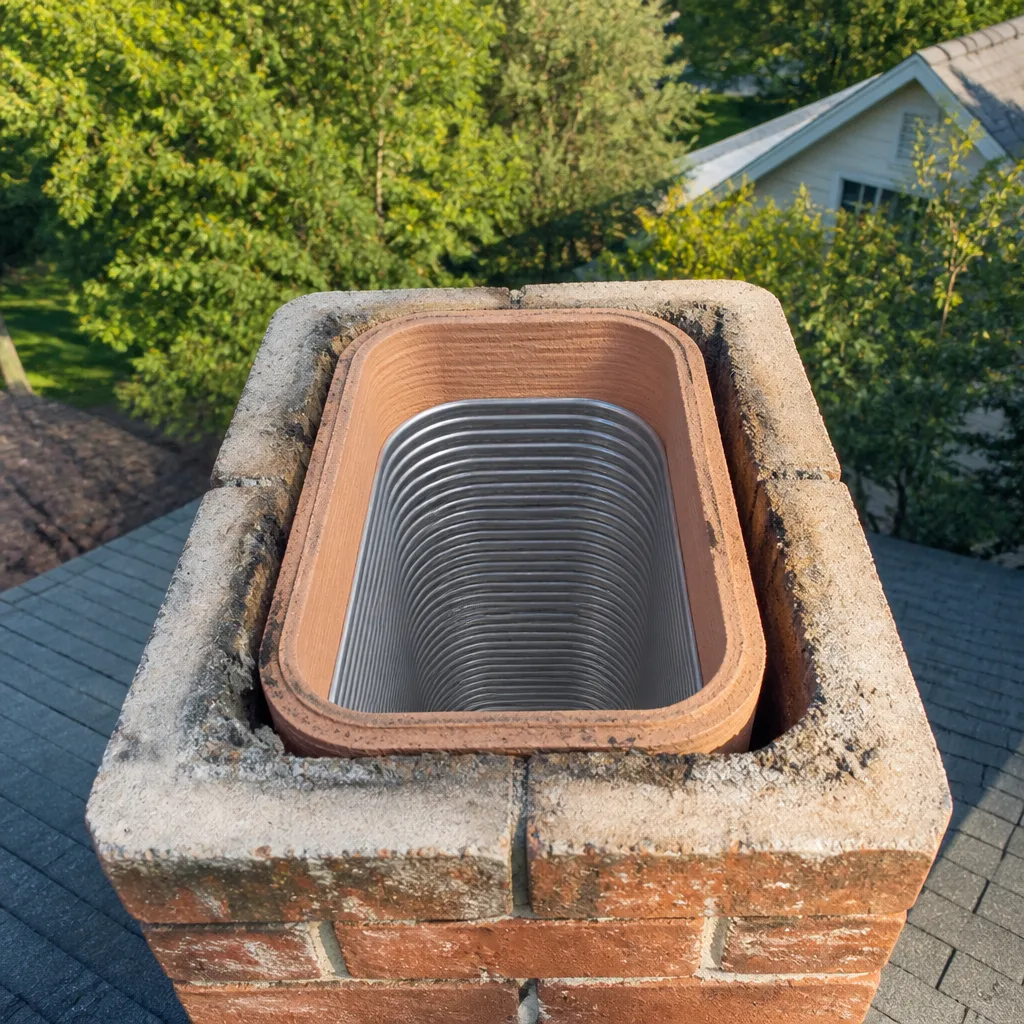 Flue relining
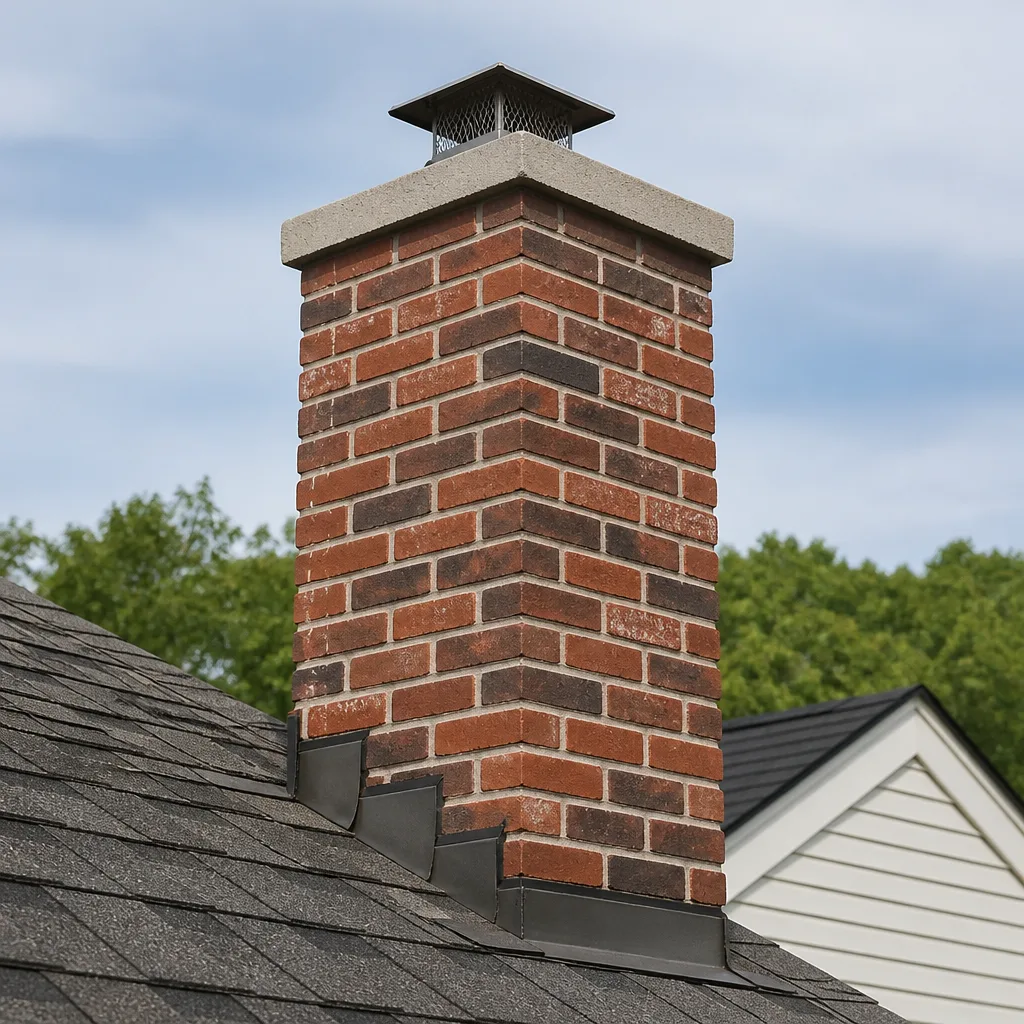 Masonry repair
 Gas fireplace service
Level 1 sweep and inspection to the NFPA 211 annual standard - flue, crown, cap, and flashing checked and photographed
Chimney sweep logs do not sweep chimneys. They loosen some creosote - which then falls where a brush and vacuum still have to collect it.
Chimney Sweep Maintenance Checklist for Fort Collins Homeowners
A chimney that was swept in September can be badly overdue by February. That sounds like an exaggeration until you consider how differently two Fort Collins homes can burn. One household lights a fire a few nights a week through the cold months and goes through less than a cord of softwood. Another runs the fireplace as real heat, feeding it four cords of pine and fir across the same season. Both chimneys were “just cleaned.” Only one is still safe to use.
Calendar-based checklists miss this entirely. This guide gives you a condition-based checklist instead: what to look at, what each sign means, and when the answer is “call a sweep” rather than “wait until fall.” You’ll learn which tasks you can safely handle yourself, which ones you shouldn’t touch, and what Fort Collins’ hail, wind, and dry air do to chimneys that most generic checklists never mention.
Quick Answer
A proper chimney maintenance checklist for Fort Collins homeowners has three layers: a visual check you do yourself every month you burn, a professional sweep and inspection based on how much wood you’ve burned (not the calendar), and an exterior inspection after spring and late-summer storm seasons. Creosote buildup, draft problems, and storm damage are the three things that matter most here, and each has visible warning signs. If you’ve burned more than two cords since your last cleaning, book a mid-season inspection even if the sweep was recent.
Styles & brands we work with
- Sweep & inspection
- Caps & crowns
- Flue relining
- Masonry repair
- Gas fireplace service
Table of Contents
- Why a Condition-Based Checklist Beats a Calendar One
- Burn-Volume Thresholds That Trigger a Mid-Season Inspection
- What You Can Safely Check From the Firebox (No Tools)
- Exterior Checks After Hail and High-Wind Season
- How to Log Fuel Type and Burn Hours for Your Sweep
- Homeowner Tasks vs. Professional Tasks: A Clear Split
- The Fort Collins Seasonal Rhythm
- Common Mistakes to Avoid
Why a Condition-Based Checklist Beats a Calendar One
Most chimney advice says “sweep once a year.” That’s a reasonable starting point and a poor stopping point. The amount of creosote inside a flue depends on what you burned, how dry it was, how hot your fires ran, and how much air the chimney drew. Two Fort Collins homes on the same street can produce wildly different buildup in the same twelve months.
Here’s what actually drives creosote formation:
- Fuel moisture. Seasoned wood burns hot and clean. Green or unseasoned wood smolders, and smoldering is what deposits the sticky, flammable glaze that’s hardest to remove.
- Burn temperature. Dampers choked down to stretch a fire overnight lower flue temperatures and increase deposits, even though the fire “lasts longer.”
- Volume. Ten fires a season and eighty fires a season are not the same maintenance problem.
- Chimney design. An older interior masonry flue that runs up an exterior wall stays colder than a modern insulated liner, and cold flues condense more creosote.
A checklist that ignores all four is just a reminder to make a phone call. A checklist that tracks them tells you what to say when you do call, and it tells you when the call can wait. That’s the whole idea behind condition-based maintenance, and it’s what we build our service recommendations around here in Fort Collins.
Burn-Volume Thresholds That Trigger a Mid-Season Inspection
If you’ve burned more than two cords of wood since your last sweep, schedule an inspection regardless of how recently the chimney was cleaned. That single rule catches most of the dangerous situations we see. A September cleaning on a chimney that then eats four cords by February is a chimney running on borrowed time.
Use these thresholds as your trigger points:
- Under one cord per season: one annual sweep and inspection, typically before the heating season starts.
- One to two cords: annual sweep, plus a mid-season look from the firebox by you. Book a professional inspection if you notice staining, odor, or weak draft.
- Two to four cords: a mid-season professional inspection is worthwhile even if the flue was clean in the fall. Buildup in a heavily used chimney can accumulate fast.
- Four cords or more, or any burning of unseasoned wood: treat this as a high-deposit chimney and get it checked mid-season, every season.
One more trigger that overrides all of these: any change in how the chimney behaves. Sudden weak draft, a smoky smell in the room, or a fire that’s harder to light than it used to be all point to a partial blockage or heavy deposit, and that’s worth a look no matter what the calendar says. Around Fort Collins, where a lot of us heat with wood through a long cold stretch, those mid-season checks are the difference between a clean flue and a dangerous one.
What You Can Safely Check From the Firebox (No Tools)
You can spot most early warning signs without a ladder, a flashlight, or a single tool. Stand at the open firebox with good light and look. Here’s what to check and what each sign tells you.
- Smoke staining on the firebox walls or above the damper. Fresh black streaks or soot climbing up the brick mean the fire isn’t drafting cleanly. That can be a deposit problem, a damper problem, or a flue that’s too cold to draw.
- Damper condition. Open and close it by hand. It should move without grinding and sit flush when closed. A damper that sticks open wastes heat; one that won’t open fully starves the fire and worsens creosote.
- Odor changes. A strong smoky smell when there’s no fire, especially on warm days, often means creosote or debris is sitting in the flue. A sour or acrid smell can mean moisture is getting in from above.
- Crumbling firebox mortar or flaking brick. Hairline cracks in firebrick are normal; loose, sandy mortar and flaking faces are not. This is a repair signal, not a cleaning one.
- Visible creosote at the smoke chamber. Shine a light straight up past the damper. Glossy, tar-like coating is the stubborn kind and needs professional removal.
- Ash depth. A thin ash bed is fine. A deep pile that spills toward the hearth edge cuts your firebox space and can hide damage underneath.
Do this look-over roughly once a month during heating season, and always before you light the first fire of the year. It takes two minutes and it’s the single most useful habit in this entire guide. If something looks wrong, don’t test it with a fire. Get it checked.
Exterior Checks After Hail and High-Wind Season
Most checklists stop at the firebox. That’s a mistake in Fort Collins, where spring and late-summer storms bring hail and hard wind that test every part of a chimney that sticks up above the roofline. A chimney can pass every interior check and still have a cracked crown or a loose cap letting water in.
From the ground, with binoculars if you have them, look for these after a significant storm:
- Crown damage. The crown is the concrete cap around the top of the flue. Cracks, spalling, or chunks missing let water run down into the masonry, and freeze-thaw cycles here turn small cracks into big ones.
- Loose or missing cap and spark screen. Wind and hail strip these off. No cap means rain, birds, and debris go straight down the flue.
- Displaced or cracked flue tiles. A tile that shifts creates a path for heat and gases into the structure around the chimney. This is one of the more serious things to find.
- Missing mortar joints and spalling brick. Look for joints that have washed out and brick faces that are flaking. Fort Collins’ freeze-thaw swings are hard on masonry that has any water in it.
- Rust streaks or staining. Streaks down the exterior or a rusty chase cover point to water intrusion that’s been going on a while.
- Storm debris on the roof or against the chimney. Branches and shingles pile up and hold moisture against the masonry.
Do this exterior walk-around twice a year, once after spring storms and once after the late-summer hail season. Log what you see. Anything beyond cosmetic dirt should get a professional look, and we’re glad to check it and tell you plainly whether it can wait.
How to Log Fuel Type and Burn Hours for Your Sweep
The single best thing you can bring to a sweep is a simple log of what you burned. It lets the technician match the cleaning and inspection to your actual usage instead of guessing, and it turns a general recommendation into a specific one.
You don’t need software. A notebook by the woodpile works. Track these four things:
- Cords burned. Note roughly how much wood you go through each season, even if you estimate in pickup-loads or face cords.
- Wood species. Softwoods like pine and fir burn faster and deposit differently than dense hardwoods. Note what you use and in what proportion.
- Seasoning time. How long the wood sat split and stacked before you burned it. “Cut in spring, burned in fall” is useful information.
- Approximate burn hours. A rough count of how many days a week you had fires and how long they ran. Dampers choked down overnight count too.
Bring that log, or a photo of it, to your appointment. A sweep who knows you burned three cords of two-year-seasoned hardwood can recommend a service interval with confidence. A sweep who knows nothing has to assume the worst case. In our experience, homeowners who keep even a loose burn log end up with better-matched recommendations and fewer surprise findings, because the technician already knows what to expect inside the flue.
Homeowner Tasks vs. Professional Tasks: A Clear Split
Some chimney maintenance is safe and sensible for a homeowner. Some of it can put you in the hospital or damage the chimney. Knowing which is which matters more than any single task on this list.
Tasks you can safely handle yourself
- Monthly visual checks from the open firebox, as described above.
- Operating the damper by hand to confirm it moves freely.
- Ground-level exterior walk-arounds after storms, with binoculars.
- Keeping the roof and chimney area clear of branches and debris you can safely reach without climbing.
- Maintaining your burn log and monitoring fuel moisture before you burn.
- Scheduling and keeping your professional appointments on the right cadence.
Tasks that require a trained professional
- Sweeping the flue. Getting a brush up a flue safely, without damaging tiles or the liner, and cleaning the smoke chamber and shelf properly is skilled work.
- Inspecting the flue interior, crown, and cap. A camera inspection sees what the eye can’t and documents it so you can verify findings yourself.
- Any repair involving firebox masonry, the crown, or the flue liner. Firebox restoration and relining are specialty work. We use HeatShield for firebox resurfacing and DuraFlex flexible stainless systems for relining because the material matters as much as the technique.
- Climbing the roof or chimney. Heights, steep pitches, and storm-damaged surfaces make this a genuine fall risk. Leave it to someone with the right equipment.
- Anything involving gas appliances or a suspected carbon monoxide issue. That’s a job for a qualified technician, full stop.
The line is simple: if it requires a ladder, a camera, a brush, or a repair material, it’s a professional task. If it’s a look, a feel, a note, or a call, it’s yours.
The Fort Collins Seasonal Rhythm
Fort Collins runs on a specific yearly cycle that should shape this checklist. Our winters are long and cold, our spring brings hail and wind, our late summer brings another round of storms, and our shoulder seasons are short. That gives you four natural checkpoints a year.
- Late summer, before heating season. Book your annual sweep and inspection now, before everyone else thinks of it. Pull out the burn log from last year and check the cap and crown from the ground.
- Fall, first fires. Do your firebox visual check before the first burn. Confirm the damper moves and there’s no staining or odor. Start a fresh burn log.
- Midwinter, if you’re a heavy burner. If you’ve passed the two-cord mark, schedule a mid-season inspection. Do a quick firebox look monthly and watch for draft changes.
- Spring, after storm season. Walk the exterior and check the crown, cap, and masonry for hail and wind damage. This is also the right time to catch water intrusion before it freezes again.
That rhythm handles the Fort Collins climate without over-scheduling. It also means that by the time the first real cold snap arrives, you already know the condition of your chimney rather than hoping it’s fine.
Common Mistakes to Avoid
- Treating the last cleaning date as a safety certificate. A September sweep tells you nothing about a chimney that burned four cords by February. Mid-season checks exist for exactly this reason.
- Burning unseasoned or “free” wood to save a little money. Green wood smolders and lays down the sticky creosote that’s hardest to remove. Dry wood is cheaper than a difficult cleaning.
- Choking the damper down to make overnight fires last. It feels efficient, but lower flue temperatures mean more deposit. Burn hot enough to keep the flue drawing.
- Skipping the exterior after spring and late-summer storms. Fort Collins hail and wind damage crowns and caps quietly. A cracked crown you never noticed lets water into masonry all winter.
- Assuming a crack in the firebox is “just cosmetic.” Hairline firebrick cracks are common. Loose mortar and flaking faces are a repair signal that will only grow.
- Not asking for the evidence. If someone tells you the chimney needs thousands in liner work, ask to see the camera footage. You should be able to see what they saw.
- Hiring a generalist because the price is lower. Chimney work has its own tools, materials, and knowledge. We specify brands like Gelco, Olympia Chimney, and Copperfield by name because what goes into the chimney matters as much as the labor going into it.
See the difference
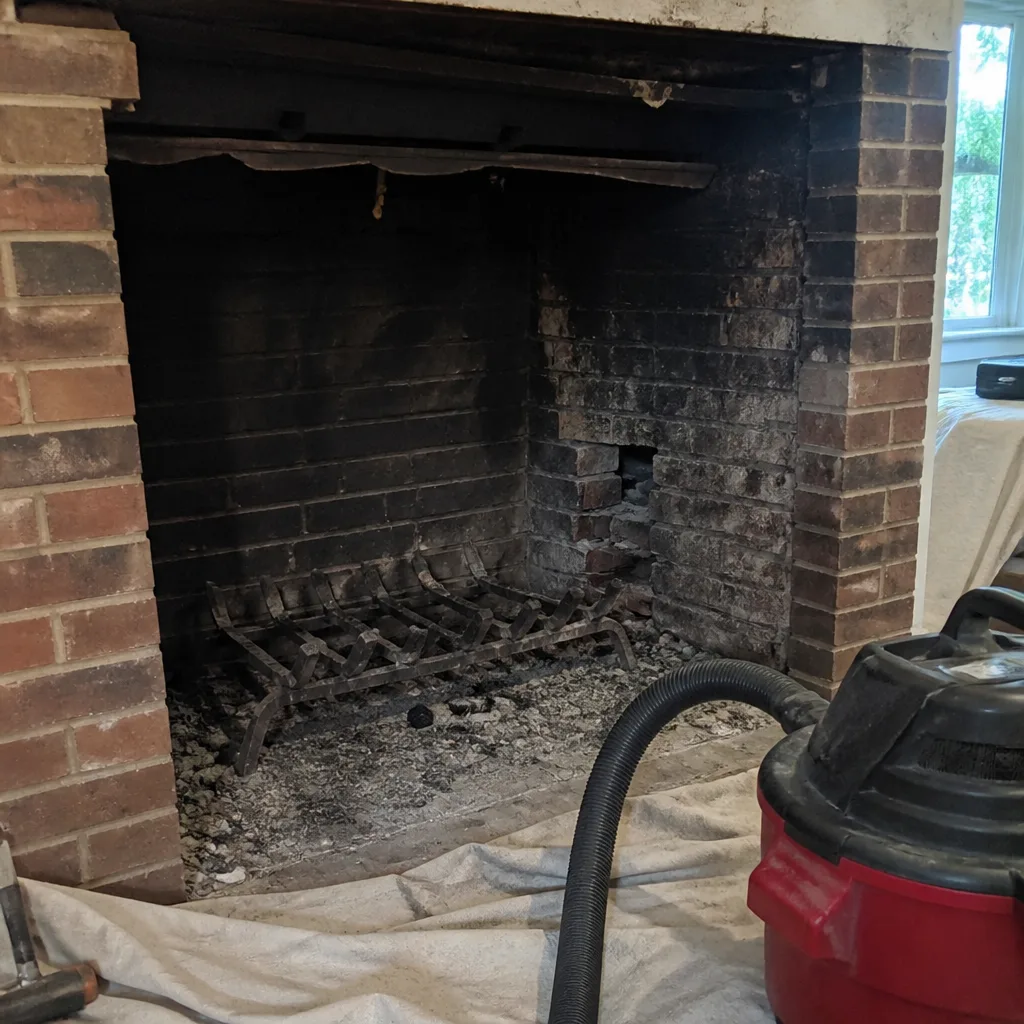 Before
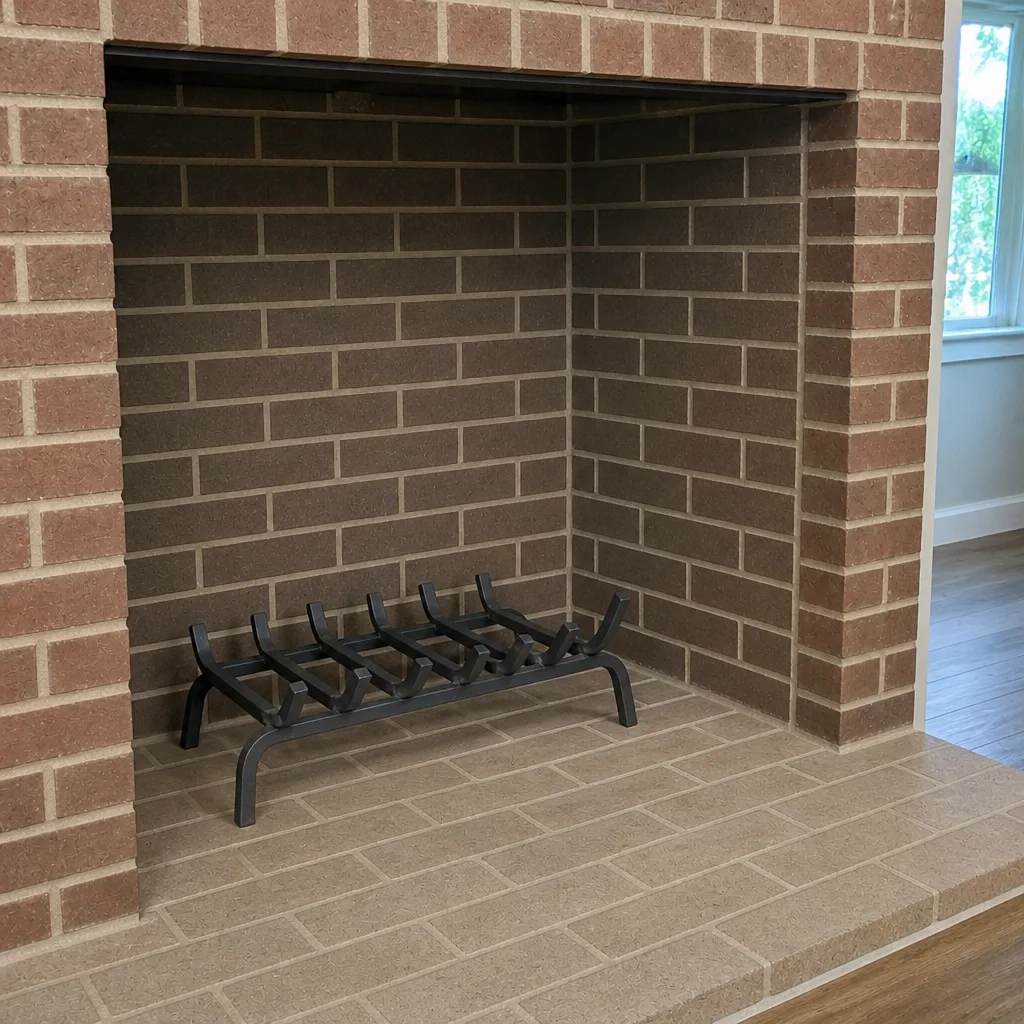 After
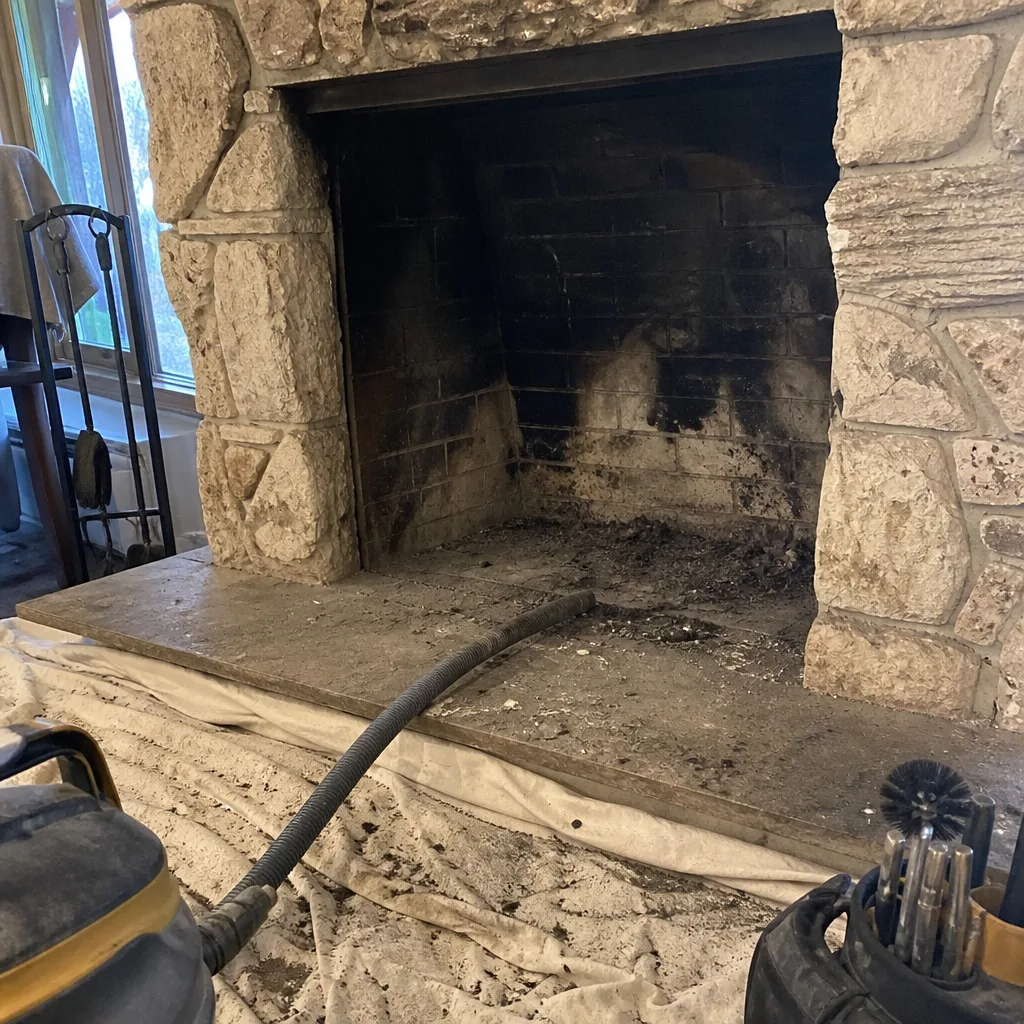 Before
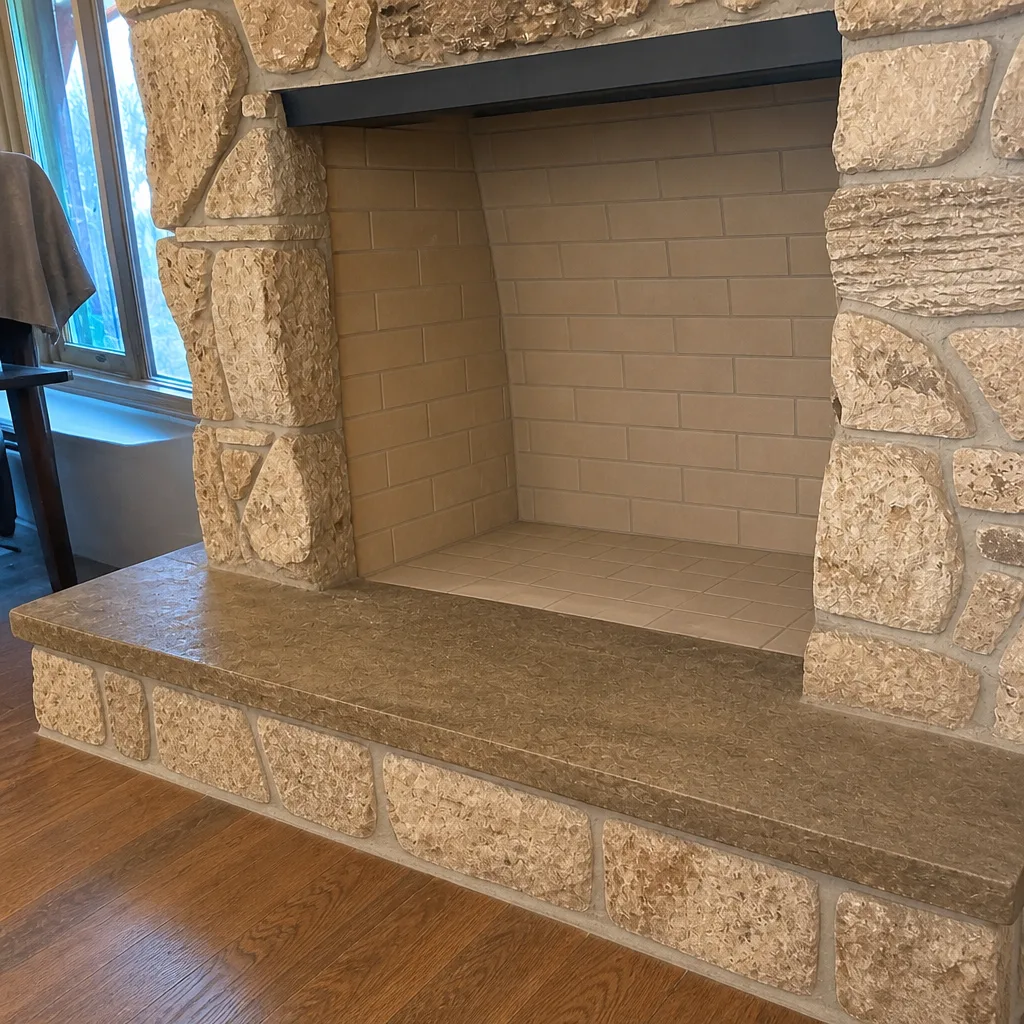 After
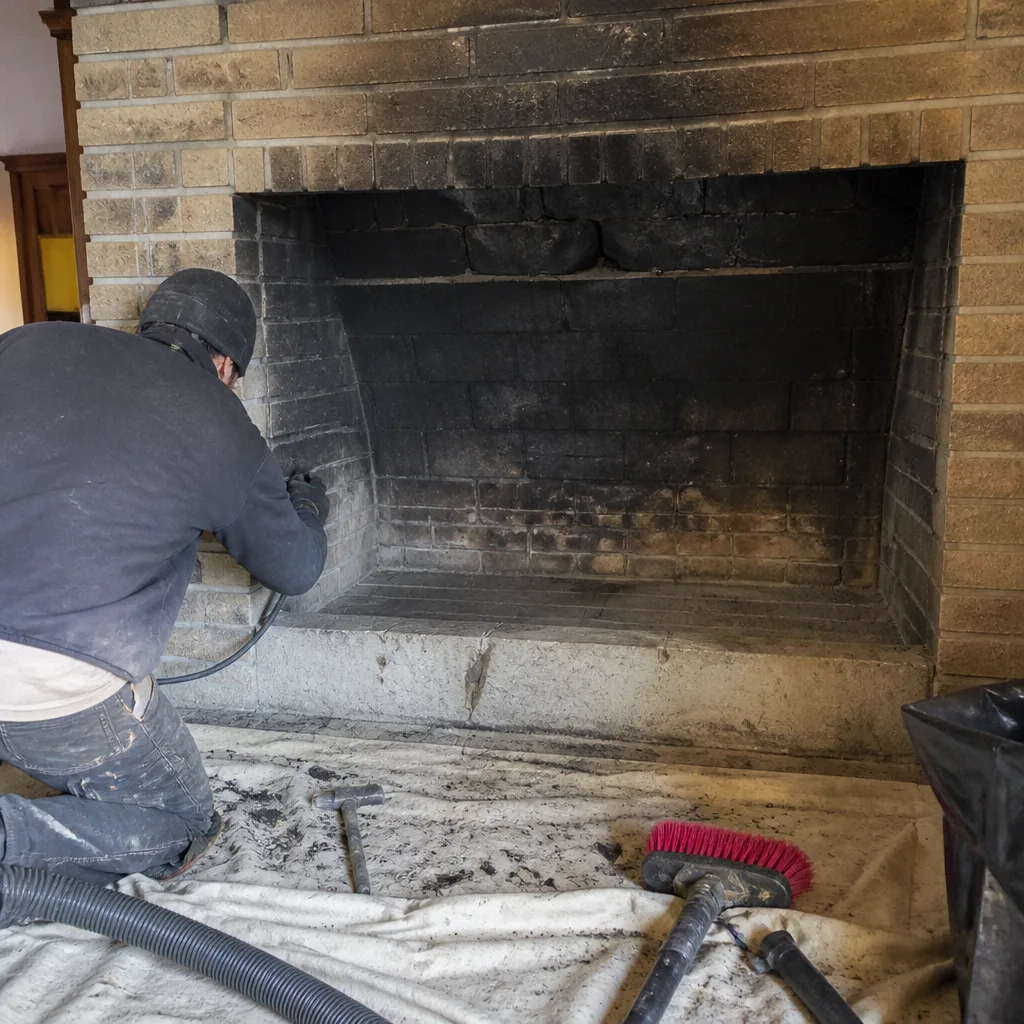 Before
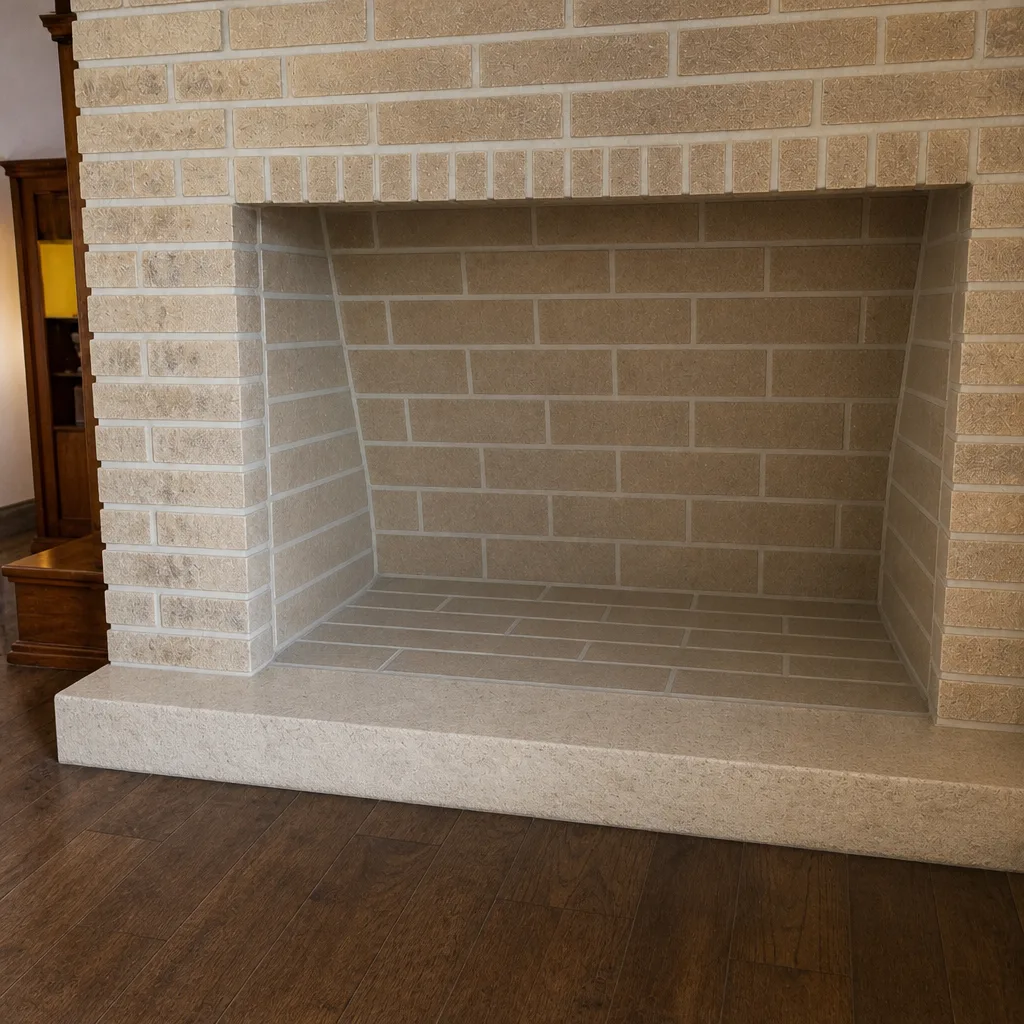 After
When to Call a Professional
Call a professional when you hit any of the following: you’ve burned more than two cords since your last sweep; you see smoke staining, weak draft, or new odors from the firebox; your exterior walk-around turns up crown cracks, a loose cap, displaced tiles, or spalling brick; or you simply don’t know when the chimney was last cleaned. Also call if you’re buying or selling a home in Fort Collins and need a documented inspection, or if your insurer has asked for one. The one thing you should never do is light a test fire to “see if it’s okay” when something looks wrong, because that’s how a small creosote problem becomes a chimney fire. We’ll tell you exactly what we found and exactly what it costs to fix it, before any work begins. Chimney Sweep Fort Collins offers free estimates in Fort Collins. Call (833) 740-1407. We answer 24/7. Fast dispatch from 7am to 7pm, Sunday through Friday.
Frequently Asked Questions
Pricing depends on the chimney and the service, and the written estimate sets the final price. You’ll get a clear quote before any work begins, with no surprise additions after the fact. Call (833) 740-1407 for a free estimate.
Only if the inspection actually shows the current liner is failing: cracked tiles, a deteriorated liner, or gaps that let heat and gases into the structure. That’s why we include a camera inspection, so you can see the condition yourself rather than take our word for it. If a liner is fine, we’ll tell you it’s fine. Call (833) 740-1407 for a free estimate.
Once a year is a solid baseline for most homes, and heavy wood burners should expect a mid-season inspection on top of it. Track how many cords you burn, because that number, not the calendar alone, is what should set your interval. Call (833) 740-1407 for a free estimate.
Creosote builds up inside the flue, and if it builds up enough it can catch fire. Blockages and draft problems also develop quietly, and they can let smoke or carbon monoxide back into the home. Neither risk is worth gambling on, and a cheap sweep prevents both. Call (833) 740-1407 for a free estimate.
Yes. After the inspection you’ll get a plain-language explanation of what needs attention now versus what can safely wait. A cracked crown that’s letting water in shouldn’t wait; a minor cosmetic issue can. Call (833) 740-1407 for a free estimate.
Yes, both. We work with DuraFlex flexible stainless systems for relining and HeatShield for firebox resurfacing, so the company that finds the problem is the same one that fixes it. No handoffs to a second contractor. For the full range of what that covers, see our chimney repair page. Call (833) 740-1407 for a free estimate.
The Bottom Line
A chimney maintenance checklist for Fort Collins works when it’s tied to what you actually burn, not just the calendar. Track your cords and fuel type, do a two-minute firebox look each month, walk the exterior after spring and late-summer storms, and honor the two-cord threshold for a mid-season inspection. Keep the safe tasks yourself and leave the ladder, brush, camera, and repair work to a specialist. Our technicians have up to 15 years of experience, and we handle sweeping, inspection, and repair as a single specialized service, from the chimney sweep through to the final repair. Start with our Chimney Sweep Fort Collins page if you’re new to us, or read more about what we do across Fort Collins. If your chimney hasn’t been checked this season, the checklist starts with one call. Reach us at (833) 740-1407. We answer 24/7. Fast dispatch from 7am to 7pm, Sunday through Friday.
Written by the team at Chimney Sweep Fort Collins.