
Last updated November 16, 2026
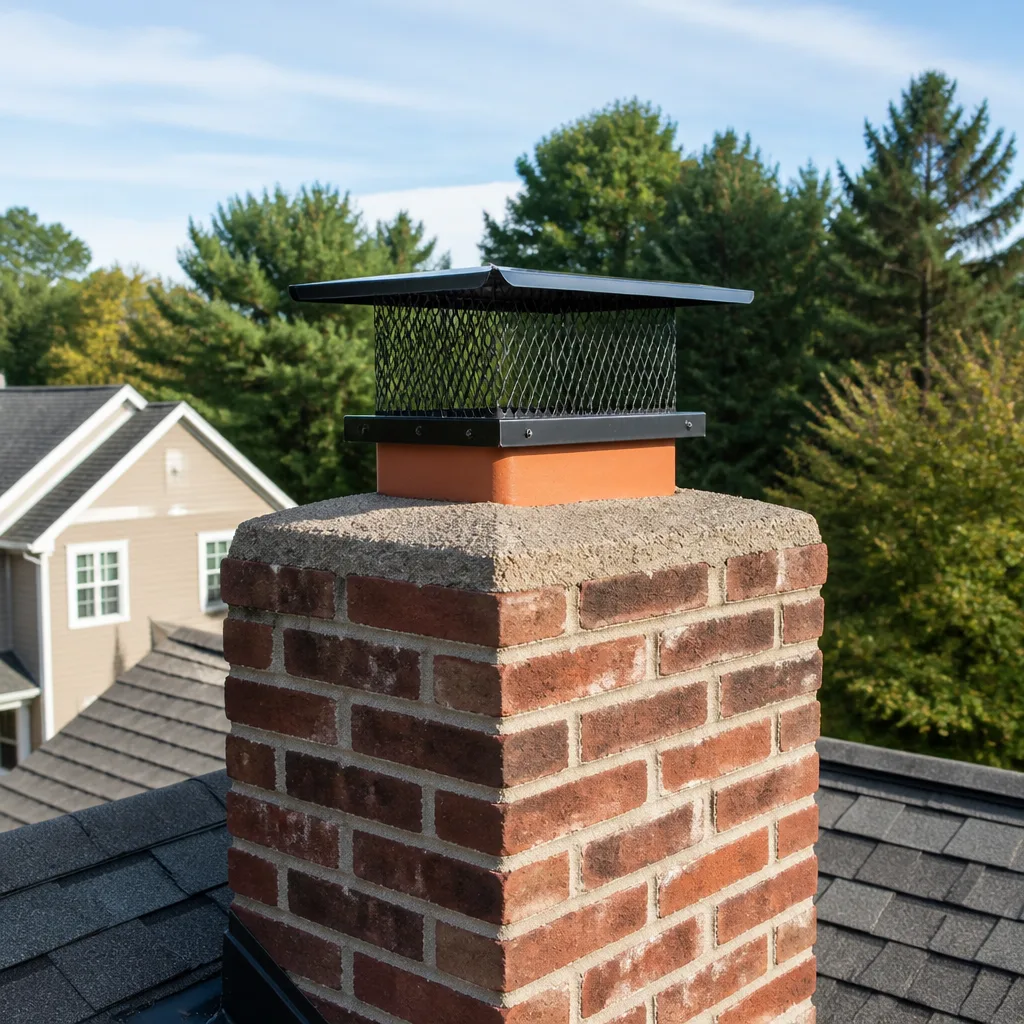 Sweep & inspection
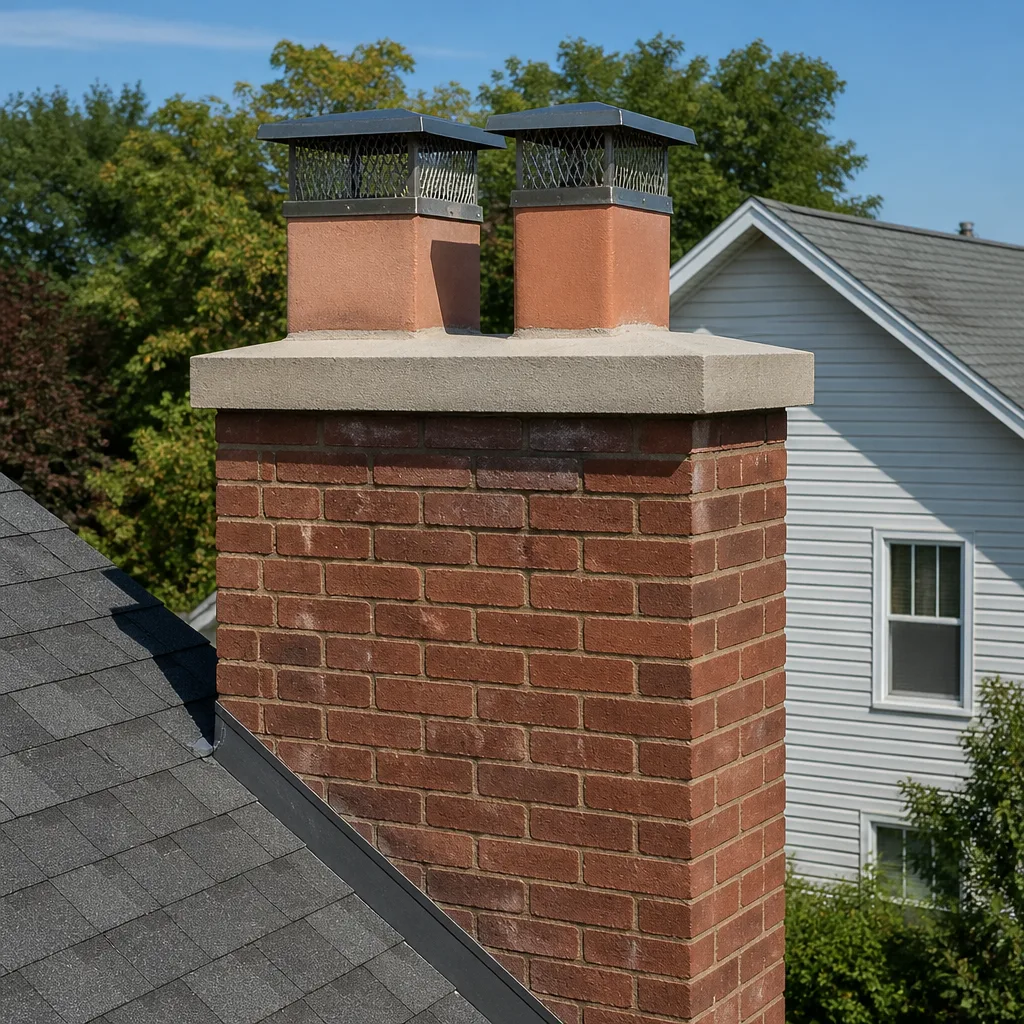 Caps & crowns
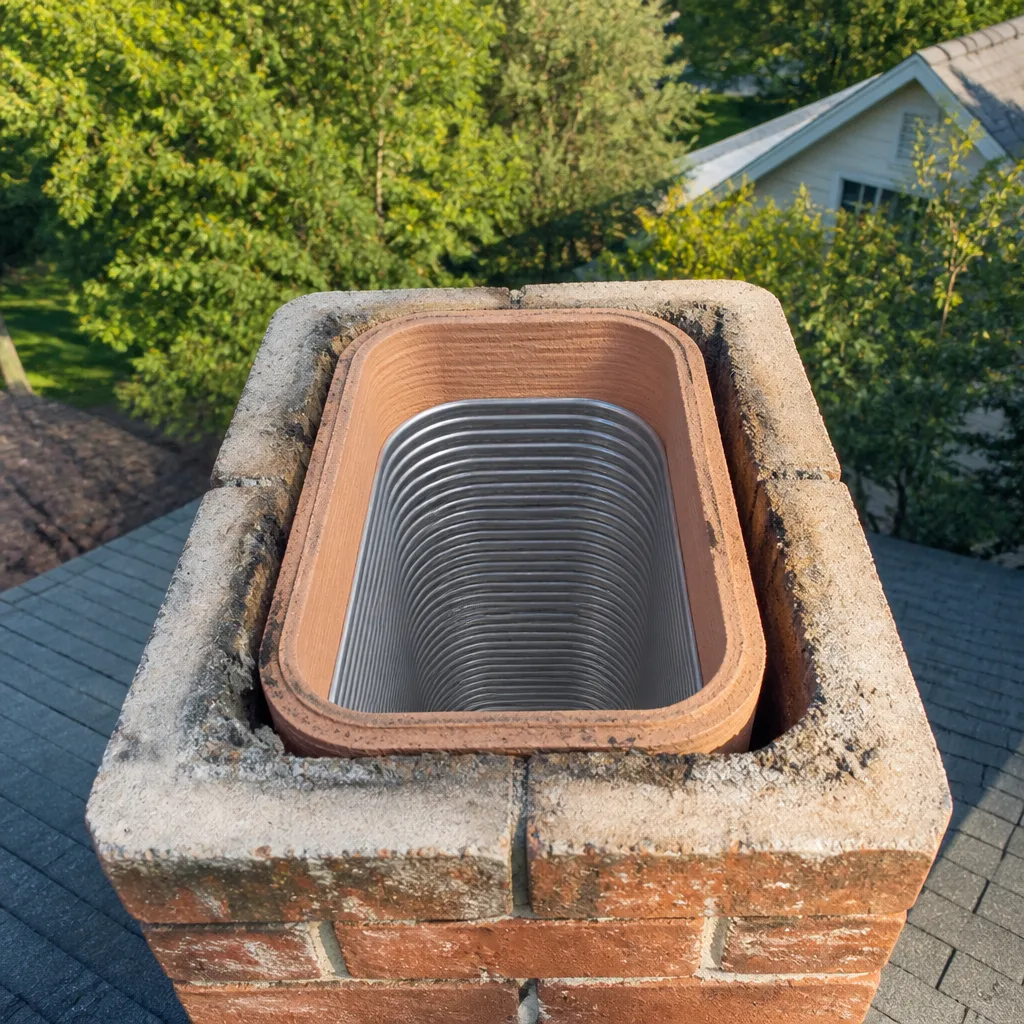 Flue relining
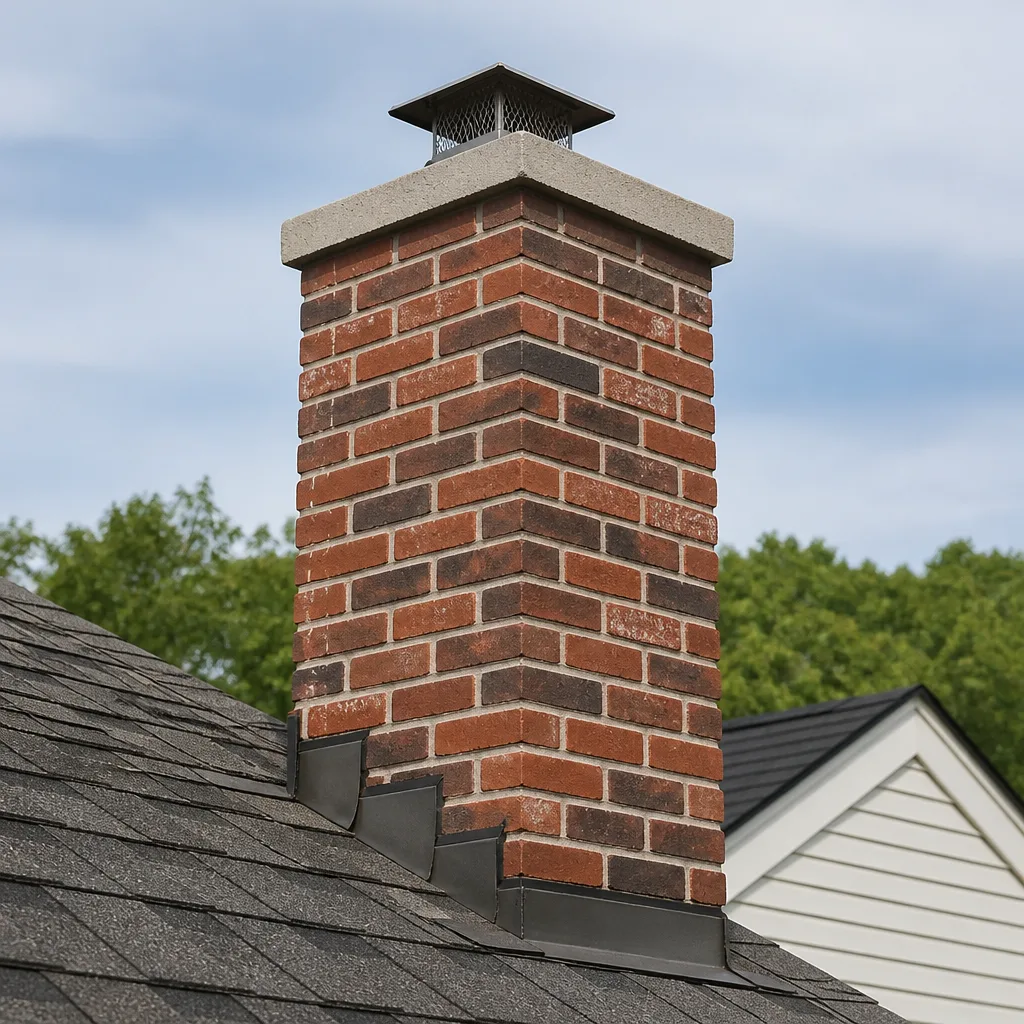 Masonry repair
 Gas fireplace service
Level 1 sweep and inspection to the NFPA 211 annual standard - flue, crown, cap, and flashing checked and photographed
Chimney sweep logs do not sweep chimneys. They loosen some creosote - which then falls where a brush and vacuum still have to collect it.
Choosing the Right Chimney Cleaning Brand: A Buyer’s Guide for Fort Collins
Two sweeps can quote the same price for a “chimney cleaning” and still deliver very different services. One pulls a hardware-store brush off a shelf and scrubs for twenty minutes. The other uses professional-grade rotary systems, a camera that actually sees the liner, and chemical treatments matched to the creosote in your flue. Same words on the invoice, completely different work behind them. In a Fort Collins market where wood heat is common and winters are long, that gap matters more than most homeowners realize. This guide covers what professional-grade chimney products actually do better, which names to ask about, and how to probe a contractor’s materials without turning the conversation into an interrogation.
Quick Answer
The right chimney cleaning brand is the one a sweep can specify by name and explain. Professional-grade products like Rutland, ACS, SootEater, and Lindemann aren’t marketing labels. They’re tools with different wire gauge, rod rigidity, brush geometry, and chemical formulations than consumer versions. Ask a Fort Collins sweep which brands they use and why. A clear answer tells you more about their standards than any price quote can.
Styles & brands we work with
- Sweep & inspection
- Caps & crowns
- Flue relining
- Masonry repair
- Gas fireplace service
Table of Contents
- Consumer-Grade vs Professional-Grade Chimney Brushes
- Why Rotary Cleaning Systems Beat a Hand Brush
- What Creosote Removers Like Rutland and ACS Actually Do
- The Camera Inspection Equipment Tier Nobody Asks About
- How to Ask a Contractor About Their Brands
- Why Naming Your Materials Signals Accountability
- Fort Collins Chimney Conditions and Product Choices
- Repair Materials: Where Brands Like DuraFlex and HeatShield Fit In
Consumer-Grade vs Professional-Grade Chimney Brushes
A chimney brush looks simple. A cylinder of stiff bristles on the end of a stick. The differences hide in three places: wire gauge, rod rigidity, and brush geometry. Together they decide whether a sweep cleans the flue or just skims it.
Wire gauge controls how aggressively the bristles bite into glazed creosote. Thicker wires on a professional brush hold their shape under load and reach into the corrugations of a clay tile liner. Cheap brushes with thin wires bend flat against the clay and leave a film behind. Over a season, that film hardens into the same glazed deposit the brush was supposed to remove.
Rod rigidity is the second tell. Professional rods are stiff enough to transmit force all the way up a two-story flue without whipping. Flexible consumer rods lose energy against the walls. At the top of the chimney, they barely touch the liner at all.
Brush geometry is where the real engineering lives. A square brush fits a square clay flue. A round brush fits a round stainless liner. A brush that’s the wrong shape for the liner can scar it or miss the corners entirely. A professional sweep keeps multiple brush sizes and shapes and selects the right one for each job.
If you want to test a sweep’s standards, ask a simple question: “What brush sizes do you carry, and how do you choose one for my flue?” A vague answer is a red flag. A specific answer about matching brush to liner type is what a real chimney sweep should give you without hesitating.
Why Rotary Cleaning Systems Beat a Hand Brush
A rotary system spins the brush head with a drill motor and flexible rods. That spinning action does something a back-and-forth hand brush can’t: it scrubs the full circumference of the liner at consistent pressure. The result is a cleaner flue in less time, with less risk of the brush hanging up on a shelf or offset.
Why does this matter in Fort Collins specifically? Wood-burning fireplaces here see a lot of use from October through March, and the creosote that builds up during that stretch isn’t the powdery kind. Cold nights and slow-burning fires create dense, sticky deposits that a hand brush tends to polish rather than remove. Rotary systems break up that layer mechanically.
Professional rotary systems also pair with a shop vacuum rated for fine soot. Without proper containment, a rotary brush will cover your living room in dust. That’s why a serious sweep arrives with a HEPA-rated vacuum and a sealed cleaning setup, not just a tarp and a bucket.
Here’s what to look for in a rotary setup:
- Drill-powered brush head with interchangeable bristle sizes.
- Flexible rods with consistent stiffness across the full length, not just the base sections.
- HEPA shop vacuum connected at the firebox for dust containment.
- Drop cloths and sealing film around the opening so nothing escapes.
- A camera on the far end of the run so the sweep can see the liner condition after cleaning.
That last piece is where the gap between an average sweep and a specialist really shows up.
What Creosote Removers Like Rutland and ACS Actually Do
Chemical creosote treatments aren’t a substitute for physical cleaning. They’re a helper tool. Two names come up most often: Rutland creosote remover and ACS (Anti-Creo-Soot). Both work by breaking down the molecular structure of creosote so it becomes easier to brush out on a later sweep.
Here’s how they typically fit into a professional job:
- Stage 1 creosote is powdery and flaky. A rotary brush removes it without chemical help.
- Stage 2 creosote is sticky and crusty. A treatment applied a few days before the sweep can soften it enough to remove cleanly.
- Stage 3 creosote is glazed and hard like varnish. No chemical at the homeowner level will touch it. This stage requires rotary mechanical action or, in extreme cases, a replacement liner.
Rutland comes as a powder you add to the fire over several burns, and it works from the inside as you use the fireplace. ACS is a spray or powder applied by the sweep and often left to activate before a follow-up visit. Neither one replaces the sweep. Both buy you a cleaner job if they’re used correctly.
If a sweep hands you a powder and says “use this and we’ll come back in a week,” ask which stage of creosote they found and why they’re recommending a treatment rather than a straight physical cleaning. A knowledgeable answer will name the stage and explain the reasoning. A vague one usually means they’re guessing.
The Camera Inspection Equipment Tier Nobody Asks About
Camera inspections separate careful sweeps from fast ones. The difference isn’t just “we have a camera.” It’s what kind of camera. A basic push-rod camera sends a fixed image to a small screen. A professional pan-and-tilt system lets the technician rotate the lens inside the flue, zoom in on a suspect area, and record video you can review afterward.
Why does the equipment tier matter? Because most liner damage hides in places a fixed camera can’t see: the back side of an offset, the inner curve of a bend, the crown joint just below the cap. A pan-and-tilt system catches these. A cheap fixed camera misses them, and you find out about the crack the next time smoke seeps through a ceiling.
Here’s a practical test you can run without technical knowledge:
- Ask if the inspection is a Level 2. That’s the standard for a camera being run through the flue.
- Ask whether video or photos are provided. A real inspection should give you something you can review and share with your insurer or a buyer.
- Ask how many separate passes the camera makes. A quick single pass down the center misses the walls.
- Ask what specific damage the tech is looking for. Liner cracks, gaps at joints, rust on a metal liner, and deteriorated mortar at the firebox are the usual culprits.
When you book a chimney repair follow-up after those findings, the same company should already have the footage. That’s a huge advantage over calling in a second contractor who has to re-inspect from scratch.
How to Ask a Contractor About Their Brands
Most homeowners don’t want to grill a contractor. You want to know they’re competent, and you want to get the job booked. The trick is to ask questions that sound curious rather than confrontational. Here are five that work, and what the answers tell you.
1. “Which rotary brush system do you run?” A pro names a brand or at least a type. “Professional-grade” with no name is a dodge.
2. “Do you carry different brush shapes for clay liner versus stainless?” A yes means they’ve thought about geometry. A no means they clean everything the same way.
3. “What do you use for a Level 2 camera inspection?” Pan-and-tilt with video review is the top tier. A basic push-rod camera is second tier. No camera at all is not a Level 2.
4. “When would you use a creosote remover like Rutland or ACS?” A knowledgeable sweep will say “for stage 2 deposits, not stage 3, and never as a substitute for mechanical cleaning.” A sweep who says “always” or “never” isn’t thinking about your specific flue.
5. “What liner brands do you install, and which one do you recommend for my flue?” For relining, you’re looking for names like DuraFlex. A specialist will also mention whether your liner type calls for a stainless flex system or something else.
None of these questions require you to know the answers ahead of time. You’re listening for specificity. A sweep who answers all five with names, numbers, and reasoning is showing you exactly what a professional looks like. A sweep who gets defensive about being questioned is telling you something too.
Why Naming Your Materials Signals Accountability
Specificity is a form of accountability. A sweep who says “we use professional-grade equipment” can use anything on any given day. A sweep who says “we specify DuraFlex liners” or “we restore fireboxes with HeatShield” is putting their name behind a material. If the work fails, you know what to point to.
In our experience at Chimney Sweep Fort Collins, this is the single biggest difference in how a customer feels about a finished job. When the sweep can name every product that went into the flue, the homeowner knows they’re not getting leftover stock from whoever bid lowest. We specify brands by name because what goes inside your chimney matters as much as the labor that installs it.
This also affects how disputes get resolved. If a liner cracks two seasons after installation, and the sweep can prove they used a DuraFlex system from a tracked supplier, the manufacturer’s warranty path is clear. If instead the installation was done with a generic flex liner from an unnamed source, you may be stuck paying for the fix yourself.
The same principle applies to firebox repair. A quick patch of mortar from a bucket will look fine for one winter and start crumbling the next. A proper firebox restoration involves a resurfacing system designed for the job, one that cures hard and bonds to the original masonry. HeatShield is the system we use for this, and most general contractors can’t even buy it. That’s the kind of specificity you should expect from a Fort Collins specialist.
Fort Collins Chimney Conditions and Product Choices
Chimney work in Fort Collins has local quirks that affect what brand of product makes sense. Homes built in the 1950s through 1970s, which make up large stretches of neighborhoods like Old Town and the streets around CSU, often have clay tile liners that were sized for wood fireplaces before modern inserts existed. When an insert gets added later, the flue is often oversized for the new appliance. That changes which brush and camera fit properly.
Homes further out, in areas near Horsetooth and along the foothills where wind exposure is higher, see more downdraft issues. Downdraft accelerates creosote formation because smoke lingers in the flue longer before it exits. For those chimneys, creosote removal treatments applied during the season are a more meaningful add than they’d be for a fireplace in the middle of town.
The dry Front Range climate also affects firebox mortar. Our summers pull moisture out of masonry fast, which speeds up cracking at the firebox seams. A firebox inspected in October often shows more deterioration than the homeowner expects from a fireplace that hasn’t been used since spring. That’s a case where HeatShield restoration makes more sense than a patch. If you’re buying a home in Fort Collins and want to know what you’re inheriting, a Level 2 inspection with a photo report is the honest answer.
Repair Materials: Where Brands Like DuraFlex and HeatShield Fit In
Sweep and inspection get all the attention, but the repair side is where material quality really shows up. Three names come up most often in a residential job:
- DuraFlex – a flexible stainless liner system used when the original clay tile is cracked, deteriorated, or too large for the appliance. DuraFlex handles offsets and angles that rigid liners can’t.
- HeatShield – a firebox resurfacing system that bonds a ceramic-like material to the existing masonry. It’s designed for restoration, not cosmetic patching, and it results in a firebox that’s back within spec rather than one that keeps leaking smoke.
- Olympia Chimney – a manufacturer of chimney components and venting parts, often used alongside a liner installation for the cap, top plate, and termination work.
These are the materials that determine whether a job lasts ten years or two. A cut-rate operator might use a generic flex liner with no brand traceability and a bag of mortar for the firebox. A specialist will name the system in the estimate and show you the manufacturer documentation before installing.
One call covers the sweep, the inspection, and the repair at Chimney Sweep Fort Collins. No handoffs, no surprises, no “we’ll have to bring in someone for the liner.” If you’ve been putting off a walkthrough because the inspection last time ended with an upsell pitch, that’s exactly the scenario we try to reverse.
Common Mistakes to Avoid
- Booking on price alone. A $79 sweep with a hardware-store brush usually comes with a $3,000 liner upsell on the back end. Comparing quotes means comparing what gear and inspection they include, not just the number.
- Accepting “professional equipment” without a brand. That phrase is a placeholder. Ask for names. A real sweep will have a list, not a shrug.
- Skipping the camera inspection before a repair. If a sweep recommends a $2,000 liner job without showing you footage, you can’t verify the crack exists. Ask to see the video before approving.
- Using powder treatments as a substitute for the actual sweep. Rutland and ACS soften creosote, but they don’t remove it. You still need the physical rotary cleaning afterward.
- Ignoring firebox cracking because the fireplace still works. Small mortar cracks let smoke and heat into the wall cavity over time. A firebox restoration with HeatShield costs less than a repair to the framing behind it.
- Assuming a pushed-in fireplace insert is safe without a liner inspection. Many older inserts in Fort Collins were dropped into oversized clay flues without a proper liner. A camera look settles it in one visit.
- Calling a general handyman for chimney work. A handyman with a ladder and a brush isn’t a sweep. If the flue has an offset, a bend, or a stainless liner, the wrong brush can scar it.
See the difference
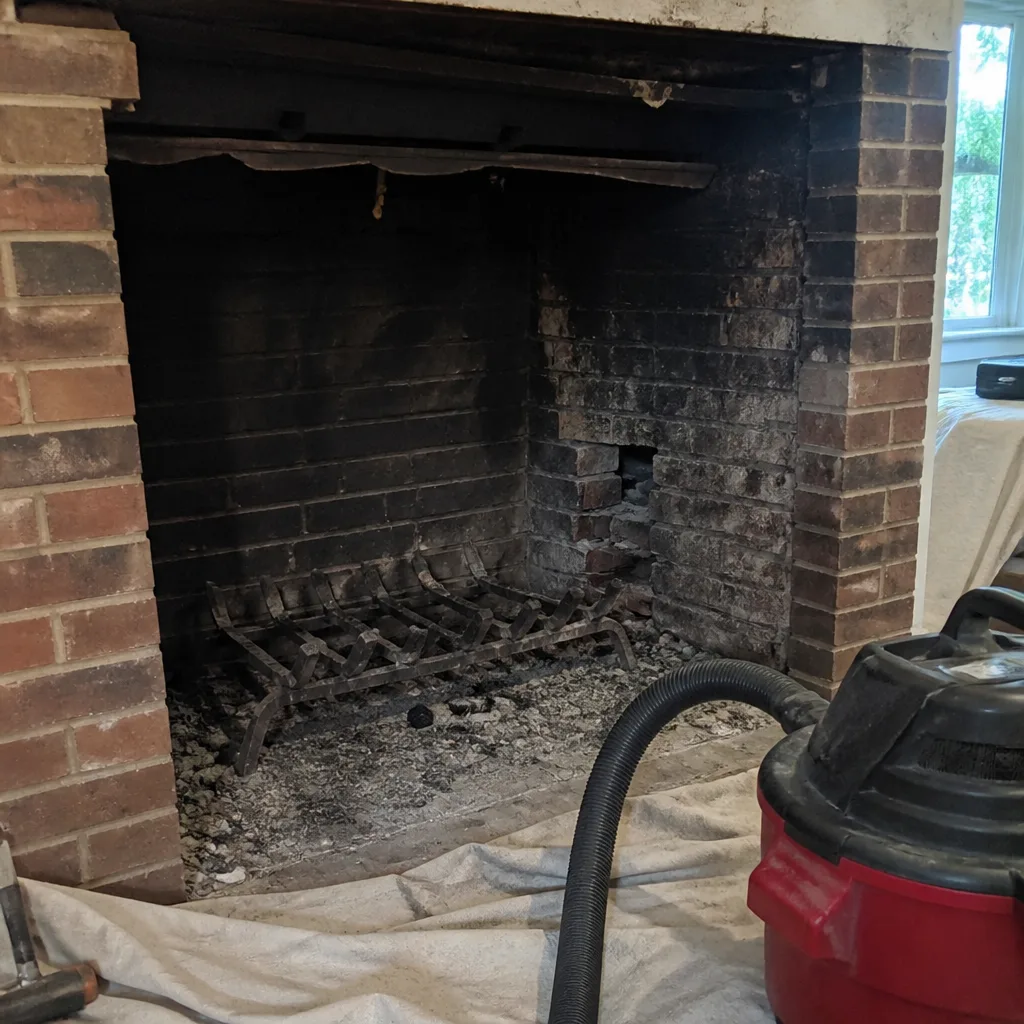 Before
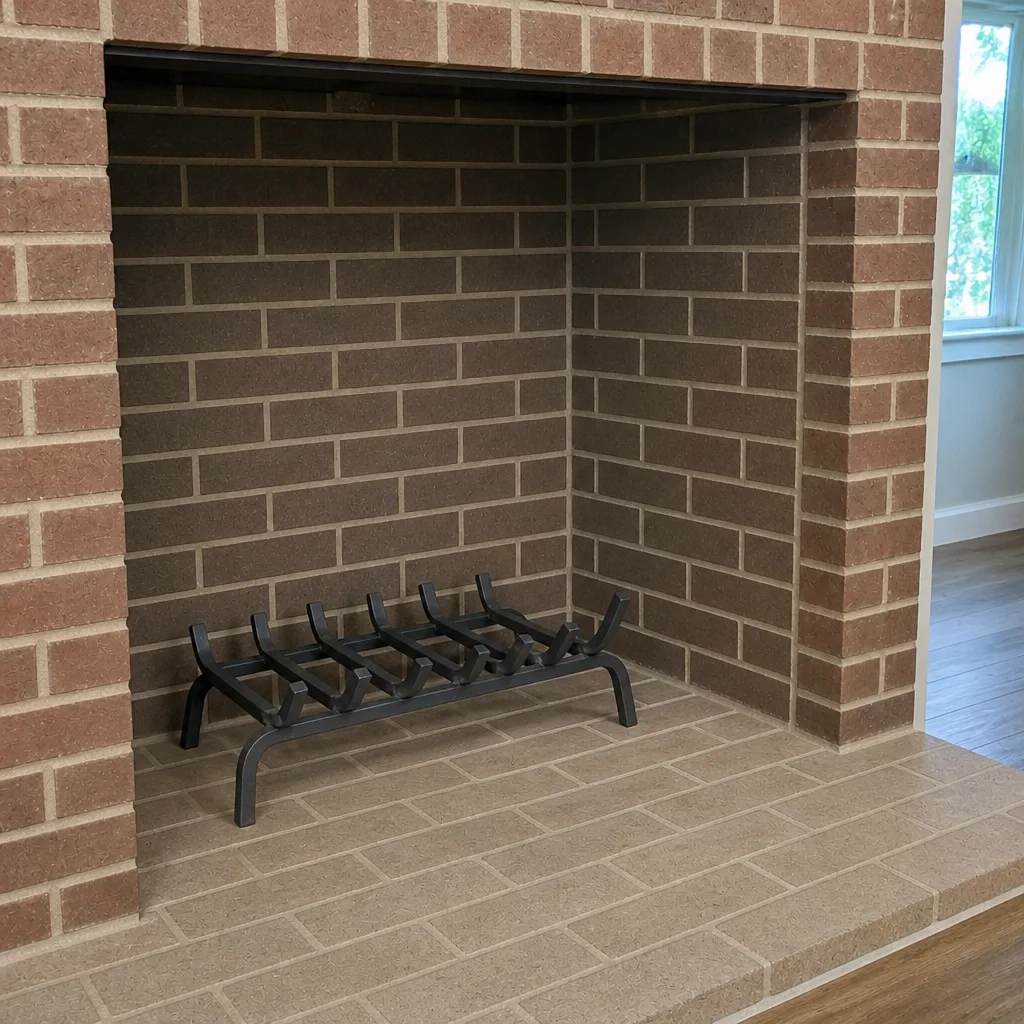 After
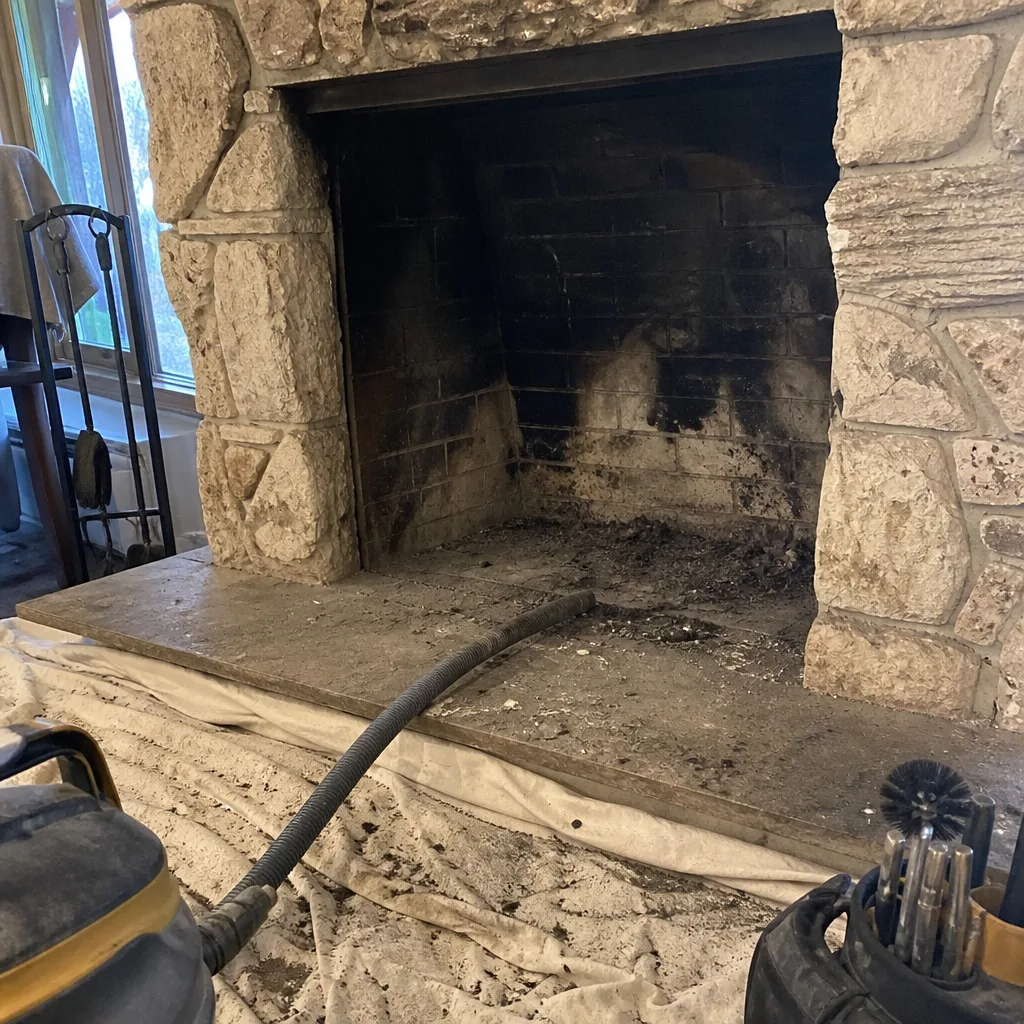 Before
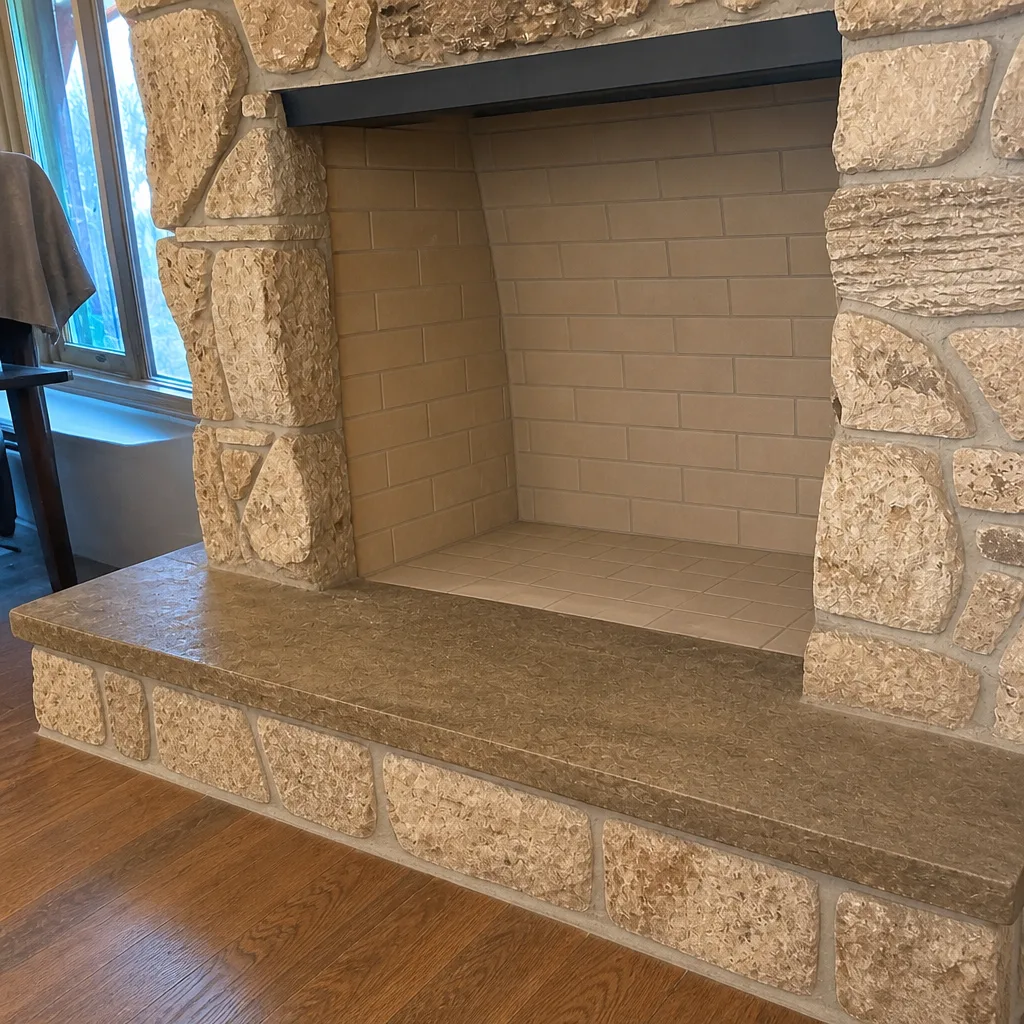 After
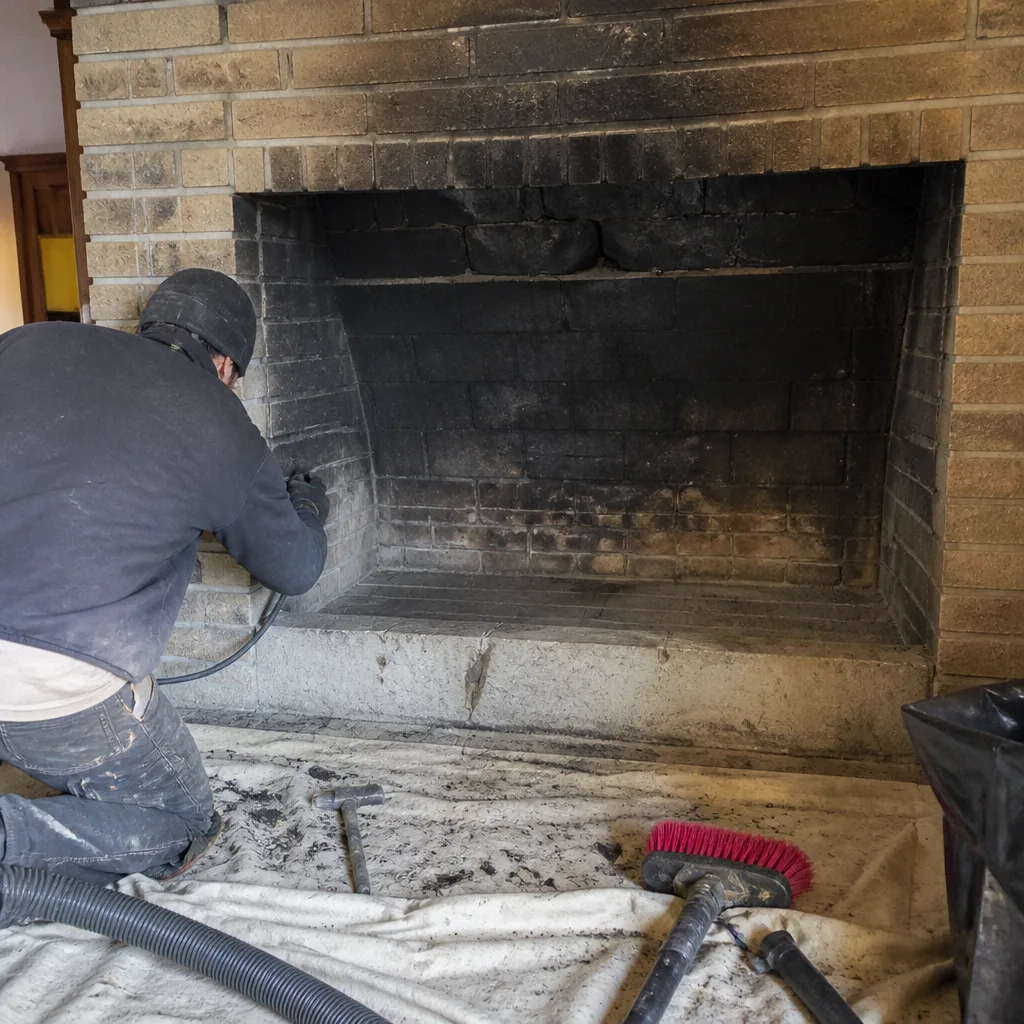 Before
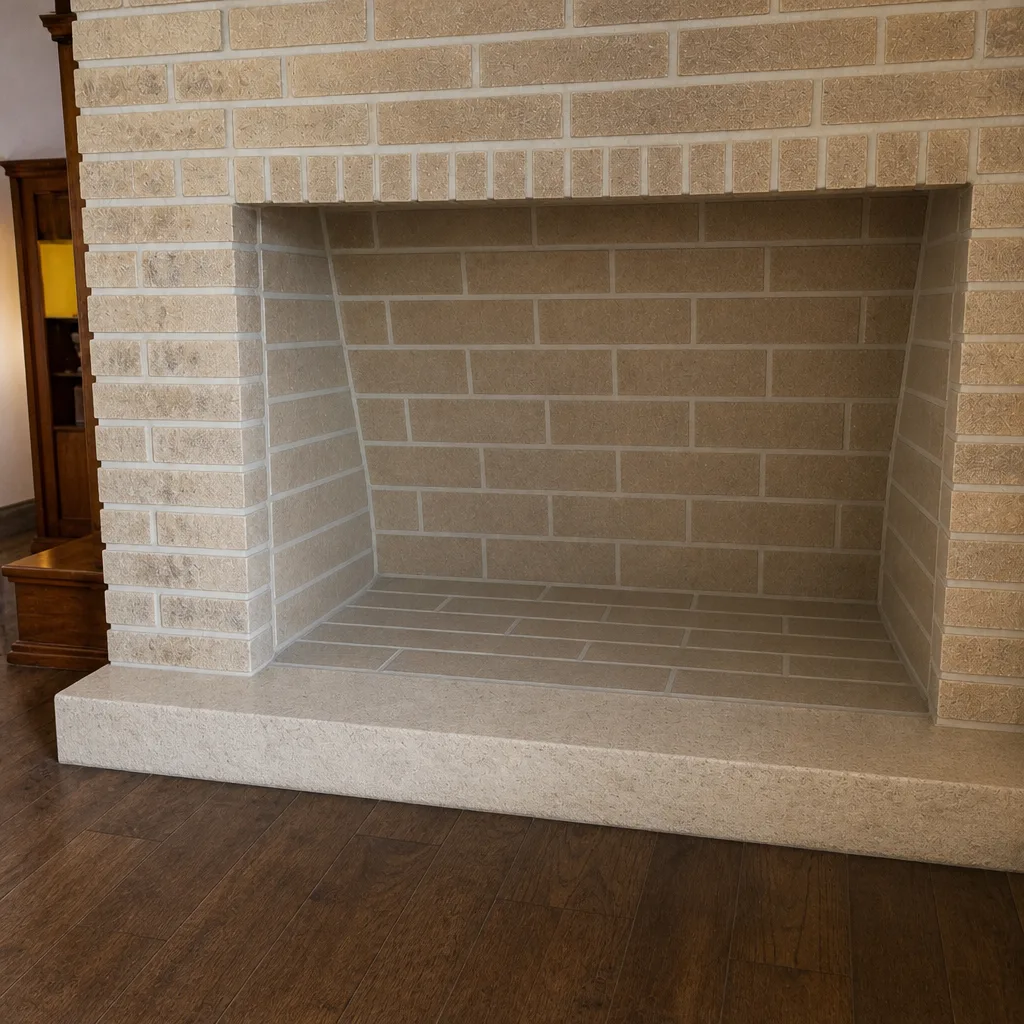 After
When to Call a Professional
Some chimney work is straightforward to assess and some isn’t. Call a professional if any of the following applies to your fireplace this season: you haven’t had a sweep in over a year of regular use; you notice a strong creosote smell in summer heat; smoke rolls into the room when you light a fire; the firebox mortar has visible cracks or soft spots; you’re buying or selling a home and want documentation; or your insurance company is asking for a recent inspection record. Any of those situations warrants a Level 2 inspection with a camera, and most warrant a sweep alongside it. In Fort Collins, Chimney Sweep Fort Collins offers free estimates – call (833) 740-1407. We answer 24/7. Fast dispatch from 7am to 7pm, Sunday through Friday.
Frequently Asked Questions
There isn’t one “best” brand. The right product depends on your liner type and the stage of creosote. Rutland and ACS are the standard creosote treatments for stage 2 deposits; SootEater and Lindemann are the standard rotary brushes for physical cleaning; DuraFlex and HeatShield are the standard repair materials. A specialist should be able to name which brand fits your specific flue, not hand you a single product used on every job. Call (833) 740-1407 for an exact quote – estimates are free.
A standard chimney sweep in Fort Collins typically runs somewhere in the range most local specialists quote for the same scope of work, and the written estimate sets the final price. Price will vary with the number of flues, the level of creosote, and whether an inspection is bundled in. Call (833) 740-1407 for an exact quote – estimates are free.
Most wood-burning chimneys should be swept once a year under regular use, and more often if the creosote is building up faster than that. A wood stove used as a primary heat source often needs two sweeps a year. Gas inserts see less creosote but should still be inspected annually for venting issues. Fort Collins winters push a lot of hours into the flue, so don’t assume a spring cleaning is enough if you burn into March. Call (833) 740-1407 to book a sweep.
Creosote builds up in the flue, and stage 3 glazed creosote is flammable. It’s the fuel that chimney fires burn, and it can’t be removed with a chemical treatment. Skipping the sweep also means small liner cracks go unnoticed until smoke finds its way into the house or carbon monoxide becomes a risk. A yearly sweep is cheap insurance against both. Call (833) 740-1407 for an exact quote – estimates are free.
Only if the camera shows a crack, gap, or deterioration that makes the current liner unsafe. A sweep who recommends a liner without showing you the footage hasn’t proven anything. Ask to see the video before you approve the work. Sometimes the answer is “the liner is fine, the crown needs sealing.” That’s the kind of honest answer you’re paying for. Call (833) 740-1407 to schedule a camera inspection.
No. Hardware-store brushes use thin wire and flexible rods that can’t reach the full flue at proper pressure, and they often polish creosote rather than remove it. DIY cleaning on a clay liner also risks cracking tiles if the brush catches an edge. For a Fort Collins home, the risk of damaging the liner is higher than the savings. Call (833) 740-1407 to book a professional sweep.
The Bottom Line
The brand of products a sweep uses is a proxy for how seriously they take the job. Professional-grade brushes, rotary systems, cameras, and named repair materials all signal the same thing: this is someone who buys the right gear on purpose, not the cheapest gear on the shelf. When you’re evaluating a sweep in Fort Collins, ask about brands by name. Listen for specifics about liner type, creosote stage, and camera equipment. A clear answer tells you more than any review score. If a company can’t name the products going into your flue, you can’t verify what you paid for.
For a sweep, inspection, or repair with products we’re willing to put our name behind, call Chimney Sweep Fort Collins at (833) 740-1407 for a free estimate. We answer 24/7. Fast dispatch from 7am to 7pm, Sunday through Friday. Visit Chimney Sweep Fort Collins to see the full service lineup and book online.
Written by the team at Chimney Sweep Fort Collins.