
Last updated November 16, 2026
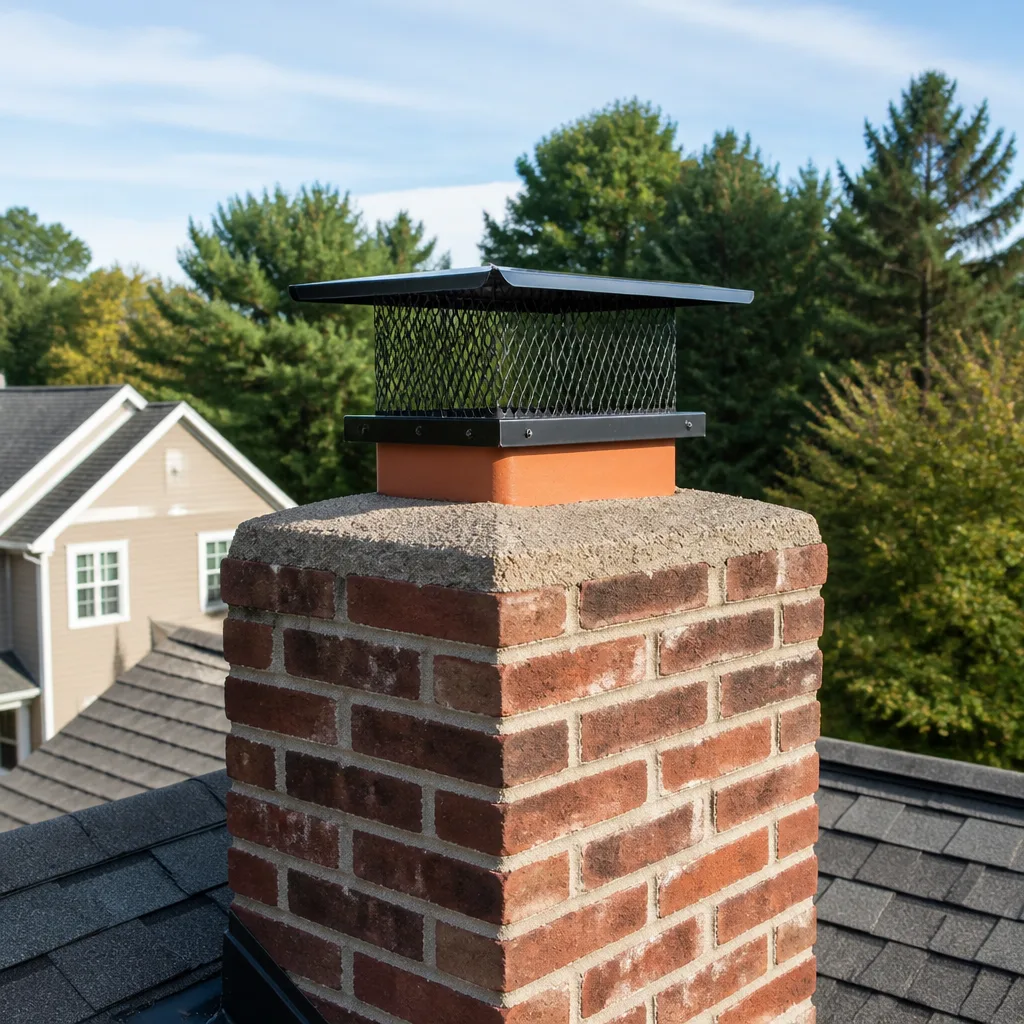 Sweep & inspection
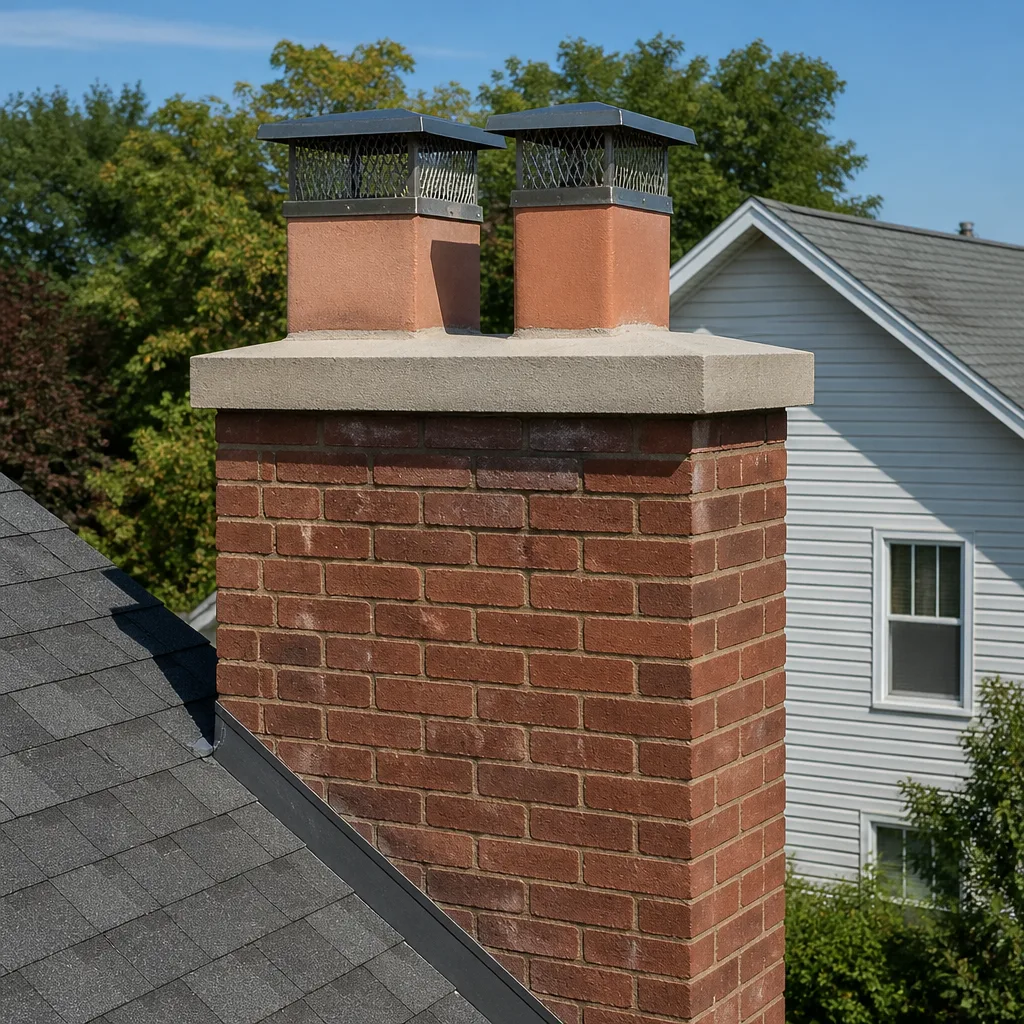 Caps & crowns
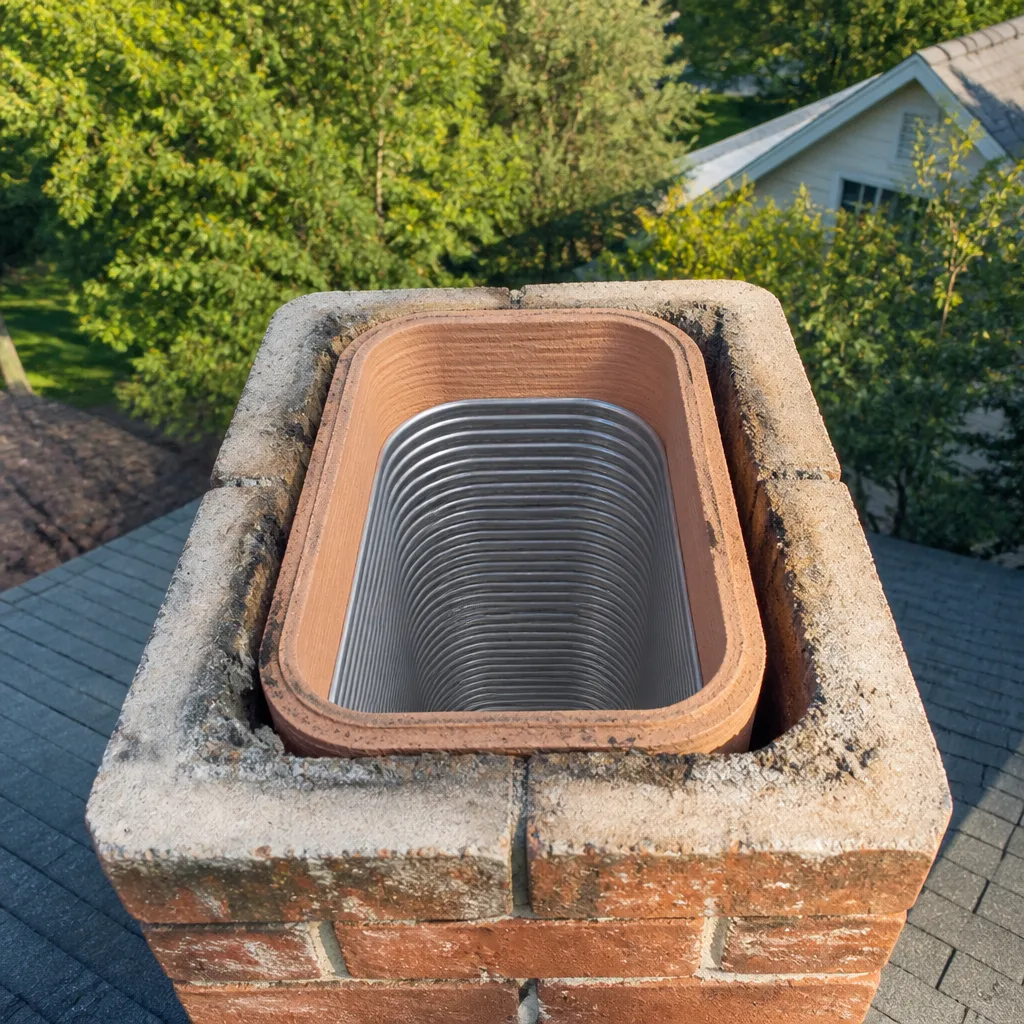 Flue relining
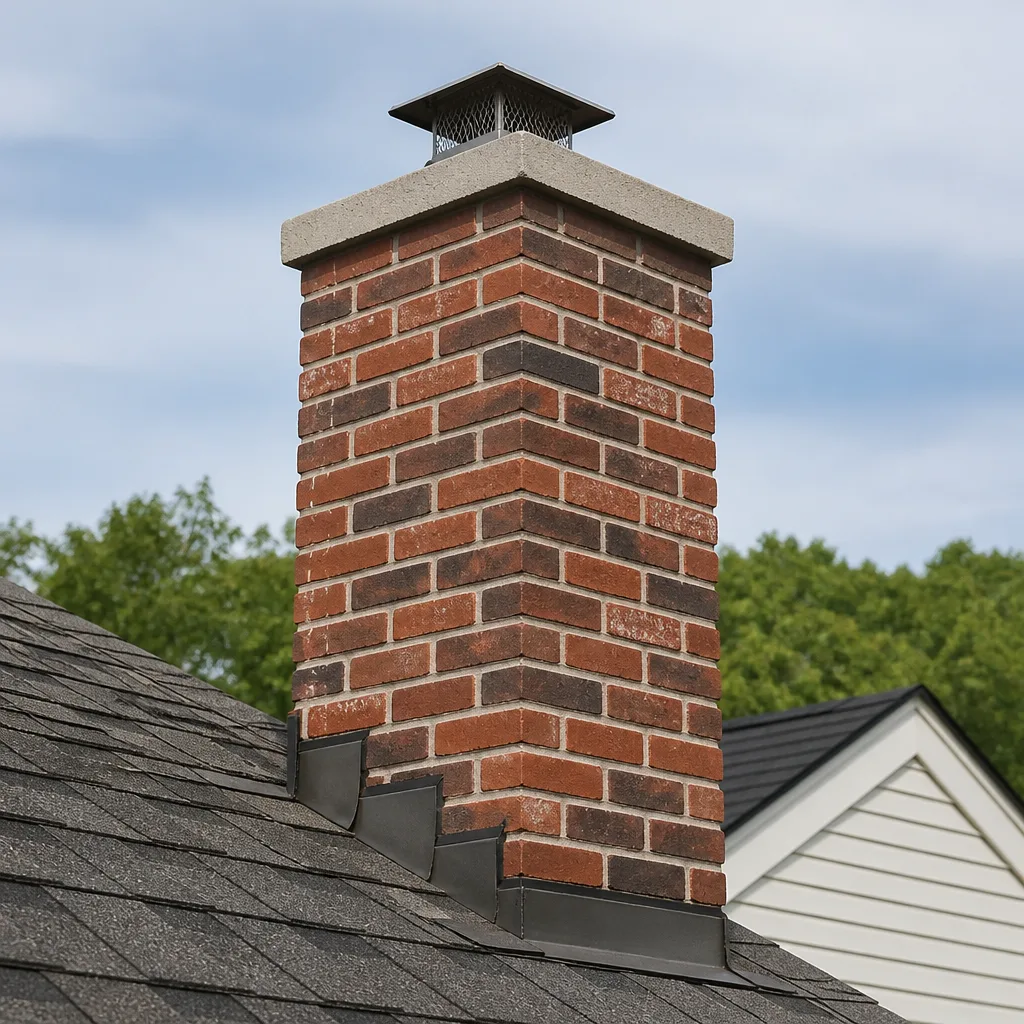 Masonry repair
 Gas fireplace service
Level 1 sweep and inspection to the NFPA 211 annual standard - flue, crown, cap, and flashing checked and photographed
Chimney sweep logs do not sweep chimneys. They loosen some creosote - which then falls where a brush and vacuum still have to collect it.
DIY vs Professional Chimney Cleaning: The Fort Collins Homeowner’s Decision Guide
Most homeowners who ask whether they can clean their own chimney are really asking a different question: is my chimney dirty enough that a brush kit won’t cut it? That’s the right instinct, because the answer depends far less on how handy you are and far more on what’s actually coating the flue. A light dusting of soot and a glazed, tar-like shell are two very different problems, and only one of them responds to a consumer brush. This guide walks through the three stages of creosote, the equipment professionals actually use, what you can safely handle yourself between cleanings, and where the line sits for a Fort Collins home. You’ll finish knowing which side of that line your chimney is on.
Quick Answer
DIY chimney cleaning only works safely for light, Stage 1 creosote deposits, and only with the right brushes and containment. Once deposits reach Stage 2 or Stage 3, no consumer kit can remove them, and brushing over them creates a false sense of safety. In Fort Collins, where burn seasons run long and piñon and juniper firewood are common, most chimneys that haven’t been swept in a year or more are past the DIY threshold, so a professional sweep and inspection is the safer call.
Styles & brands we work with
- Sweep & inspection
- Caps & crowns
- Flue relining
- Masonry repair
- Gas fireplace service
Table of Contents
- The Three Stages of Creosote: Identify What’s in Your Flue
- What a Chimney Brush Kit Can and Can’t Do
- The Equipment a Professional Sweep Actually Uses
- What Fort Collins Homeowners Can Safely Do Between Cleanings
- The Insurance and Documentation Angle Most Guides Skip
- How to Extend the Time Between Professional Cleanings
- Fort Collins Climate, Wood Choice, and Chimney Wear
- When DIY Stops Being an Option
The Three Stages of Creosote: Identify What’s in Your Flue
Creosote forms when wood smoke cools before it leaves the flue. Unburned gases condense on the chimney walls, and depending on temperature, fuel moisture, and how much air the fire gets, those deposits land somewhere on a three-stage scale. The stage matters more than the thickness, because each one behaves differently under a brush.
Stage 1: Soot and Flaky Deposit
Stage 1 is the lightest form: a thin, dusty, flaky coating you can often see with a flashlight pointed up the flue. It brushes off easily and doesn’t carry the same ignition risk as the heavier stages. If your chimney was swept last season, burned dry, well-seasoned wood, and only saw moderate use, this is the most likely condition you’ll find. Stage 1 is where a homeowner with the right equipment and a healthy respect for ladder work has the most room to operate, and even then, an annual professional inspection still matters.
Stage 2: Crusty, Brittle Buildup
Stage 2 creosote is harder, darker, and crusted onto the flue wall. It doesn’t flake off with a light brush pass. It clings, and it burns hotter than Stage 1. A standard consumer brush will skim the surface and leave the rest in place, which is exactly the false-comfort trap: the flue looks cleaner from below, but the fuel load hasn’t gone anywhere. Stage 2 usually calls for rotary equipment or chemical treatment, and that’s a professional job.
Stage 3: Glazed, Tar-Like Creosote
Stage 3 is the dangerous one. It looks like hardened tar or black glass fused to the flue wall. It’s dense, it’s highly combustible, and no consumer brush will touch it. This stage calls for chemical creosote remover followed by rotary cleaning and, often, a camera inspection to confirm the flue is intact underneath. If you shine a light up your flue and see a shiny, glassy surface reflecting back, stop and call a professional.
How to Tell Which Stage You Have
- Shut the damper and let the firebox cool completely, at least 24 hours.
- Open the damper and shine a strong flashlight up the flue from the firebox.
- Look at the texture, not the color: dusty and flaky means Stage 1; crusty and brittle means Stage 2; shiny and glassy means Stage 3.
- Check the smoke chamber just above the damper, where deposits often concentrate first.
- If you can’t see clearly or the flue is offset, that’s already a reason to bring in a camera inspection.
One more thing worth knowing: creosote doesn’t stay in one stage. A Stage 1 coating that sits through a hot, dry summer can harden into Stage 2 by the next heating season. If it’s been a while since your last chimney sweep, the deposits may have progressed further than you expect.
What a Chimney Brush Kit Can and Can’t Do
The chimney brush kit sold at hardware stores is a maintenance tool. It’s designed to knock loose soot and light Stage 1 deposits off the flue walls between professional cleanings. That’s a legitimate job, and it’s the reason these kits exist. What the kit is not designed for is the glazed, tar-like creosote that actually causes chimney fires.
Here’s what a typical consumer kit can handle:
- Loose soot and ash inside the firebox and smoke shelf.
- Light Stage 1 flaky deposits on straight, accessible flue sections.
- Surface dusting on the damper and firebox walls.
Here’s what it can’t:
- Stage 2 crusted creosote, which requires rotary action or chemical softening.
- Stage 3 glazed creosote, which no brush removes.
- Offset or angled flues, where a straight brush won’t follow the bend.
- Containment: consumer kits scatter soot through the living space unless you seal the firebox opening completely.
- Verification: even after a thorough DIY pass, you have no way to confirm the flue liner is intact or that no deposits remain in the smoke chamber.
The trap is subtle. A homeowner runs a brush up a Stage 2 flue, sees less black coming back down, and concludes the chimney is clean. It isn’t. The crusted layer is still bonded to the wall, still combustible, and now looks less alarming than it did. We’ve seen this pattern in Fort Collins more than once, and it’s the single biggest reason a brush kit can be worse than no cleaning at all. A close look at your chimney repair options before the next burn season is the better move when the deposits look heavy.
The Equipment a Professional Sweep Actually Uses
A professional sweep doesn’t carry a fancier version of the hardware store brush. The equipment is in a different category entirely, and each piece solves a specific problem that consumer tools can’t. This is what a professional setup looks like.
Rotary Cleaning Systems
Instead of a hand-pushed brush, a professional sweep uses a rotary system: a spinning brush or whip head driven by a drill or motorized unit. The rotation scrubs the flue wall rather than just scraping it, and it removes Stage 2 crust that a straight brush slides over. Rotary heads come in different stiffnesses and shapes, which lets the sweep match the tool to the deposit stage and the flue’s actual geometry.
HEPA-Contained Industrial Vacuums
Soot is fine and it travels. A professional vacuum running HEPA filtration pulls the dust into containment as the brush works, so the living room, the furniture, and the air in the house stay clean. Consumer shop vacuums don’t have the sealed filtration to manage fine soot, and running one during a sweep often makes the mess worse, not better.
Inspection Cameras
This is the equipment gap that matters most for decisions. A professional inspection camera goes up the flue and shows the sweep what’s actually there: the deposit stage, cracks in the liner, gaps at joints, missing mortar in the smoke chamber. That camera is what separates a cleaning from a cleaning plus a real diagnosis, and it’s the reason a professional can tell you what stage of creosote you’re dealing with before deciding on treatment. For Fort Collins homes with older masonry chimneys, a camera inspection before a Fort Collins burn season often reveals liner issues that no amount of brushing from below would expose.
Chemical Creosote Removers
For Stage 3, the treatment isn’t just mechanical. Professional-grade chemical creosote removers soften the glazed deposit so it can be rotary cleaned without damaging the flue. Consumer versions exist, but the professional application uses compounds and dwell times matched to the deposit, and it’s followed by a camera check to confirm the flue is sound.
What Fort Collins Homeowners Can Safely Do Between Cleanings
Staying involved with your own chimney is fine, and it’s actually smart, as long as you stay on the side of tasks that don’t require the professional toolset. These are the jobs you can legitimately handle yourself between sweeps. They extend the interval between cleanings, but they don’t replace them.
Ash Removal
Empty the ash pan and shovel out the firebox regularly. A thick ash bed insulates the fire and can actually increase creosote formation by keeping flue gases cooler than they should be. Keep a shallow ash layer of an inch or so as a bed, and remove the rest. Bag the ash and let it cool outdoors for at least a couple days before disposing of it, because ash can hold embers for a long time.
Firebox Visual Inspection
Once the firebox is cool and empty, look at the firebrick and the mortar joints. Hairline cracks in the firebrick that don’t go through are often normal wear. Cracks that reveal gaps, crumbling mortar, or missing chunks of firebrick need a professional look, because they can let heat reach the structure behind the firebox. This is where a specialized resurfacing material like HeatShield comes in, and it’s a fix a generalist shouldn’t attempt with refractory cement from a tub.
Exterior Cap and Crown Check
From the ground with binoculars, check the chimney cap and the concrete crown at the top. Look for a missing or damaged cap, a cracked crown, or visible staining on the exterior brick. A cap that’s come loose lets water and animals into the flue, and a cracked crown does the same. Both are simple professional repairs, and both are worth catching before winter.
What’s Off Limits
Stay off the roof. Ladder work on a pitched roof near a chimney is one of the more dangerous DIY tasks a homeowner can take on, and the consequences are severe. And never open a firebox, remove a damper, or attempt any work inside a gas appliance’s flue. Gas appliances need a trained professional, and carbon monoxide is a real risk if that work is done wrong.
The Insurance and Documentation Angle Most Guides Skip
Here’s the part that rarely gets mentioned in DIY vs professional debates: insurer scrutiny of chimney fire claims has tightened. When a claim comes in for a chimney fire, adjusters increasingly ask for cleaning and inspection records. If you’ve been brushing your own flue for years and have no documentation, that gap can complicate a claim. The question isn’t whether you cleaned, it’s whether you can show that the chimney was professionally inspected and maintained.
A professional sweep gives you a paper trail: a written report with the inspection findings, the cleaning date, and any recommended repairs. For Fort Collins homeowners who plan to sell, that record also matters at listing. Buyers’ inspectors look for chimney condition reports, and insurers on the buyer’s side often want to see one before binding coverage.
This doesn’t mean every DIY task is a liability hazard. Ash removal and firebox checks don’t need documentation. But the annual cleaning and inspection, the part that demonstrates a maintained system, is where the professional record pays off. If you’re ever unsure how a home sale or insurance question will play out, ask your insurer directly and get their answer in writing, then keep your inspection reports alongside your policy.
One more practical note: if you decide to move forward with professional cleaning and inspection, keep the report. Most Fort Collins homeowners file it with their real estate documents without thinking about it, but it’s genuinely useful for insurance. It’s a small habit that turns into real leverage if you ever need to make a claim.
How to Extend the Time Between Professional Cleanings
The healthy middle ground that most guides skip: you don’t have to choose between all-DIY and all-professional. You can use DIY maintenance to stretch the interval between professional sweeps, as long as you understand that extension is about fuel and draft, not about skipping the sweep altogether.
Burn Dry, Seasoned Wood
Wet wood is the biggest single driver of creosote. Wood that reads high on a moisture meter burns cooler, produces more smoke, and deposits more on the flue. Split wood and let it season for a year or more, covered but with airflow, before it goes in the firebox. Dry wood burns hotter and cleaner, and the deposits it leaves behind stay closer to Stage 1.
Keep Fires Hot Enough to Draft Well
Cool, smoldering fires are creosote factories. A small fire that smolders overnight sends cool smoke up a cool flue, and cool smoke condenses. A hotter, more active fire with a properly open air control sends hotter gas up and out, and the flue stays cleaner. This doesn’t mean overfiring, which can damage the flue. It means maintaining a clean burn rather than damping the fire down to stretch it.
Reduce the Surface Area You Have to Clean
A chimney cap, a properly working damper, and a clean smoke shelf all help keep the deposit load down. If you haven’t looked at your cap in a while, the start of a burn season is the right time. A missing cap lets rain and snow into the flue, and a wet flue encourages heavier creosote.
Sweep Maintain, Inspect Diagnose
Treat your own light brushing between professional cleanings as maintenance on an already-clean chimney, not as a substitute for the annual professional inspection. The professional sweep is where the diagnosis happens: the camera check, the flue condition, the smoke chamber, the joints. Skip that inspection for a few years and you lose the early warnings that are the whole point of a professional relationship.
Fort Collins Climate, Wood Choice, and Chimney Wear
Fort Collins sits at the edge of the foothills, and the local burn season runs longer than in many parts of the country. Cold snaps arrive early and stay late, and plenty of homeowners in neighborhoods like Old Town, Maple Hill, and the streets west toward Horsetooth run fires well into spring. That longer season stacks up added burning hours, and the chimney accumulates deposits accordingly.
Local firewood choices matter too. Piñon and juniper burn hot and leave dense deposits; softwoods in general produce more creosote than seasoned hardwoods. Front Range firewood is often split and sold before it’s fully seasoned, so buying in fall and letting it dry before burning is a practical move a lot of Fort Collins homeowners have learned the hard way. Ask your firewood supplier for the moisture content, and don’t take “seasoned” at face value.
The climate also drives wear patterns. Freeze-thaw cycles work on the exterior masonry, the crown, and the mortar joints through the winter. A small crack in the chimney crown in fall becomes a bigger one by spring, and water intrusion is the leading cause of masonry chimney deterioration in this region. An annual inspection at the start of the burn season catches those cracks while they’re still small. It also confirms the flue is intact, which is what you want before the first fire.
Building codes in Fort Collins and the surrounding county change periodically, and repairs like liner installation and firebox resurfacing have to meet the code in force at the time of the job. If a job involves a permit, the sweep will know what the building department requires. Don’t guess at that yourself.
When DIY Stops Being an Option
Certain conditions move a chimney from “maintenance territory” to “professional only,” and some of them are easy to miss if you’re not sure what you’re looking at. If any of these describe your situation, professional service is the safe move.
- You see shiny, glazed creosote. That’s Stage 3, and it can’t be DIY-removed.
- The deposits are thick and crusted through the length of the flue. That’s Stage 2, and a brush pass will leave it in place.
- You’ve never had the chimney cleaned. An unknown chimney needs a camera inspection before any cleaning, professional or otherwise.
- The chimney is on an exterior wall of an older home. Older masonry chimneys often need liner evaluation, and the toolset for that is specialized.
- You burn a gas appliance. Gas flues are not a DIY cleaning project at all.
- You’re selling or insuring the home. You need the written inspection report, not just a clean flue.
- The firebox has damaged firebrick or crumbling mortar. That calls for a specialized resurfacing system like HeatShield, not patching compound.
None of these is a reason to panic. They’re the point at which the question changes from “how do I clean this?” to “what condition is the chimney actually in?” That’s the question a professional sweep is built to answer.
Common Mistakes to Avoid
- Brushing a Stage 2 flue and calling it clean. A brush skims the surface and leaves the crust in place. The flue looks better from below but the combustible load is still there.
- Using a shop vacuum instead of a HEPA-contained unit. Fine soot passes straight through a standard filter, and you end up with a fine dust cleaning of the whole room. Professional containment is the reason this matters.
- Skipping the camera inspection. A clean flue is not the same as a sound flue. Cracks and joint gaps are invisible without a camera, and they’re the early warnings that matter most.
- Burning wet firewood to make it last. Wet wood is the single biggest driver of creosote buildup in Fort Collins each winter. Split and season your wood, and buy early enough that it dries.
- Going on the roof without fall protection. Ladder work next to a chimney is a serious injury risk. The chimney isn’t worth a fall.
- Assuming your insurance will cover a chimney fire claim without maintenance records. Adjusters ask for documentation more often than homeowners expect. Keep your inspection reports.
- Using a generalist handyman for firebox repairs. Firebox resurfacing is its own trade with its own materials. A patch with the wrong refractory compound cracks within a season.
See the difference
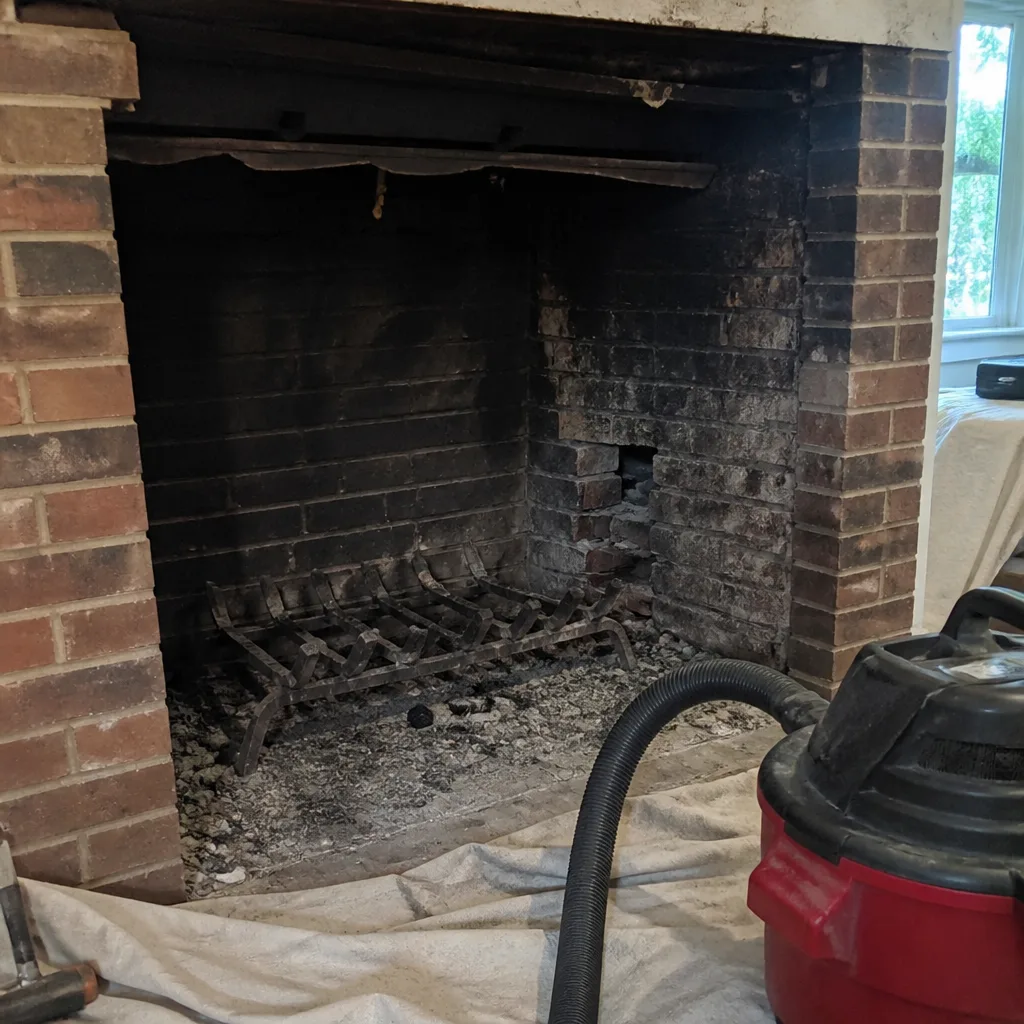 Before
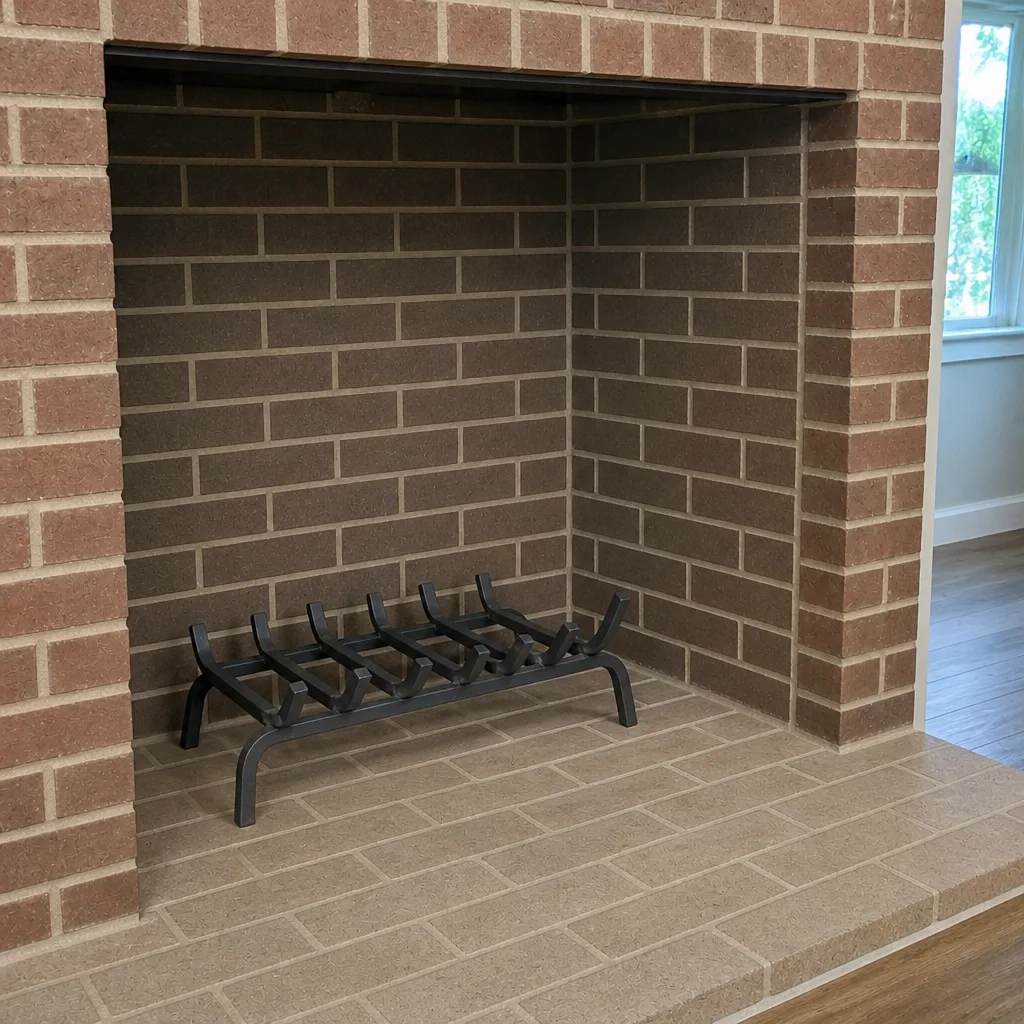 After
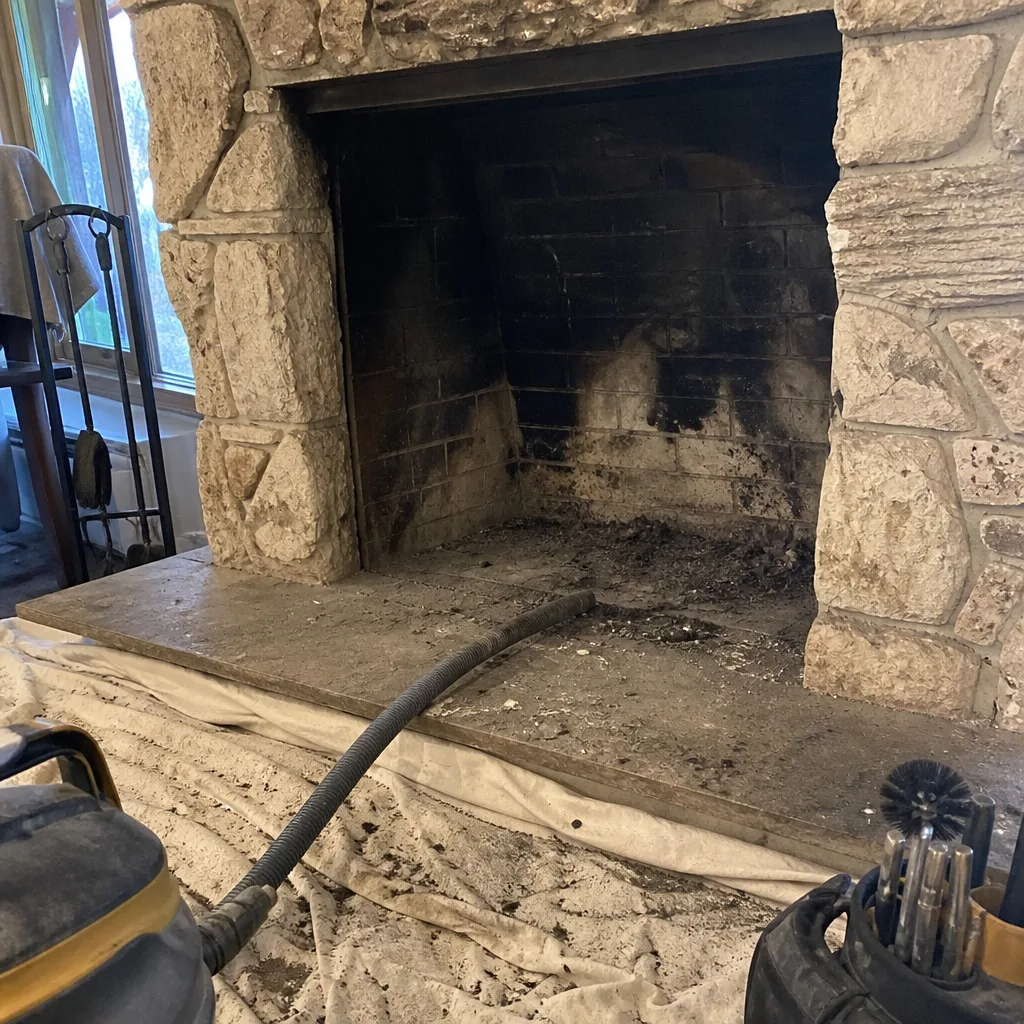 Before
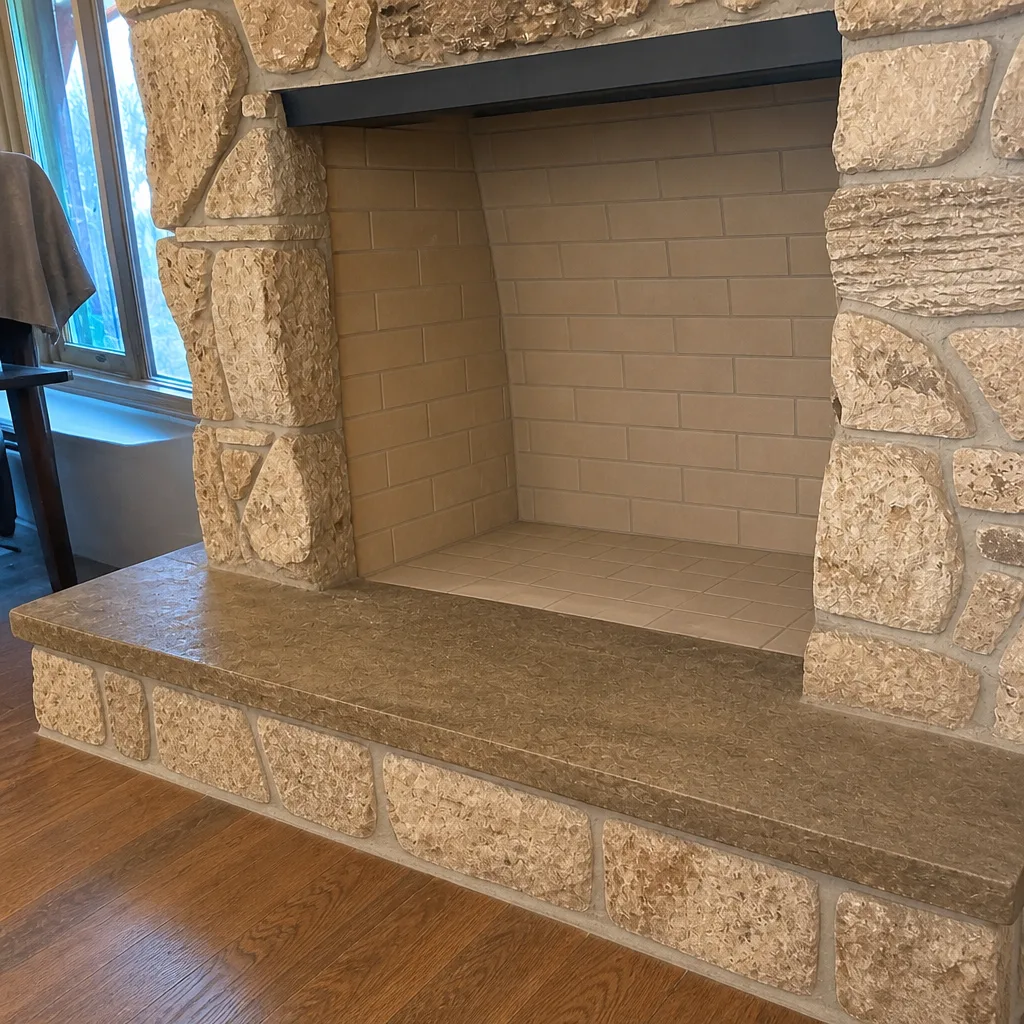 After
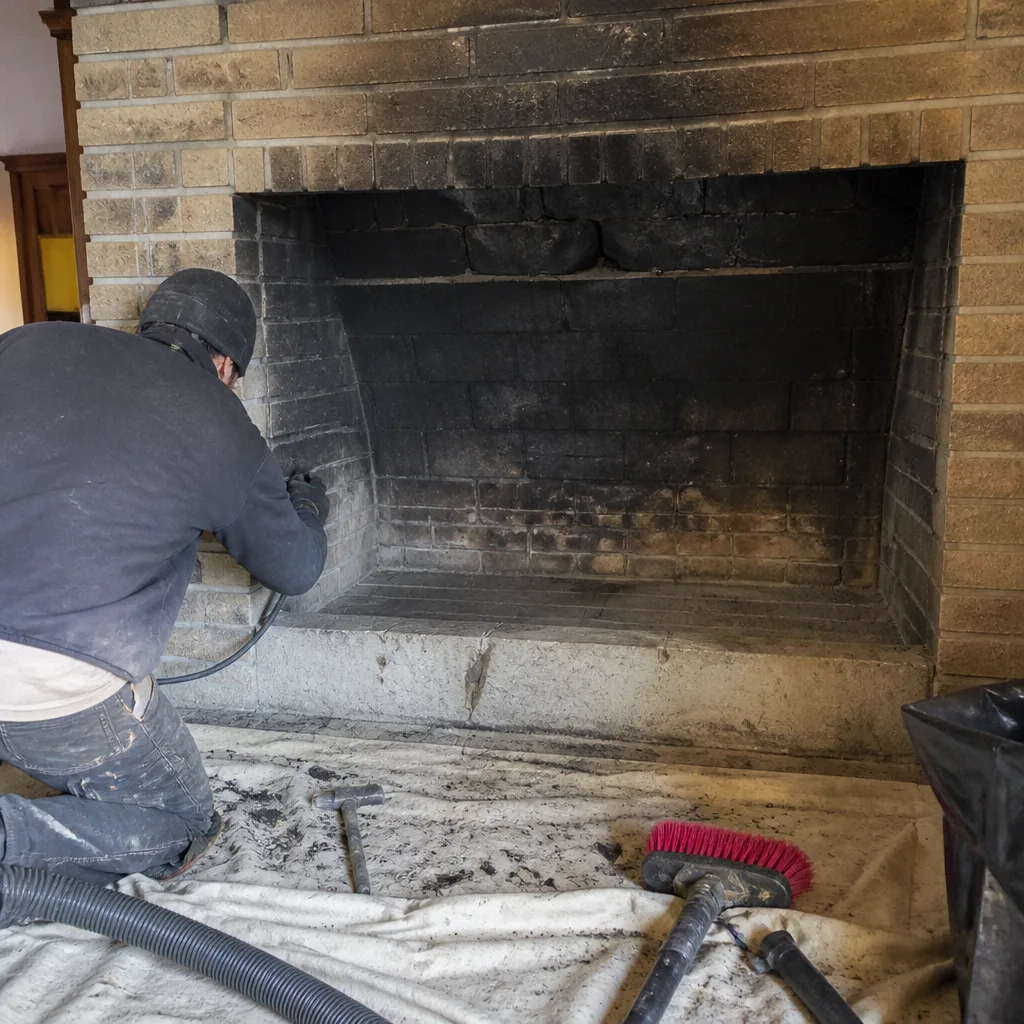 Before
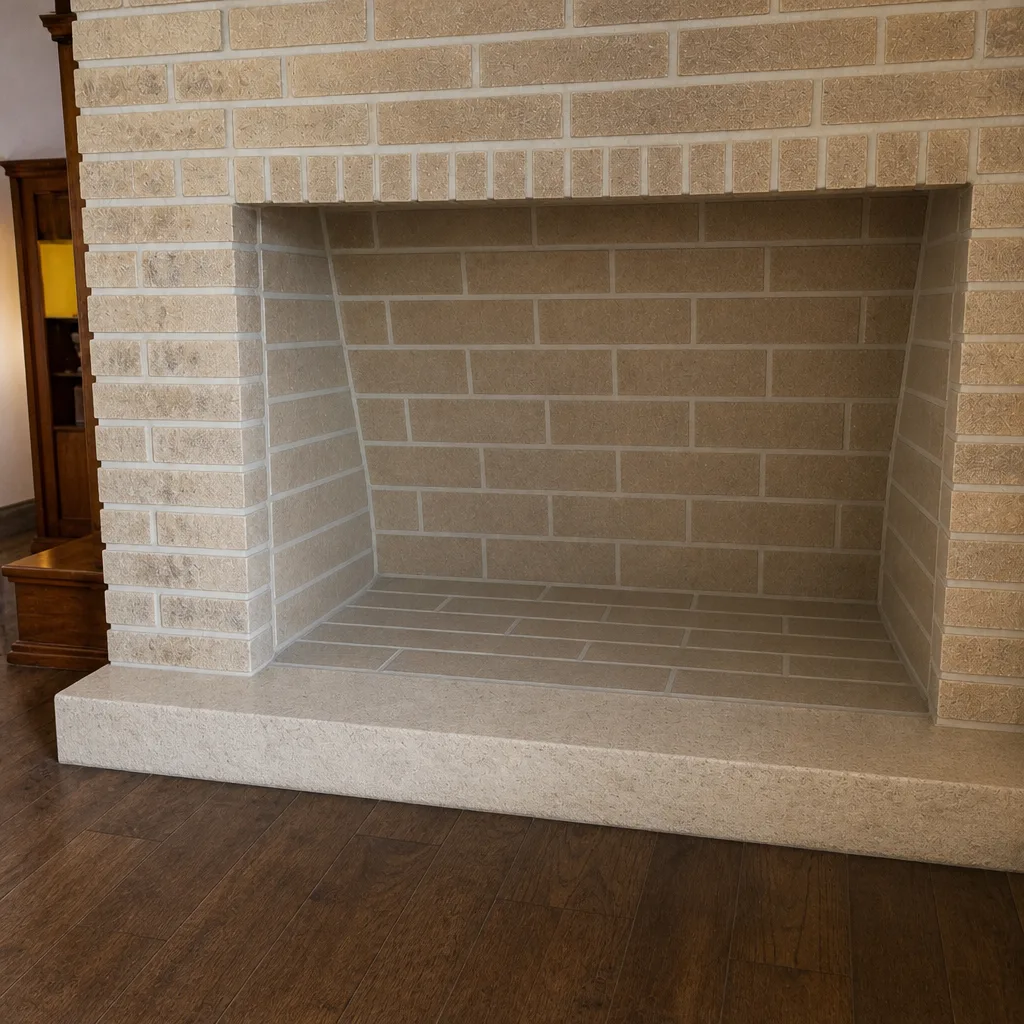 After
When to Call a Professional
Call a professional sweep when you find glazed or crusted deposits, when you can’t clearly see the flue, when the firebox has damaged brick or mortar, when you burn a gas appliance, when you’re buying, selling, or insuring the home, or when it’s simply been long enough that you don’t know the condition of the chimney. Those are the conditions where the professional toolset – rotary cleaning, HEPA containment, inspection cameras, and specialized materials – changes the outcome. Our technicians use professional-grade brands for liners and firebox work, so repairs go in with materials that match the flue, not whatever the hardware store stocks. Chimney Sweep Fort Collins offers free estimates in Fort Collins. Call (833) 740-1407.
Frequently Asked Questions
Yes, if the deposits are light Stage 1 soot and flake, and you use proper containment and stay off the roof. If you see crusted or glazed creosote, or the flue is on an exterior wall of an older home, that’s a professional job. In Fort Collins, the longer burn season means most chimneys that haven’t been swept in a year or more are past the DIY threshold. Call (833) 740-1407 for an assessment and a free estimate.
Shine a strong flashlight up the flue once the firebox is cold. Crusty, brittle buildup on the walls is Stage 2; a shiny, glassy, tar-like surface is Stage 3. Stage 1 is dusty and flaky. If you can’t see clearly because the flue is offset or the light doesn’t reach, a professional camera inspection is the reliable answer. Call (833) 740-1407 to book one.
A professional sweep uses rotary cleaning systems that scrub the flue wall, HEPA-filtered industrial vacuums that keep soot out of the house, and inspection cameras that show the flue’s actual condition. Consumer brush kits don’t have rotary action, sealed containment, or any way to verify liner condition. Those three differences are what separate a cleaning from a diagnosis. Call (833) 740-1407 for a full sweep and inspection.
Coverage depends on your policy, and insurers increasingly look for cleaning and inspection records when a chimney fire claim comes in. DIY cleaning without documentation can complicate a claim, so the safer habit is to keep written professional inspection reports alongside your policy. Check with your insurer directly before you rely on coverage. Call (833) 740-1407 to schedule an inspection that gives you a written record.
Most chimneys benefit from an annual sweep and inspection at the start of the burn season, and that’s the baseline most sweeps recommend. Homes that burn heavily, burn softwoods like piñon, or use the fireplace as a primary heat source may need it more often. The inspection is what tells you for sure. Call (833) 740-1407 to book a sweep before the first fire.
Creosote builds up, and at Stage 2 and Stage 3 it becomes a genuine fire risk inside the flue. The deposits can also restrict the flue’s airflow, which pushes smoke and carbon monoxide back into the home instead of up and out. A chimney fire or a carbon monoxide event is the serious end of that risk, and both are worth taking seriously. Call (833) 740-1407 for a free estimate before the season starts.
The Bottom Line
DIY chimney cleaning isn’t reckless; it’s just clearly bounded. Stage 1 soot responds to a consumer brush kit, and ash removal and firebox checks are legitimate homeowner tasks. Stage 2 and Stage 3 creosote do not respond to consumer tools, and brushing over them does more harm than good. The real decision isn’t about saving money on a sweep. It’s about knowing which stage is in your flue before you decide. A professional inspection gives you that answer, along with the written record that helps with insurance and home sales. Keep the easy maintenance tasks for yourself, get the inspection and heavy cleaning done professionally, and you’ll get more seasons out of a cleaner, safer chimney in Fort Collins.
Call (833) 740-1407 for a free estimate. We answer 24/7. Fast dispatch from 7am to 7pm, Sunday through Friday.
Written by the team at Chimney Sweep Fort Collins.