
Last updated November 16, 2026
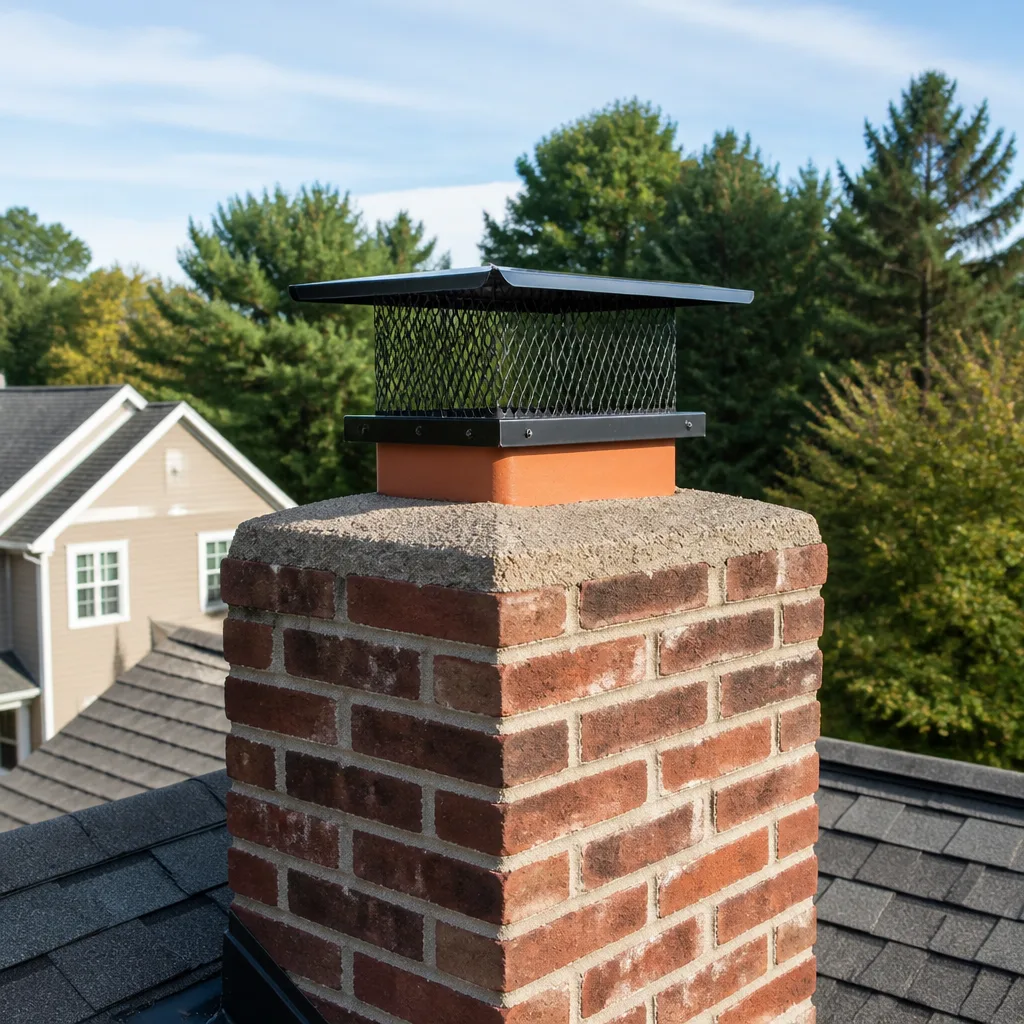 Sweep & inspection
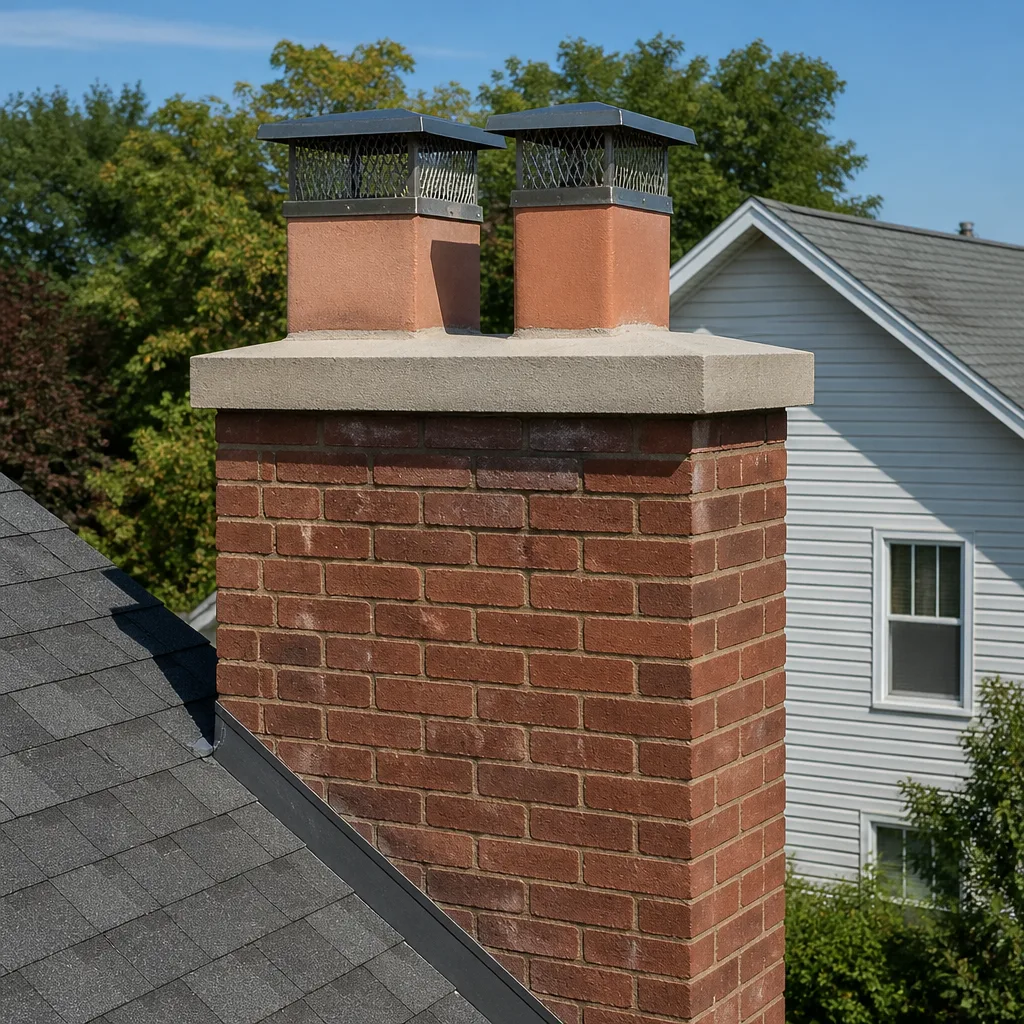 Caps & crowns
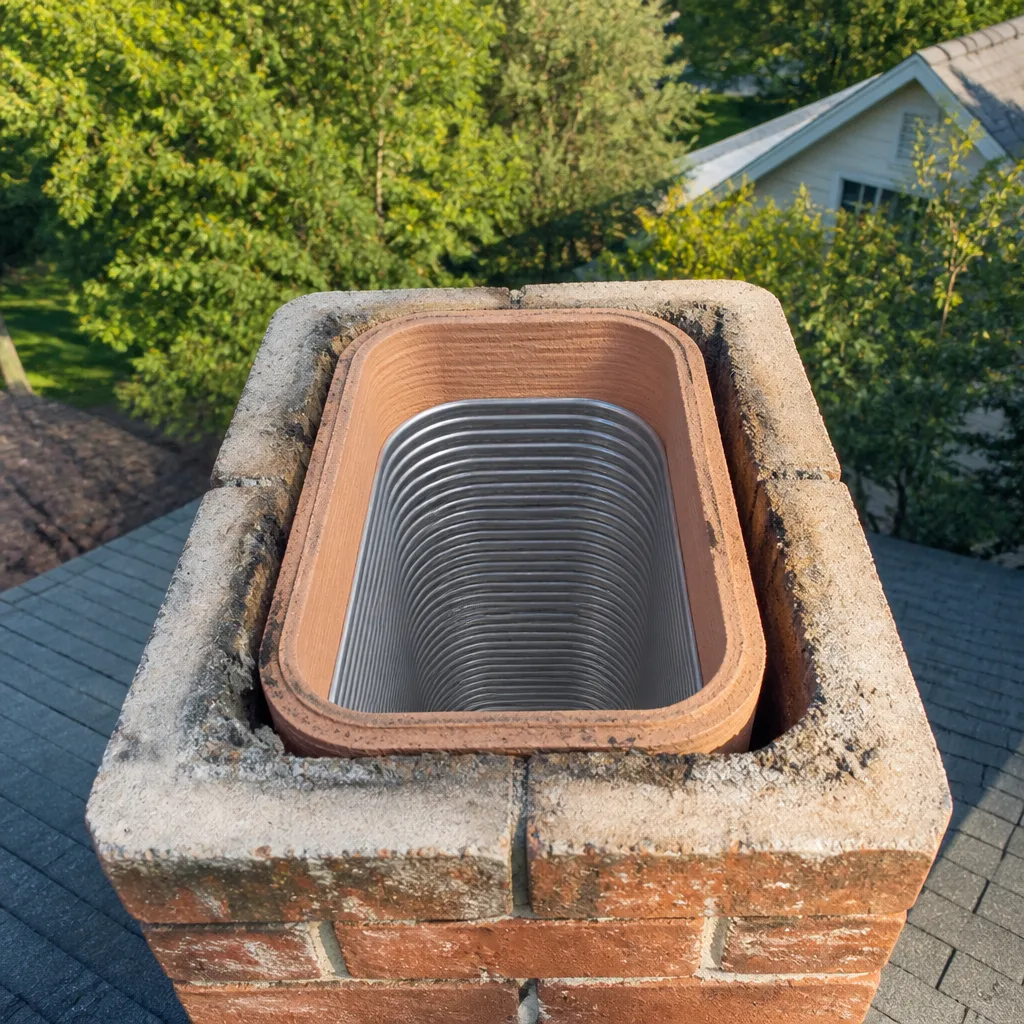 Flue relining
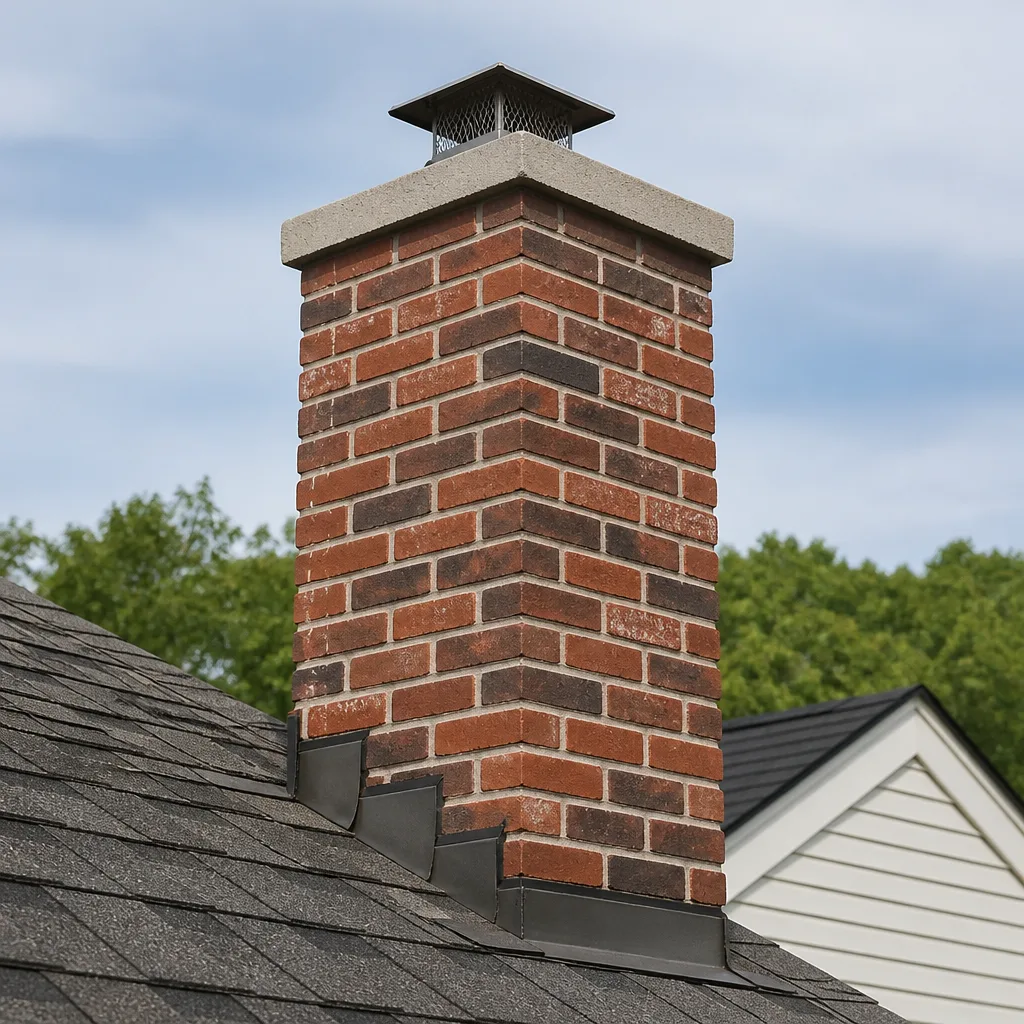 Masonry repair
 Gas fireplace service
Level 1 sweep and inspection to the NFPA 211 annual standard - flue, crown, cap, and flashing checked and photographed
Chimney sweep logs do not sweep chimneys. They loosen some creosote - which then falls where a brush and vacuum still have to collect it.
Seasonal Chimney Cleaning Care for Fort Collins: Year-Round Homeowner’s Guide
The chimney damage most likely to cause a problem in January was set in motion the previous May, when no one was thinking about their fireplace at all. That’s the part most homeowners miss. A chimney doesn’t fail in the cold snap that finally exposes the problem. It fails slowly, through freeze-thaw cycles in spring, moisture intrusion in summer, and a skipped cleaning in fall that leaves creosote to accumulate all winter. Fort Collins sits in a four-season climate that hits a masonry chimney four different ways, and each season calls for a different kind of attention. This guide maps the right maintenance action to each season, so you’re working with what’s actually happening to the chimney rather than a generic spring-and-fall reminder.
Quick Answer
Seasonal chimney care in Fort Collins means matching the work to the season: a post-winter inspection in spring to catch freeze-thaw damage, moisture checks in summer when monsoon storms test the crown and cap, a pre-season sweep in fall before the first hard freeze, and mid-season monitoring in winter if burn volume climbs. A chimney swept and inspected once a year, timed to how you actually burn, stays safer and lasts longer than one cleaned on a random calendar date.
Styles & brands we work with
- Sweep & inspection
- Caps & crowns
- Flue relining
- Masonry repair
- Gas fireplace service
Table of Contents
- Why Fort Collins Chimneys Age by Season, Not by Year
- Spring: The Inspection Window After the Burn Season Ends
- What Freeze-Thaw Cycling Does to Mortar Joints
- Summer: Monsoon Moisture and the Crown That Should Keep It Out
- Fall: When to Book a Pre-Season Sweep Before Demand Spikes
- Winter: Mid-Season Warning Signs Worth Acting On
- Building Your Fort Collins Chimney Calendar
- Common Mistakes to Avoid
Why Fort Collins Chimneys Age by Season, Not by Year
The damage a chimney takes doesn’t happen evenly across the year. It collects in bursts, triggered by weather and by how hard you’re burning. Most homeowners think of chimney maintenance as a single annual task tied to fall. In practice, a chimney in Fort Collins faces four distinct stress periods, and each one leaves its mark in a different place.
Here’s what the seasonal stress actually looks like:
- Winter: heavy burn loads, creosote accumulation, and repeated heating and cooling of the masonry as fires start and die.
- Spring: freeze-thaw cycling as daytime warmth and overnight cold work moisture in and out of mortar and brick.
- Summer: afternoon thunderstorms and monsoon moisture pushing against the crown, cap, and flashing for months on end.
- Fall: the transition back to burning, when a dirty flue meets its first real fire of the year.
The key insight is that the damage that shows up in one season was usually set in motion a season or two earlier. A mortar joint that spalls in a January cold snap was often weakened by water that got in the previous summer and froze and thawed the previous spring. That’s why the smartest approach isn’t “clean the chimney once a year.” It’s “do the right task at the right time, so each season’s damage gets caught before the next one compounds it.” A Fort Collins homeowner who understands this sequence spends less on repairs over time, because small problems get handled while they’re still small.
This is the same reasoning behind a full annual chimney sweep: the sweep itself is the maintenance, and the inspection that comes with it is how you learn what the last season did. We work across the Fort Collins area on exactly this rhythm, and the difference between a chimney on a seasonal plan and one that gets attention whenever the homeowner remembers is usually visible in the masonry.
Spring: The Inspection Window After the Burn Season Ends
Spring is the best time of year to find chimney damage, because it’s the first chance to look at what a full winter of burning actually did. By the time the last fire of the season burns down, the flue has carried months of smoke, the firebox has taken months of heat, and the masonry has been through repeated cycles of warming and cooling. A spring inspection after the burn season ends puts eyes on all of it while the evidence is fresh and the weather is workable.
What a spring inspection should cover:
- The flue interior: a camera inspection shows creosote buildup, glaze, and any cracking in the liner that wouldn’t be visible from the firebox.
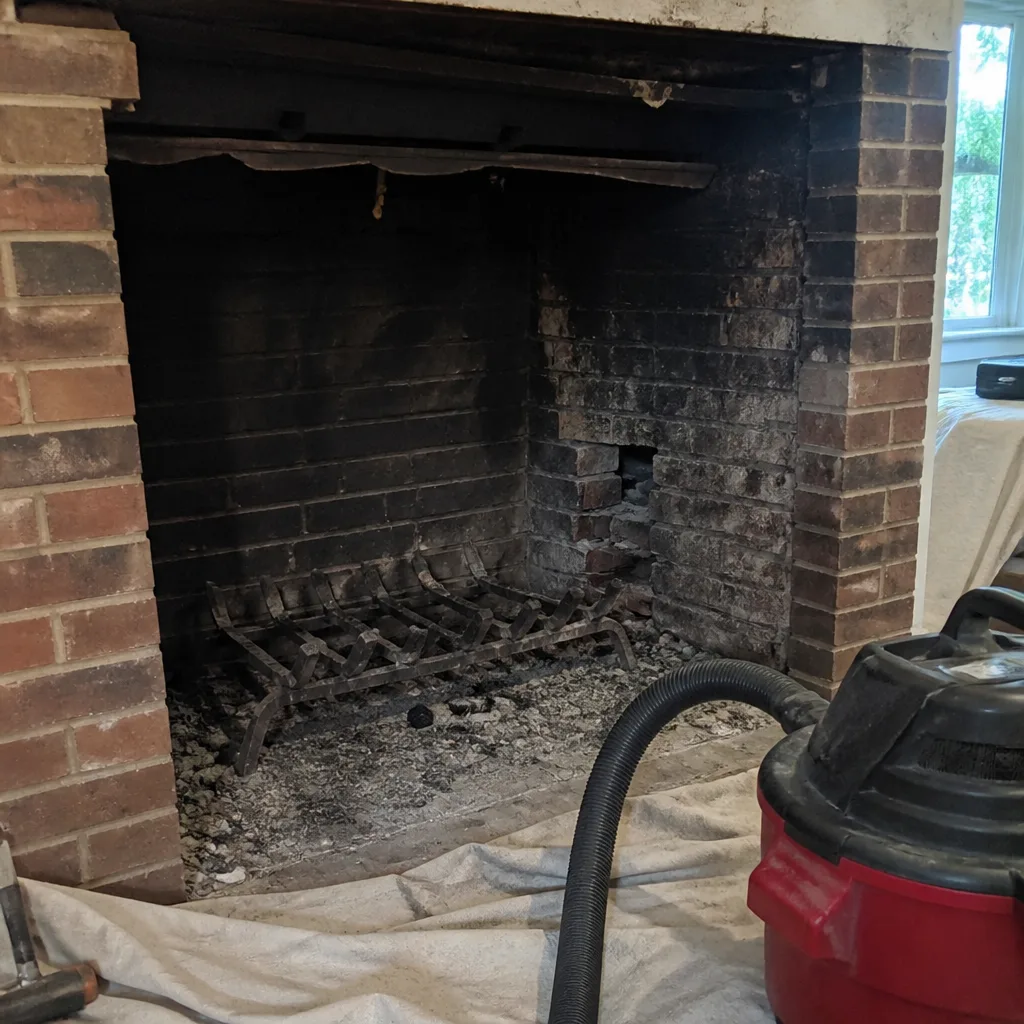
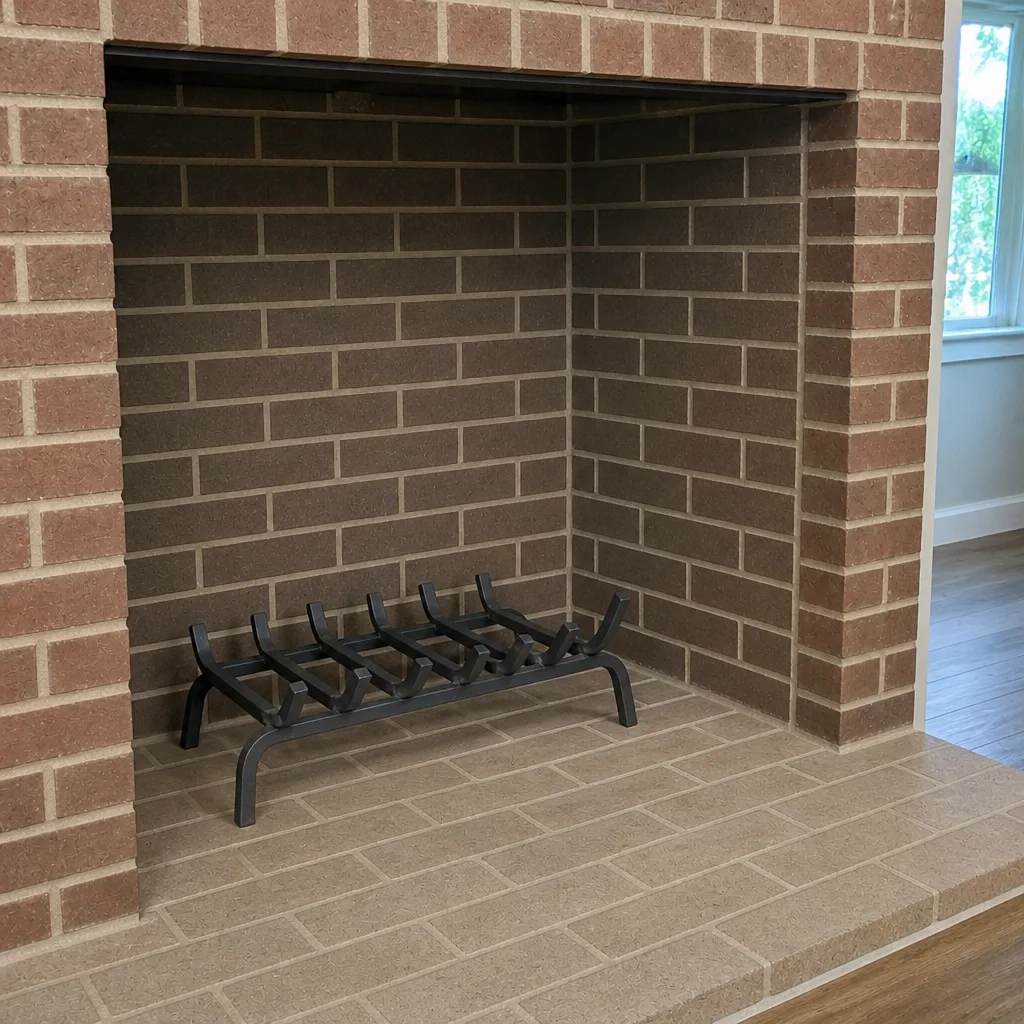
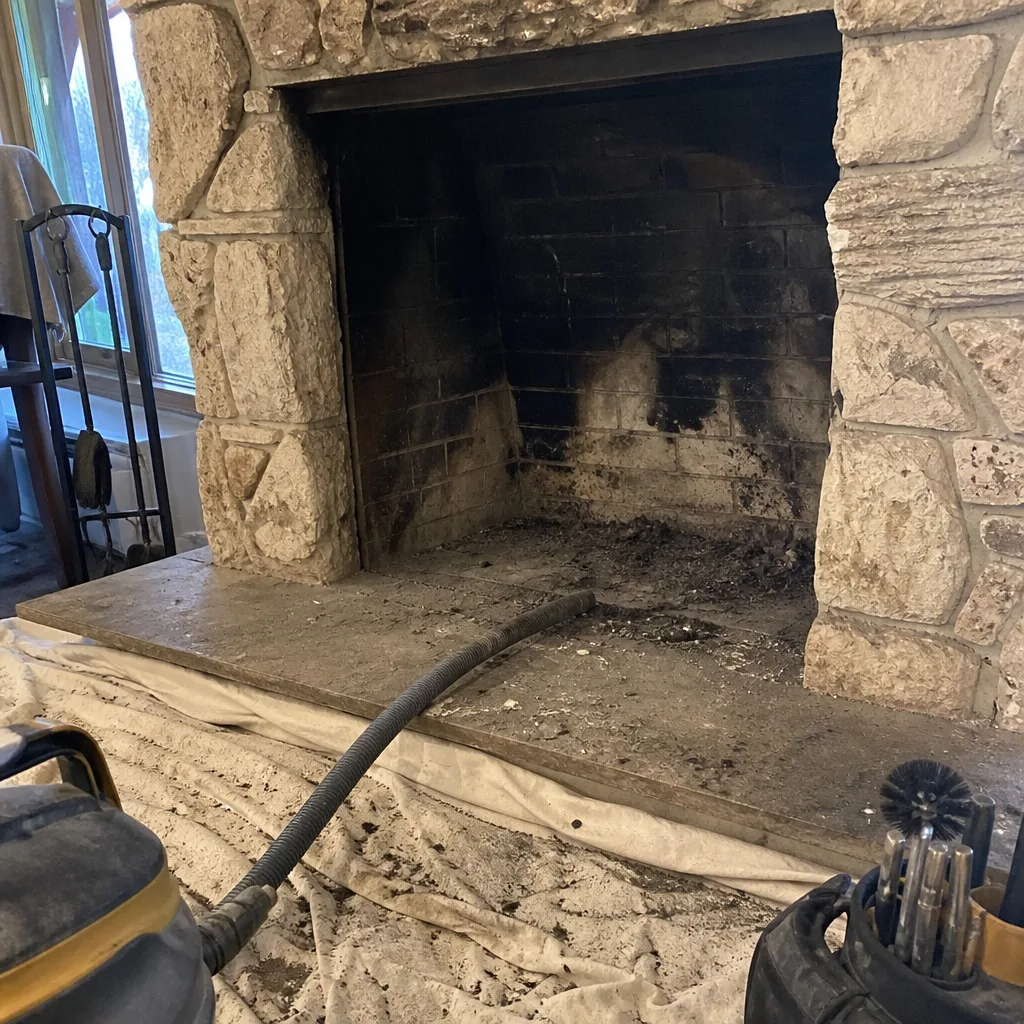
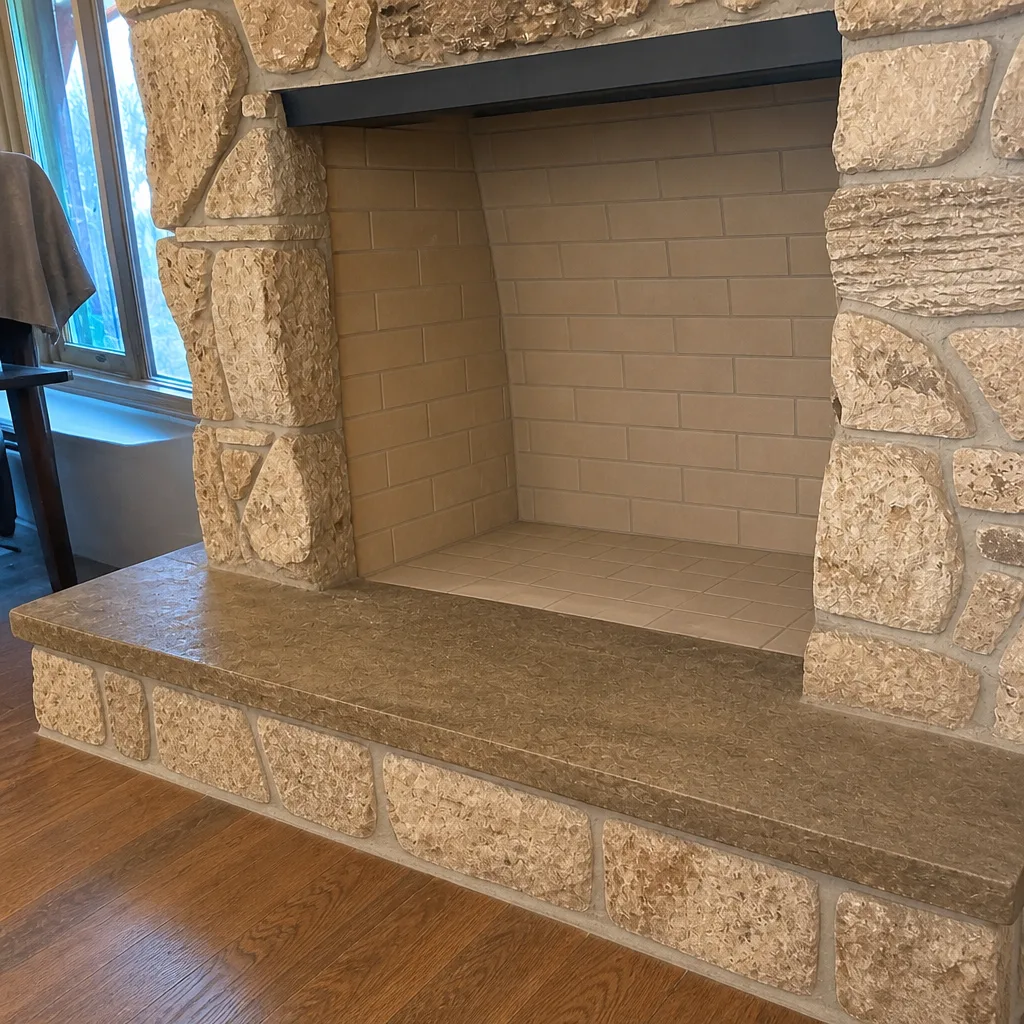
- The firebox: heat and ash take a toll on firebrick and mortar joints. This is where a resurfacing method like HeatShield earns its place, restoring the firebox properly instead of patching over a failing surface.
- The damper: check that it opens, closes, and seals as it should after a season of use.
- Exterior masonry: look at the brick and mortar on the outside of the chimney for cracks, spalling, and loose joints.
- The crown and cap: the top of the chimney takes the most weather, and it’s the part most homeowners never see.
Why spring specifically? Two reasons. First, the damage is new and traceable, so you’re inspecting the results of the season that just ended rather than guessing at old wear. Second, spring work happens before the summer repair rush and before fall’s cleaning demand, so scheduling is easier and problems get fixed well ahead of the next burn season. In our experience, the homeowners who catch the most problems are the ones who look in spring, when the chimney is quiet and the evidence is still legible.
If the inspection turns up something that needs fixing, a spring repair window means the work is done and settled long before you want to light a fire again. That’s the logic behind treating inspection and repair as one continuous relationship rather than two separate errands. You can read more about what repair work involves on our chimney repair page.
What Freeze-Thaw Cycling Does to Mortar Joints
Freeze-thaw cycling is the single biggest driver of masonry wear in Fort Collins, and spring is when it does the most quiet damage. The mechanism is simple: water gets into a mortar joint or a hairline crack in the brick, the temperature drops below freezing overnight, and that water expands as it turns to ice. The expansion pushes the masonry apart slightly. Then it thaws, the water drains or refreezes, and the cycle repeats. Do that dozens of times across a spring of warm days and cold nights and the joint starts to crumble.
What makes Fort Collins particularly hard on masonry is the swing. Daytime warmth followed by overnight cold is exactly the pattern that drives repeated freeze-thaw, and spring delivers it reliably. So does late fall. A mortar joint that would last for many years in a steadier climate can deteriorate faster here because it’s getting worked over and over in a single season.
What to look for on your own chimney:
- Crumbling or sandy mortar: if you can rub mortar out of a joint with your thumb, it’s already breaking down.
- Spalling brick faces: the front of a brick flaking or popping off means water got behind it and froze.
- White staining: a powdery white deposit on the masonry often signals moisture moving through and evaporating.
- Loose or missing mortar chunks: found on the roof or at the base of the chimney, these are a sign joints are failing above.
Repointing failing mortar joints before the next winter is one of the highest-value maintenance tasks a Fort Collins homeowner can do, because it stops the freeze-thaw cycle from eating further into the structure. A joint repaired in spring is protected before the next round of cycling begins. A joint left alone just gets more water in it and breaks down faster the following year. If you’re seeing any of the signs above, it’s worth having someone look before fall.
Summer: Monsoon Moisture and the Crown That Should Keep It Out
Summer looks like the off-season for a chimney, but it’s actually when the most persistent water damage gets its chance. Fort Collins gets afternoon thunderstorms and monsoon moisture through the warm months, and that rain lands on a chimney that’s been sitting unused since spring. The crown and cap are the chimney’s first line of defense, and a summer of storms is the test they have to pass.
Here’s how water gets past a compromised chimney top:
- A cracked crown: the crown is the concrete or masonry cap at the very top of the chimney. Hairline cracks let water seep in, and once it’s inside the masonry it works its way down.
- A missing or damaged cap: without a proper cap, rain falls straight down the flue, and animals and debris get in too. A cap is one of the cheapest protections a chimney has.
- Failed flashing: where the chimney meets the roof, flashing seals the joint. When it lifts or cracks, water runs down the chimney chase and into the house.
- Porous masonry: older brick absorbs water directly, and summer rain keeps feeding it.
The reason this matters is that water damage in summer doesn’t announce itself. It shows up later, as interior staining, as mortar that fails faster the following spring, as a musty smell when you first use the fireplace in fall. By the time a homeowner notices, the water has usually been getting in for a while. That’s why a summer moisture check is worth doing even when the chimney “seems fine.”
When a crown needs rebuilding or flashing needs repair, the material matters. We specify materials by name because what goes inside and on top of your chimney matters as much as the labor. Products like Copperfield flashing components and Famco caps are part of how we make sure a summer repair actually holds through the next storm season. A cap or crown installed with the right material is a multi-season fix, not a patch that fails by the next monsoon.
Fall: When to Book a Pre-Season Sweep Before Demand Spikes
Fall is when most people think about their chimney, which is exactly why the timing argument matters. The best time to book a pre-season sweep in Fort Collins is before the first hard freeze, not after it. Once overnight temperatures drop hard and the first fires get lit, demand for sweeps climbs fast, and the homeowners who waited are the ones trying to schedule around everyone else.
The case for an early-fall sweep is straightforward:
- Creosote from last season is still in the flue. A sweep clears it before it meets a new fire, when accumulated creosote can ignite.
- The inspection catches problems while there’s time to fix them. A cracked liner found in early fall can be relined before the burning season. Found in December, it means no fires until it’s fixed.
- Scheduling is easier. Booking ahead of the first hard freeze means you’re not competing with every other homeowner who suddenly remembers their fireplace.
- The first fire of the season is the riskiest. A flue that sat all summer with last year’s creosote and summer moisture is primed to burn badly on that first light.
There’s a real climate reason to time this to Fort Collins rather than to a calendar month. The first hard freeze is the natural deadline. Once the ground and the masonry are cold and the burning season starts in earnest, the window for pre-season work is effectively closed. A sweep done in early fall, before that freeze, gets the chimney clean and inspected while there’s still time to act on anything the inspection finds. A sweep done after the first fires have already been lit is catching up, not preparing.
If you’re a new homeowner or you’re buying or selling a house, a fall inspection also serves as documentation. Inspection as a standalone service is useful for home buyers, sellers, and insurance documentation, and fall is a natural time to have that record in hand.
Winter: Mid-Season Warning Signs Worth Acting On
Winter is the season when a chimney is working hardest, and it’s also when a between-season sweep can be justified if burn volume is high. Most chimneys don’t need a mid-season cleaning. But a chimney that’s burning daily, or burning a lot of wood, can accumulate creosote faster than a once-a-year schedule accounts for. Knowing the warning signs is how you decide whether to act mid-season or wait.
Mid-season signs worth paying attention to:
- A strong, sharp creosote smell in the room, especially when the fireplace isn’t burning.
- Smoke backing into the room when you light a fire, rather than drawing up the flue.
- A flue that seems to draw poorly compared to earlier in the season.
- Visible creosote at the top of the firebox or in the flue when you look up with a light.
- Any change in how the fire burns that you can’t explain by the wood you’re using.
If you see these signs and you’re burning heavily, the safe move is to reduce your burn output while you wait for a sweep rather than keep pushing a flue that’s telling you it’s loading up. Burning less, burning drier wood, and letting smaller hot fires do the work reduces how fast creosote builds while you wait. What you shouldn’t do is keep burning at the same rate and hope it clears itself.
Here’s the safety point that matters most in winter: creosote buildup in a flue is what makes chimney fires possible, and a chimney fire can damage a liner or spread beyond the chimney. We’re not in the business of scare-selling, and most chimneys with ordinary buildup are fine. But a flue that’s loading up fast, combined with heavy burning, is a combination worth interrupting. If you’re seeing the signs above, book a sweep rather than waiting out the season. If you’re not sure, a quick inspection tells you whether you can safely keep burning. You can reach us at (833) 740-1407, and the estimate is free.
Building Your Fort Collins Chimney Calendar
A Fort Collins chimney calendar should be tied to weather patterns, not to arbitrary months. The point of a calendar is to put the right task ahead of the season that makes it matter, so you’re always working one step ahead of the damage. Here’s a sequence to build yours around.
- After the last fire of the season (late spring): book a post-season inspection. This is when you find out what winter did and get ahead of freeze-thaw damage.
- Before the heat of summer: check the crown, cap, and flashing. Repair anything that will let monsoon rain in before the storms arrive.
- Mid-summer: a moisture check on the masonry and an interior look for staining. Summer water damage is quiet, so look for it deliberately.
- Before the first hard freeze (early fall): book the pre-season sweep. Clean flue, fresh inspection, problems fixed before burning season.
- Through winter: watch for the mid-season signs above. If you’re burning heavily, consider whether a between-season sweep is warranted.
- Anytime you buy or sell a home: a standalone inspection gives you documentation for the transaction or for your insurer.
The reason to anchor the calendar to weather rather than months is that the weather is what’s actually doing the damage. “Inspect in spring” works because spring follows the burn season and precedes freeze-thaw. “Sweep in fall” works because fall precedes the first hard freeze. Tie the tasks to those weather transitions and the calendar takes care of itself.
If you’d rather not track it yourself, a single annual relationship covers the whole cycle. One call covers the sweep, the inspection, and the repair, with no handoffs and no surprises. We handle the full service cycle, so the company that finds a problem is the same one that fixes it. For homeowners in Fort Collins, that means one point of contact across all four seasons rather than a scramble each fall.
Common Mistakes to Avoid
- Cleaning only in fall and calling it done. A fall sweep is essential, but it misses the freeze-thaw damage that spring inspection would have caught. Two touchpoints a year beats one.
- Ignoring the crown and cap until water shows up inside. By the time you see interior staining, the water has usually been getting in for a while. Check the top of the chimney before the summer storms, not after.
- Waiting for the first hard freeze to book a sweep. That’s exactly when demand peaks in Fort Collins, and it’s when a cracked liner found during inspection means no fires until it’s fixed. Book ahead of the freeze.
- Treating a firebox patch as a repair. A quick patch over a failing firebox surface doesn’t restore it. A proper resurfacing method like HeatShield does the job the right way.
- Burning wet or unseasoned wood. It builds creosote faster and makes a mid-season sweep more likely. Dry wood burns cleaner and loads the flue less.
- Skipping the inspection because the chimney “seems fine.” Most chimney problems are invisible from the firebox. A camera inspection and photo report show you what’s actually there.
- Assuming a generalist can handle a specialized repair. Liner work and firebox restoration take specific materials and specific know-how. A generalist with a brush isn’t the same as a chimney specialist.
See the difference
 Before
 After
 Before
 After
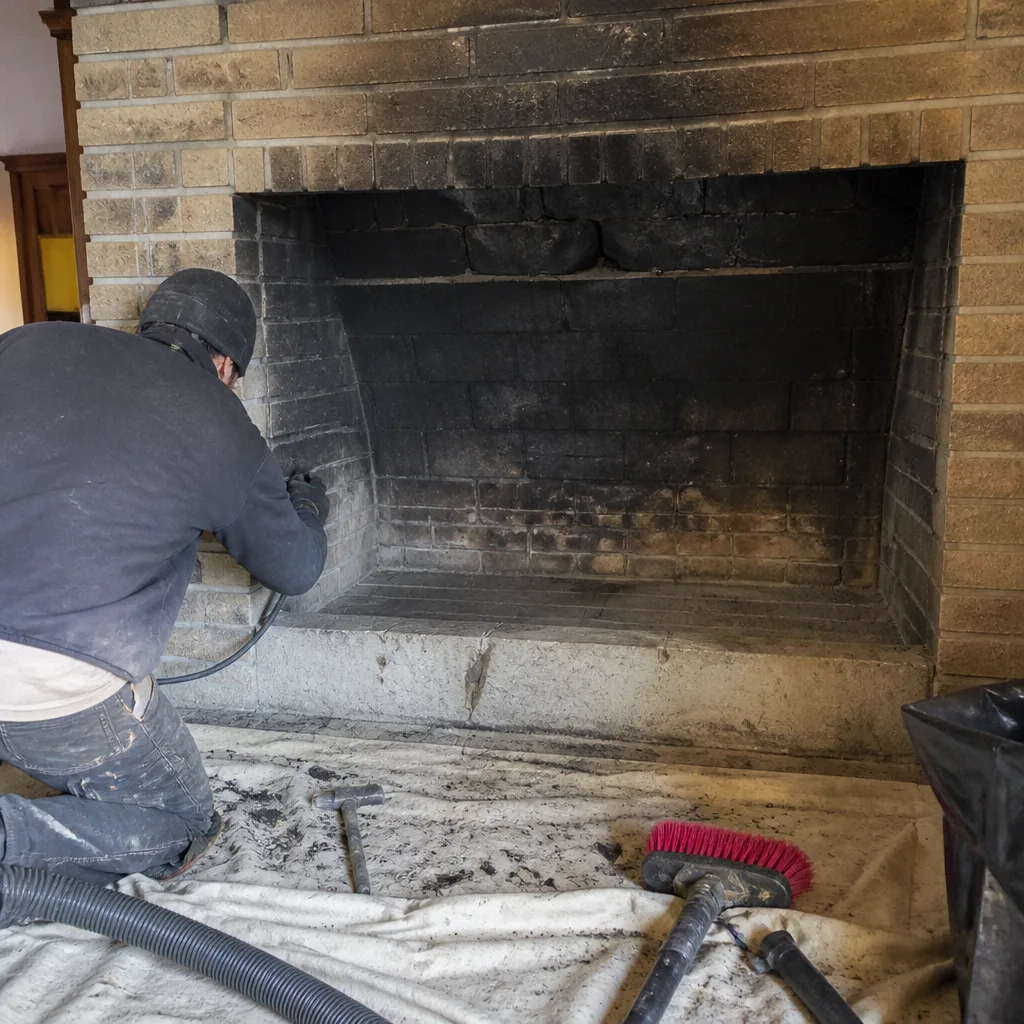 Before
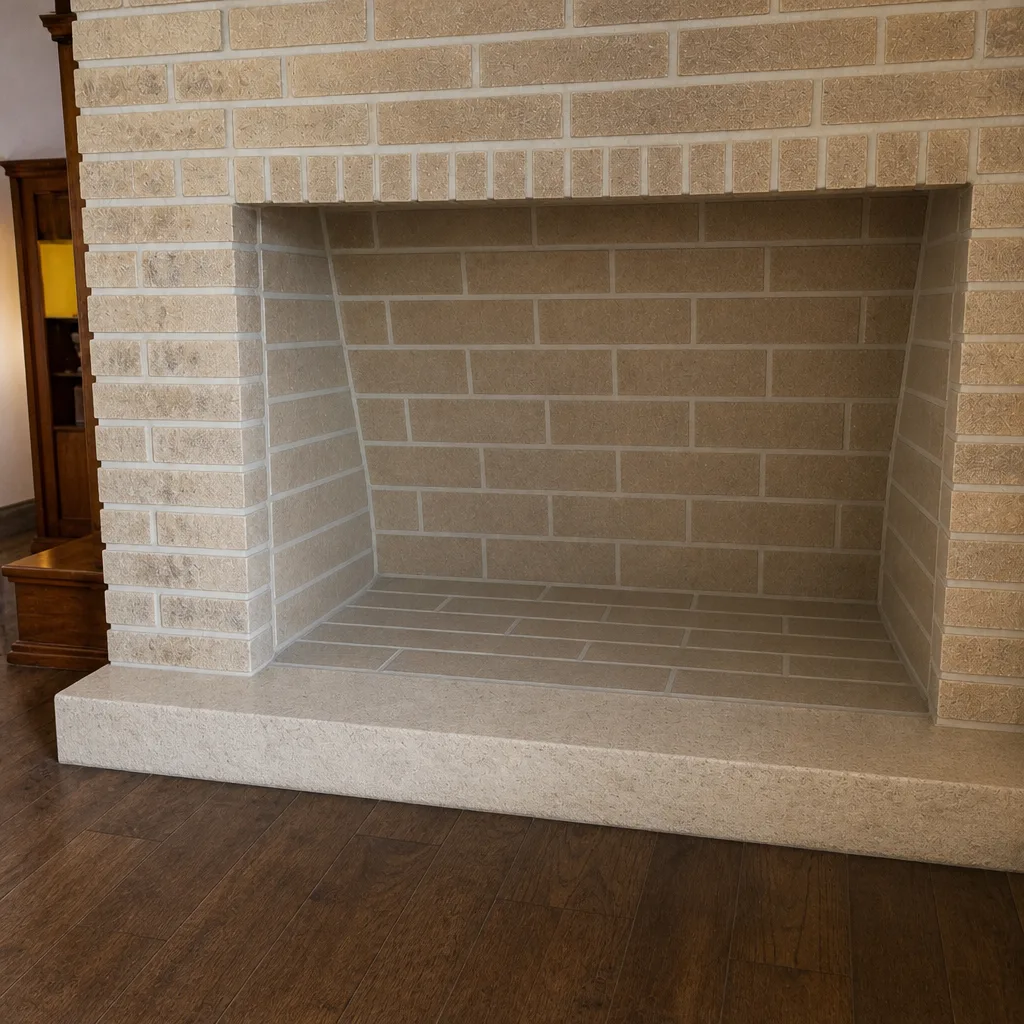 After
When to Call a Professional
Some chimney work is routine and some of it shouldn’t wait. Call a professional if you smell a sharp creosote odor in the room, if smoke backs into the house when you light a fire, if you see crumbling mortar or spalling brick on the exterior, if there’s interior staining near the chimney, or if it’s simply been a year since the last sweep and inspection. Also call if you’re buying or selling a home and need documentation, or if your insurer has asked for an inspection. The work that involves a ladder, a roof, or a flue interior is not DIY territory. Chimney Sweep Fort Collins offers free estimates in Fort Collins. Call (833) 740-1407. We answer 24/7. Fast dispatch from 7am to 7pm, Sunday through Friday.
Frequently Asked Questions
Once a year is the baseline, timed to the fall before the first hard freeze, with a spring inspection to catch what winter did. If you burn heavily through winter, a mid-season sweep may be warranted when you see the warning signs.
Spring is the best season for inspection, because it follows the burn season and precedes the freeze-thaw cycling that does the most masonry damage. A fall inspection before the first hard freeze is the second key window.
Yes. Monsoon moisture and afternoon thunderstorms push water against the crown, cap, and flashing for months. A cracked crown or missing cap lets water into the flue system, and the damage often shows up months later as interior staining or faster mortar failure.
Not always, but heavy burning accumulates creosote faster than a once-a-year schedule accounts for. If you smell a sharp creosote odor, see smoke backing into the room, or notice visible creosote, a mid-season sweep is worth booking. Reduce your burn output while you wait.
Freeze-thaw cycling forces water into mortar joints and hairline cracks, then expands it as it freezes. Repeated cycles break down the joint and spall the brick. Crumbling mortar, flaking brick faces, and white staining are the signs. Repointing failing joints before winter stops the cycle.
Yes. Inspection is available as a standalone service, which is useful for home buyers, sellers, and insurance documentation. Call (833) 740-1407 for a free estimate.
The Bottom Line
Chimney care in Fort Collins works best when it follows the seasons rather than the calendar. Spring inspection catches what winter did and gets ahead of freeze-thaw damage. Summer moisture checks keep monsoon rain out of the flue system. Fall is for the pre-season sweep, timed before the first hard freeze and ahead of the demand spike. Winter is for watching the warning signs and deciding whether a mid-season sweep is warranted. A chimney on this rhythm gets problems caught while they’re small, and the homeowner spends less over time. If you’d rather have one specialist handle the sweep, the inspection, and the repair, that’s what we do. We’ll tell you exactly what we found and exactly what it costs to fix it, before any work begins.
Ready to put your chimney on a seasonal plan? Call (833) 740-1407 for a free estimate. We answer 24/7. Fast dispatch from 7am to 7pm, Sunday through Friday. Or start with a look at our Chimney Sweep Fort Collins services to see how the full cycle fits together.
Written by the team at Chimney Sweep Fort Collins.