
Last updated November 16, 2026
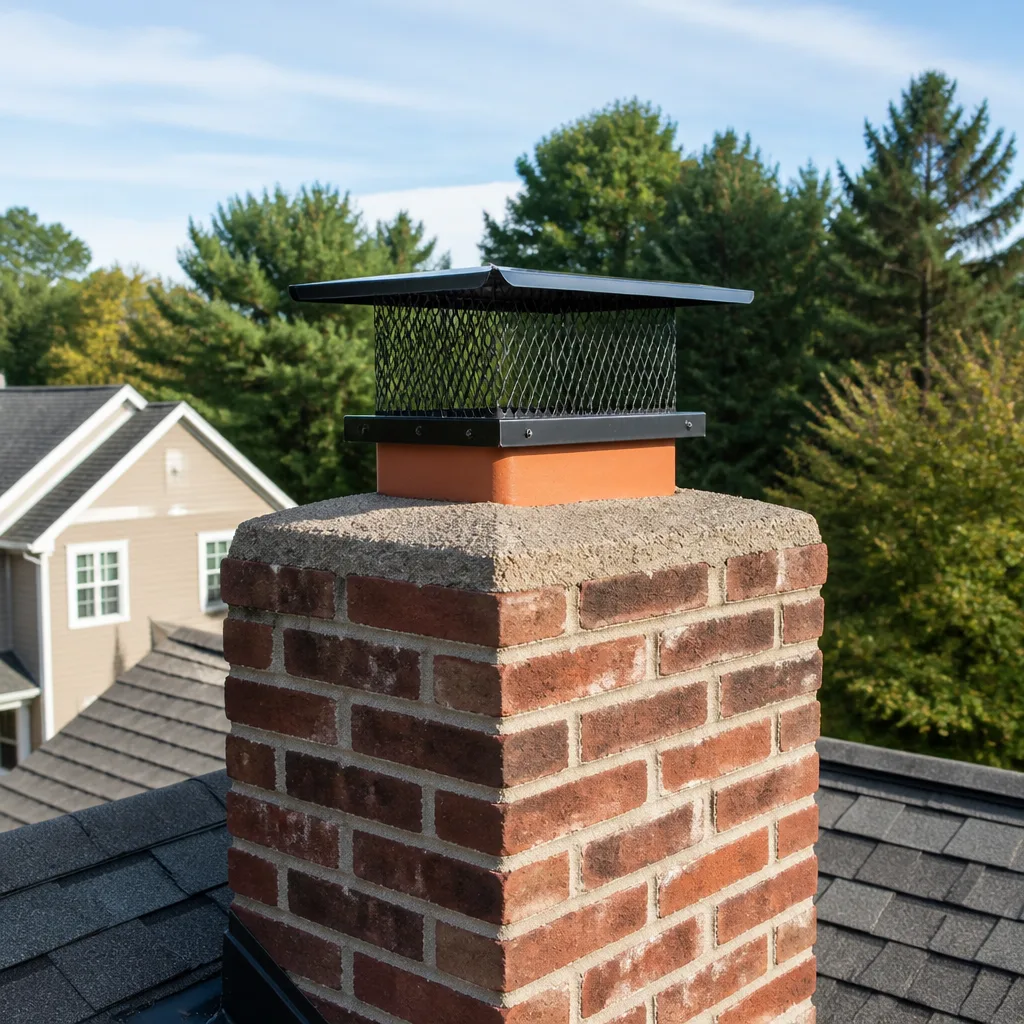 Sweep & inspection
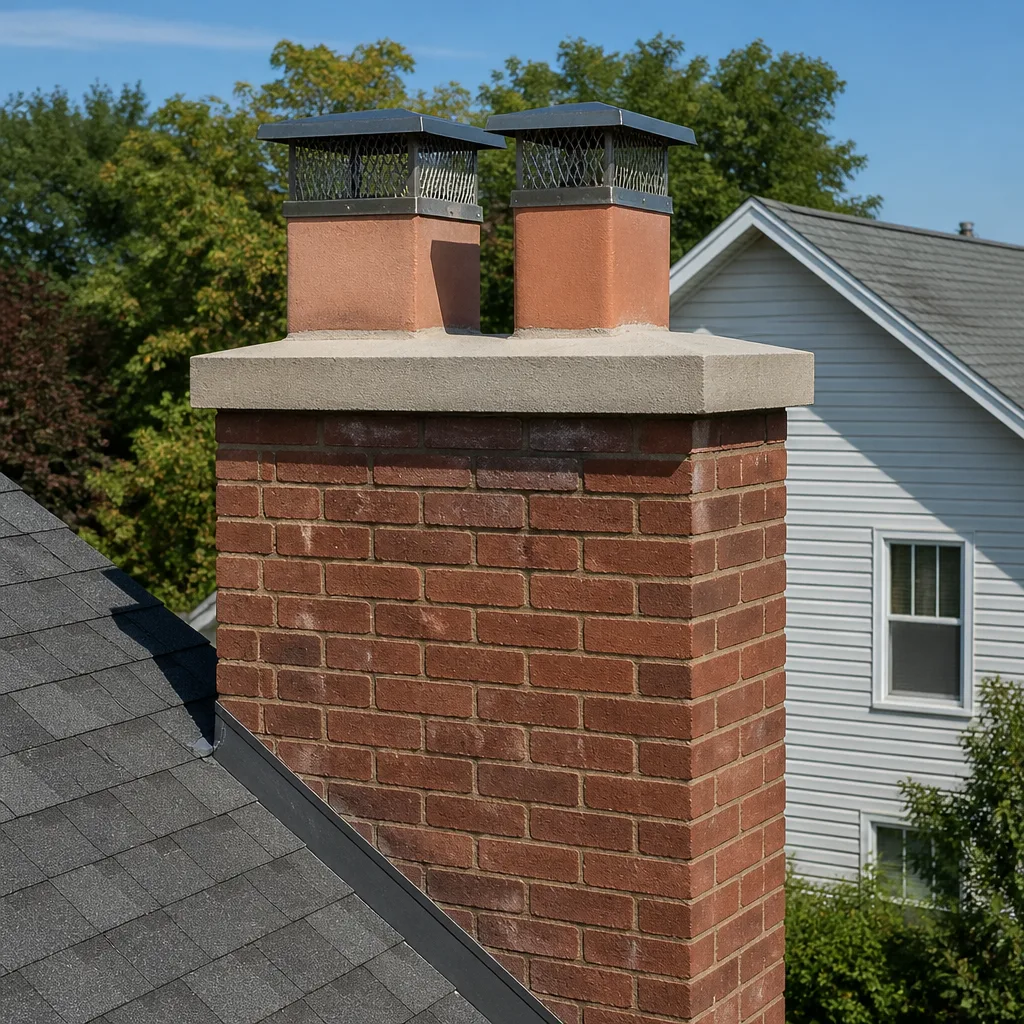 Caps & crowns
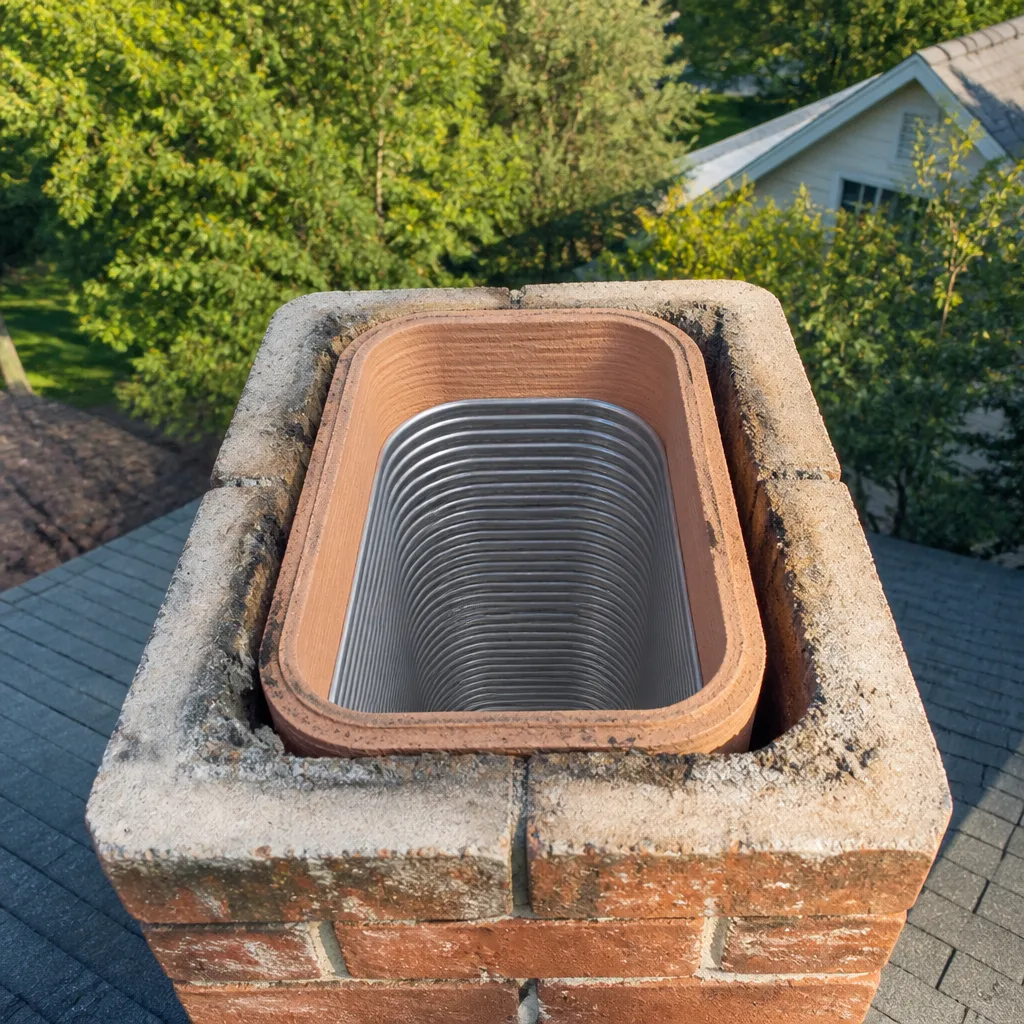 Flue relining
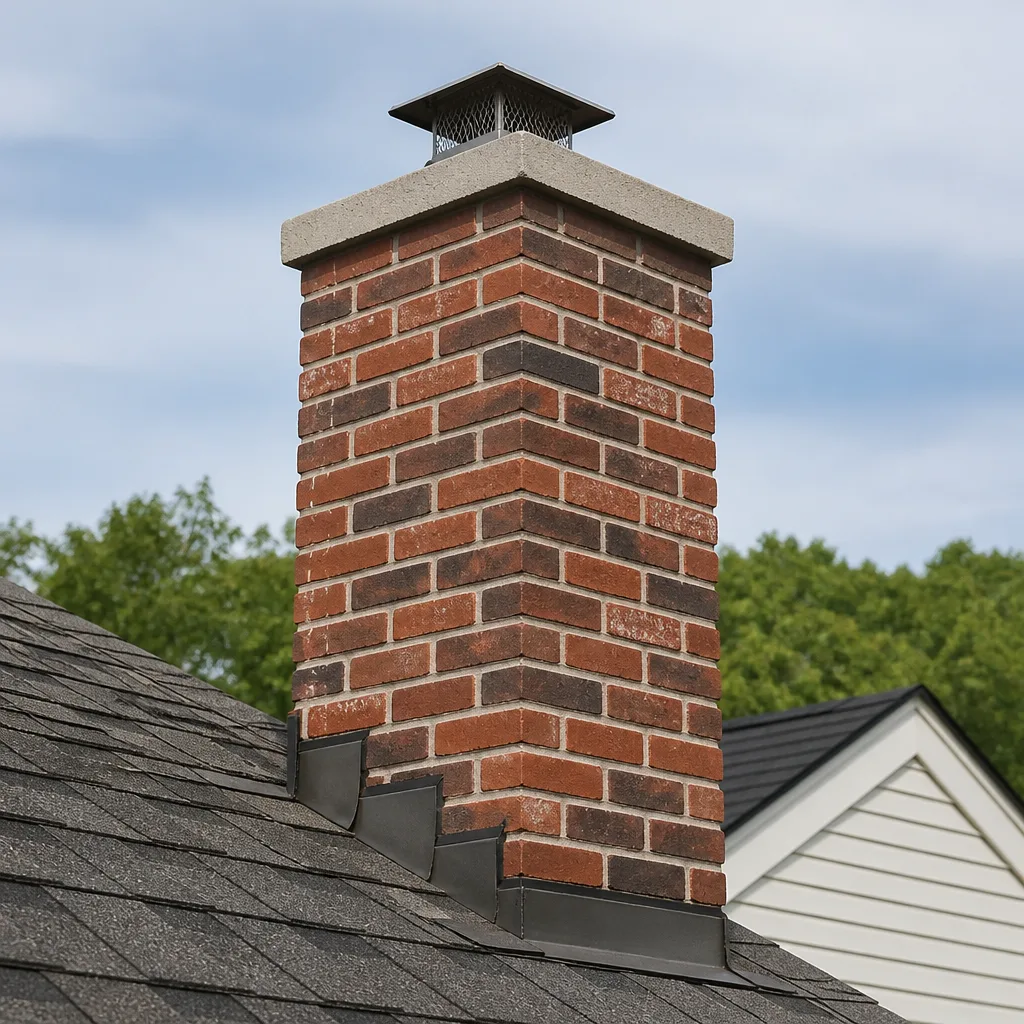 Masonry repair
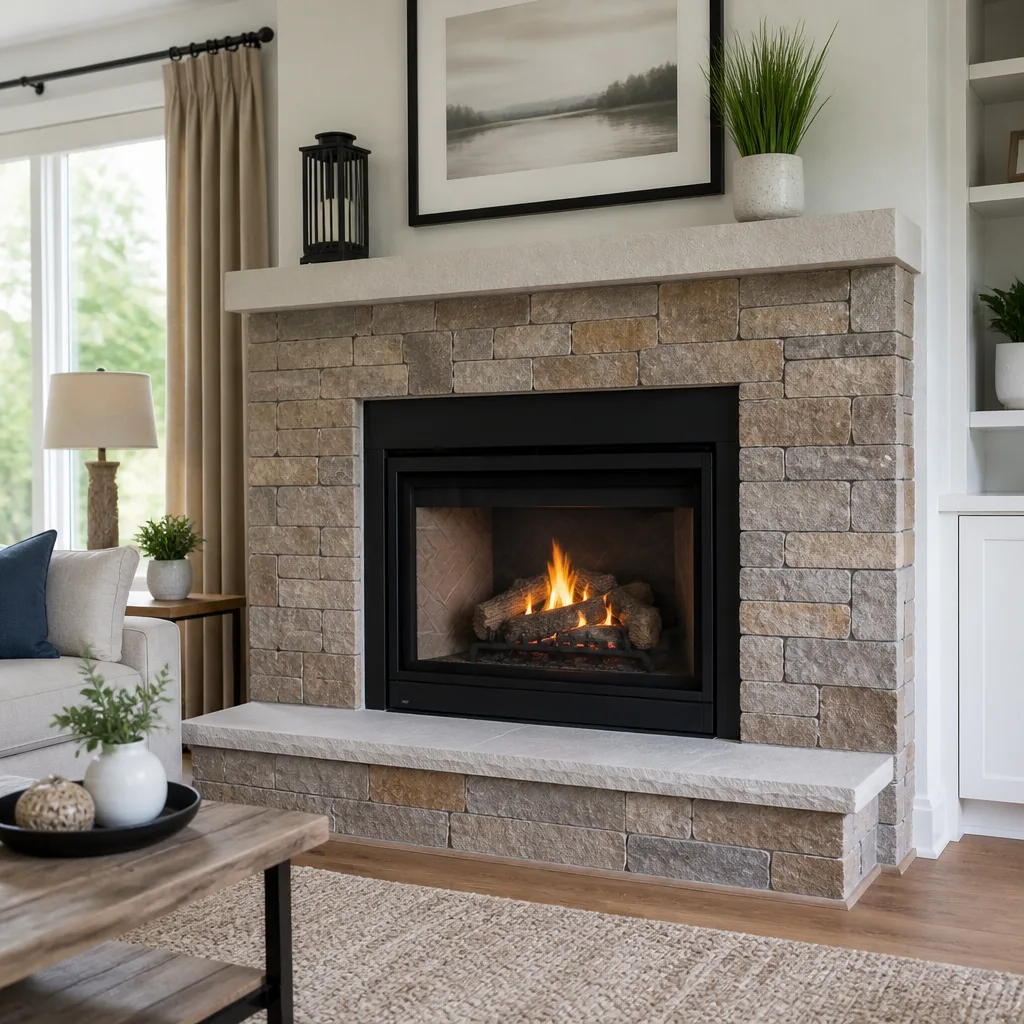 Gas fireplace service
Level 1 sweep and inspection to the NFPA 211 annual standard - flue, crown, cap, and flashing checked and photographed
Chimney sweep logs do not sweep chimneys. They loosen some creosote - which then falls where a brush and vacuum still have to collect it.
Chimney Cleaning Emergency Preparedness Guide for Fort Collins Homes
A chimney fire doesn’t always announce itself with a roar. In our experience, many active flue fires in Fort Collins start as a low crackling or popping sound, sometimes a soft whoosh, that homeowners mistake for the normal noises of a working wood fire. It’s easy to write off from the couch. That single misread is the difference between a contained event and a structural one. This guide walks Fort Collins homeowners through the three real chimney emergencies – active chimney fire, carbon monoxide event, and structural failure – and what to actually do in each. You’ll learn how to recognize each one, what to have staged before the season, and when Poudre Fire Authority needs to be on the phone.
Styles & brands we work with
- Sweep & inspection
- Caps & crowns
- Flue relining
- Masonry repair
- Gas fireplace service
Quick Answer
If you suspect an active chimney fire, call 911 immediately, get everyone out of the house, and don’t use the fireplace again until a Level 2 inspection confirms the flue is sound. Carbon monoxide alarms sounding with a wood fire burning means the same: evacuate and ventilate, then treat the chimney as compromised until inspected. Structural failures – a dropped liner section, a collapse at the firebox, sudden heavy smoke rollout – mean stop using the fireplace and call a chimney specialist before the next burn. Knowing which emergency you’re facing determines the first call you make.
Table of Contents
- The 90 Seconds That Decide Everything
- How to Identify an Active Chimney Fire From Inside the House
- Chimney Fire Suppressants: What to Stage Before You Need One
- Carbon Monoxide Risk Specific to Fort Collins Chimney Systems
- Post-Fire Protocol: Why Level 2 Inspection Is Non-Negotiable
- Fort Collins Fire Danger, Ponderosa Pine, and What It Means for Your Flue
- Who to Call and When: Poudre Fire Authority vs. a Chimney Sweep
- Pre-Season Preparedness Checklist for Fort Collins Homes
- Before the First Fire of the Season
- Common Mistakes to Avoid
- When to Call a Professional
- Frequently Asked Questions
- The Bottom Line
The 90 Seconds That Decide Everything
Chimney emergencies almost always give you a short window where the correct action is obvious and the wrong action feels natural. In the first 90 seconds of an active flue fire, the reflex is often to grab water or a hose. Don’t. Water on a fire that’s several hundred degrees inside a clay tile flue can cause the tile to crack, and cracks are exactly the path you don’t want for future smoke or carbon monoxide. Close the glass doors or the firebox screen, shut the damper if the fire is small, and get out. Once you’re outside, call 911.
Here’s the sequence we tell Fort Collins homeowners to rehearse with their families, so it’s automatic rather than improvised:
- Get everyone out of the house – kids, pets, everyone – before you do anything else.
- Call 911 from outside and tell dispatch clearly: “possible chimney fire.”
- If you have a chimney fire suppressant staged and can safely reach it, discharge it into the firebox before leaving. If you can’t reach it in 10 seconds, leave it.
- Don’t re-enter until a firefighter clears the structure.
- Don’t use the fireplace again until a Level 2 inspection has been completed and the flue is certified sound.
Those five steps apply to a confirmed chimney fire. But you may not be sure what’s happening. That’s the next section. If you’re reading this in preparation rather than in the middle of a burn, a chimney sweep before the first fire of the season is the single most effective safety step. A clean flue removes the creosote that fuels chimney fires.
How to Identify an Active Chimney Fire From Inside the House
Most homeowners expect a chimney fire to be loud. In our experience, many aren’t. A slow, smoldering creosote fire produces a low rumble or a persistent clicking that blends into the background noise of a normal wood fire. Here’s what to listen and look for.
Sounds
- Popping or crackling from the flue, especially coming from up the chimney rather than at the firebox – creosote ignites in short, sharp bursts.
- A low rumble or roar, sometimes compared to a distant train or a low-flying plane. If you have to step outside to confirm, do that. Many chimney fires are first noticed from the yard.
- A rushing sound like a blowtorch, which is a strong indicator of an active burn in a confined flue.
Smells
- A hot, tarry, chemical smell inside the room, distinctly different from normal wood smoke.
- Smoke that suddenly smells like burning rubber or asphalt – often a sign the creosote itself is burning.
- Dense smoke backing into the room despite the damper being open.
Sights
- Flames or sparks visible at the top of the chimney from outside the house.
- Dense black or brown smoke pouring from the chimney cap, not the thin white smoke of a healthy fire.
- Discolored or warped chimney cap or spark arrestor.
- Creosote flakes that fall down onto the roof or ground, still hot to the touch.
Any one of these is enough to treat as a live fire. Don’t wait for confirmation. If you’re reading this because you’ve heard the sound and you’re not sure, call 911 first and sort the diagnosis afterward. The Chimney Sweep Fort Collins team would much rather you call us the next morning to find a clean flue with no damage than the alternative. In a Fort Collins home, where the burn season runs long and creosote accumulates through the winter, this distinction matters more than in milder climates.
Chimney Fire Suppressants: What to Stage Before You Need One
A chimney fire suppressant is a stick or pouch of dry chemical designed to be tossed into an active firebox fire to smother the burn before the creosote above it fully ignites. The best-known type is Chimfex or an equivalent product. If you have a wood-burning fireplace in Fort Collins and don’t yet have one, that’s the single cheapest piece of preparedness you can buy.
Here’s how a suppressant works in practice, without giving you a step-by-step that we’d rather you didn’t run through alone the first time:
- The stick is designed for use when the fire is still in the firebox or just starting to spread up the flue – not once the chimney is roaring.
- It works by releasing a dry chemical that strips oxygen from the fire as it rises.
- It’s a first-response tool to buy time, not a substitute for getting everyone out and calling 911.
- It’s not effective against a fully developed flue fire – at that stage, the fire department is the response.
Where to stage it matters. Keep it within arm’s reach of the firebox – on the hearth or in a hearth caddy, not in the garage or under a sink. When there’s smoke and noise and your heart is going, you won’t go looking. Stage it where the reflex will go.
What Else Belongs Near the Firebox
- A chimney fire suppressant stick, in its original packaging with the label intact.
- A fire extinguisher rated for wood fires (Class A), stored clear of the hearth but within easy reach.
- A flashlight, because smoke makes the room dark fast.
- A phone you can grab – which is usually your pocket, but confirm before the season starts.
If you want to talk through what belongs at your hearth, we’re happy to look at your setup during any sweep visit. The materials we specify – whether a product like Gelco or Olympia Chimney for liners, or a branded cap from a name like Copperfield – aren’t the point of a hearth check. The point is that everything you need to react in the first 90 seconds is exactly where your hand will go. That’s a specialty, not a generalist handyman call.
Carbon Monoxide Risk Specific to Fort Collins Chimney Systems
Carbon monoxide is the chimney risk most homeowners underestimate. A blocked, cracked, or improperly sized flue doesn’t just fail to carry smoke out – it can fail to carry combustion gases out too, and CO has no smell, no color, and no taste. The difference between a slow, dangerous buildup and a non-event is often just the condition of the flue.
How a chimney flue creates CO buildup
- Blocked flue – nests, creosote accumulation, or a collapsed liner section can physically block the passage of gases.
- Cracked flue tiles – a common finding in older Fort Collins masonry chimneys, and often invisible from the firebox. Gases escape through the crack into wall cavities or living space.
- Improperly sized flue – an older flue built for a wood fire and then connected to a gas insert can be too large or too small, causing poor draft.
- Negative pressure inside the home – tight modern construction in Fort Collins neighborhoods can cause a wood fire to fail to draft, pushing CO back into the living room.
- Downdraft – a chimney cap that isn’t correct for local wind patterns can cause combustion gases to fall back down the flue.
Where to place CO detectors relative to your fireplace
Carbon monoxide mixes with air at roughly the same density, so a detector doesn’t need to be ceiling-mounted like a smoke alarm. It needs to be near the source. For a Fort Collins home with a fireplace, a good placement includes:
- One detector in the room with the fireplace, mounted 5 feet off the floor, within about 10 feet of the firebox.
- One detector in each sleeping area, mounted low enough that it can wake someone who’s been sleeping in that room.
- One detector on any floor above the fireplace if you have one (e.g., a bedroom floor above a living room fireplace).
Test all CO detectors before the first fire of the season. Replace battery units per the manufacturer’s guidance, and replace the detector itself when its own end-of-life signal indicates. If a detector alarms while the fire is burning, treat it as a live carbon monoxide event: evacuate, call 911 from outside, don’t re-enter until cleared. Then get a Level 2 inspection before the fireplace is used again.
Post-Fire Protocol: Why Level 2 Inspection Is Non-Negotiable
Here’s the part most homeowners skip: after an active chimney fire, the chimney itself is not automatically safe to use again just because the smoke cleared and no flames are visible. Creosote fires can reach temperatures high enough to crack clay flue tiles, warp metal liners, and compromise mortar joints – all of which create direct pathways for CO and smoke into the home. A chimney that “survived” is not the same as a chimney that is sound.
What a Level 2 inspection involves, and what it’s looking for:
- A camera inspection of the flue interior – looking for cracks, gaps, separations, and collapsed sections the eye can’t see from the firebox.
- Verification of liner continuity – the liner has to run the full length of the flue without break or offset.
- Assessment of mortar joints – a fire can loosen mortar that appeared fine from the outside.
- Inspection of the firebox and smoke chamber – checking for surface spalling or structural compromise.
- Confirmation of draft – a compromised flue may still draft poorly and need repair or relining before it can safely be used again.
A written report with photos is the standard we work to. If a chimney fire has occurred in your Fort Collins home, you should be able to see what we see, in a written report, before you decide on any repair. Our role is to specify the material and show the evidence. The decision about the repair is yours, and the written estimate should reflect exactly what the inspection found – no more, no less. Our technicians have up to 15 years of experience assessing post-fire conditions, and we’ll tell you plainly if the chimney is safe to use or not.
Fort Collins Fire Danger, Ponderosa Pine, and What It Means for Your Flue
Fort Collins sits in a specific climate zone that shapes how chimneys age and what kind of creosote forms in them. Ponderosa pine, Colorado blue spruce, and juniper are all common firewood choices in and around Larimer County, and they all produce more creosote than the hardwoods common in the eastern US. That creosote – especially when burned at low temperatures with restricted air – deposits as a glossy, gummy layer called glaze that fuels chimney fires more easily than powdery soot.
The other local factor: Fort Collins burn seasons run long. Shoulder seasons in this part of Colorado mean residents are burning from October into April, sometimes with intermittent burns in both. Intermittent burning, more than steady burning, is the pattern that produces glaze. That’s why we see more glaze in Fort Collins chimneys than in chimneys burned continuously through a shorter season.
Proximity to open space and wildfire
Homes near the foothills – close to the Horsetooth and Lory State Park areas and up the Poudre Canyon approaches – face an additional consideration: post-fire debris and ash can make its way into outdoor chimney caps and spark arrestors, sometimes blocking draft. After a nearby wildfire season, it’s worth checking and cleaning caps as part of a regular sweep.
This is a piece of local context that rarely appears on general chimney safety pages. A Fort Collins chimney sweep who understands the local climate will recognize Ponderosa pine creosote on sight and recommend the right cleaning interval based on what’s actually in the flue, not on a national average.
Who to Call and When: Poudre Fire Authority vs. a Chimney Sweep
The single biggest source of confusion in a chimney emergency is who the homeowner should be calling. Here’s a clear division of responsibility.
Call 911 and Poudre Fire Authority when:
- You see flames or sparks at the top of the chimney.
- You hear a rumble, roar, or sustained popping from the flue.
- Dense smoke backs into the room and won’t clear.
- A CO detector alarms while a fire is burning.
- You smell burning in the walls or see discoloration on the chimney exterior.
Call a chimney sweep when:
- The fire is out, the fire department has cleared the structure, and you need a Level 2 inspection.
- You have a compromised liner, cracked flue tiles, or firebox damage detected after a fire event.
- You need pre-season cleaning, inspection, or repair.
- You want a documented inspection for home sale, purchase, or insurance purposes.
These two roles don’t overlap. Poudre Fire Authority responds to active fires and structure safety. We handle the post-fire assessment, the cleaning, and the repair that follows. Keeping them distinct removes the confusion that costs minutes in a high-stress moment. If you’d like to talk through a real situation, call us and we’ll be clear about which category you’re in. If it’s a live fire, call 911 first.
Pre-Season Preparedness Checklist for Fort Collins Homes
The most effective chimney emergency is one that never happens. Here’s the checklist we recommend running through every fall before the first fire of the season goes on the hearth:
- Schedule a sweep before the first burn. A professional sweep removes the creosote that fuels chimney fires and allows the technician to inspect visually at the same time.
- Get a Level 2 inspection if you’ve never had one, if you’ve moved into a new home, or if it’s been more than two years since a camera inspection.
- Test all CO detectors and check placement relative to the fireplace.
- Confirm the chimney fire suppressant is staged near the firebox and hasn’t expired.
- Check the chimney cap and spark arrestor – remove nests, debris, or ash buildup.
- Confirm the damper opens and closes fully and smoothly.
- Check the firebox and hearth for any cracking or loose material that wasn’t there last year.
- Rehearse the 90-second plan with everyone in the household.
If you’d rather not run this checklist yourself, chimney repair and inspection appointments cover most of it in a single visit. Pre-season is the ideal window in Fort Collins, because it’s the moment right before the creosote that will feed a future fire gets a chance to accumulate.
Before the First Fire of the Season
A few household habits make a real difference in Fort Collins homes, and they’re worth adopting before the burn season starts:
- Burn seasoned wood only. Wood with a moisture content above 20% produces more creosote per burn. If you don’t have a moisture meter, ask the supplier.
- Don’t smolder fires overnight. Damping down the air to stretch a burn produces the cool, smoky fires that deposit glaze.
- Keep the firebox clear of paper and trash. Pine needles, wrapping paper, and cardboard burn hot and fast and can ignite creosote in the flue.
- Watch the chimney top on a cold start. Once or twice a season, look at the chimney from the yard when you start a fire. Thin white smoke is healthy. Dense black smoke is a sign you need a sweep.
- Keep a log. A simple notebook of when you burn, when you sweep, and when you last inspected is the single best reference for future decision-making.
These habits aren’t strictly emergency preparedness – they’re emergency prevention. But they matter to the same outcomes: fewer fires, less CO risk, longer flue life.
Common Mistakes to Avoid
- Assuming a chimney fire is loud. A slow, smoldering creosote fire can sound like normal crackling. If in doubt, treat it as an active fire.
- Pouring water on a hot flue fire. The thermal shock can crack clay tiles and create a CO pathway into the home. Get out and call 911.
- Skipping the post-fire inspection. In our experience, this is the most common mistake. A chimney that survived an active fire still needs a Level 2 inspection before it’s used again.
- Placing CO detectors too far from the fireplace. Carbon monoxide doesn’t rise like smoke. Place detectors within about 10 feet of the firebox in the room where the fireplace is, plus sleeping areas.
- Burning Ponderosa pine without adjusting the sweep interval. This wood produces more creosote than most, and the Fort Collins climate lengthens the burn season. Expect to sweep more often than a national average would suggest.
- Waiting for a chimney fire before buying a suppressant. Stage it before the season. When you need it, you won’t have time to go shopping.
- Calling a generalist rather than a chimney specialist. A handyman can sweep, but a chimney specialist can also identify post-fire structural issues, specify the right liner material, and handle the repair. That matters most when the stakes are highest.
When to Call a Professional
Call a chimney specialist if any of these apply: your flue hasn’t been swept in over a year; you’ve had an active chimney fire; your CO detector has alarmed while a fireplace was burning; you see cracking in the firebox or glaze in the flue; or you’re buying, selling, or insuring a Fort Collins home and need a documented inspection. These aren’t the kind of issues a homeowner can reliably self-diagnose, because the problem is usually at a place you can’t see – inside the flue above the damper.
We offer chimney inspection as a standalone service, so whether you’re documenting a home sale or checking a flue after a fire, you can get a written, photo-included report without committing to any repair. We handle the sweep, the inspection, and the repair in-house, so if the inspection turns up a problem, the same team that found it can fix it. Chimney Sweep Fort Collins offers free estimates in Fort Collins – call (833) 740-1407. We answer 24/7. Fast dispatch from 7am to 7pm, Sunday through Friday.
Frequently Asked Questions
The reliable signs of a past chimney fire are a puffy, “honeycombed” creosote texture inside the flue, warped or discolored metal components, cracked flue tiles, and creosote flakes that have rained down onto the roof. Some chimney fires leave no outward sign at all and are only discovered during a camera inspection. If you’ve heard popping, roaring, or unusual sounds from your flue in the past, a Level 2 inspection is the way to know. Call (833) 740-1407 for a written report.
Yes. Any fire you suspect is a chimney fire warrants a 911 call, even if it seems small, because the fire can move from the flue into the framing without visible warning. Poudre Fire Authority will assess and confirm the fire is out. A chimney sweep then handles the post-fire inspection. Both are necessary, and they’re not interchangeable.
Most Fort Collins wood-burning fireplaces should be swept annually before the burn season, and more often if you burn Ponderosa pine heavily or notice glaze in the flue. If you burn more than a cord a season or see visible creosote buildup of more than 1/8 inch, sweep more frequently. A sweep is cheaper than a post-fire repair every time. Call (833) 740-1407 for a scheduling conversation.
No. A chimney that has been through an active fire cannot be used again until a Level 2 inspection confirms the flue is structurally sound, the liner is continuous, and draft is correct. Using it before inspection risks directing CO and smoke into the home through a path you can’t see. The inspection takes about an hour and produces a written report you can review before deciding on repair.
Mount one detector within about 10 feet of the fireplace in the same room, and one in each sleeping area. Because carbon monoxide mixes evenly with air rather than rising, ceiling-only detectors aren’t sufficient on their own. For a Fort Collins home with an upstairs bedroom over a downstairs fireplace, add a detector upstairs too. Test all units before the first fire of the season.
Keep a chimney fire suppressant (Chimfex or equivalent), a Class A fire extinguisher, a flashlight, and a phone within easy reach of the firebox. Stage them before the season, not after the first burn. The right staging is a hearth-side location you can reach in under 10 seconds without leaving the room. Call (833) 740-1407 for a pre-season chimney sweep and we’ll review placement while we’re there.
The Bottom Line
Chimney emergencies in Fort Collins come in three distinct categories – active fire, carbon monoxide event, and structural failure – and each has a different correct first response. Active fire means evacuate and call 911. CO alarm means evacuate, call 911, and check placement of detectors before using the fireplace again. Structural issues mean stop using the fireplace until a Level 2 inspection is complete. Pre-season sweeping, tested CO detectors, a staged suppressant, and a rehearsed 90-second plan take most of the risk off the table before the season starts. When in doubt about any of it, call a chimney specialist before the next fire – not after.
For Fort Collins homeowners, the specialists at Chimney Sweep Fort Collins can handle the full sequence: sweep, inspection, and repair, with the same team and one written estimate. For a routine Fort Collins appointment, a post-fire inspection, or a pre-season readiness walk-through, call (833) 740-1407 for a free estimate.
Written by the team at Chimney Sweep Fort Collins.
See the difference
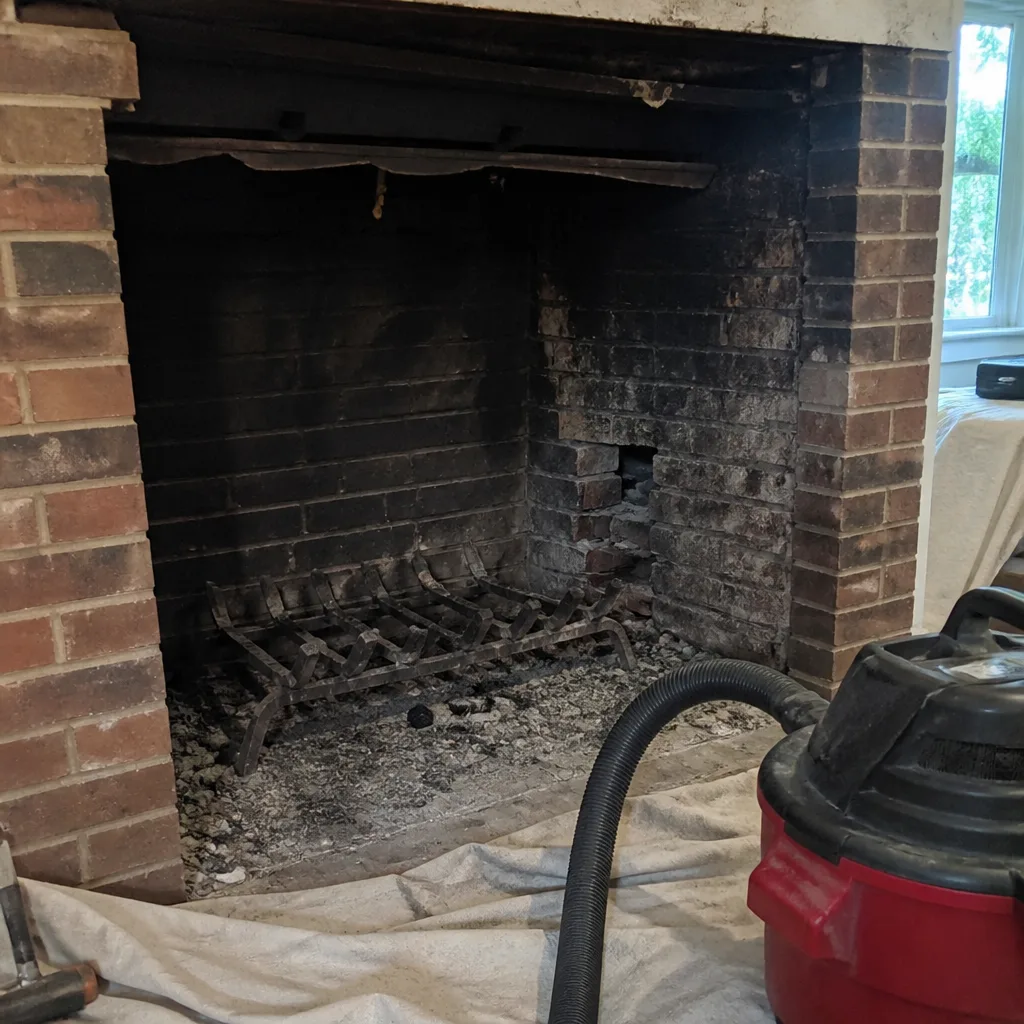 Before
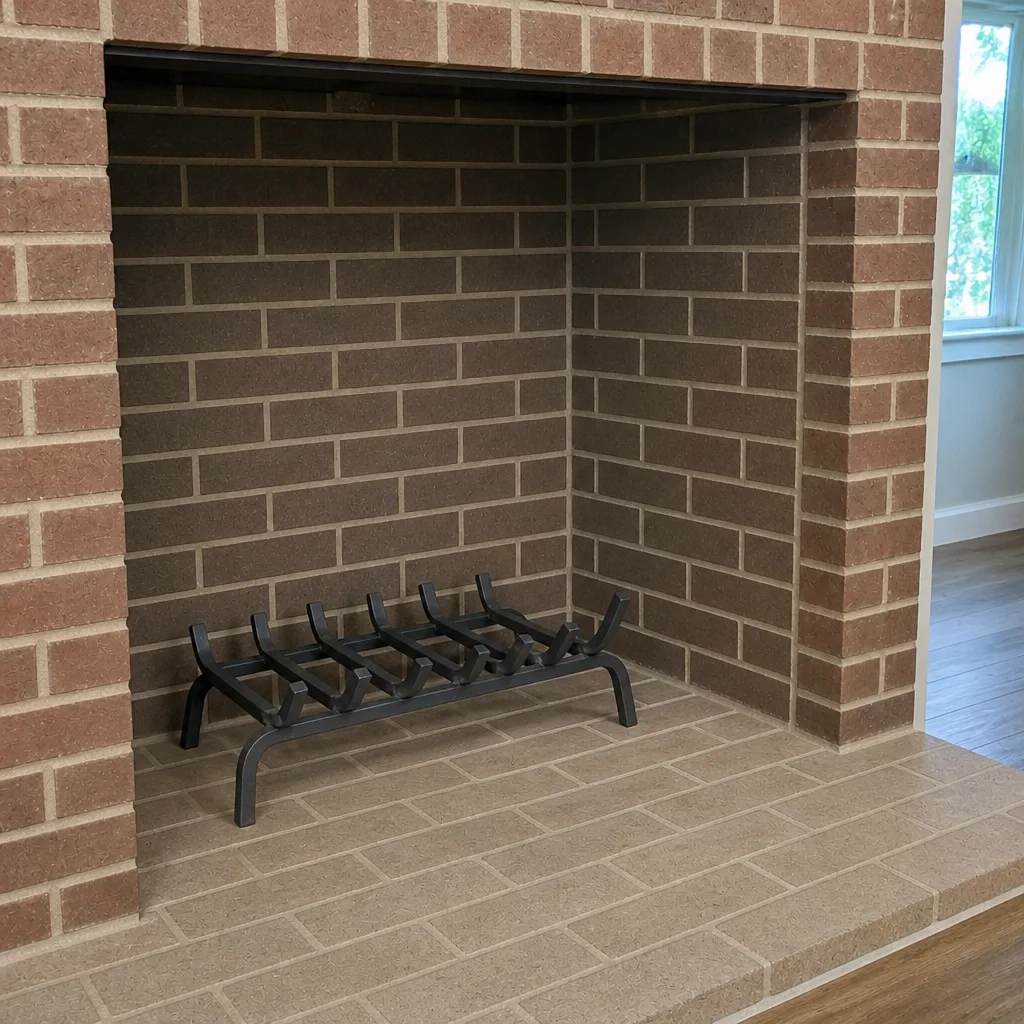 After
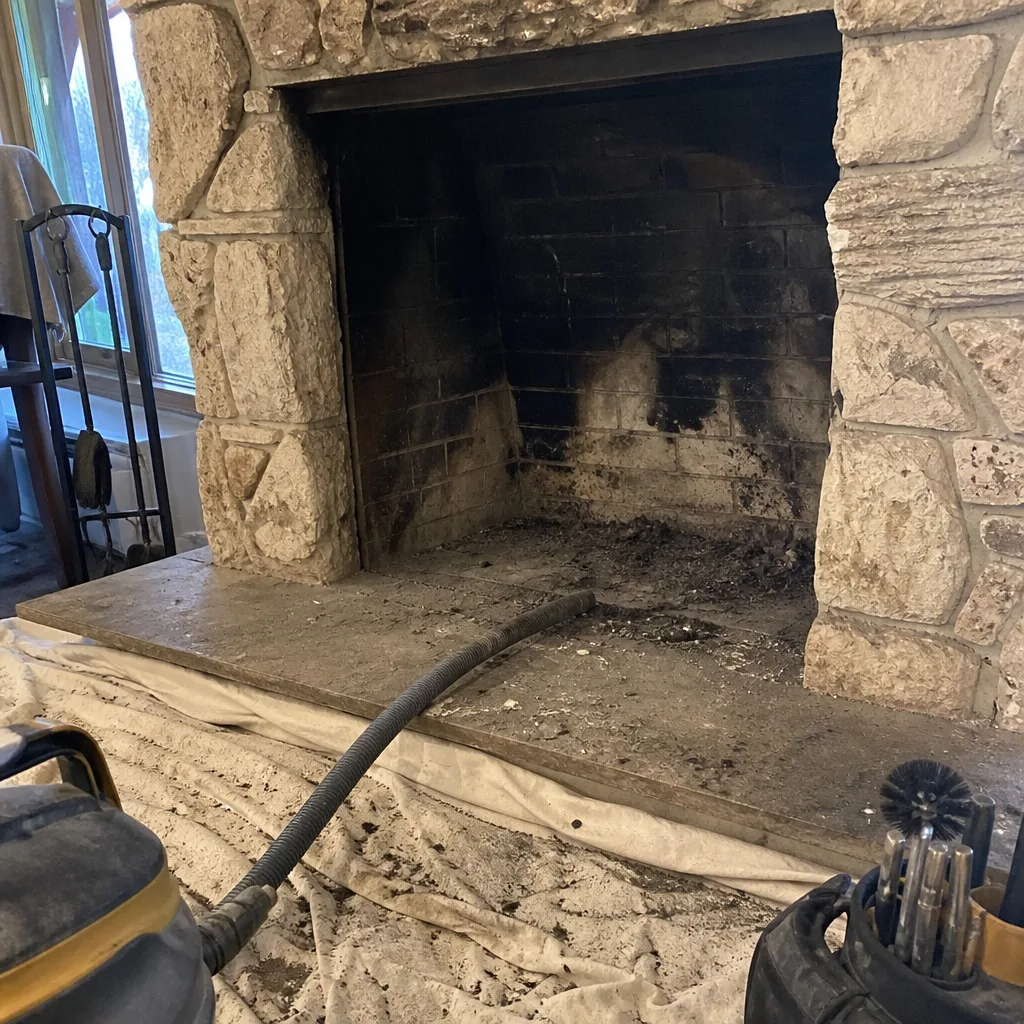 Before
 After
 Before
 After