
Last updated November 16, 2026
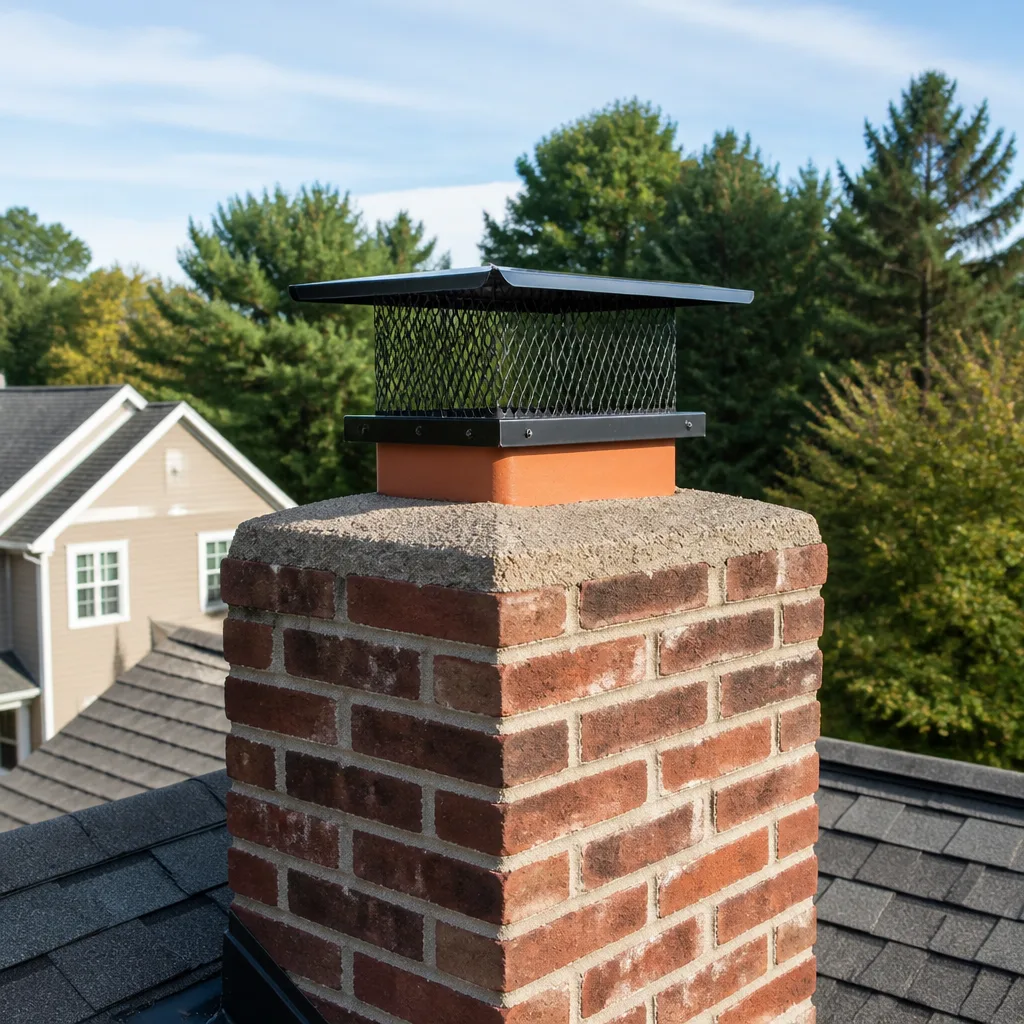 Sweep & inspection
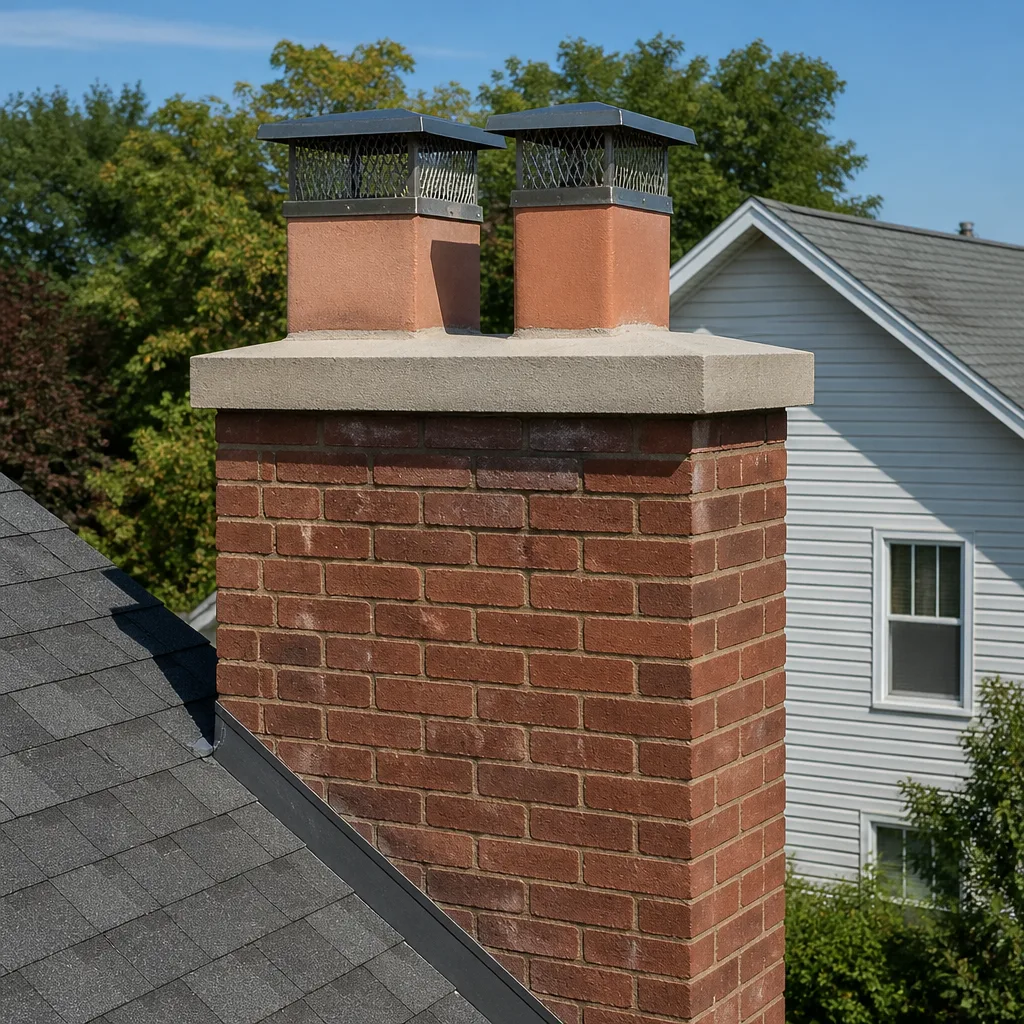 Caps & crowns
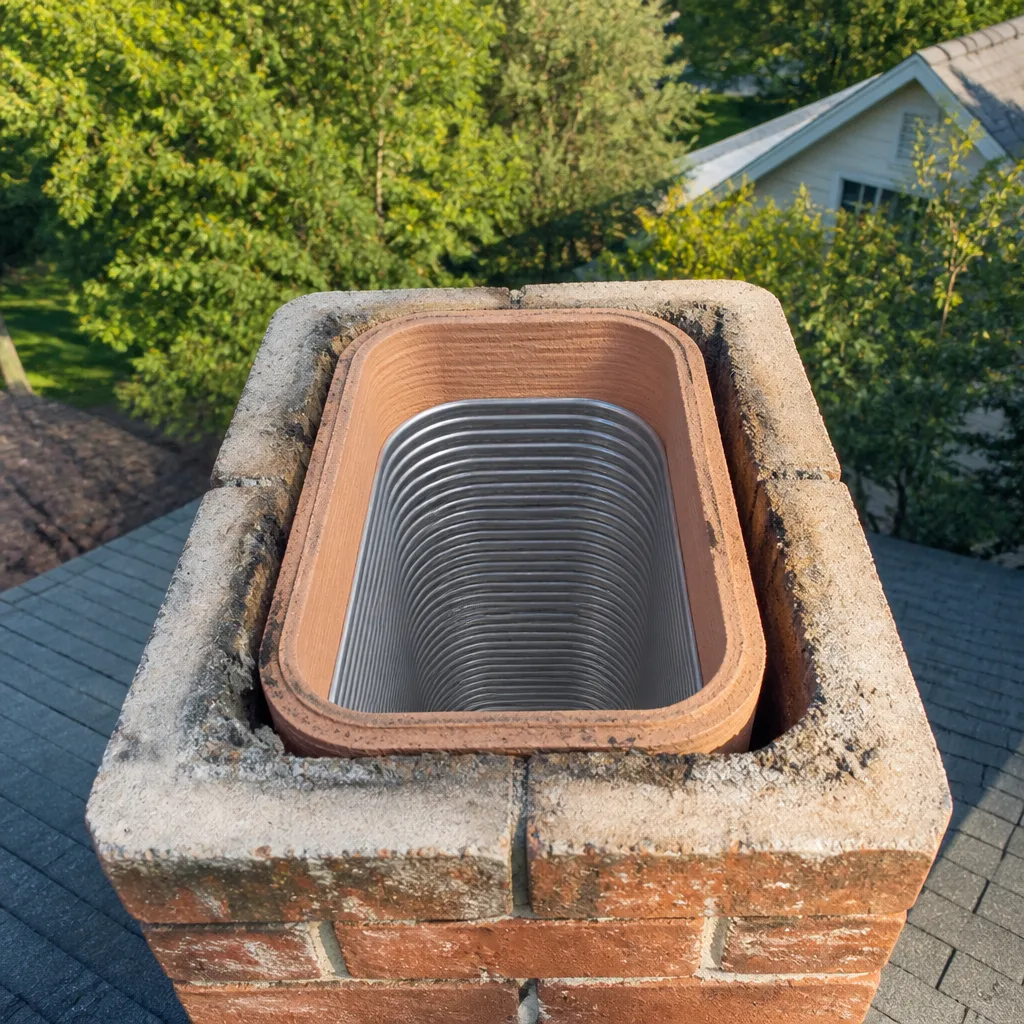 Flue relining
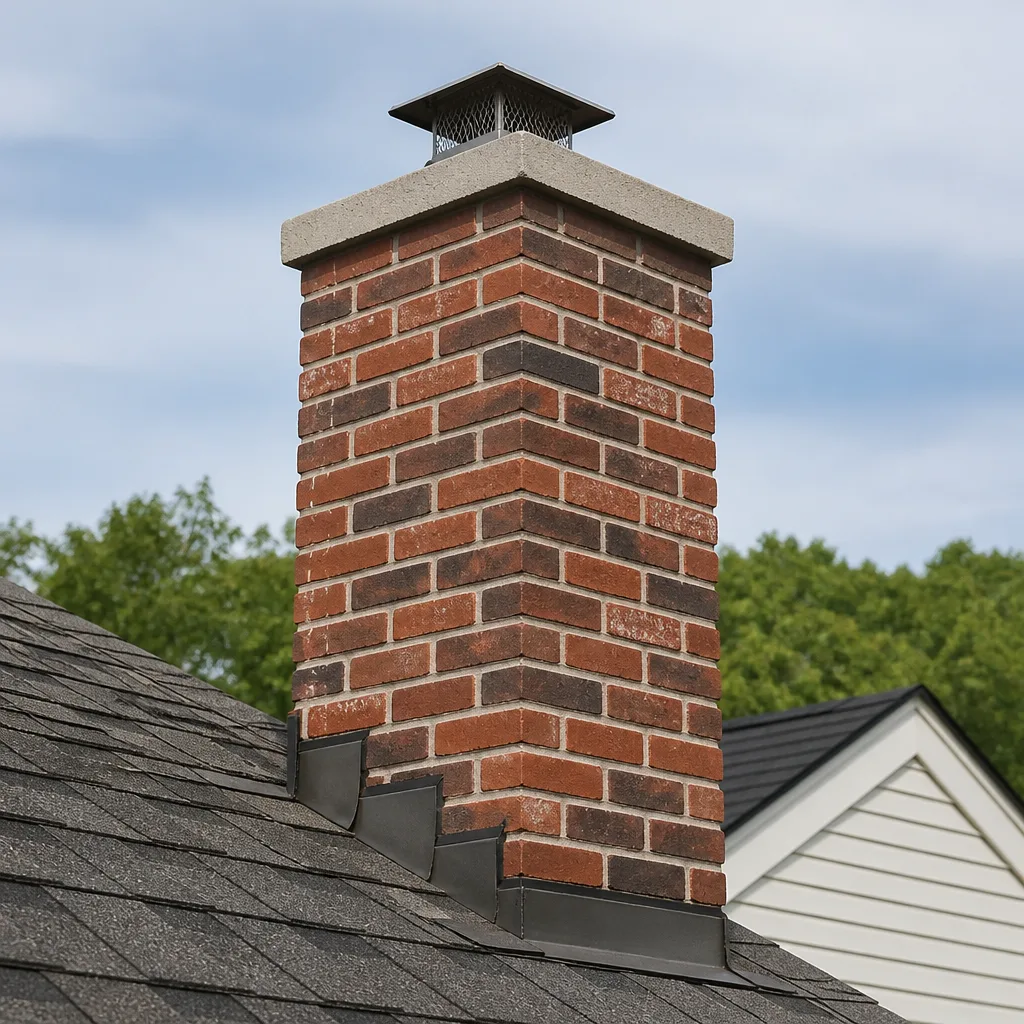 Masonry repair
 Gas fireplace service
Level 1 sweep and inspection to the NFPA 211 annual standard - flue, crown, cap, and flashing checked and photographed
Chimney sweep logs do not sweep chimneys. They loosen some creosote - which then falls where a brush and vacuum still have to collect it.
Chimney Cleaning Warning Signs: A Fort Collins Homeowner’s Reference Guide
That campfire smell drifting through the living room on a warm spring afternoon isn’t a quirky draft. It’s one of the most dependable signals that creosote has built up to a level that needs attention before the next fire. Most homeowners in Fort Collins blame the wood, the damper, or the weather. In our experience, the culprit usually lives inside the flue. This guide maps symptoms to causes so you can read what your chimney is telling you. You’ll learn which odors point to which deposits, how to tell a dirty flue from a house pressure problem, and which visual signs in the firebox are safe to check yourself.
Quick Answer
The most reliable chimney cleaning warning signs are a persistent campfire or musty smell inside the house, visible sooty or glazed deposits in the firebox, a fire that suddenly draws worse than it used to, and any sign of animal activity around the cap or crown. Any one of these means it’s time for a sweep and inspection. Schedule one before you light the first fire of the season.
Styles & brands we work with
- Sweep & inspection
- Caps & crowns
- Flue relining
- Masonry repair
- Gas fireplace service
Table of Contents
- What Chimney Odors Tell You About Your Flue
- Dirty Flue or Negative Pressure? How to Tell the Difference
- Visual Signs in the Firebox You Can Check Safely
- Why a Sudden Change in Draw Is an Urgent Warning
- Animal Activity: Swifts, Raccoons, and Squirrels in Fort Collins
- Creosote Stages and What Each One Means for Your Chimney
- Fort Collins Seasonal Timing: When to Book a Sweep
- When to Call a Professional
What Chimney Odors Tell You About Your Flue
A smell in the house is the warning sign homeowners notice first, and it’s often the one they misdiagnose. Each odor type comes from a different condition inside the flue. Learning to read them narrows down what’s actually happening.
Campfire smell when no fire is burning
A strong wood-smoke odor during warm weather is the most reliable indicator of heavy creosote accumulation. Creosote is a tar-like byproduct of incomplete combustion, and as temperatures rise outside, the flue stops drafting the way it does in winter. The smell has nowhere to go but into the house. If you catch campfire aroma on a 70-degree day in Fort Collins, treat it as an overdue cleaning notice. The deposits are thick enough that warm air is pulling the smell back down the flue.
Sulfuric or rotten-egg smell
A sour, sulfur-like odor usually points to moisture mixing with creosote or soot inside the flue. The most common cause is a leak around the crown or flashing that lets rain and snowmelt in. Fort Collins gets its share of spring snow and summer hail, and a cracked crown admits water readily. Moist creosote becomes acidic, which accelerates corrosion of the flue liner. Where a masonry flue is concerned, that moisture damage is far more serious than a simple soot problem.
Musty or damp-earth smell
A musty smell suggests a blockage or a dead animal in the flue. It can also indicate a masonry leak where water has soaked into the brick and mortar. In our experience, a musty chimney often pairs with a draft that has gotten worse recently. If you notice both together, the flue likely has an obstruction or a water intrusion problem, not just soot.
- Campfire smell, warm weather: heavy creosote deposits, cleaning overdue
- Sulfuric smell: moisture intrusion, usually a crown or flashing leak
- Musty smell: blockage, animal nest, or water-soaked masonry
- Smell only on windy days: pressure problem or incomplete cap seal
Any of these odors warrants a chimney sweep and a camera inspection. Photo evidence inside the flue settles what the smell alone cannot.
Dirty Flue or Negative Pressure? How to Tell the Difference
Not every smoke problem is a dirty chimney. Fort Collins has a lot of tightly insulated, well-sealed homes, and those houses can create negative pressure that pushes smoke back into the room even when the flue is spotless. The two problems look alike from the couch. They have completely different fixes.
Signs the flue is dirty
- The smell and smoke issues build up gradually over a season of burning
- You can see soot or glazed deposits when you look up the flue from the firebox
- The draft improves after a cleaning, then slowly worsens again
- Smoke rolls out only at fire start or when the fire is dying down
Signs the problem is house pressure
- The chimney draws well on mild days but backdrafts when the furnace or kitchen exhaust fan runs
- Smoke enters the room in a home with new windows or a recent insulation upgrade
- The problem appears only in certain weather, especially windy days
- Another appliance in the house (bathroom fan, dryer vent, range hood) triggers the smell
Tight homes in Fort Collins trap air so effectively that every exhaust fan pulls against the chimney. A dedicated chimney specialist diagnoses which cause is at work before recommending anything. A sweep clears the flue, an inspection confirms the liner is intact, and then pressure issues get addressed separately. If you’re not sure which problem you have, an inspection answers it. In many cases, the right call is to book a Chimney Sweep Fort Collins visit and let the camera do the talking.
Visual Signs in the Firebox You Can Check Safely
You don’t need to climb anything or reach up the flue to spot important warning signs. The firebox itself, plus the area just above it, shows what’s happening inside the chimney. These are safe checks with a flashlight and a few minutes.
Glazed deposits on the firebox walls
Shiny, black, tar-like patches on the brick are stage-three creosote, the most concentrated form. It’s the hardest to remove and the most flammable. Glazed deposits don’t come off with a standard brushing, which is why some jobs need chemical treatment or a specialized sweep. If you can see glazing, the chimney needs professional attention, and it shouldn’t wait for next fall.
Flaking material on the smoke shelf
The smoke shelf is the flat ledge just above the damper. Cracks or crumbling refractory material there usually point to water damage or a firebox that’s been overheated. Flaking material often signals that the firebox mortar has begun to break down. HeatShield firebox restoration resurfacing addresses exactly this kind of breakdown, and it holds up better than a spot patch. We use HeatShield because it’s a resurfacing system that restores the firebox rather than covering up the damage.
Oily staining on brick face
Oily stains on the brick facing tell you creosote is migrating through the masonry. That’s a sign of long-term accumulation, and it can carry an odor even when no fire has burned for months. The fix starts with a cleaning, then a proper liner evaluation.
Cracks in the firebox brick or mortar joints
Visible cracks are worth flagging immediately. They can let heat escape into the wall cavity, and they can be a path for carbon monoxide. We won’t diagnose a firebox problem over the phone. What we will do is put a camera inside and show you the cracks ourselves, and let you see exactly what needs repair. When the fix calls for a flexible stainless liner, we install a DuraFlex system to the correct diameter, which is a job best left to a chimney specialist rather than a general contractor.
Why a Sudden Change in Draw Is an Urgent Warning
A chimney that always drew poorly is a nuisance. A chimney that drew well last year and now struggles is a warning. Sudden changes point to structural issues that didn’t exist before, and those need to be identified before the next fire.
These are the scenarios that produce a sudden drop in draft:
- Liner collapse or separation. Masonry flue tiles can crack and shift, especially after a chimney fire. A stainless liner can also break at a joint. Either way, the flue’s cross-section changes and the draft falls.
- Obstruction in the flue. A bird’s nest, an accumulation of soot, or a dislodged cap can block part of the flue. Draft takes a nosedive.
- Damper failure. A broken damper left half-closed chokes the fire. If your damper no longer opens fully, the chimney can’t draw.
- Backdraft from pressure changes. A new appliance, new windows, or a renovation can flip the house pressure enough to overpower a chimney that worked fine before.
- Crown or cap damage. A cracked crown after a hail event or a winter freeze can let water in, which swells masonry and narrows the flue.
Gradual decline is normal and gets caught at your annual sweep. A sudden change deserves a call sooner. “The next fire is a chance to burn it in,” isn’t worth saying twice; the chimney tells the story here, not the schedule. When in doubt, we recommend inspection. We answer 24/7. Fast dispatch from 7am to 7pm, Sunday through Friday.
Animal Activity: Swifts, Raccoons, and Squirrels in Fort Collins
Fort Collins sits right against the foothills, and the local wildlife doesn’t limit itself to the backyard. Chimneys are prime nesting sites for several species, and the signs they leave behind are easy to misread as a simple cleaning problem.
Chimney swifts
Swifts return to the area each spring and nest in uncapped chimneys. Their nests stick to the flue wall with saliva, which makes them nearly impossible to remove without professional equipment. Chirping or rustling coming down the flue during warm months is a strong sign. Beyond noise, a swift nest narrows the flue and can cause the draft to drop.
Raccoons and squirrels
Both species like the warmth of a masonry chimney in cooler weather. A raccoon on the smoke shelf is common in Fort Collins, and a squirrel that falls into an open flue will leave behind nesting material, droppings, and a bad odor. If you hear scratching or notice a musty smell in winter, the animal may still be inside. Never light a fire to “flush” an animal; that’s dangerous for the animal and for your home.
How to tell if the chimney is compromised, not just dirty
Nesting activity can do more than clog the flue. Bird droppings are acidic, and prolonged exposure etches and weakens masonry. Clawing and chewing can damage a liner. A cap that has been dislodged or bent signals an animal has been climbing on it. When we encounter these signs, an inspection determines whether the masonry itself has been affected. If a new cap is warranted, we install a correctly sized model from manufacturers like Olympia Chimney, so the fix protects the flue going forward instead of just closing the door this season.
Call (833) 740-1407 when you suspect an animal. We answer 24/7. A call outside dispatch hours is booked into the next opening, Sunday through Friday, 7am to 7pm.
Creosote Stages and What Each One Means for Your Chimney
Creosote is the most common reason a chimney needs cleaning, and it comes in three recognizable stages. Telling them apart matters because they call for different levels of attention. What you can see from the firebox or hear from a technician gives you a clearer picture of where your chimney stands.
Stage 1: Sooty, powdery flakes
This is normal. A thin layer of soot and light creosote brushes off with standard sweep tools. Annual cleaning keeps it from progressing. If your firebox shows only soot, you’re likely in good shape.
Stage 2: Crunchy, flaky deposits
Thicker, crustier deposits form when the fire burns cooler than ideal or when wet wood is used. Stage 2 creosote is harder to remove and increases fire risk. It calls for a deeper sweep, and often a check of the liner to confirm nothing has cracked.
Stage 3: Glazed, hardened tar
Stage 3 is the most concentrated creosote, shiny and stubborn. It burns hotter than the other stages and is the most serious fire hazard. Removing it demands chemical treatment or specialized sweeping techniques that a typical sweep won’t handle. For homeowners in Fort Collins who burn regularly through the winter, this is the stage that catches people off guard. It builds quietly.
An annual cleaning keeps you ahead of buildup. We specify products like Gelco when chemical treatment is the right method for stage 3 deposits. A camera inspection confirms the flue is clear at the end, and you get a photo report showing exactly what we found.
Fort Collins Seasonal Timing: When to Book a Sweep
The best time to sweep a chimney in Fort Collins is late summer or early fall, before the first fire of the season. Booking then gives you time to address any repair before cold weather. It also avoids the rush that hits once temperatures drop and everyone tries to schedule at once.
The Fort Collins climate factor
Fort Collins winters swing between dry, cold spells and warmer snaps that produce freeze-thaw cycles. That cycling stresses masonry: water gets into small cracks, freezes, expands, and opens them further. Snowmelt running over a cracked crown does the same thing from the top down. A spring inspection catches winter damage before it becomes summer rot. Whether your home is in Old Town or near the foothills, the freeze-thaw pattern is the same and worth planning around.
Wood selection and burn habits
Seasoned hardwood burns hotter and produces less creosote than green or soft wood. If you burn wood that hasn’t dried out, expect faster buildup and a shorter interval between cleanings. Some homes that burn heavily need two sweeps a year.
- Spring: Inspect for winter damage, especially the crown and flashing.
- Late summer: Schedule the sweep so any repair can be done before cold weather.
- First fire of the season: Confirm the damper works and the draft feels normal.
- Midwinter: If you notice a new smell or a change in draw, call for inspection.
- Year-round: Watch for odors on warm days, the most reliable early indicator of creosote buildup.
If you’re selling a Fort Collins home or buying one, our standalone inspection service documents the chimney’s condition so a real estate transaction doesn’t hide a surprise. We work with Fort Collins homeowners, buyers, and sellers on that basis, no strings attached.
See the difference
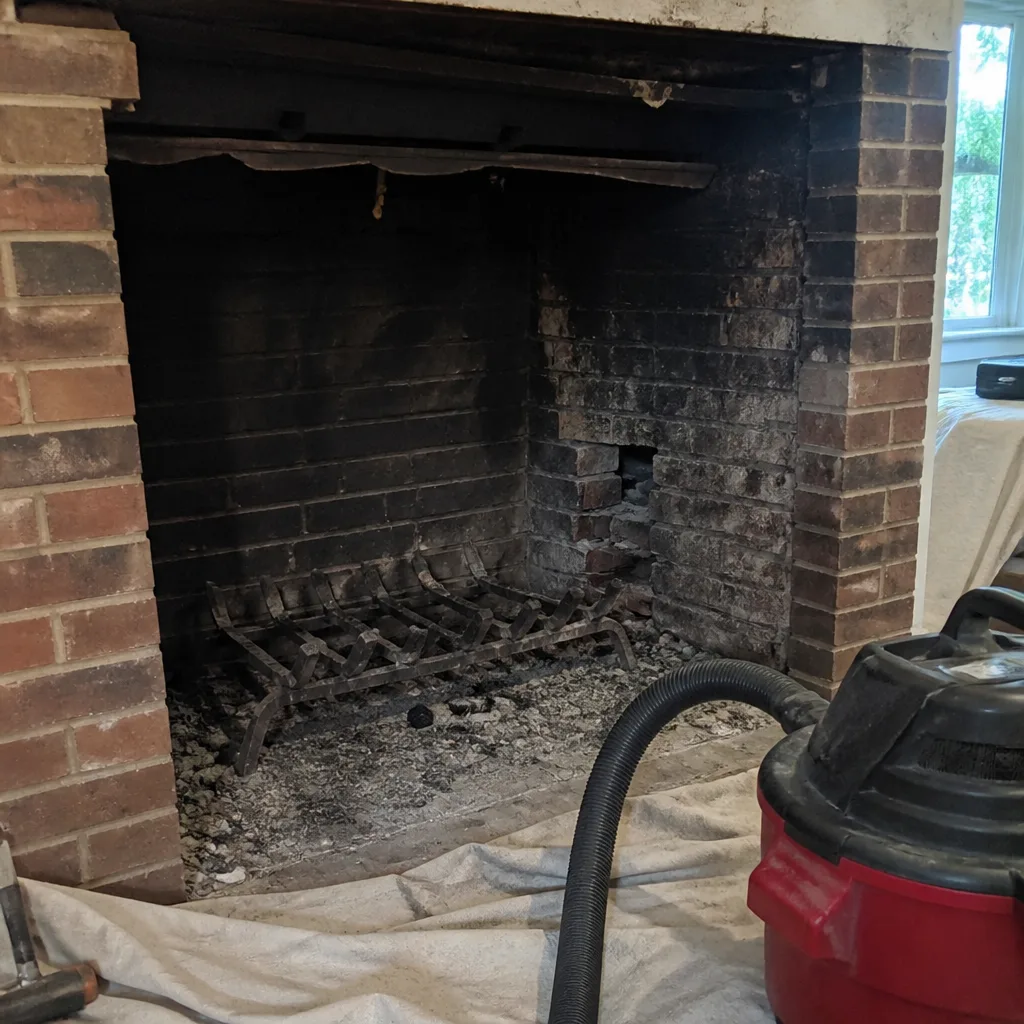 Before
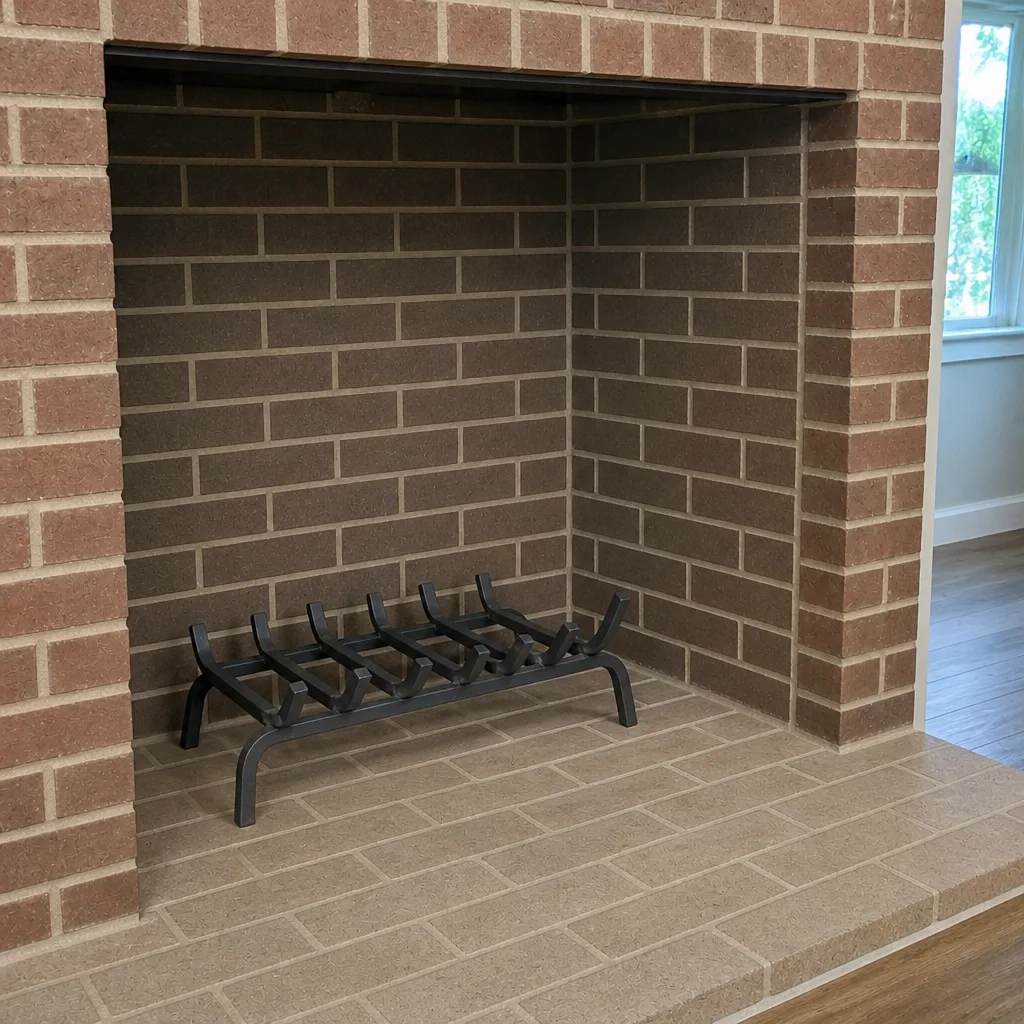 After
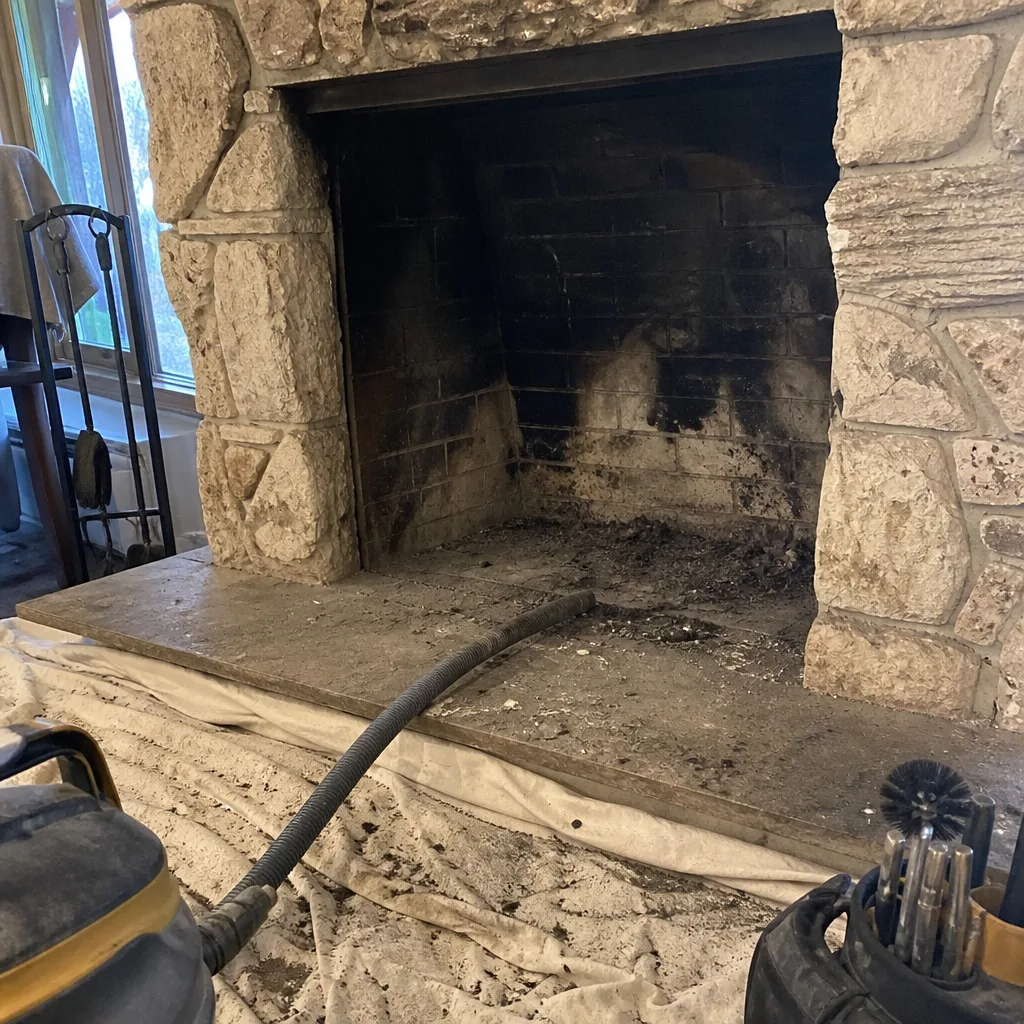 Before
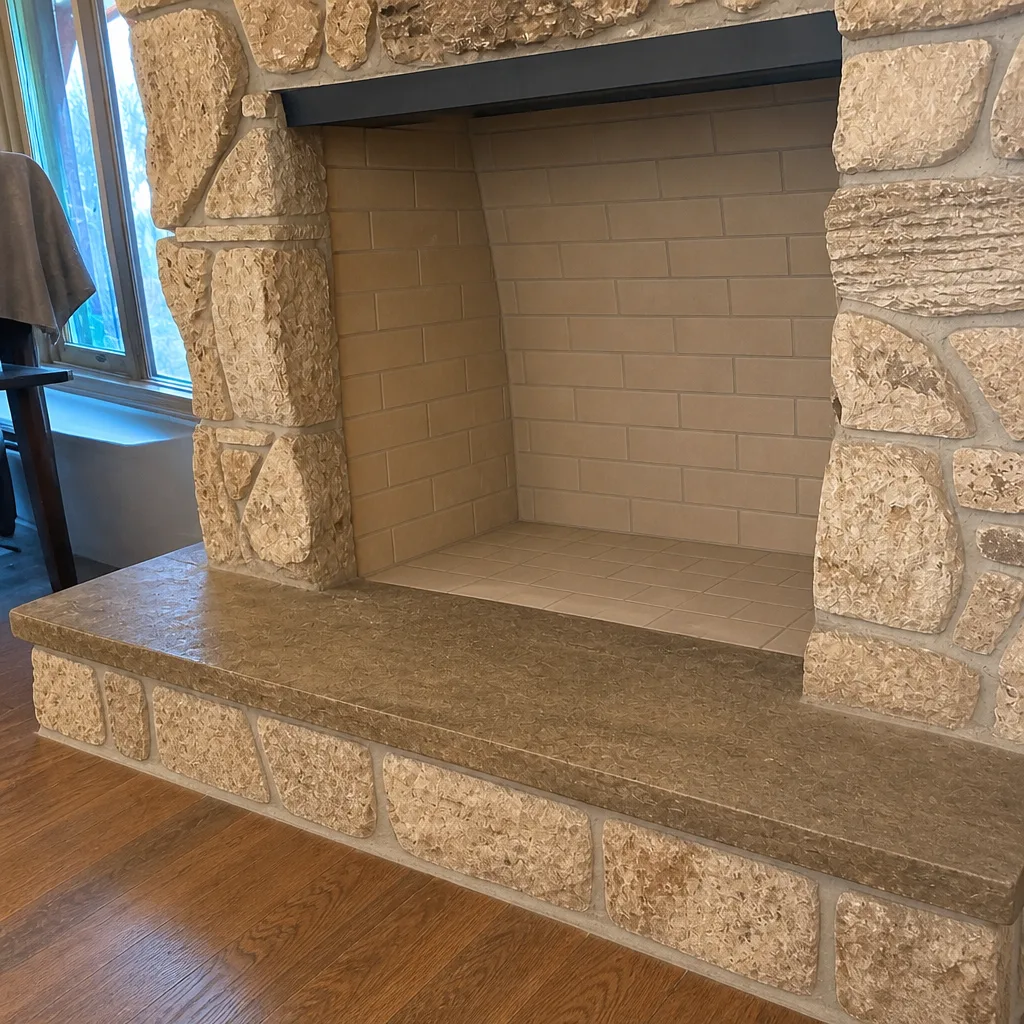 After
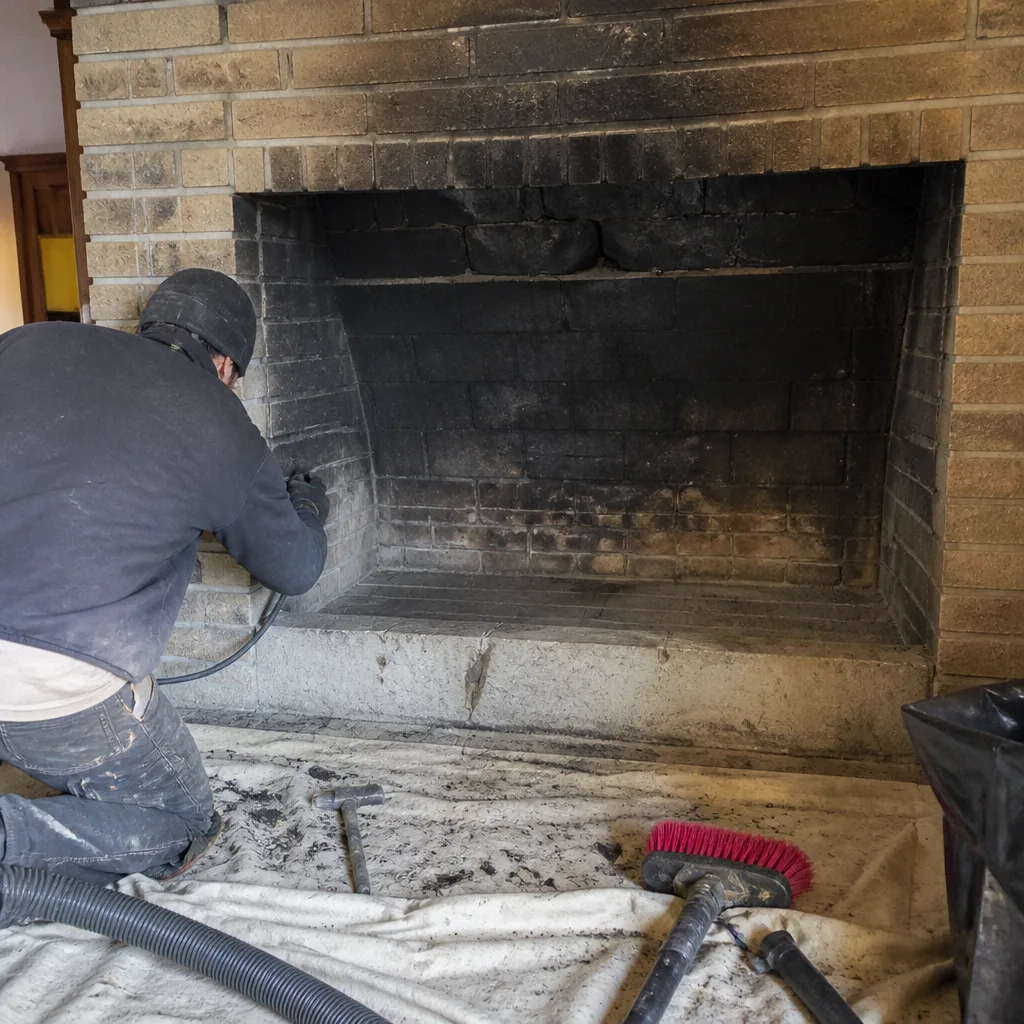 Before
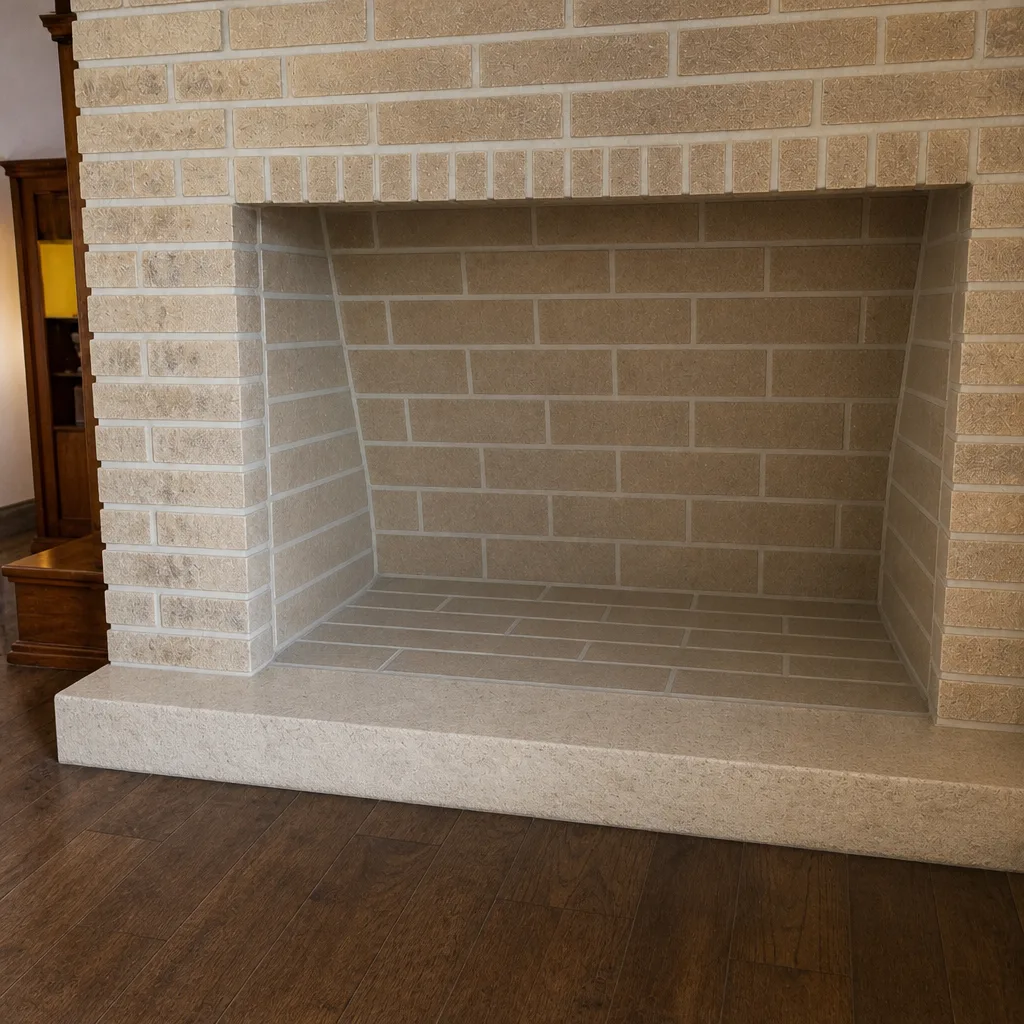 After
Common Mistakes to Avoid
- Blaming the wood for the smell. Wood type does affect creosote production, but a persistent campfire odor during warm weather is a deposit problem, not a wood problem. A cleaning tells you for certain.
- Assuming a smoking fireplace is always a dirty flue. Tightly insulated Fort Collins homes often have negative pressure, which looks identical from the couch. The fix is different, and a qualified inspection is the only reliable way to tell which one you’re dealing with.
- Skipping the camera inspection. A cleaning that doesn’t confirm the liner is intact leaves half the question unanswered. Glazed creosote, cracks, and blockages only show up when someone looks.
- Lighting a fire to drive an animal out. This is dangerous for the animal and can ignite a nest inside the flue. Call a chimney specialist instead.
- Ignoring a sudden draft change. Gradual decline is normal, a rapid drop is not. A chimney that suddenly stops drawing can indicate a structural problem that no amount of brushing will fix.
- Relying on a general handyman for repairs. Firebox resurfacing with HeatShield, liner installation with DuraFlex, and correctly sized caps from brands like Famco or Copperfield require specialized knowledge and materials. A generalist will often patch over the problem instead of solving it.
- Waiting until the first cold snap. Booking in fall means you’re competing with every other Fort Collins homeowner. Late summer gives you a real window to fix what the inspection finds.
When to Call a Professional
Call a professional chimney specialist if any of these are true for your home in Fort Collins:
- You notice a campfire, sulfuric, or musty smell in the house when no fire is burning
- You can see glazed deposits, oily staining, or cracked mortar in the firebox
- Your fire has suddenly stopped drawing as well as it used to
- You hear rustling or scratching in the flue
- You haven’t had the chimney swept since buying the house and don’t know when the last one happened
- You’re buying or selling a Fort Collins home and the chimney’s condition isn’t documented
Not every sign means disaster. Some jobs can safely wait until spring, and we’ll say so. But any sign of creosote buildup, an obstruction, or a change in draft deserves a look. Chimney Sweep Fort Collins offers free estimates in Fort Collins. Call (833) 740-1407. We answer 24/7, and we confine our work to sweeping, inspection, and chimney repair so you get a specialist, not a handyman with a brush. Nothing gets recommended without camera evidence you can review yourself, and every job is priced by a written estimate agreed before work begins.
Frequently Asked Questions
Once a year as a baseline, and more often if you burn heavily or burn unseasoned wood. Fort Collins winters can produce a lot of creosote, so heavy users often need a midseason check too. When the sweeping surface reaches about a quarter inch of buildup, it’s time. Call (833) 740-1407 to book an inspection and get a clear answer for your specific chimney.
It usually means creosote has built up to a level where warm air pulls the smell back into the house. It’s one of the most reliable early warning signs. Treat it as an overdue cleaning notice rather than a draft quirk. Call (833) 740-1407 and we’ll schedule a sweep and inspection.
You can spot the difference with a couple of tests, but the diagnosis is best confirmed by inspection. If the smoking happens only when an exhaust fan or furnace is running, negative pressure is likely. If it builds gradually and improves after a cleaning, the flue is dirty. When you’re not sure, a professional can identify the cause and fix it once. Call (833) 740-1407 – estimates are free.
Stage-three glazed creosote, cracked flue tiles, and heavy soot deposits all raise fire risk. A sudden drop in draw and a strong burning smell during a fire are red flags. If any of these apply in your Fort Collins home, stop burning and schedule an inspection. Call (833) 740-1407. We’ll tell you what we found and exactly what it costs to fix it, before work starts.
A damaged liner isn’t a nice-to-have. It’s your protection against heat reaching the house and against carbon monoxide coming back into the living space. If the camera shows cracks or separation, relining with DuraFlex is usually the answer. If the liner is intact, we’ll tell you, and we won’t recommend a reline. Call (833) 740-1407 to see for yourself.
Chimney swifts, raccoons, and squirrels are the most common. Chirping, scratching, and musty odors are the giveaways. Never light a fire to drive them out. A chimney cap from a manufacturer like Olympia Chimney stops the problem recurring once the chimney is cleared. Call (833) 740-1407 if you suspect an animal is inside.
The Bottom Line
Most chimney warning signs hide in plain sight. A smoky smell gets blamed on the wood when the real issue is creosote. A smoking fireplace gets blamed on the damper when the flue or the house pressure is the actual cause. Reading your chimney correctly means knowing the difference, and this guide gives the map for Fort Collins homes. Watch for odors on warm days, glazed deposits in the firebox, sudden changes in draw, and any trace of animal activity. Sweep annually, inspect before buying or selling, and call a specialist the moment something doesn’t feel right. Photo evidence before any repair keeps the decision in your hands. When you’re ready, we’re ready. A single call covers the sweep, the inspection, and any repair.
Ready to schedule? Call Chimney Sweep Fort Collins at (833) 740-1407 for a free estimate. We answer 24/7. Fast dispatch from 7am to 7pm, Sunday through Friday. Our technicians have up to 15 years of experience, and we work with professional-grade brands so the materials inside your chimney match the quality of the work.
Written by the team at Chimney Sweep Fort Collins.