
Last updated November 16, 2026
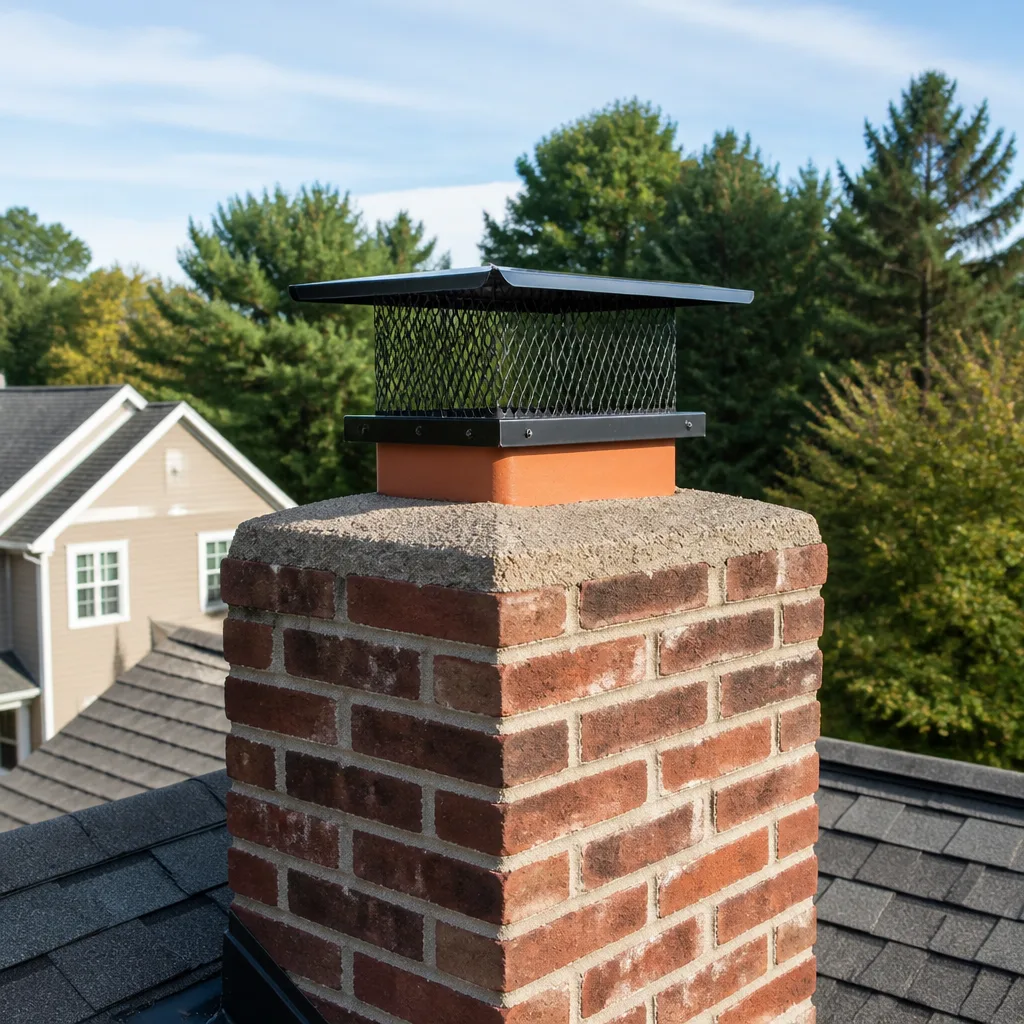 Sweep & inspection
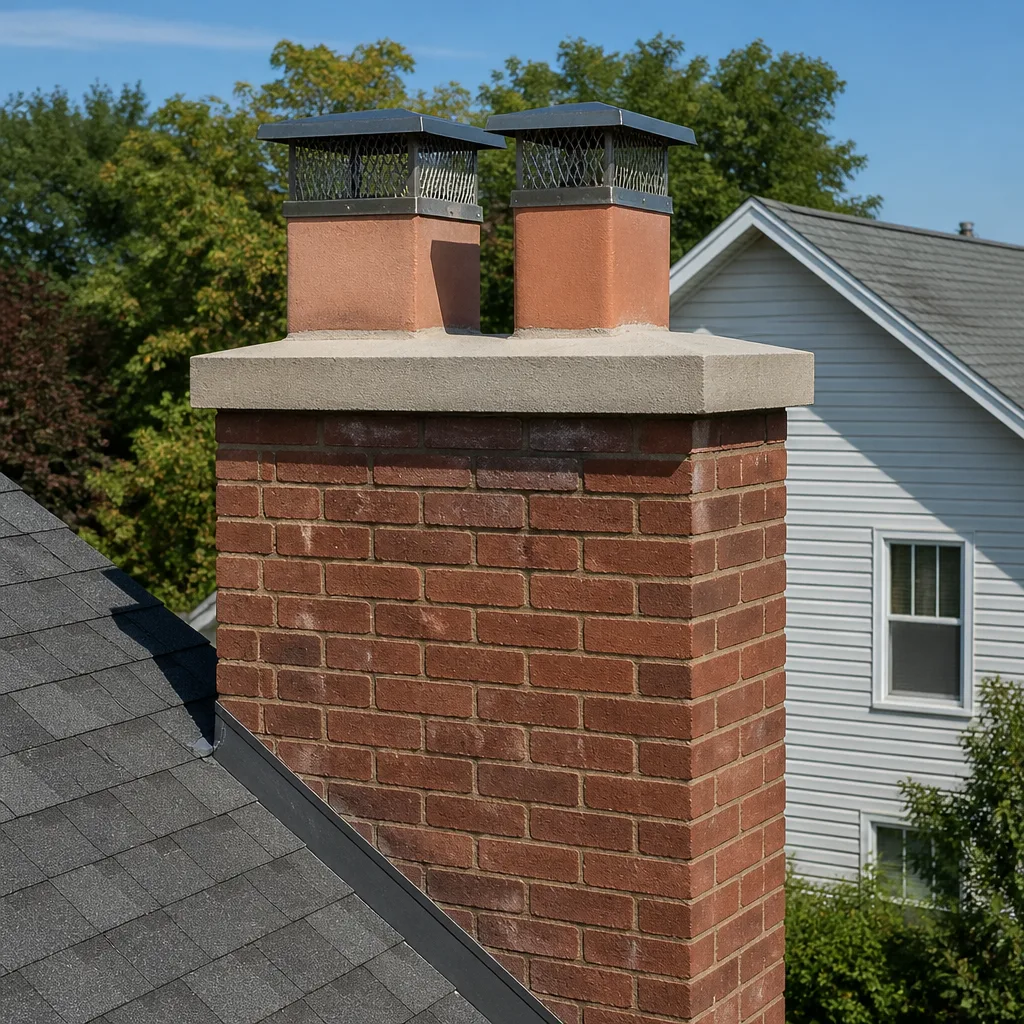 Caps & crowns
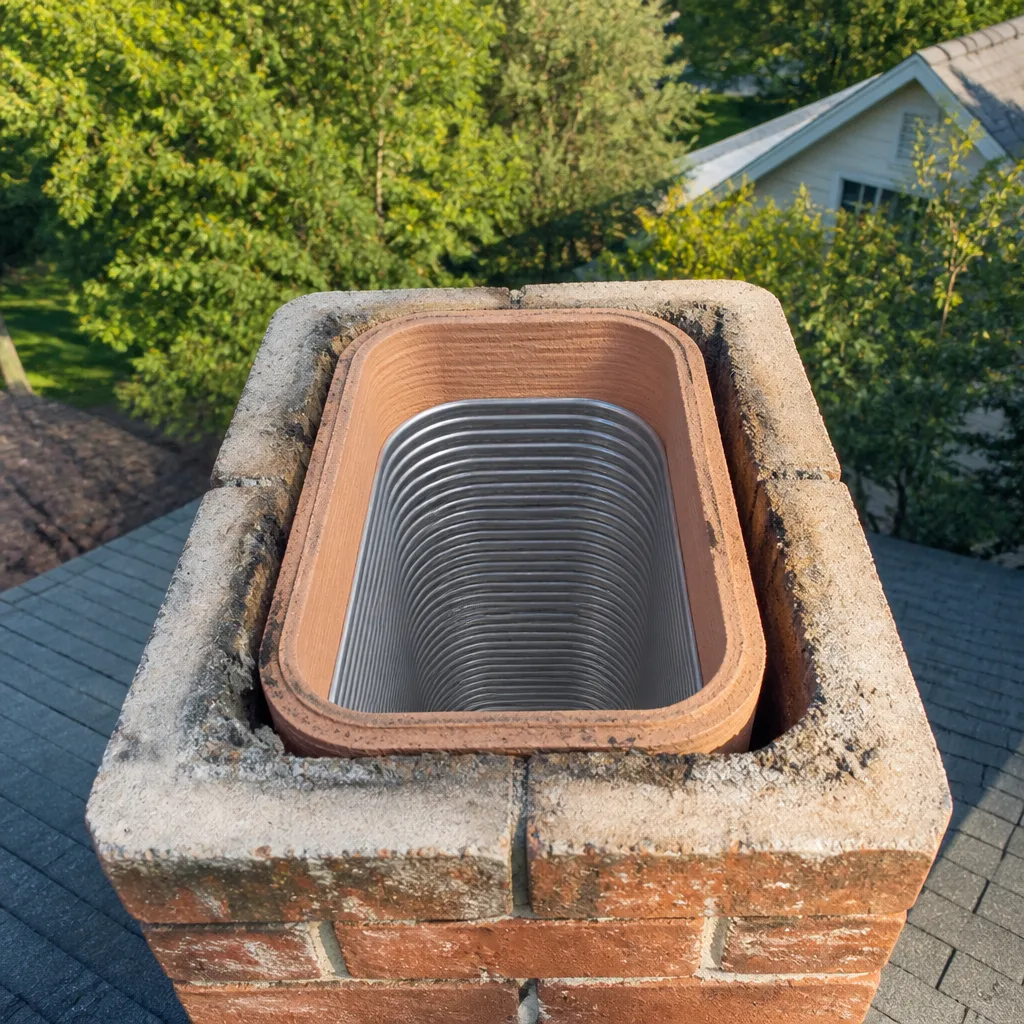 Flue relining
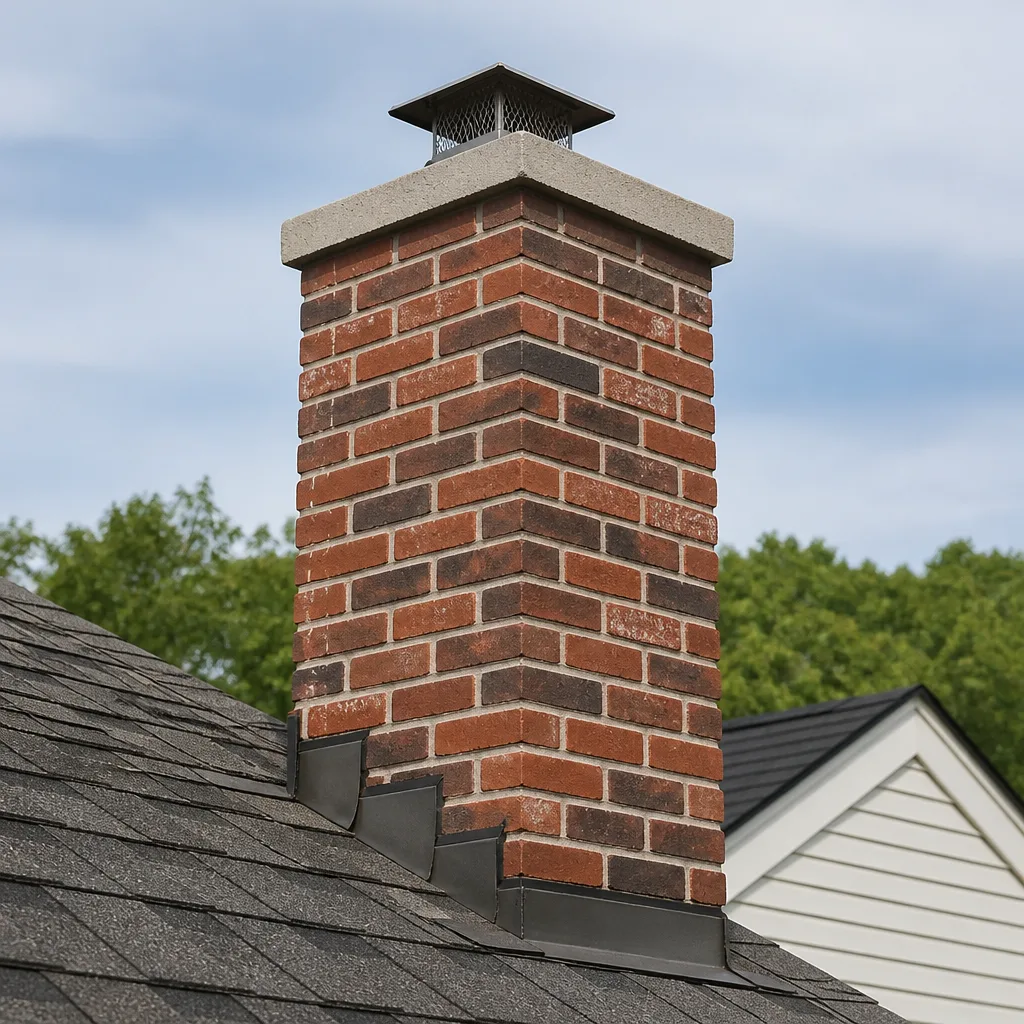 Masonry repair
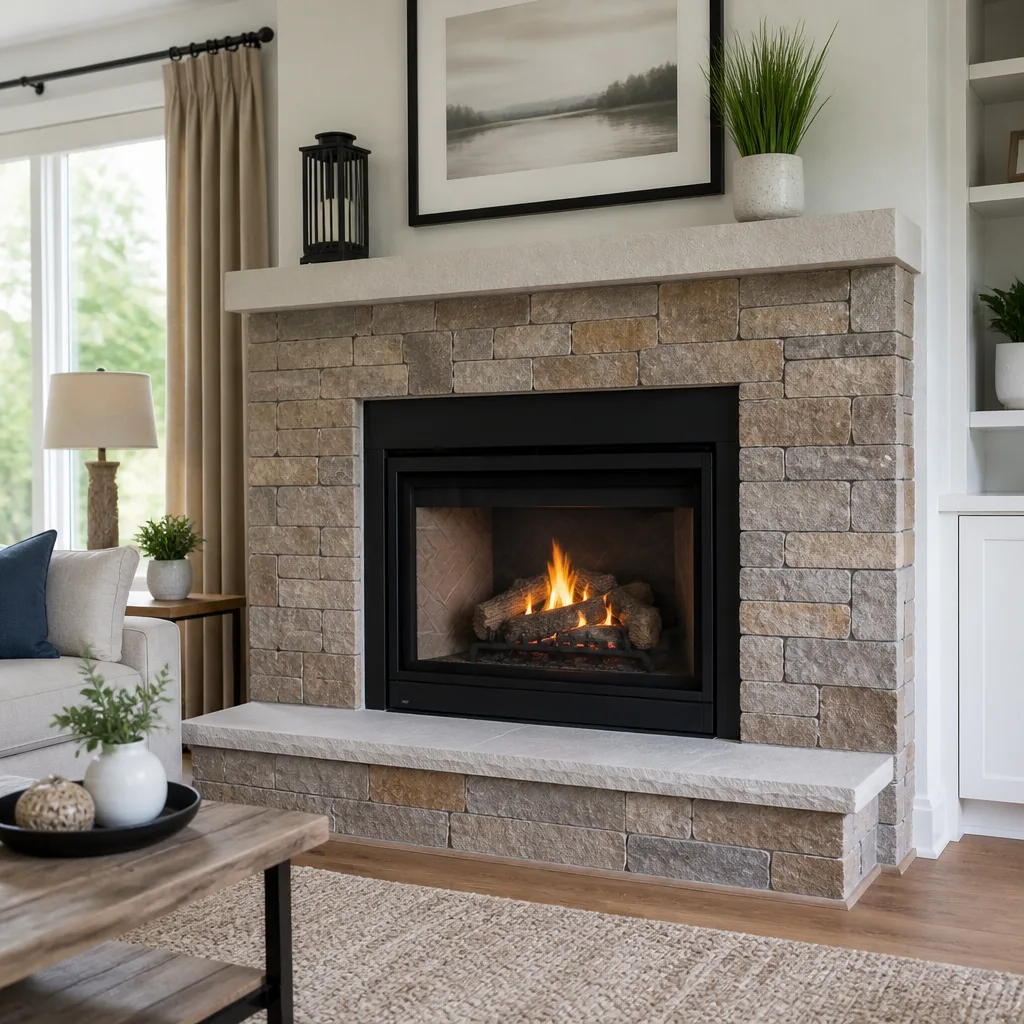 Gas fireplace service
Level 1 sweep and inspection to the NFPA 211 annual standard - flue, crown, cap, and flashing checked and photographed
Chimney sweep logs do not sweep chimneys. They loosen some creosote - which then falls where a brush and vacuum still have to collect it.
Chimney Sweep Troubleshooting in Fort Collins: Common Problems and How to Fix Them
Most of the chimney problems we get called about in Fort Collins get blamed on the wrong thing. Homeowners decide the wood is green, or the fireplace is just old, or the house has always been a little smoky. Those aren’t diagnoses. They’re guesses, and a guess tends to lead to the wrong fix: a cleaning when you needed a cap, a rebuild when you needed a new damper. This guide is built to change that. It maps specific symptoms to specific mechanical causes so you can tell what kind of problem you’re dealing with before anyone shows up at your door.
Quick Answer
Chimney problems in Fort Collins usually trace to one of five mechanical causes: excessive creosote buildup, a blocked or undersized flue, negative pressure in the house, a damaged cap or damper, or structural deterioration in the masonry. The symptom tells you which one you’re dealing with. Smoke rolling back into the room points toward draft and pressure problems, while odors on warm days point toward creosote or moisture. Weak draw when a fire is lit points toward flue size and elevation limits.
Styles & brands we work with
- Sweep & inspection
- Caps & crowns
- Flue relining
- Masonry repair
- Gas fireplace service
Table of Contents
- Symptom-to-Cause Map: What Your Chimney Is Telling You
- Smoke Rollback: The Five Root Causes
- How Fort Collins Elevation and Front Range Wind Create Draft Problems
- The Self-Triage Decision Tree: Clean, Repair, or Accessory
- Creosote Stages 1, 2, and 3: Why the Fix Changes
- Odors and Staining: What They Mean
- Caps and Dampers: Small Parts, Big Symptoms
- Common Mistakes to Avoid
- When to Call a Professional
Symptom-to-Cause Map: What Your Chimney Is Telling You
Treat your chimney like any other system in the house. It gives you signals, and each signal has a mechanical explanation. The trap most homeowners fall into is treating every signal as “it needs a cleaning.” Sometimes that’s exactly right. Sometimes the sweep arrives, cleans, charges you, and the problem is unchanged because the real issue was never soot in the first place.
The map below is how we think about it when we open a firebox and start working through a diagnosis. Symptoms overlap, and one problem can produce two symptoms. But this framework will put you in the right category before you schedule.
- Smoke rolls back into the room – draft and pressure problem, damper or flue-height issue, or a flue that’s too small for the firebox opening. Rarely a cleaning problem alone.
- Weak draw with the fire lit – flue size, flue height above the roofline, or the density of air inside the house fighting the chimney. Common in Fort Collins because of elevation.
- Odor when the fireplace is idle – creosote, moisture, or a downdraft pulling air back into the room. Odors get worse on warm, still days.
- Dark staining on the mantel or smoke stains above the opening – draft spilling at the top of the opening, which usually points at the smoke chamber or the flue-to-opening relationship.
- White staining on exterior brick – moisture moving through masonry and leaving mineral deposits. Not a cleaning problem at all; it’s a water problem.
- Rust or corrosion in the firebox – water intrusion from a failed cap, crown, or flashing.
- Crumbling mortar joints inside the firebox – thermal damage, and the kind of structural issue that needs an actual repair material, not a patch.
If you read that list and one line matches exactly what you’ve been seeing, you’re already ahead of the average call. The chimney repair work we do most often in Fort Collins starts with a symptom on that list, and the homeowner has usually been treating it as a different problem for a season or two.
Smoke Rollback: The Five Root Causes
If your fireplace smokes back into the room, the cause is almost always one of five things. Sometimes more than one is present. We’ve been called out to fireplaces where the homeowner believed the chimney was blocked, but the real issue was a flue sized for a much smaller opening, or the house pulling a negative pressure from a kitchen exhaust fan running on the same floor.
The five causes, in the order we check them:
- Negative pressure inside the house. Modern homes are tight. When other exhaust appliances run (bath fans, kitchen hoods, a clothes dryer), they pull air out faster than the chimney can replace it. The chimney then draws air down instead of up.
- Blocked or partially blocked flue. A bird nest, a collapsed flue tile, sagging mortar, or heavy creosote can restrict the flue. This is the one homeowners assume is the problem, but it’s frequently not.
- Flue too large for the firebox opening. A flue that’s oversized for the opening cools the smoke too quickly, killing the draft. This one surprises people.
- Flue too short above the roofline. A flue has to clear the roof by a certain amount, and on complex rooflines the flue can end up in a turbulent zone where wind spills smoke back down.
- The smoke chamber is too shallow or rough. Smoke rolling off a sharp or undersized smoke chamber trips into the room. This is where HeatShield resurfacing does real work, because it smooths the smoke chamber into a proper transition.
Notice what isn’t on that list: bad wood. Green wood produces more smoke, but it doesn’t cause rollback on its own. If you cut, split, and season your wood properly and the fireplace still smokes back, one of the five causes above is at work and needs a proper diagnosis.
How Fort Collins Elevation and Front Range Wind Create Draft Problems
A chimney that drafts fine at sea level can draft poorly in Fort Collins, and it isn’t a mystery. Two things are happening.
The first is elevation. Fort Collins sits above 5,000 feet, where the air is thinner and holds less oxygen. A fire needs a certain oxygen supply to produce the heat that drives the draft upward. At elevation, the fire burns with less available oxygen per cubic foot of air, so the heat output drops, and the draft drops with it. That changes the flue sizing math. A flue that’s marginally sized at sea level can become genuinely inadequate here, and a fireplace that worked fine for a previous owner may not work at all once the house changes hands and the way the house is used changes with it.
The second is the wind. The Front Range produces strong, gusty wind patterns, especially through the foothills transition and along the western edge of town near the ridges. Wind does two things to a chimney. Gusts blowing across the top of the flue can create pressure that pushes smoke back down, and the roofline itself creates turbulence in certain wind directions. Homes near the foothills and along exposed ridges feel this more than homes tucked into neighborhoods with taller tree cover.
What actually fixes it:
- A properly sized flue. If the flue is oversized for the opening, a correctly sized stainless liner (DuraFlex is what we specify for flexible applications) restores the draft by matching the flue to the fire.
- Height correction. Adding flue height above the roofline moves the termination point out of the turbulent zone. This is a real fix, not a gimmick.
- A wind-resistant cap. Certain cap designs break up the wind pressure at the top of the flue and materially reduce downdrafts on windy Front Range days.
- Combustion air. A tight house at elevation needs a way to pull replacement air in. Sometimes the draft “problem” is really a house ventilation problem.
The mistake is to treat elevation as an unavoidable fact and give up on the fireplace working well. It isn’t unavoidable. It just requires the diagnosis to account for it, which is why we ask about the house, the neighborhood, and the appliances when we do a chimney sweep in Fort Collins.
The Self-Triage Decision Tree: Clean, Repair, or Accessory
Here’s the practical sequence we walk homeowners through when they call with a symptom and aren’t sure what category it falls into. Work through this in order. Stop at the first match. The point of a decision tree is that later branches get skipped when an earlier one explains the problem.
- Did the problem appear right after you burned a load of wet or unseasoned wood? If yes, the fire was producing excess smoke and excess creosote. Do a proper sweep, season your wood, and watch. If the problem clears, you’re done.
- Do you smell a strong, acrid odor when the fireplace is idle, especially on warm days? If yes, you have a creosote problem. The fix is a cleaning, and possibly a product to address the creosote smell. This is the creosote stage question at step 5.
- Do you have smoke rolling back into the room, but only when certain other appliances are running? If yes, you have negative pressure. The fix is usually a combustion air adjustment or a draft correction, not a cleaning.
- Do you see staining above the fireplace opening, or visible damage to the firebox, damper, or cap? If yes, the fix is repair. Damaged components don’t fix themselves with a cleaning, and the Chimney Sweep Fort Collins team treats repair and cleaning as one job for this reason.
- Have you had a cleaning recently and the symptom is back? If yes, the cleaning wasn’t the answer. Something structural or mechanical is producing the symptom repeatedly. That needs an inspection and a repair plan.
- Ruled out everything above, and the fireplace drafts fine? If yes, this is probably a normal operational issue. Check your wood, your fire-building method, and whether the damper is fully open. That’s not a repair.
What this decision tree saves you from is paying for the wrong fix first. A cleaning on a house with a pressure problem costs money and solves nothing. An inspection on a house that just needs a sweep is a reasonable expense, but it’s not necessary if the symptom clearly points at creosote and the chimney hasn’t been swept in a season.
Creosote Stages 1, 2, and 3: Why the Fix Changes
Creosote is the residue left behind by wood smoke. It comes in three distinct stages, and the stage determines the fix more than any other factor. This is one of the most important things to understand, because the difference between stage 1 and stage 3 changes the job from a routine sweep to specialized removal work.
Stage 1 creosote is a light, sooty, flaky deposit. It’s what you’d see after a normal season of burning well-seasoned wood. A brush sweep removes it completely. This is the routine annual sweep.
Stage 2 creosote is a thicker, flakier, tar-like deposit. It doesn’t brush off as easily, and it tends to build up in corners and on flue surfaces. It’s still removable with proper tools, but it takes more time and a more careful sweep. Homeowners see this when they’re burning more often than they’re sweeping.
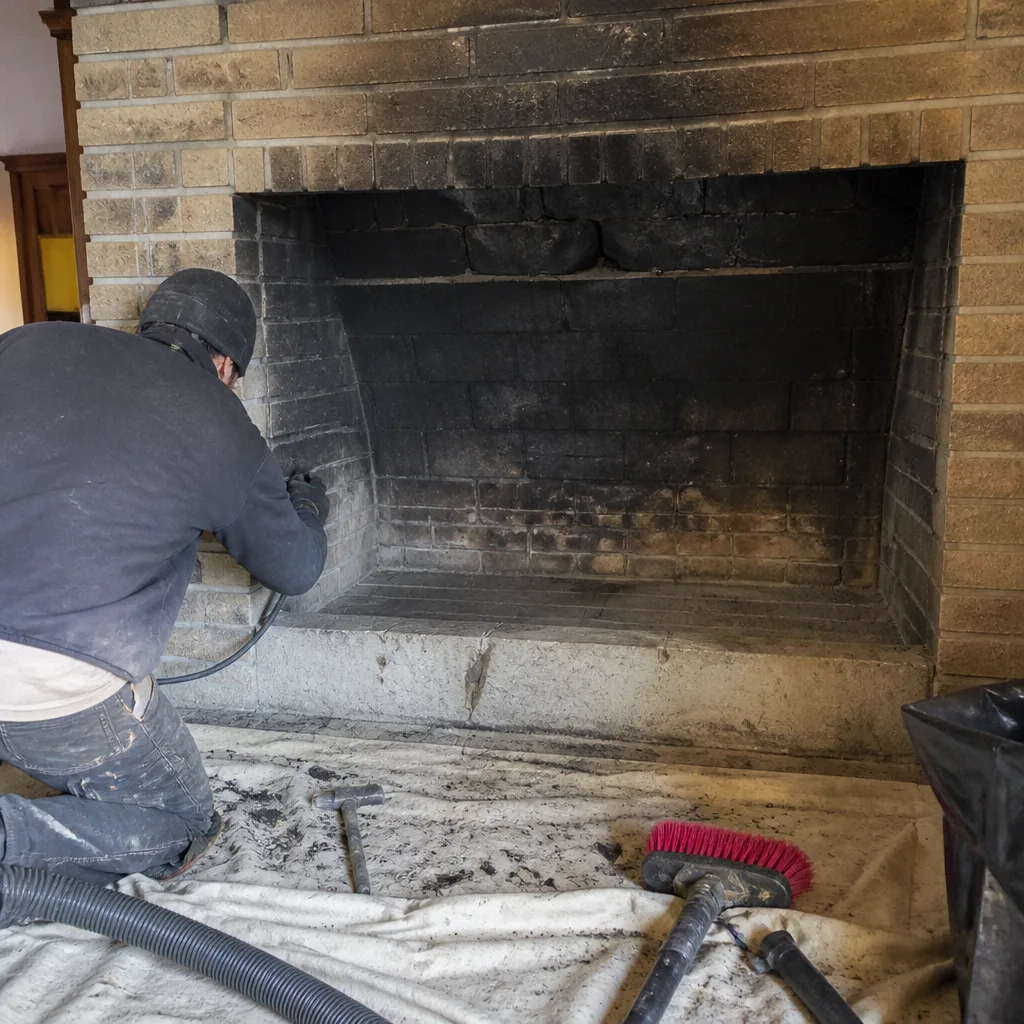
Stage 3 creosote is the hard, glazed, tar-like coating. It looks a bit like a glossy black shell on the flue wall, and a standard brush skips across it. Removal requires specialized tools and technique. And this is the important part: stage 3 creosote is the type most closely associated with chimney fires. It’s the reason we take a careful look before we start sweeping, and the reason we don’t quote a routine cleaning over the phone before we’ve seen the flue.
Why the buildup varies from house to house in Fort Collins comes down to four things: how seasoned the wood is, how hot the fire burns, how often the chimney is swept, and how well the flue matches the fire. A fire that burns cool (wet wood, a smoldering fire, or a flue that’s oversized for the opening) deposits creosote much faster than a clean, hot fire in a properly sized flue.
| Creosote Stage | Appearance | Typical Fix |
|---|---|---|
| Stage 1 | Light soot, flaky | Routine brush sweep |
| Stage 2 | Thicker, tar-like flakes | Careful sweep with appropriate tools |
| Stage 3 | Hard, glazed, glossy black | Specialized removal; sometimes a liner replacement |
The other reason stage matters is that a chimney with stage 3 creosote is often the same chimney that needs relining, because the glazed deposits already indicate conditions that damage flue tiles over time. That’s a discussion to have in person, after an inspection, not something to guess about beforehand.
Odors and Staining: What They Mean
Odors when the fireplace is idle mean the chimney is never truly clean, even if it looks fine. There are three common sources.
The first is creosote. As the chimney warms up in the spring and early fall, creosote deposits release odors into the house. This is one of the most common complaints in Fort Collins and the simplest to fix with a cleaning.
The second is moisture. Water coming in through a failed crown, a cracked cap, or bad flashing interacts with creosote to create a stronger, sour smell. If your fireplace smells worse after rain or snowmelt, moisture is at work, and the fix is finding and sealing the entry point before it does more damage.
The third is downdraft. A chimney that isn’t currently drafting pulls air down from the top, and that air carries the smell of the flue into the house. A top-sealing damper (we use Olympia Chimney damper systems for this) prevents the stack effect from reversing when the fireplace is idle, which is the actual fix rather than a cover-up.
White staining on exterior brick is a related but different problem. It’s called efflorescence, and it’s moisture moving through the masonry and leaving mineral salts behind. It doesn’t come off with a cleaning. It comes off with addressing the moisture source and, where the brick has been damaged, restoring the affected area. Dark staining above the firebox opening is a draft symptom, usually spilling smoke, and belongs in the smoke rollback section above.
Caps and Dampers: Small Parts, Big Symptoms
Two of the smallest components in the chimney produce some of the most confusing symptoms, and both get overlooked when a homeowner assumes every problem is a cleaning problem.
A chimney cap seems trivial. It’s not. A cap does three jobs: it keeps rain and snow out of the flue, it keeps animals and debris out, and in wind-prone areas it breaks up the pressure at the top of the flue that causes downdrafts. Fort Collins has enough wind to make the third job matter. A missing or damaged cap shows up as one of the following:
- Water in the firebox after storms
- Rust or corrosion on the firebox metal
- An animal nest in the flue, discovered when smoke won’t draw
- Draft problems that appear on windy days and vanish on still ones
Dampers are similar. A damper that doesn’t seal properly allows heated air from the house to escape up the chimney when the fireplace isn’t in use. That looks like a comfort problem, but it’s really a draft and efficiency problem. It also means a downdraft can pass straight back into the room when the fireplace is idle, which produces odors. We specify top-sealing dampers from Olympia Chimney because they sit above the flue and seal the chimney at the top, which handles both the escape of house air and the reverse drafting.
When we inspect a chimney and find a failed cap or a stuck damper alongside a creosote issue, we’re honest about which one is producing the symptom. Repairing the cap when the chimney needs a sweep, or sweeping when the actual problem is a failed damper, isn’t a fix. It’s a repair invoice that doesn’t change anything.
Common Mistakes to Avoid
We see the same handful of mistakes across Fort Collins, and each one has a specific consequence. Find yourself on this list and you’ve probably found your answer.
- Assuming every symptom means the chimney needs a cleaning. A cleaning solves creosote and soot. It doesn’t solve a draft problem, a damaged cap, or structural deterioration. Paying for the wrong fix once is more expensive than paying for the right diagnosis the first time.
- Ignoring white staining on the exterior. Efflorescence isn’t a cosmetic issue. It’s moisture moving through the brick, and it gets worse every freeze-thaw cycle rather than resolving on its own.
- Burning green wood because it’s cheaper. Green wood produces more smoke and deposits creosote faster. The cost savings on the wood get eaten by the extra sweeps, and the risk of stage 3 buildup goes up.
- Running exhaust appliances while the fireplace runs and blaming the fireplace for the smoke. A kitchen hood or bath fan on the same floor can pull enough negative pressure to reverse the draft. This is a house problem, not a chimney problem, and it’s fixable.
- Trusting a chimney sweep quote given over the phone before anyone’s seen the flue. Stage 3 creosote requires a very different job than stage 1. A quote without an inspection is a guess. We tell homeowners which category we expect to be in after we’ve looked, and what we actually find sometimes differs.
- Putting off the sweep until the first cold snap. Chimneys get scheduled heavily before the first cold snap and before holiday guests arrive. Booking a fall sweep in late summer or early fall keeps the timing predictable.
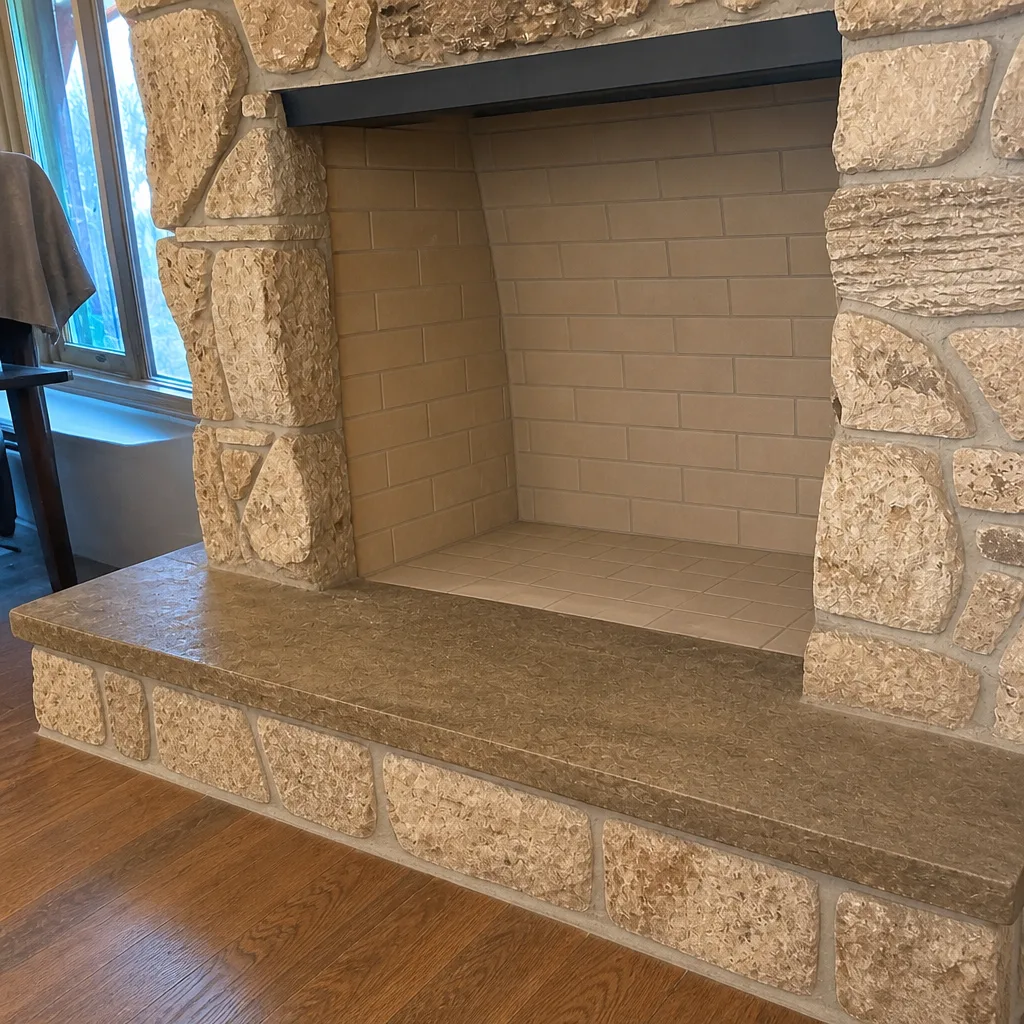
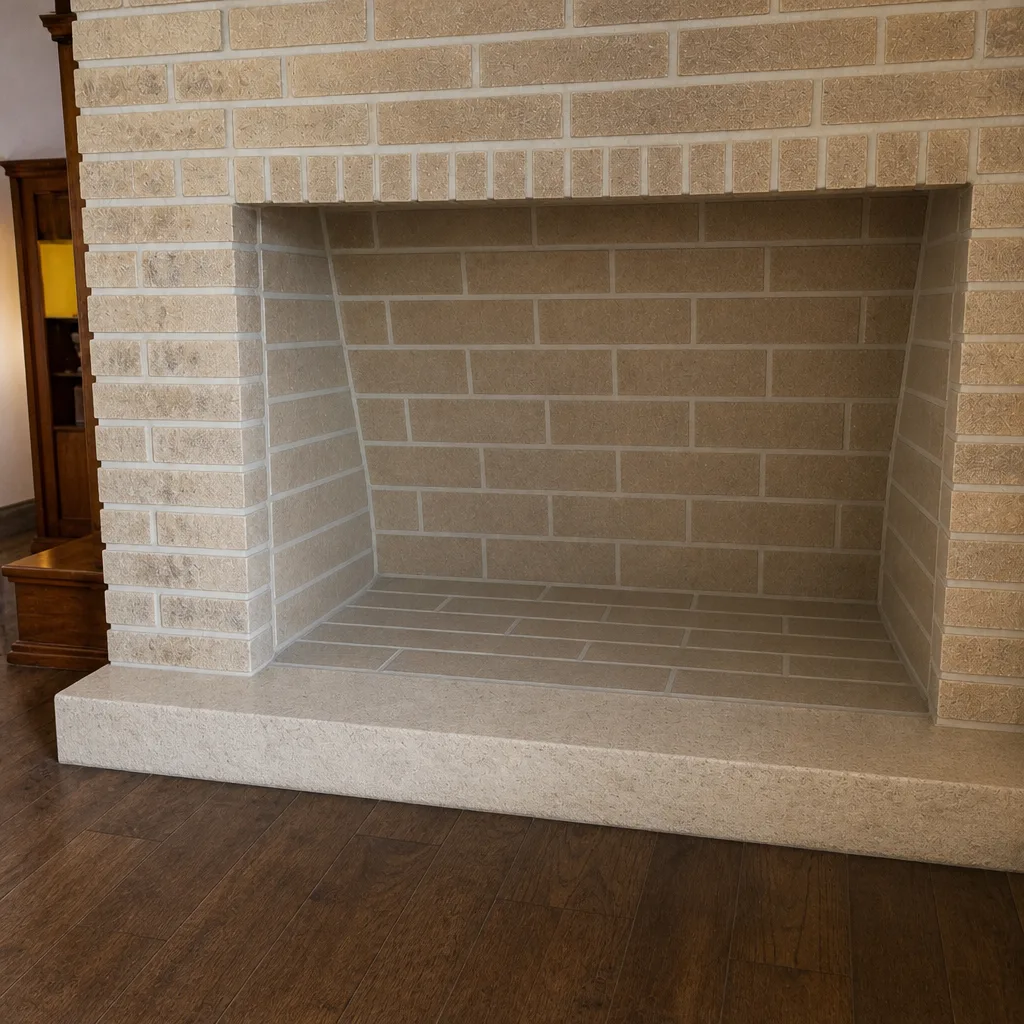
- Covering up firebox damage with a quick patch. Surface patching on a crumbling firebox doesn’t restore the mortar or the firebrick. It masks the problem and it comes back in a season. HeatShield firebox restoration is a different approach: it resurfaces the firebox with a proprietary material that actually restores the surface rather than pretending the damage isn’t there.
When to Call a Professional
There are symptoms you can diagnose yourself and there are ones that genuinely need a trained eye. Bring us in when:
- You see stage 3 (glazed, hard) creosote on the flue wall.
- Smoke rolls back into the room and you can’t identify which of the five root causes applies.
- You see crumbling mortar in the firebox, cracked flue tiles, or visible damage to the cap or crown.
- You’re buying or selling a home and need a documented inspection for insurance or a real estate transaction. We offer inspection as a standalone service for exactly this reason.
- You smell odors when the fireplace is idle and a sweep doesn’t clear them.
Safety matters here. Any work around a hot flue, a damaged firebox, or glazed creosote should be handled by a trained technician, and gas or electrical work is never a homeowner project. If what you’re seeing involves a gas insert or an electrical fault, stop and call a qualified technician rather than continuing to troubleshoot. The team at Chimney Sweep Fort Collins offers free estimates in Fort Collins, and you can reach us at (833) 740-1407. Call (833) 740-1407. We answer 24/7. Fast dispatch from 7am to 7pm, Sunday through Friday.
Our technicians have up to 15 years of experience, and every sweep is followed by an honest account of what we found and what, if anything, needs repair before you commit to the work. One call covers the sweep, the inspection, and the repair when repair is warranted, and we specify the materials by name (DuraFlex for liner work, HeatShield for firebox restoration, Olympia Chimney for top-sealing dampers) because what goes inside your chimney matters as much as the labor.
See the difference
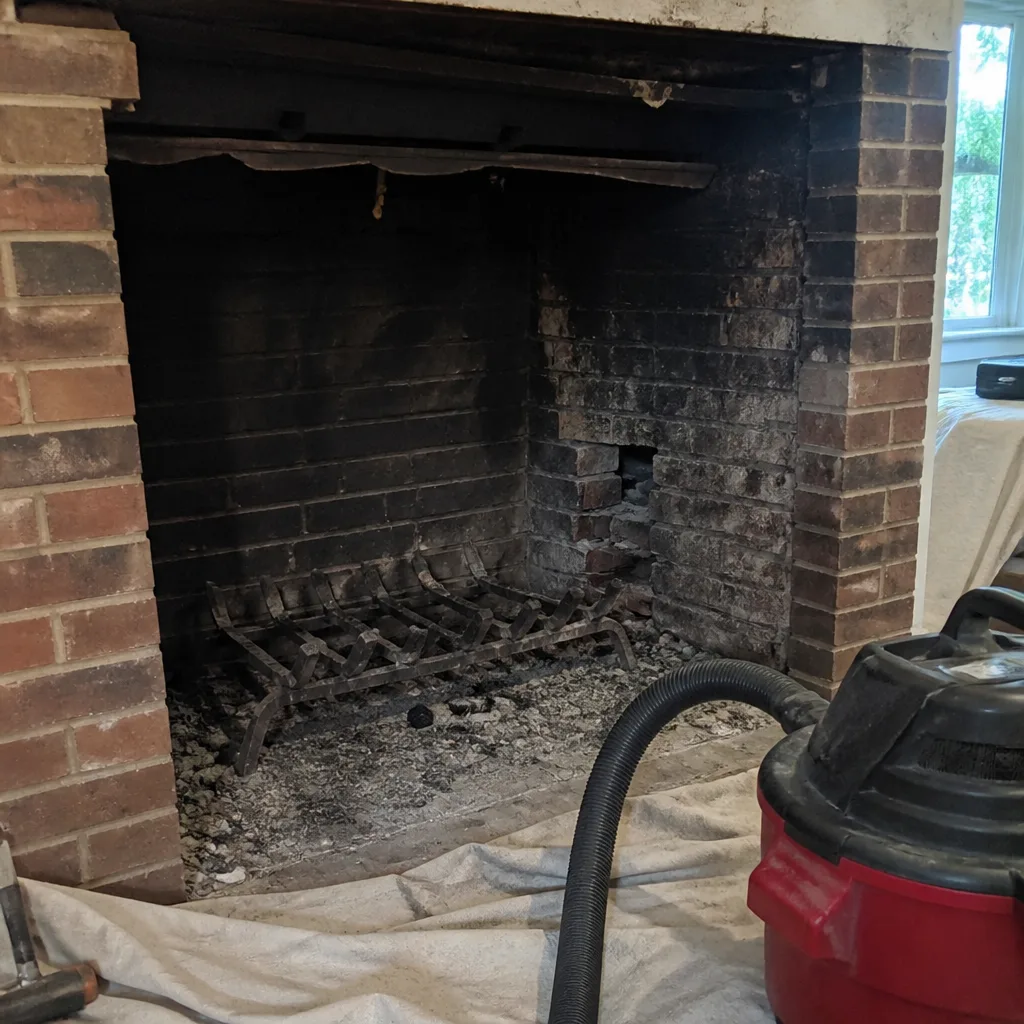 Before
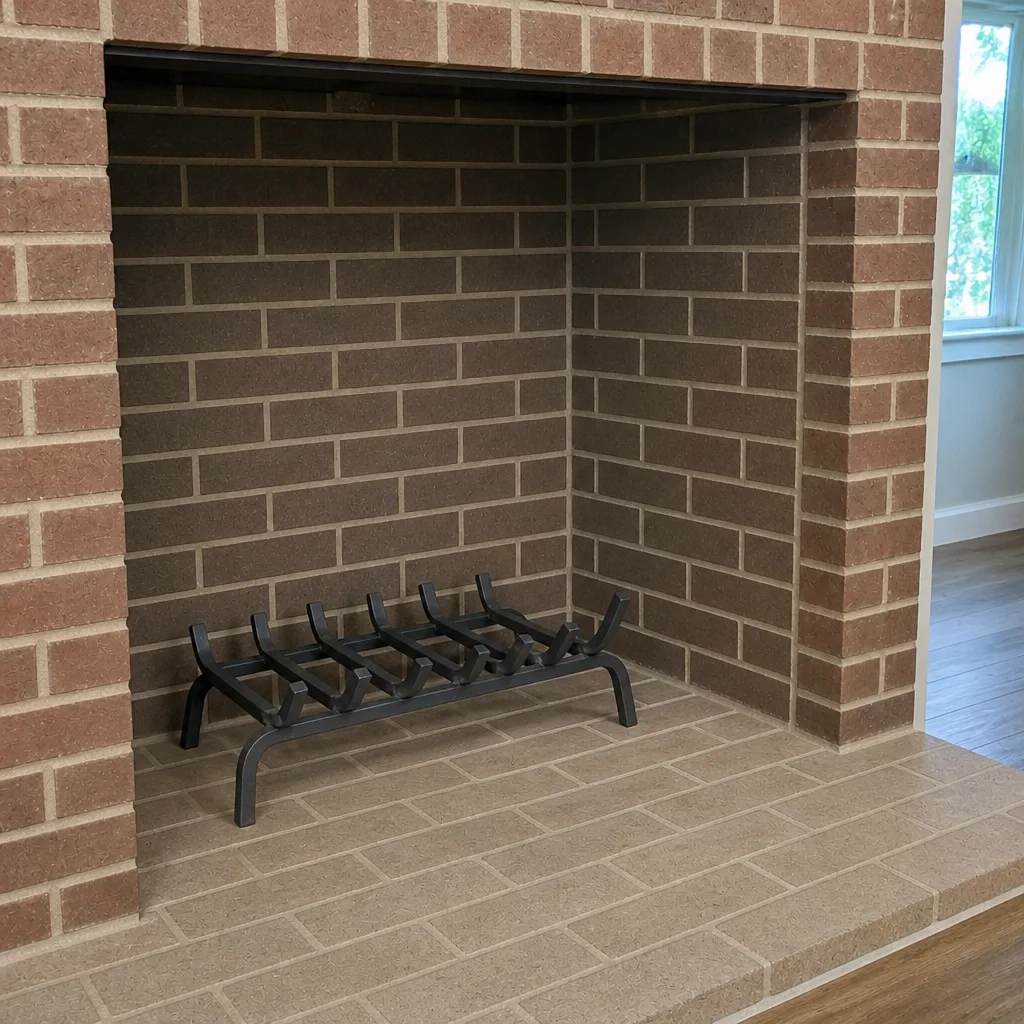 After
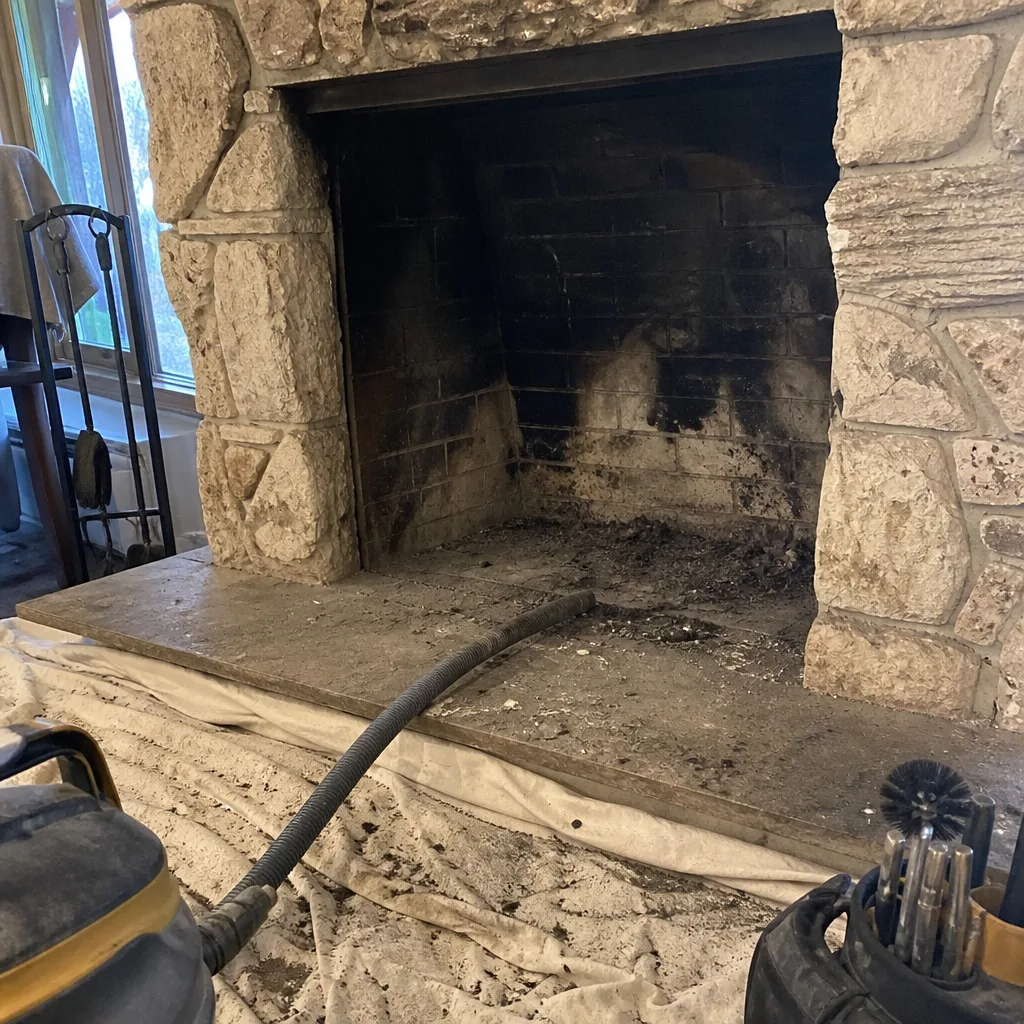 Before
 After
 Before
 After
Frequently Asked Questions
Chimney sweeping in Fort Collins is priced per job on a written estimate after we’ve seen the flue, because stage 3 creosote takes a very different job than a routine brush sweep. Call (833) 740-1407 for an exact quote. Estimates are free.
Once a year while you’re actively burning is the standard, and more often if you burn heavily or notice creosote buildup. Elevation and long burn seasons in Fort Collins mean some homes benefit from an annual sweep more than the average. Call (833) 740-1407 for an exact quote.
Intermittent smoke on windy days usually points at a downdraft from wind pressure at the top of the flue, a flue that’s too short, or a missing wind-resistant cap. The fix is different from a cleaning, and it’s diagnosable in person. Call (833) 740-1407. Estimates are free.
A liner replacement is warranted when the flue tiles are cracked, damaged, or the flue is badly sized for the firebox. We show you the camera evidence before we recommend anything, and we’ll tell you plainly when work can safely wait. Call (833) 740-1407. Estimates are free.
Skipped sweeps allow creosote to build up through stages 1 and 2 into stage 3, which is the type most closely associated with chimney fires and often requires specialized removal. It also hides developing damage. Call (833) 740-1407. Estimates are free.
Odors with the fireplace idle usually come from creosote (especially in warm weather), moisture getting into the flue, or a downdraft pulling flue air into the house through an unsealed damper. A top-sealing damper from Olympia Chimney solves the downdraft version. Call (833) 740-1407. Estimates are free.
Creosote is combustible, and heavy buildup is the main reason chimney fires start. A regular Fort Collins sweep removes the buildup before it becomes a problem. Call (833) 740-1407. Estimates are free.
The Bottom Line
Most chimney problems in Fort Collins aren’t mysterious. They’re specific mechanical causes producing specific symptoms, and the fix changes dramatically based on which cause you’re actually dealing with. Creosote buildup is one category. Draft and pressure problems are another. Damaged components are a third. Structural deterioration is a fourth, and each one has a different fix at a different price point. Read your symptom carefully, work through the decision tree, and call before you’ve paid for the wrong fix. When you’re ready for an honest diagnosis and a written estimate before any work starts, call (833) 740-1407. We answer 24/7. Fast dispatch from 7am to 7pm, Sunday through Friday.
Written by the team at Chimney Sweep Fort Collins.