
Last updated November 16, 2026
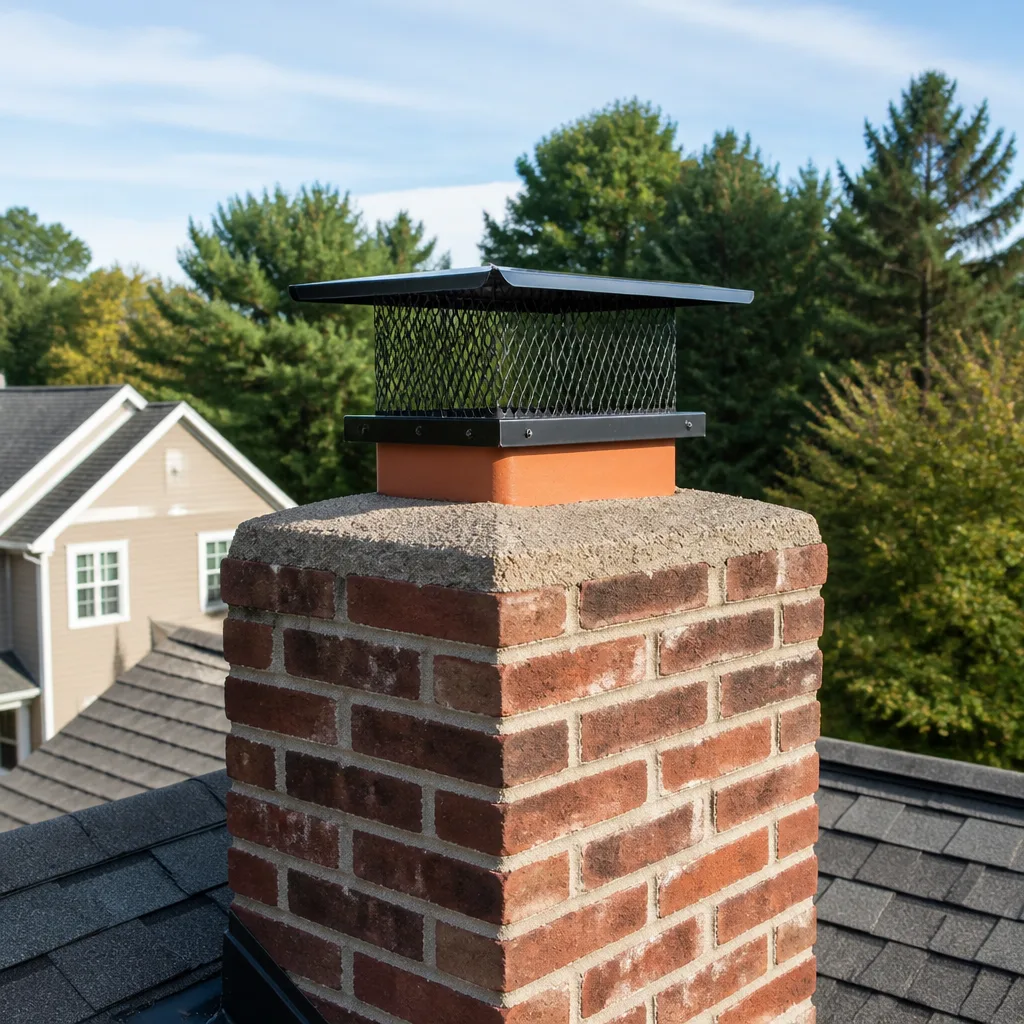 Sweep & inspection
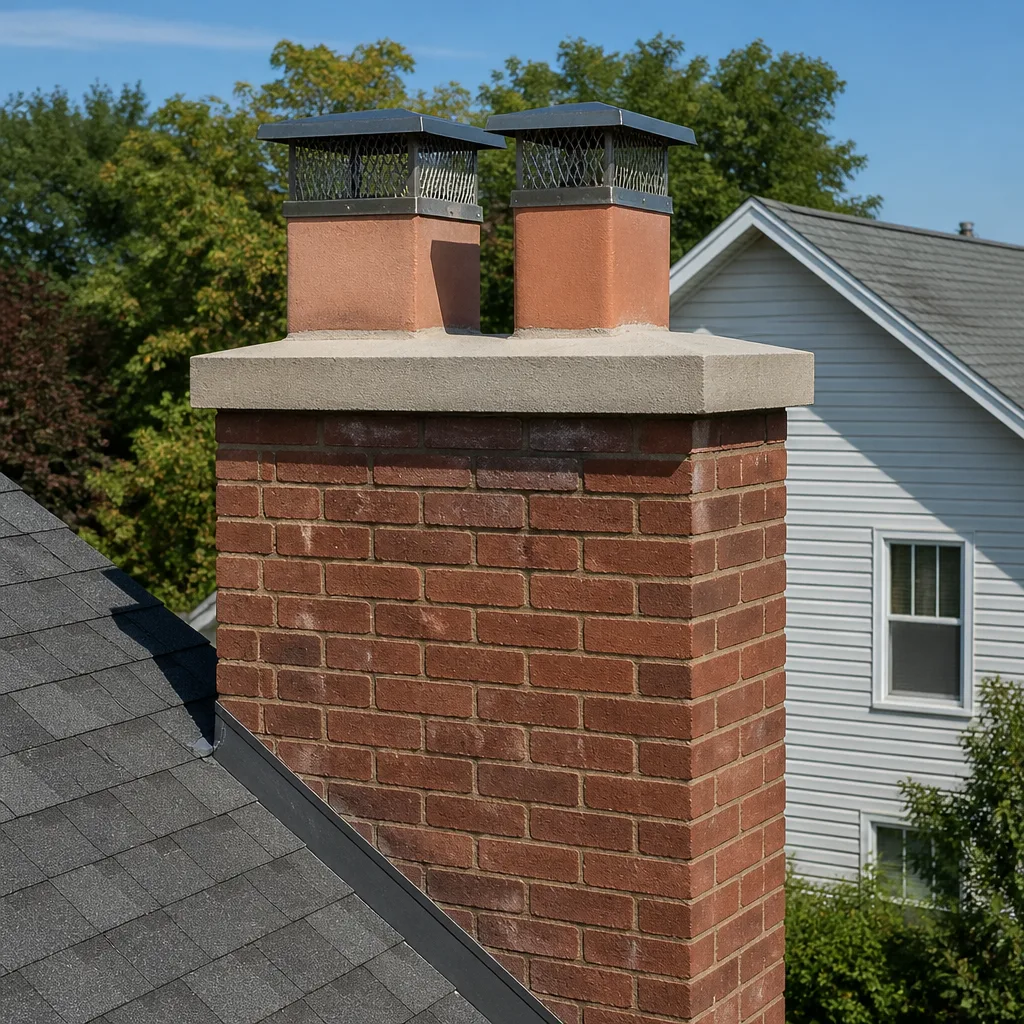 Caps & crowns
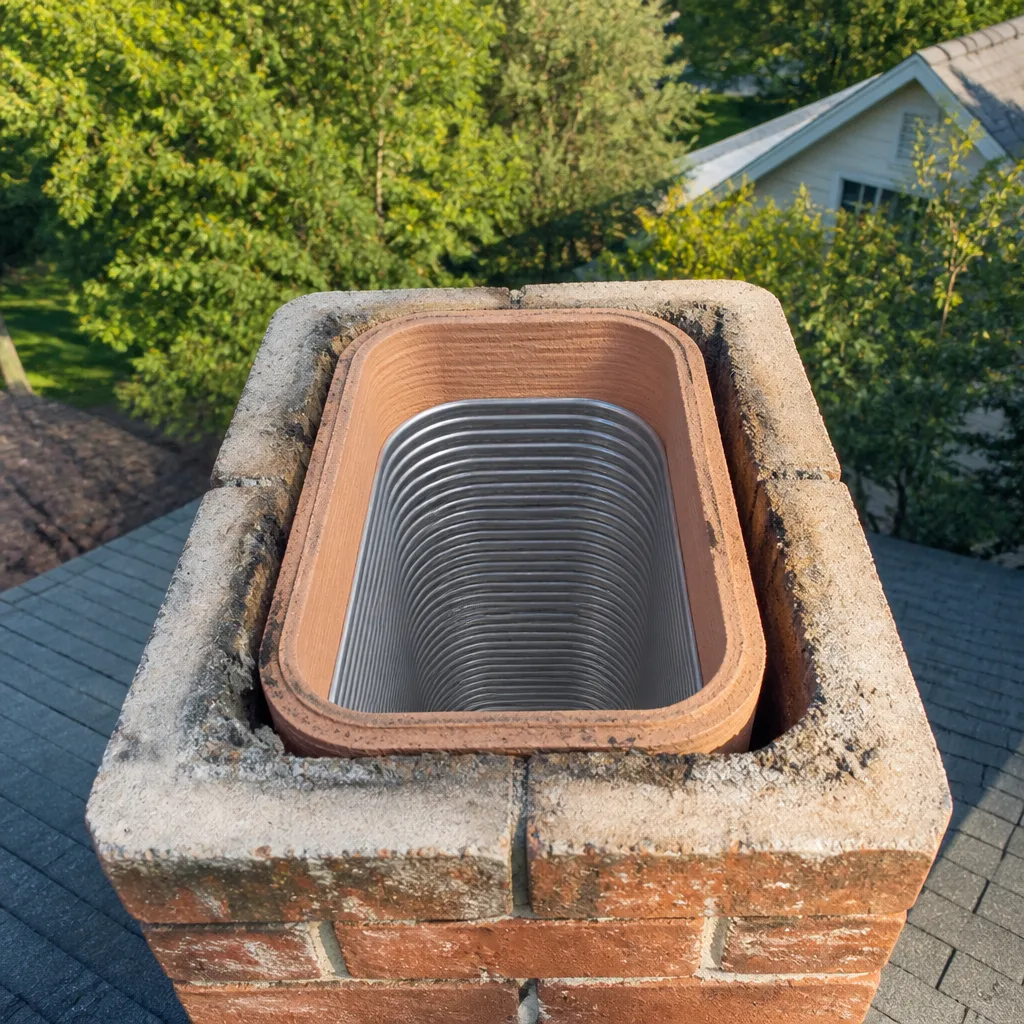 Flue relining
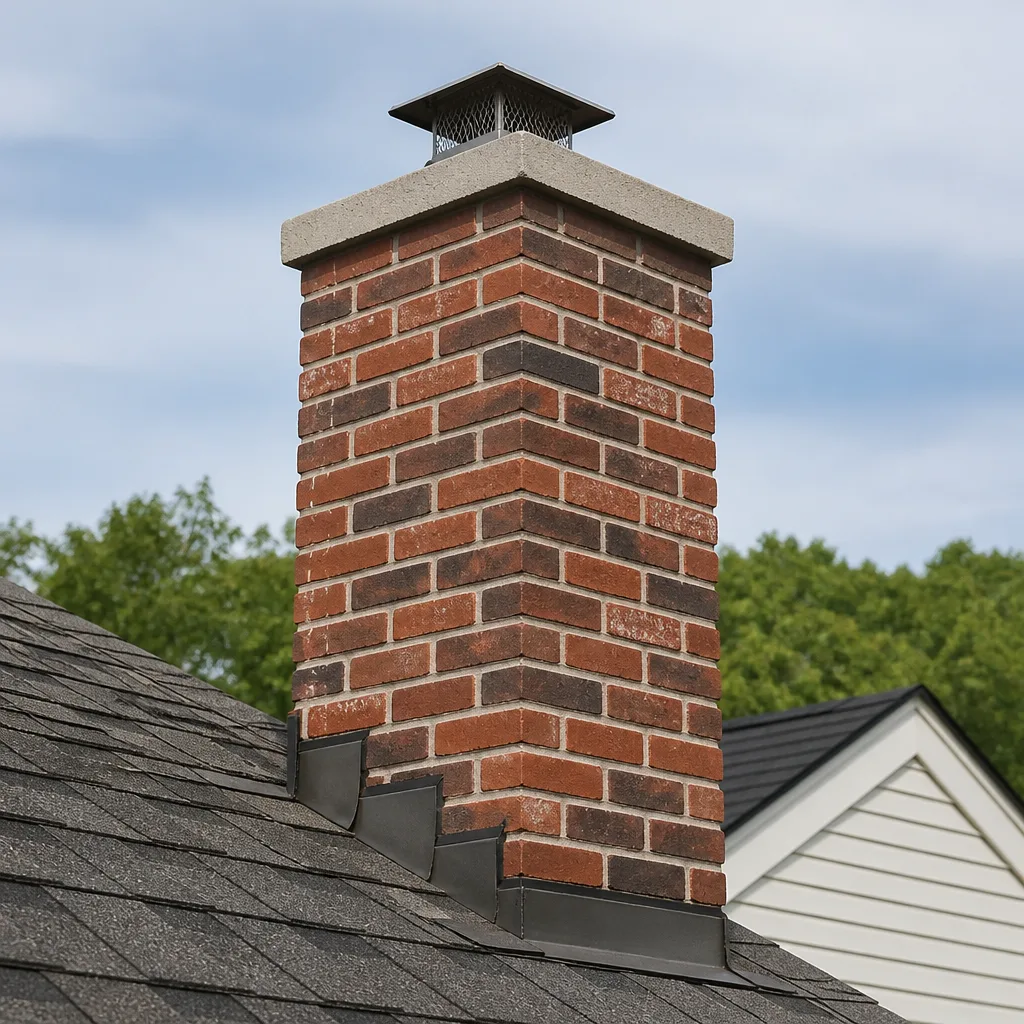 Masonry repair
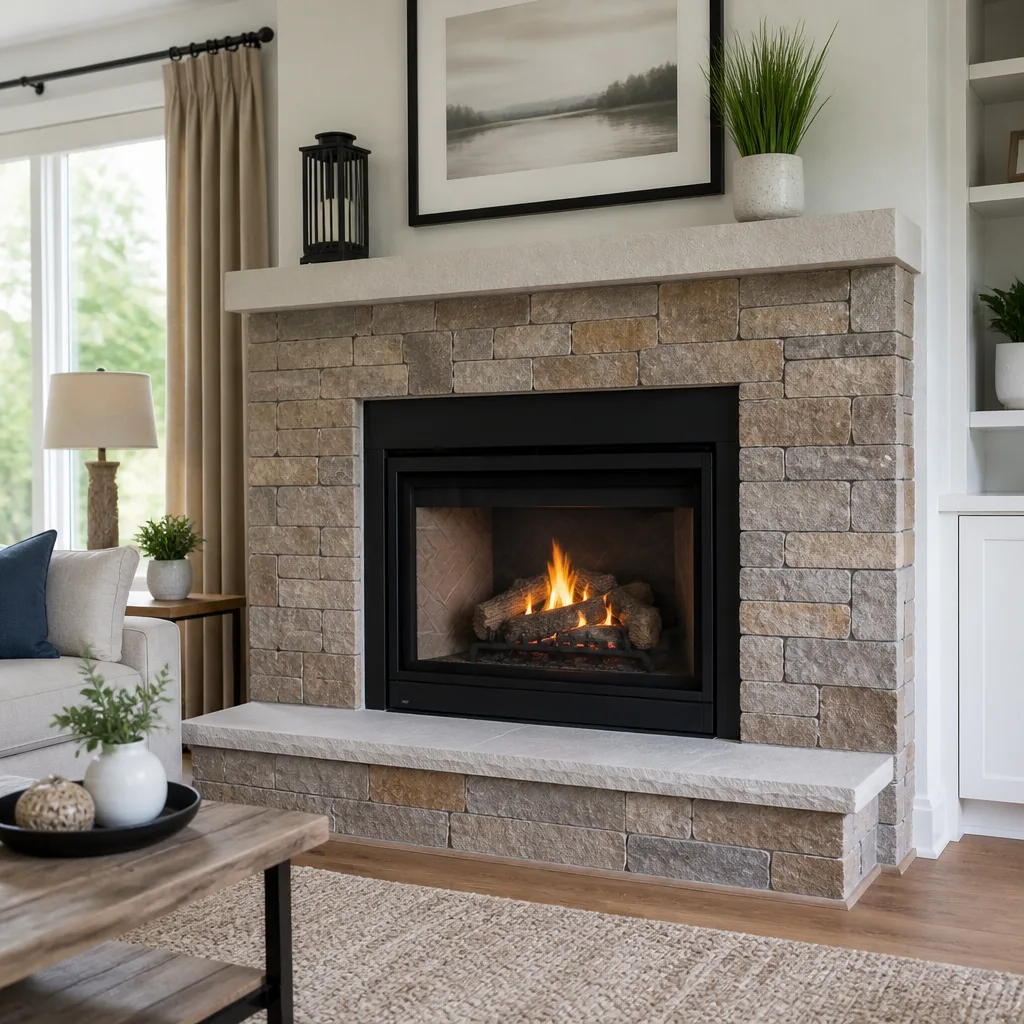 Gas fireplace service
Level 1 sweep and inspection to the NFPA 211 annual standard - flue, crown, cap, and flashing checked and photographed
Chimney sweep logs do not sweep chimneys. They loosen some creosote - which then falls where a brush and vacuum still have to collect it.
The Complete Guide to Chimney Cleaning in Fort Collins
Most chimney fires don’t start because a homeowner skipped a cleaning. They start because the cleaning schedule was built on calendar months instead of the fuel actually going into the firebox. A household burning seasoned hardwood twice a week and a household burning pine and beetle-kill six nights a week do not need the same sweep date, and treating “once a year” as a universal rule is how a lot of creosote quietly piles up. In Fort Collins, that gap matters more than in most places, because high elevation, dry air, and wind off the Front Range change how a fire burns and how fast the byproducts build. Here’s the practical framework we use to think about cleaning in this city.
Quick Answer
Chimney cleaning in Fort Collins usually means a professional sweep of the flue, firebox, and smoke chamber, paired with an inspection of the liner and cap. Plan on one cleaning per cord of wood burned, and for most homes here that lands between annual and every cord and a half, depending on fuel type and burn frequency. Pine-heavy and beetle-kill fuel builds creosote faster and in a glazed texture, so heavy softwood burners often need service twice a season.
Styles & brands we work with
- Sweep & inspection
- Caps & crowns
- Flue relining
- Masonry repair
- Gas fireplace service
Table of Contents
- Why Fort Collins Chimneys Age Differently
- Pine, Softwood, and Beetle-Kill Creosote
- Elevation, Draft, and Incomplete Burns
- Level 1 vs Level 2 Inspections
- Wind, Caps, and Crowns
- The Full Service Cycle: Clean, Inspect, Repair
- How Often to Schedule a Cleaning
- What Chimney Cleaning Costs in Fort Collins
Why Fort Collins Chimneys Age Differently
Fort Collins sits around 5,000 feet, which changes the physics of a fireplace more than most people expect. Air is thinner up here, so there’s less oxygen per cubic foot feeding the fire. A wood fire needs oxygen to burn cleanly, and when it isn’t getting enough, the result is partially burned fuel and more of the tar-rich byproducts that eventually become creosote. That’s the core local variable. It isn’t that Fort Collins chimneys are worse than anywhere else; it’s that the combination of elevation, fuel type, and the way people here heat makes buildup happen on a different curve.
You also have a housing stock that includes plenty of older masonry chimneys, built before modern liner standards were common. Older masonry absorbs moisture differently than a modern insulated flue, and a cold masonry mass makes it harder to get the flue up to temperature quickly. Cold starts produce more visible smoke and more incomplete combustion, and every one of those starts leaves a little behind on the flue walls.
Then add the wind. Fort Collins sits on the eastern edge of the Front Range, where daily wind is a normal part of the weather calendar, not an occasional event. That matters for anything that lives above the roofline, which we’ll get into further down. The practical takeaway is that a cleaning schedule for a chimney in this city should be set by fuel and burn habits, not by a generic “get it swept in fall” habit. If you’d like a sweep built around how you actually burn, this is what our chimney sweep service is designed around.
Pine, Softwood, and Beetle-Kill Creosote
Softwood creosote behaves differently from hardwood creosote, and that’s the single biggest reason a Fort Collins homeowner ends up with a heavier deposit than they expected. Pine, spruce, and fir are what’s local, plentiful, and often free here, and beetle-kill wood is common across the Front Range. These fuels are perfectly usable when properly seasoned, but they carry more resin, and the creosote they leave behind tends to be denser and more glazed than the flaky soot typical of seasoned hardwood.
Here’s why that discrepancy matters. Flaky, powdery creosote brushes off easily. Glazed, tar-like creosote binds to the flue wall and hardens, and eventually it can fuse into a semi-solid layer that a standard brush will ride over without fully removing. That’s the stage where a routine sweep stops being routine and the flue needs more attention.
The practical differences:
- Hardwood, well seasoned, moderate use: brushable deposit, cleans predictably, annual service usually enough.
- Pine or softwood, seasoned, moderate use: denser deposit, cleans reliably but on a tighter schedule.
- Pine or beetle-kill, unseasoned or frequent use: glazed and stage-3 creosote is far more likely, and cleaning becomes both harder and more important.
- Any wood burned “green” (not dried): the wetter the fuel, the more energy goes into boiling off moisture instead of heating the flue, and the more buildup you get per fire.
One correction we make repeatedly: pine doesn’t automatically cause chimney fires. Pine causes chimney fires when it’s wet, when the fire runs cool, or when nobody checks the flue between burns. Dry pine in a properly drafted chimney is a reasonable fuel. It’s the combination of softwood and a cold, smoldering fire that creates the risk, and that’s a maintenance problem you can manage, not a fuel you have to avoid.
Elevation, Draft, and Incomplete Burns
Elevation is the second local variable that changes how a Fort Collins fireplace behaves. At roughly 5,000 feet, the air is thinner, which means two things: a fire gets less oxygen per given volume of air, and the chimney’s natural draft is weaker than it would be at sea level. A weaker draft means smoke lingers longer in the firebox, the fire runs cooler for a longer stretch, and cooler combustion leaves more deposit behind. Everything compounds.
What that looks like in practice:
- Slower warm-ups. A fire lit in a cold flue takes longer to establish strong draft, so the first chunk of wood burns inefficiently.
- More visible smoke at the cap. A well-drafted chimney produces mostly heat shimmer. Visible smoke is fuel heading up that could have burned in the firebox.
- More frequent buildup. The byproducts of incomplete combustion are the raw material for creosote, and a high-altitude chimney generates more of them per fire.
- Draft problems during cold starts. If smoke rolls back into the room when you light the first fire of the season, the flue is often either cold, restricted, or both.
The good fix here is process, not hardware: get the flue warm before loading the firebox, use dry wood, and don’t overload the box with green or damp fuel. A sweep that also checks draft, cap airflow, and firebox condition is more useful in this climate than a sweep that just runs a brush. If the firebox shows cracks or crumbling refractory mortar, we use HeatShield firebox restoration to resurface it, which is a method most general contractors don’t carry.
Level 1 vs Level 2 Inspections
An inspection is not a sweep, and the two get confused constantly. A sweep removes deposit. An inspection assesses condition, and the level of inspection tells you how deep that assessment goes. If you want to know the difference in one sentence: a Level 1 tells you whether the chimney is clean and roughly sound; a Level 2 tells you whether it’s structurally and materially safe for continued use.
Level 1 inspection. Readily accessible portions of the chimney are examined: the firebox, damper, smoke chamber, flue, and cap, using a camera. It’s appropriate when the appliance hasn’t changed, the chimney is in known condition, and the homeowner is maintaining a regular schedule.
Level 2 inspection. A deeper look, including a camera run through the full flue, plus the accessible parts of the chimney exterior, attic space, and crawl space if accessible. It’s the appropriate level when:
- The home is being sold or purchased, and the buyer or their insurer wants documentation of chimney condition.
- A change has been made to the system: a new appliance, a change in fuel type, or a relining.
- There’s been a chimney fire, a seismic event, or a sustained period of no use followed by a return to service.
- An insurance policy requires documentation of condition before the season begins.
- The chimney has an unresolved draft issue or visible staining that suggests moisture or a liner problem.
We offer inspection as a standalone service for exactly these situations, including home buyers, sellers, and insurance documentation. That’s separate from any repair work, so you can get the report whether or not you hire us to fix anything. The point is verifiable condition, not a sales pitch.
Wind, Caps, and Crowns
Front Range wind is a maintenance factor that a lot of cleaning guides skip, and it’s genuinely local. Daily wind on the eastern side of the mountains means anything above the roofline gets battered on a schedule other regions don’t see. That works on the chimney in a few specific ways.
- Caps loosen or crack. A cap that’s detached or damaged lets rain and debris into the flue, and it also stops doing its job of keeping birds and animals out.
- Crowns crack. The concrete crown at the top of a masonry chimney is the first line of defense against water. Wind-driven rain plus freeze-thaw cycling can crack it, and once the crown fails, water gets into the masonry below.
- Debris blows in. Leaves, seeds, and small branches collect on the smoke shelf and at the top of the flue, which can restrict airflow and, over time, contribute to draft problems.
- Loose flashing. Wind works at the point where the chimney meets the roof, and small gaps let water in before you’d ever notice it inside.
A sweep that doesn’t include a look at the cap and crown is only doing half the job in this city. If your cap or crown is compromised, that’s a repair conversation, and it’s exactly the kind of thing that belongs under the same roof as the sweep. Our chimney repair work covers cap, crown, liner, and firebox issues, and we specify materials from brands like DuraFlex for flexible stainless liners and Olympia Chimney for the components that need to hold up to our weather.
The Full Service Cycle: Clean, Inspect, Repair
These three steps aren’t interchangeable. Each one protects the value of the others, and the most common failure is skipping the middle one. Here’s how the cycle works and what each step actually accomplishes.
- Clean. A sweep removes soot, creosote, and debris from the firebox, smoke chamber, and flue. The point is twofold: it makes the chimney safe to use, and it makes the chimney inspection possible. You can’t assess the condition of a liner you can’t see.
- Inspect. With the flue cleared, a camera inspection looks at the liner for cracks, gaps, and deterioration, the firebox for failed refractory material, and the exterior for damage to the cap, crown, and flashing. This is where problems are actually identified.
- Repair. If the inspection finds a problem, it gets addressed with the appropriate method and material. Cracked firebox refractory gets restored with HeatShield. A failed liner gets relined with a flexible stainless system. A damaged crown or cap gets rebuilt or replaced.
The reason skipping any step undermines the others: a sweep without an inspection is a clean chimney that may still be unsafe. An inspection without a sweep can’t see a glazed liner through the deposits. A repair without either is a guess. And a repair without a follow-up sweep leaves the new components coated in old soot before they’ve been used.
The practical benefit of a full-service specialist is that the company that finds the problem is the company that fixes it. There’s no handoff to a second contractor who has to re-diagnose, and no ambiguity about who’s responsible if something isn’t right. That single-source accountability is the reason we keep the sweep, chimney repair, and inspection under one roof instead of splitting them across trades.
How Often to Schedule a Cleaning
The industry rule of thumb is a sweep once per cord of wood burned, and a minimum of once annually for any chimney in active use. In Fort Collins, that baseline is a starting point, not a final answer, because the fuel and elevation variables push it in one direction or the other depending on how you burn.
Use this as a working framework:
- Light use (occasional fires, well-seasoned hardwood): annual sweep, with an inspection at the same visit.
- Moderate use (a cord or less per season, mixed fuel): annual sweep, and watch the flue mid-season for deposit buildup.
- Heavy use (burning most nights, pine or beetle-kill): mid-season sweep plus an annual, and check the flue after the first few weeks of regular burning.
- Rental or newly purchased homes: a full Level 2 inspection before the first fire, regardless of how recently the previous owner cleaned.
- Homes returning from a long period of no use: a sweep and inspection before the first fire, because conditions inside the flue can change over idle months.
- Gas inserts and appliance changes: inspection by a qualified technician, since gas systems need different checks than wood-burning flues and shouldn’t be treated with the wood-burning schedule.
The single most useful habit is not season-based, it’s visual. After the first few weeks of regular burning, take a look up the flue with a flashlight from the firebox. If you see more than a thin, powdery dusting, it’s time. If you see anything that looks shiny, glazed, or tar-like, that’s a call sooner, not later. For a schedule built around your actual burning habits in Fort Collins, a quick conversation beats any calendar.
What Chimney Cleaning Costs in Fort Collins
Chimney cleaning in Fort Collins typically costs in a range that reflects the local labor market and the fact that most jobs include a look at the cap, crown, and firebox rather than a straight brush-and-go. The written estimate sets the final price, so treat the ranges below as planning numbers, not quotes.
| Service | Typical estimated range |
|---|---|
| Standard chimney sweep (wood-burning) | Varies by flue length and deposit level; ask for a written estimate |
| Inspection (Level 1 or Level 2) | Priced per inspection, often bundled with a sweep |
| Firebox resurfacing (HeatShield) | Quoted per job after inspection |
| Liner installation (DuraFlex flexible stainless) | Quoted per job based on flue size and configuration |
| Cap or crown repair | Quoted per job after inspection |
Why we don’t publish flat prices here: a heavy glazed flue, a chimney with a failed crown, and a simple mid-season sweep are three genuinely different jobs, and a phone quote that ignores the condition of your chimney is the exact kind of number that gets inflated later. Our estimates are free, and we tell you exactly what we found and what it costs to fix it before any work begins. If the job turns out to need material or labor we didn’t anticipate, we’d rather tell you at the estimate than at the invoice.
One thing to be wary of as a homeowner: a quote for full relining or masonry work without photographs or a camera inspection is impossible to verify. You shouldn’t take it on faith, and you shouldn’t take ours on faith either. Ask to see the evidence from the flue. Nothing should be recommended without camera documentation you can look at yourself, and there are plenty of cases where the honest answer is that the work can safely wait until next season.
Common Mistakes to Avoid
- Running the same “fall sweep” schedule regardless of fuel type. A household burning primarily pine or beetle-kill needs a tighter schedule than one burning seasoned hardwood once a month, and treating them the same is how deposit builds up between routines.
- Burning wet or unseasoned wood. Wet wood burns cool, produces more deposit, and wastes heat up the flue. In this climate, seasoned wood is a maintenance decision, not just a performance one.
- Skipping the inspection because the sweep “looked fine.” A clean flue can still have a cracked liner or a failing firebox. Cleaning and inspecting are two separate steps.
- Ignoring the cap and crown until something leaks. Front Range wind works on both relentlessly. A loose cap or cracked crown lets water into the masonry, and that’s a much more expensive problem than a cap replacement.
- Taking a phone quote as a real price. A quote given without seeing the flue, the cap, and the firebox is a guess, and it’s the kind of number that gets revised upward once the sweep is already underway.
- Relining without documentation. If a liner replacement is recommended, ask to see the camera footage of the existing liner. Any honest recommendation can be supported with it.
- Assuming a gas insert needs the same maintenance as wood. Gas appliances have their own service needs, and treating them like a wood-burning flue leaves important checks undone.
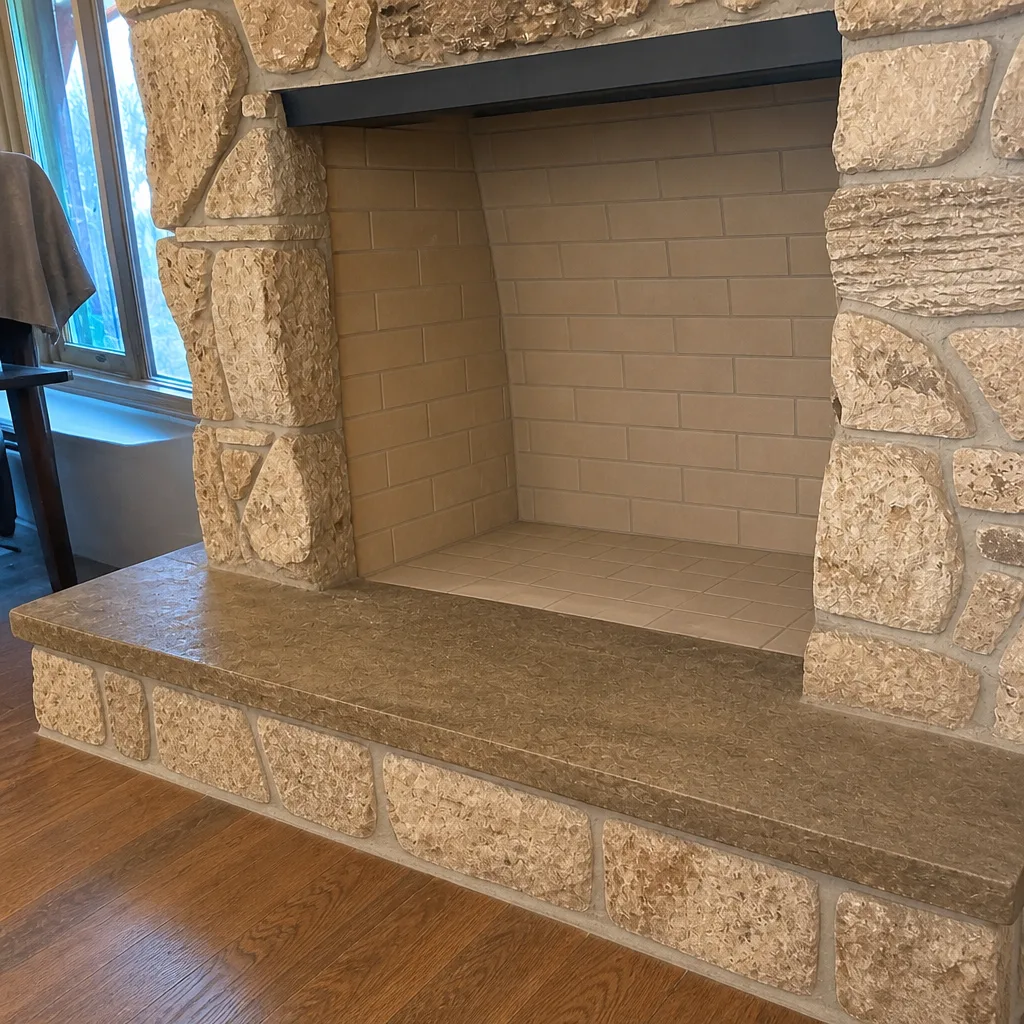
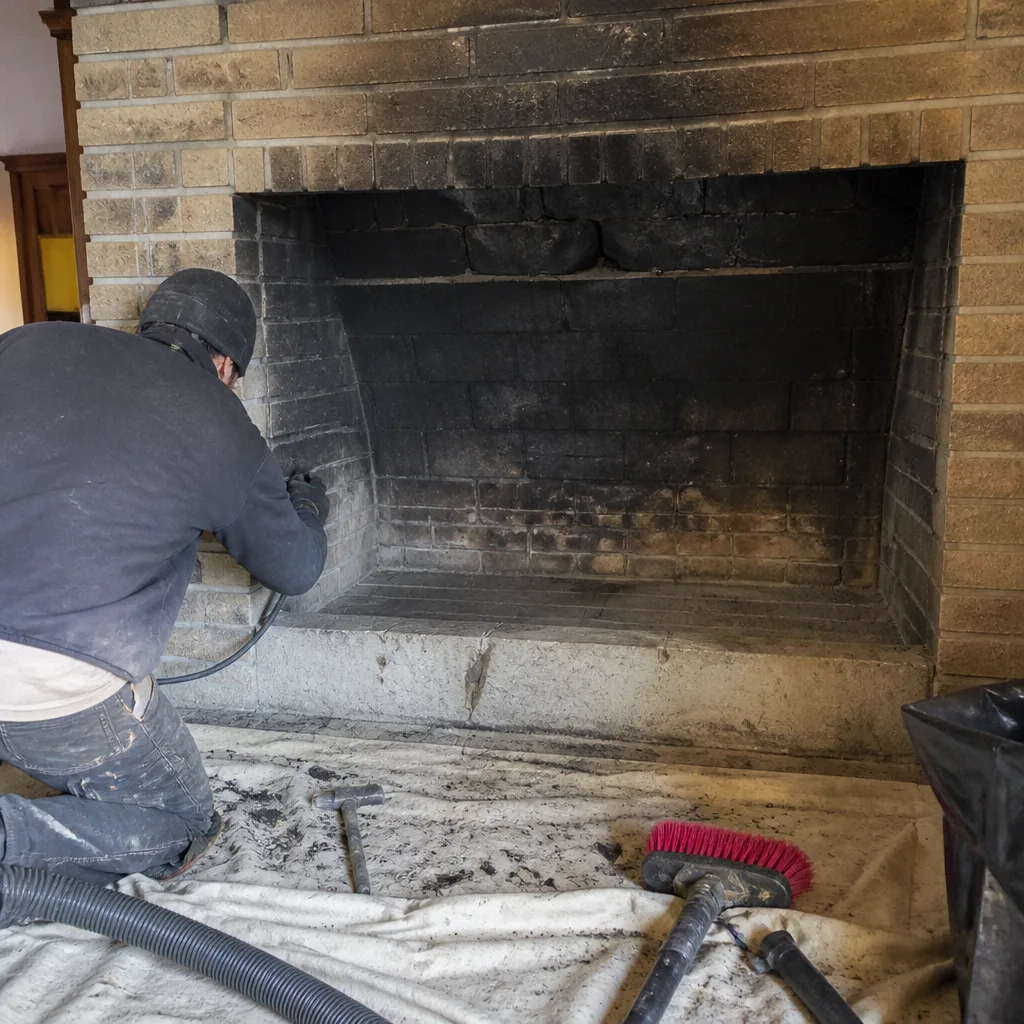
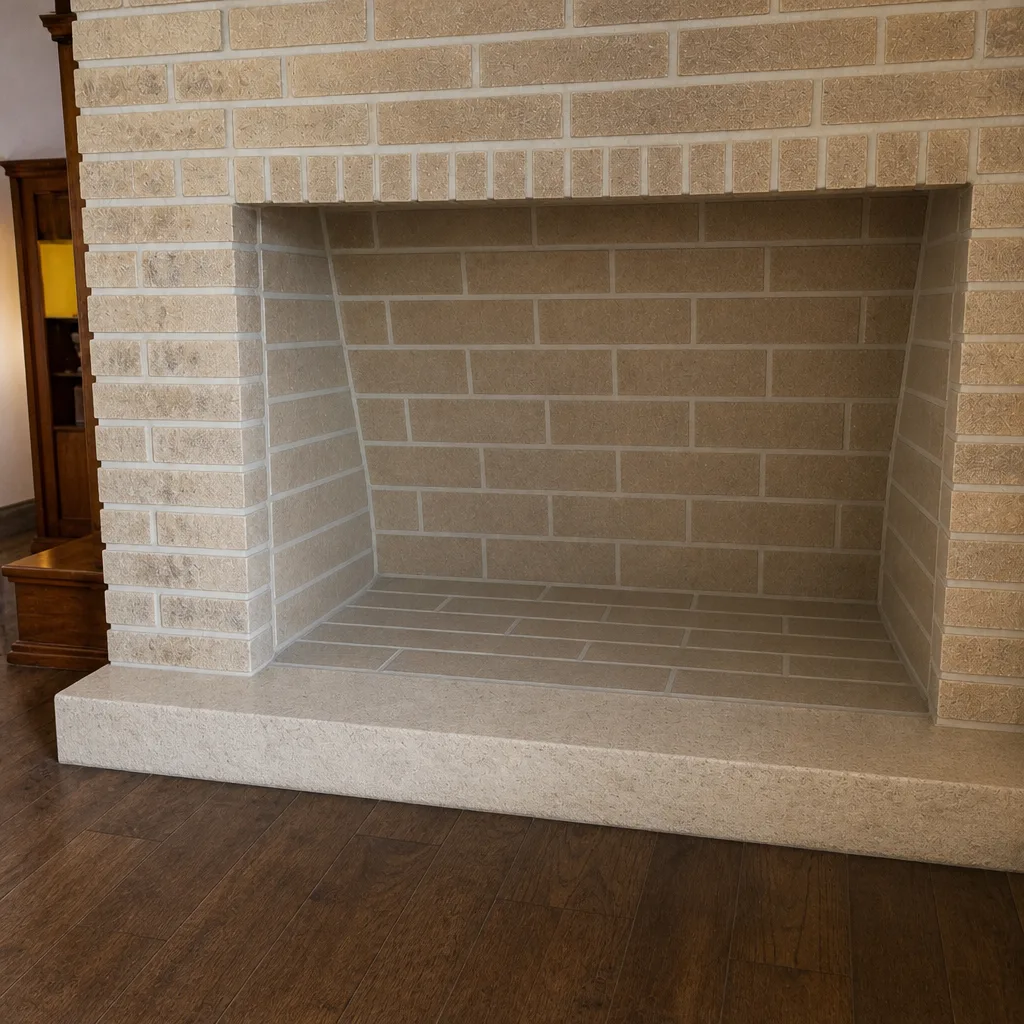
See the difference
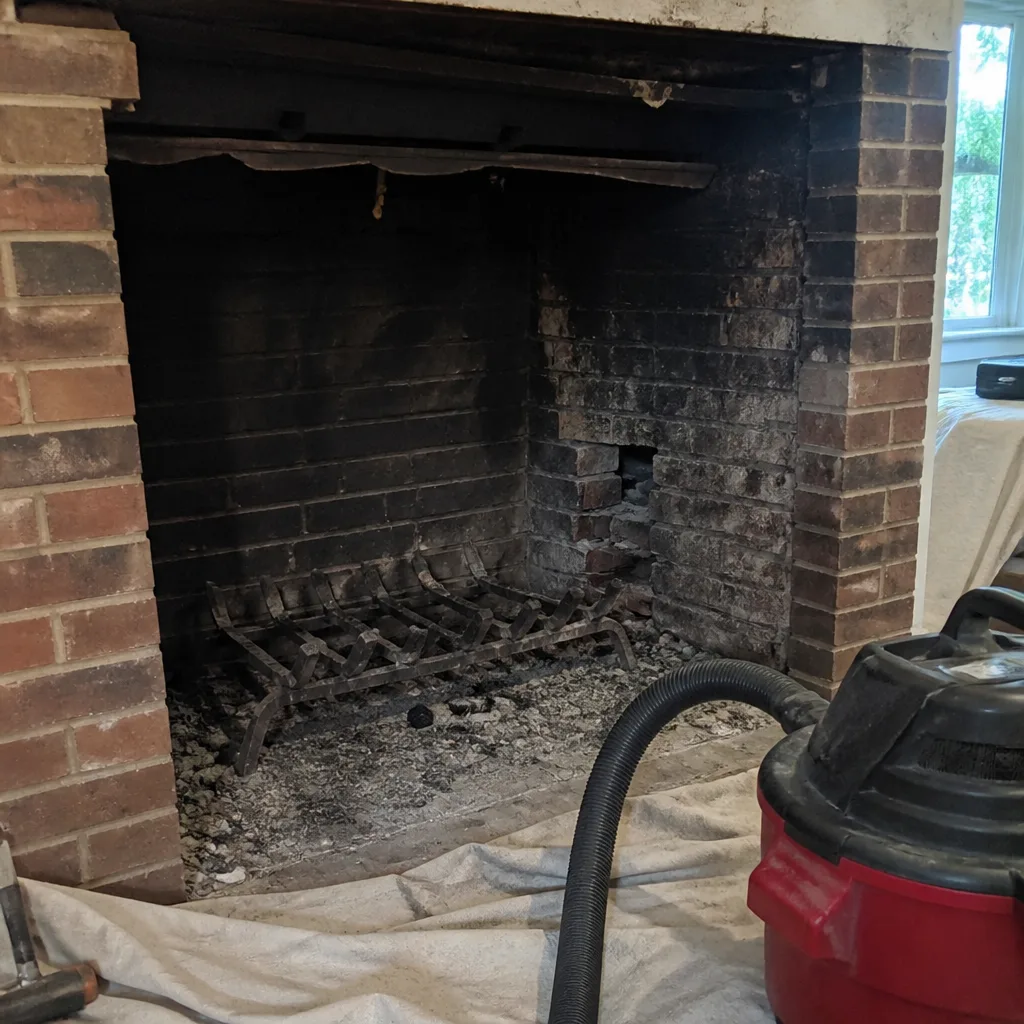 Before
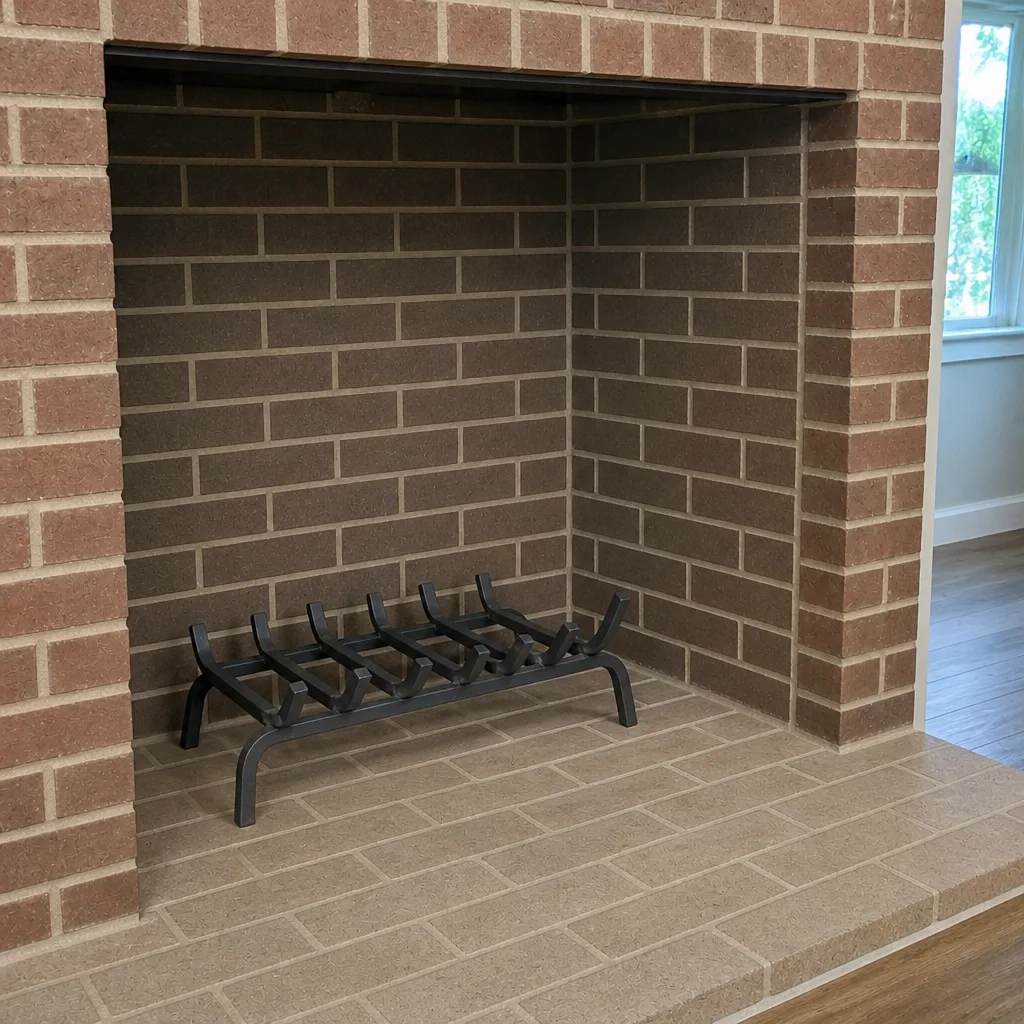 After
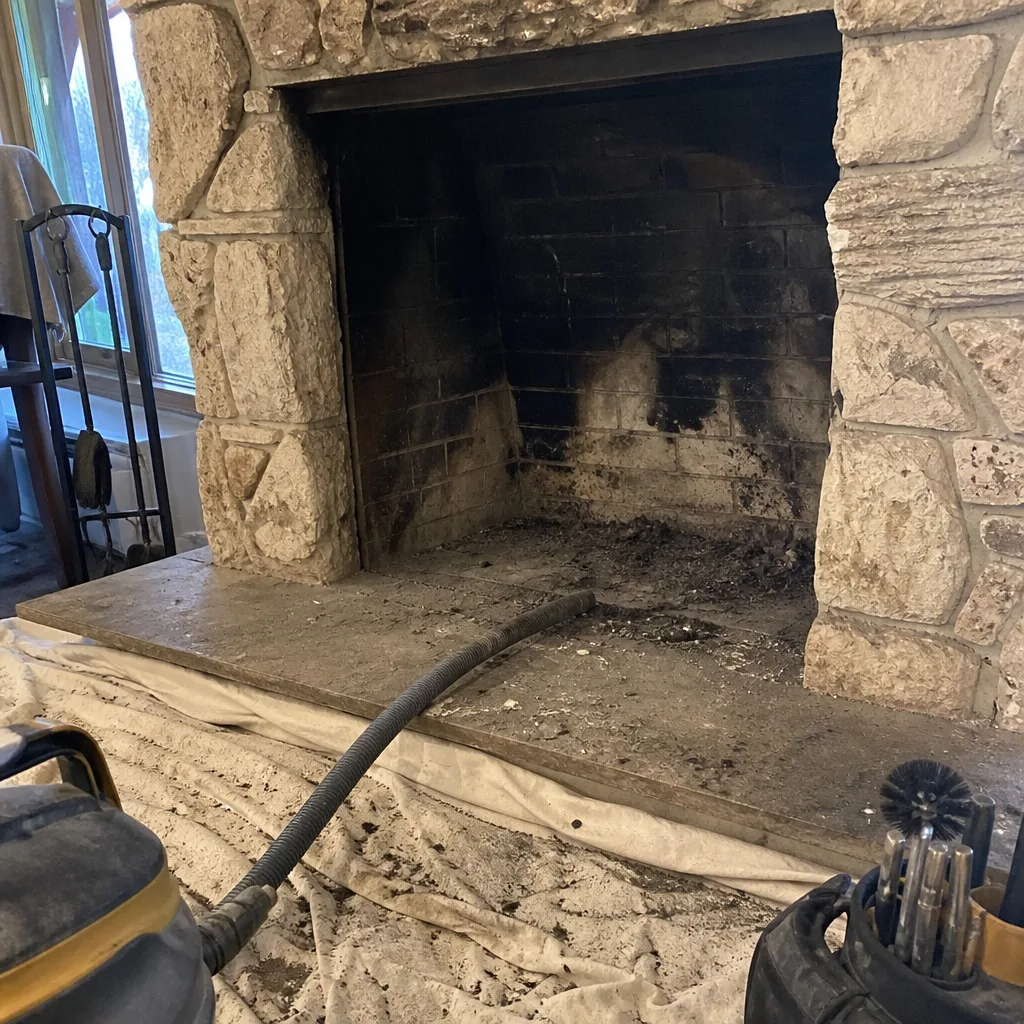 Before
 After
 Before
 After
When to Call a Professional
Some chimney work is a homeowner’s job to book, not to try. Call a professional when you see more than a thin, powdery dusting of deposit in the flue, when the fire smokes or backdrafts into the room, when there’s visible staining around the chimney exterior, or when the cap and crown show cracks or movement. Call if the home is being sold or purchased, if a change to the appliance or fuel type has happened, or if it’s simply been long enough since the last sweep that you can’t remember. High-tension components, electrical panels, gas lines, and anything requiring ladder work above the roofline should be handled by a trained technician. Chimney Sweep Fort Collins offers free estimates in Fort Collins; call (833) 740-1407 to book one. Our technicians have up to 15 years of experience, and we’ll tell you plainly what the flue needs and what can wait.
Frequently Asked Questions
Chimney cleaning in Fort Collins typically falls in a range that depends on flue length, deposit level, and whether an inspection is bundled with the sweep. The written estimate sets the final price, and we don’t quote a firm number without seeing the flue. Call (833) 740-1407 for an exact quote; estimates are free.
Plan on a sweep once per cord of wood burned, with a minimum of once annually for any chimney in active use. In Fort Collins, heavy pine or beetle-kill users often need a mid-season sweep in addition to the annual, because softwood creosote builds denser and faster. Call (833) 740-1407 and we’ll help you set a schedule around how you actually burn.
Only if a camera inspection shows the existing liner is cracked, gapped, or deteriorated to the point where it no longer contains the fire’s byproducts. Plenty of chimneys don’t need relining, and we’ll tell you when yours doesn’t. If it does, ask for the camera evidence: you should be able to see the problem yourself before agreeing to anything. Call (833) 740-1407 for an inspection quote.
The deposit inside the flue thickens, glazes, and eventually restricts the flue’s ability to vent smoke safely, which raises the risk of a chimney fire or a backup of combustion gases into the home. It also makes future cleanings harder and more costly. Call (833) 740-1407 for an exact quote; estimates are free.
Not always, but it’s the right call when the appliance or fuel type has changed, after a chimney fire, when the system has sat idle for a long stretch, or when an insurer asks for documentation of condition. For routine annual maintenance, a Level 1 is generally sufficient. Call (833) 740-1407 if you’re unsure which level you need.
Pine itself doesn’t cause the problem. Burning pine wet, cool, or in an under-drafted flue does, and it leaves a denser, more glazed creosote than seasoned hardwood. Dry pine in a properly drafted chimney is fine, as long as the sweep schedule accounts for the fuel. Call (833) 740-1407 to book a sweep built around your fuel type.
The Bottom Line
Chimney cleaning in Fort Collins is a fuel-and-elevation problem disguised as a calendar problem. The right schedule depends on whether you burn hardwood or pine, how often the fireplace runs, and what the elevation is doing to your draft and combustion quality. The right routine is clean, inspect, then repair only what the inspection actually shows. The right contractor is someone who’ll show you the camera footage before quoting liner work, and who tells you when a problem can safely wait. That’s the standard we hold ourselves to. Call (833) 740-1407 for a free estimate, and we’ll start with what you burn before we talk about what you need.
Ready to book? Call Chimney Sweep Fort Collins at (833) 740-1407 for a free estimate. We answer 24/7. Fast dispatch from 7am to 7pm, Sunday through Friday.
Written by the team at Chimney Sweep Fort Collins.