
Last updated November 16, 2026
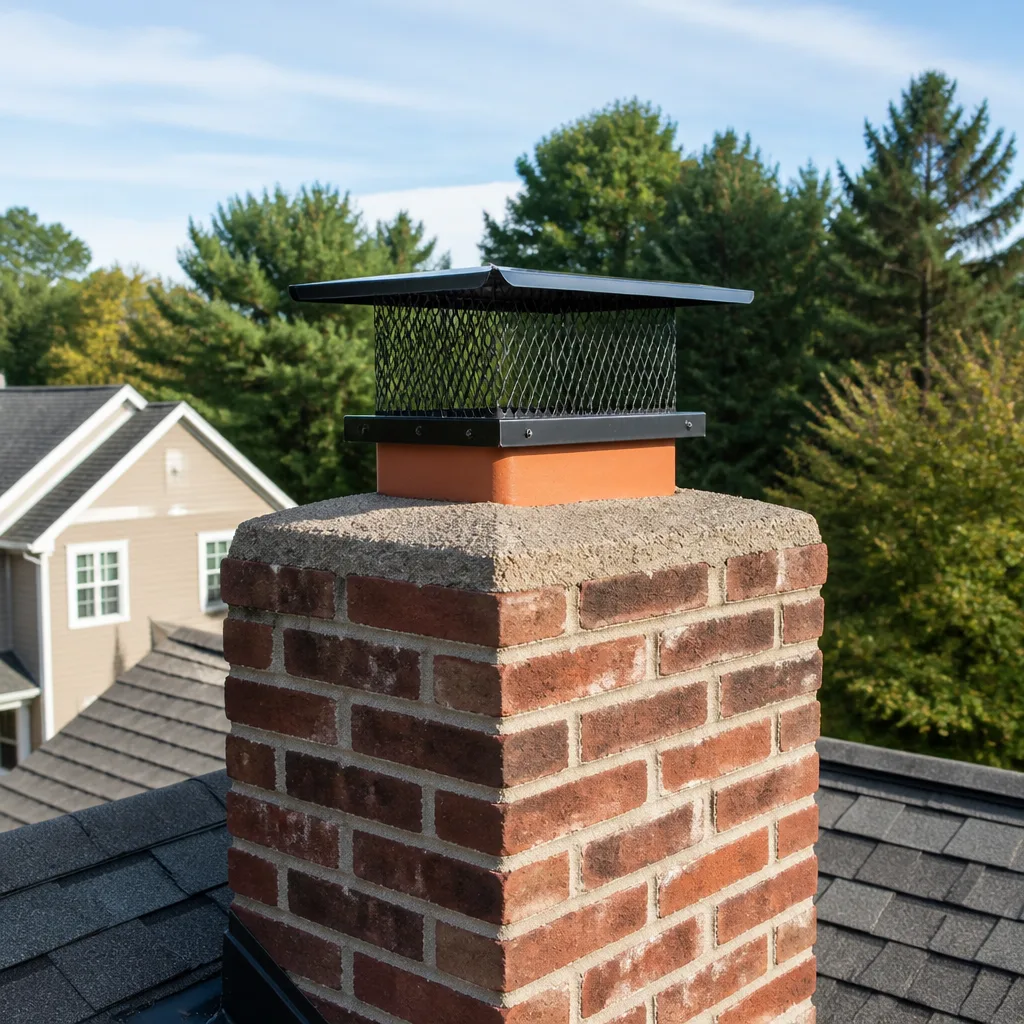 Sweep & inspection
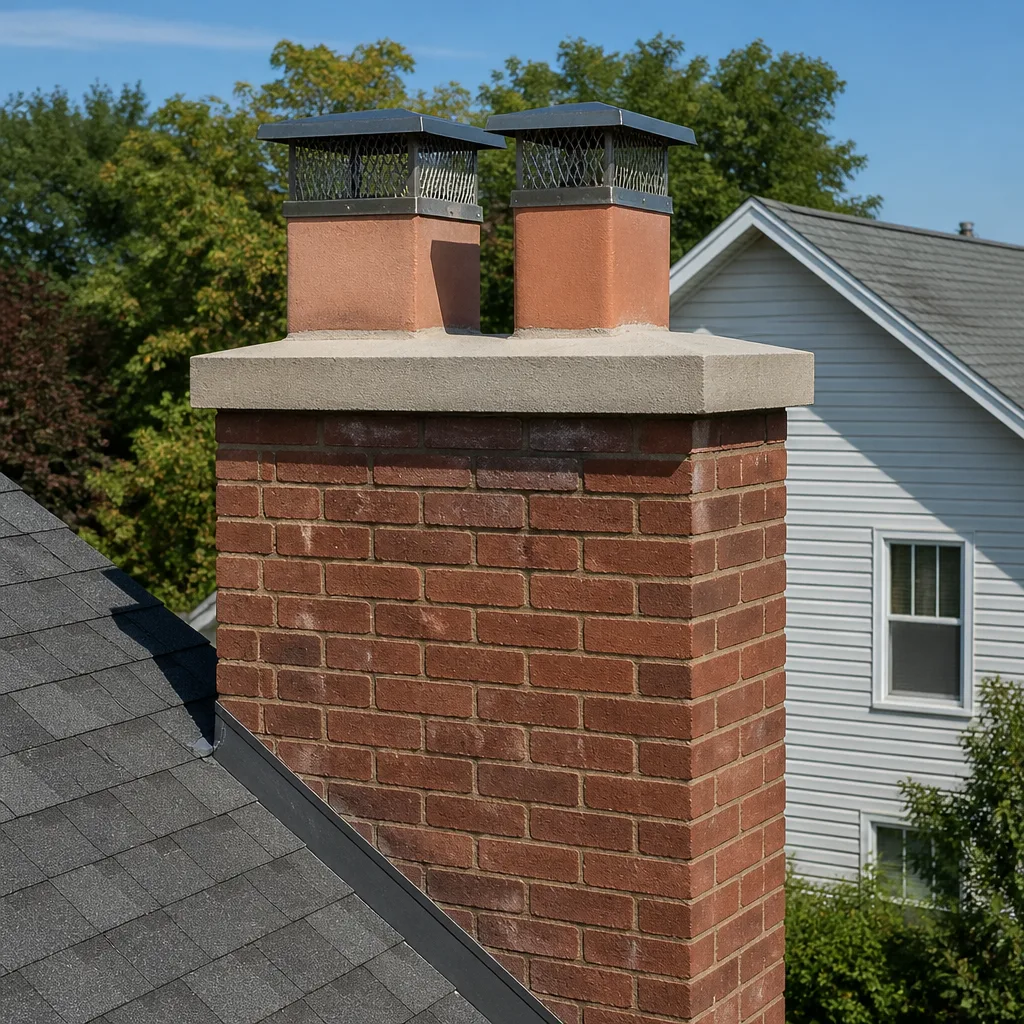 Caps & crowns
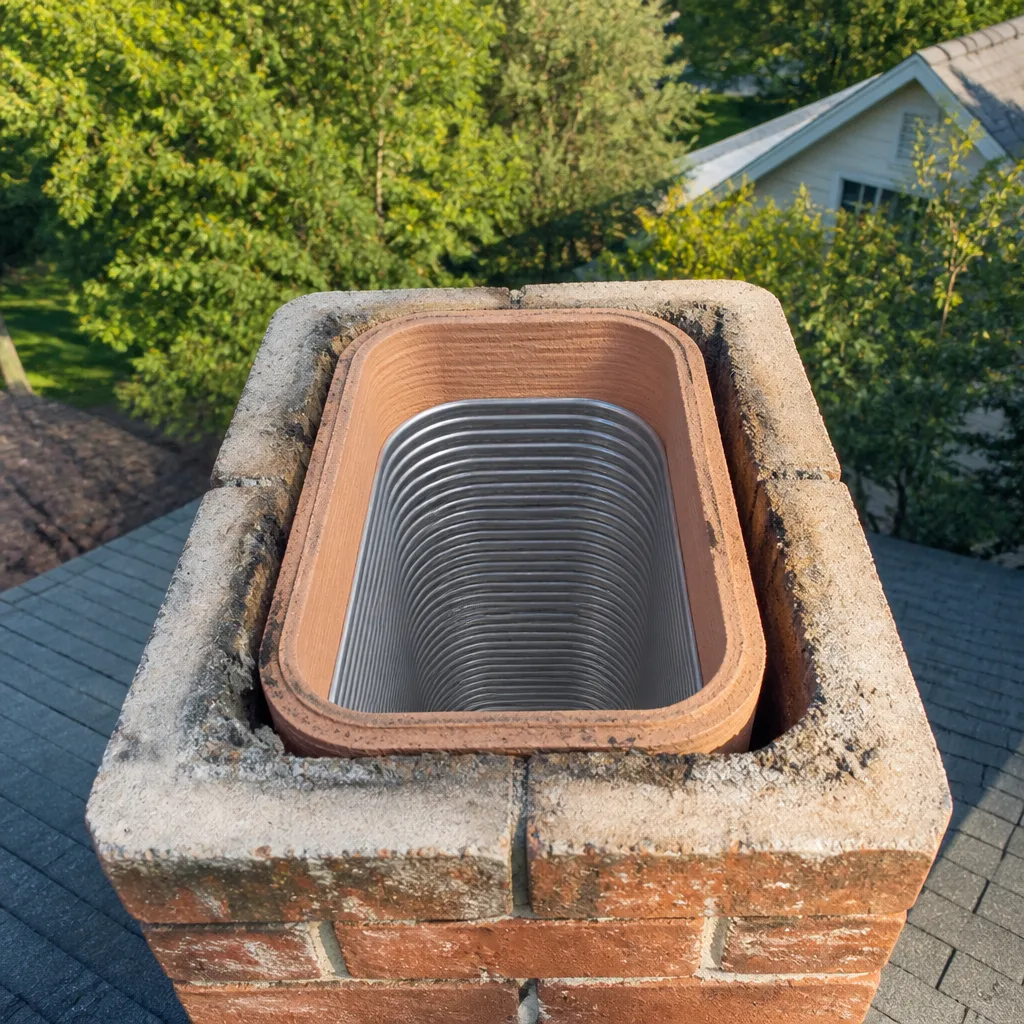 Flue relining
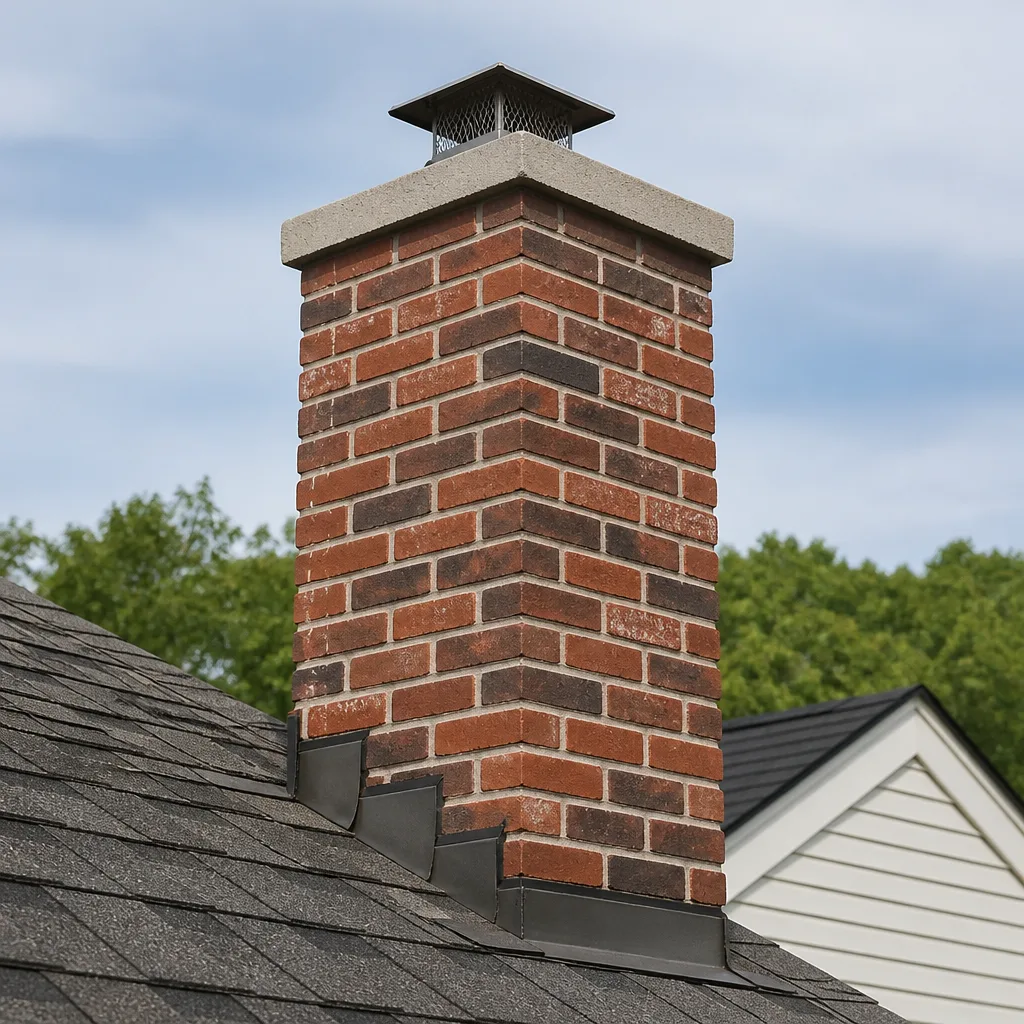 Masonry repair
 Gas fireplace service
Level 1 sweep and inspection to the NFPA 211 annual standard - flue, crown, cap, and flashing checked and photographed
Chimney sweep logs do not sweep chimneys. They loosen some creosote - which then falls where a brush and vacuum still have to collect it.
How to Hire a Chimney Cleaning Contractor in Fort Collins: A Step-by-Step Guide
CSIA certification takes roughly 100 hours of study and a proctored exam. A pressure washer and a brush set take about 20 minutes to buy online. Both show up on the same search results page when you look for a chimney sweep in Fort Collins, and from the outside, both can look like a legitimate business. That gap is the entire hiring problem in one sentence. This guide won’t tell you who to call. It will teach you the five questions that expose the difference between a certified chimney specialist and a generalist with a brush, so you can tell which one you’re actually talking to before any money changes hands.
Quick Answer
Hire a chimney cleaning contractor in Fort Collins by verifying certification first, then confirming scope in writing, then checking what equipment they actually use. Ask for a CSIA or NFI credential and a sample written report before you book. A legitimate chimney specialist will answer all three without hesitation. An unlicensed operator will get vague or pushy, and that reaction is your answer.
Styles & brands we work with
- Sweep & inspection
- Caps & crowns
- Flue relining
- Masonry repair
- Gas fireplace service
Table of Contents
- Why Hiring Right Matters More in Fort Collins
- What CSIA and NFI Credentials Actually Certify
- The Five Questions That Expose Who You’re Talking To
- Red Flags Specific to Chimney Work
- How to Verify Local Reputation in Fort Collins
- What a Proper Written Estimate Should Include
- What Their Equipment Tells You About Their Standards
- Common Mistakes to Avoid
- When to Call a Professional
Why Hiring Right Matters More in Fort Collins
The Fort Collins housing stock makes chimney hiring unusually high-stakes. A large share of homes here were built before modern construction standards, and many carry original masonry chimneys that have been through decades of freeze-thaw cycles. Front Range winters swing hard between freeze and thaw, and that cycle works on brick, mortar, and flue tile the way it works on everything else outdoors: slowly, then suddenly. What looks fine on the outside of a chimney in Fort Collins can hide a cracked flue liner or a failing crown, and you won’t find either by looking up from the driveway.
Add wood smoke. Fort Collins sits in a valley where temperature inversions trap air against the foothills, and burn-day restrictions are a real part of winter here. That puts a premium on burning efficiently and cleanly. A chimney packed with creosote doesn’t just burn dirty, it burns hot, and the difference between a sweep that scrubs the flue and one that removes the hard, glazed deposits burned into the tile is the difference between a safe season and a risky one.
This is why the hiring decision matters more here than in a mild climate where a chimney can coast. The right specialist knows local masonry, local codes, and the way wood actually burns on the Front Range. The wrong one leaves a dirty flue and a clean invoice and calls it done. If you want a baseline before you start calling, start with what our chimney sweep actually includes, so you have a standard to measure every bid against.
What CSIA and NFI Credentials Actually Certify
Most homeowners treat “certified” as a checkbox. It’s more useful than that, because the certifications test specific knowledge you can actually quiz a contractor on. Knowing what’s inside the exam is how you turn a vague credential claim into a real conversation.
CSIA Certification
The Chimney Safety Institute of America credential is the standard for chimney sweeps. Earning it takes substantial study and a proctored exam covering:
- Chimney and venting fundamentals – how flues, connectors, and venting systems are supposed to work together.
- Codes and clearances – the rules governing how close combustible materials can sit to a heat source, which is where most house fires start.
- Inspection standards – the levels of inspection, what each covers, and when each is required.
- Creosote and combustion – how creosote forms, its stages, and what removal actually requires.
- Diagnostics – reading what a chimney is telling you and recognizing when a problem needs repair, not just cleaning.
What that means to you: a CSIA-certified sweep can tell you what a flue is doing and why, not just clean it. Ask directly whether the person coming to your house holds the credential, and whether the company maintains it. The credential is held by an individual technician, not just the company name.
NFI Certification
The National Fireplace Institute credential focuses on solid-fuel and gas appliance knowledge: how specific appliances burn, vent, and interact with the chimney system. If your home has a gas insert or a fireplace insert, NFI familiarity matters. A sweep who understands your appliance knows what a proper burn should look like and can spot trouble related to the appliance itself.
Why does any of this matter beyond the checkbox? Because the credentials prove someone sat for a test covering codes, clearances, and diagnostics rather than just buying equipment. It’s the same reason we name the materials we install. What goes inside your chimney matters as much as the labor going into it.
The Five Questions That Expose Who You’re Talking To
This is the heart of the guide. Ask these five questions in order before you book. You’re not looking for perfect answers, you’re looking for fluency. A real specialist answers instantly, because these are the questions their work revolves around. An unlicensed operator stalls, gets defensive, or changes the subject.
1. “Are you certified, and is the person coming to my home certified?”
Straightforward, and it separates two things people confuse: a company with a certified owner or manager, and a company that sends non-certified technicians. You want to know about the individual at your door. A good answer names the credential, the technician, and the continuing education requirement behind it.
2. “What level of inspection do you perform, and will I get a written report?”
Chimney inspections come in levels, from a basic visual check to a full camera-based evaluation. The answer should connect to your situation, not recite a menu. And any credible sweep delivers a written report with photos. No written report, no deal.
3. “What equipment do you use to clean, and can you inspect with a camera?”
Rotary cleaning systems versus brush-only. A flue camera versus a flashlight. When someone can name their equipment readily, they’ve thought about technique. We cover this in detail below. If they can’t describe their own tools, they can’t describe their own work.
4. “Will you show me what you find before recommending repairs?”
The single most important question in the guide. It answers the real fear: being told you need thousands in work you have no way to verify. The right answer includes pictures or video of the problem and the words “before any work begins.” The wrong answer is “we’ll just take care of it while we’re here.”
5. “Can you give me a sample written estimate before I commit?”
A serious contractor will put scope, materials, and method in writing. A sample estimate shows you the format before you owe anything. This is where the vague operators fall apart, and where our chimney repair process starts. If the estimate doesn’t name what’s being replaced or installed, you don’t have an estimate, you have a number.
We specify materials by name because it holds us and the next reader to a standard. When you hear DuraFlex or HeatShield in an estimate, that tells you the method is defined and the installer knows what a proper repair takes. One call covers the sweep, the inspection, and the repair, so there’s no handoff between the person who finds the problem and the person who fixes it. That single-source accountability is one of the things you’re actually shopping for.
Red Flags Specific to Chimney Work
General contractor red flags are well known. Chimney work has its own set, and these are specific to how the trade operates.
- Vague scope of work. If the bid says “chimney sweep” with no detail on flue, firebox, damper, or cap, they’ve told you nothing. You need to know exactly what’s cleaned and what’s inspected.
- No written report. Verbal findings vanish. A report with photos is the line between evidence and a sales pitch, and it’s the same record your insurer or a buyer’s inspector will want.
- Pressure to approve repairs before cleaning is complete. Cleaning reveals the condition of the flue. Recommending repairs before the sweep is finished is a tell that the inspection is being made to fit a sales target.
- Estimates without brand names or methods. If a liner quote doesn’t name the material system and how it will be installed, it’s a number with no method behind it. DuraFlex liners and HeatShield firebox restoration are different jobs with different reasoning, and both should appear by name when that’s what’s being installed.
- A sudden “your liner is shot” without a camera. A flue liner can’t be assessed reliably without a camera inspection. If the certification comes with no images and no way to see it yourself, that’s pressure, not evidence.
- Someone who offers to “clean it all” for a flat fee and then discovers extra charges. The sweep should be a flat, agreed price before booking, and repairs get their own written estimate after the inspection.
- No local answer. Ask where they work and who they work for. A chimney specialist in Fort Collins should be able to talk about Front Range masonry, local burn-day habits, and the kind of flue problems that come with the climate.
None of these individually proves a bad contractor. Used together, they’ll sort a professional from a salesperson quickly. And when work can wait, we say so. Nothing is recommended without camera evidence you can see for yourself.
How to Verify Local Reputation in Fort Collins
Star ratings are the thinnest possible signal. Every business can generate a five-star average, and the review counts can be gamed. What you want is trade-specific evidence that someone has actually done the work and answered for it.
- Check Larimer County records. Look at business registration and any contractor licensing or complaint history available from the county and city. A legitimate company is registered to do business in the county, not running a phone number from somewhere else.
- Read reviews for specificity. A useful review names the problem, the process, and the result: “found a cracked flue tile, showed me the camera footage, came back with a DuraFlex liner.” A vague “great service” tells you far less.
- Look for reviews that mention inspections and reports. If customers talk about written reports and photos, the business prioritizes evidence. That’s a strong signal.
- Check whether the business handles repairs too. A sweep-only operation that subcontracts fixes is a handoff waiting to confuse you. A full-service chimney specialist keeps the sweep, the inspection, and the repair under one roof.
- Ask trade contacts. Realtors, home inspectors, and property managers in Fort Collins see chimney reports weekly. Their read on a company’s reliability is worth ten star averages.
- Ask the company point-blank. License status, insurance, certifications, and a sample report. A professional expects the question and answers it without bristling.
Our own reputation in Fort Collins is built on that verifiable record: the inspection report, the camera evidence, the written scope. If you can’t verify a business through records and specifics, keep looking. We have a strong local reputation because the work is put in front of people, not behind a sales pitch.
What a Proper Written Estimate Should Include
A proper written estimate names the scope, the method, the materials by brand, and the inspection level, with the final price set by that written document. A low-quality estimate gives you a lump-sum number and a smile. Here’s the side-by-side.
- Scope: What’s cleaned (flue, firebox, damper, smoke chamber), what’s inspected, and what’s explicitly excluded. A proper estimate names the parts. A weak one says “chimney service.”
- Method: Rotary cleaning, brush-only, the level of inspection, and whether a camera is used. The method tells you the standard the contractor works to.
- Material brand: DuraFlex, HeatShield, Gelco, Olympia Chimney, Famco, Copperfield. Named systems signal that the repair is defined and material sourcing is real, not whatever’s on hand.
- Inspection level: Which level, why it was chosen, and what the report will contain. Photos and written findings should be part of the deal.
- Price basis: Scope and labor, not a mystery flat fee. The written estimate sets the final price, so the number you agree to is the number you pay.
- What’s omitted: A weak estimate leaves out brand names, inspection level, camera use, and what happens if a repair turns up. That omission is exactly where surprises live.
Ask for a sample estimate before you book. Then read it for what’s missing. If the materials aren’t named, the method isn’t described, and there’s no report promised, you’ve spotted the difference. We specify materials by name because the brand is part of the work, and HeatShield firebox restoration instead of a quick patch is the sort of thing an estimate should say out loud.
What Their Equipment Tells You About Their Standards
Equipment is a proxy for how seriously a contractor takes the trade, which is why it’s one of the five questions.
Rotary cleaning versus brush-only
Brush-only cleaning is exactly what it sounds like: a brush on a rod, scrubbed through the flue by hand. On a lightly used flue, that can be enough. But creosote doesn’t always come off with brushing. The hard, glazed third-degree deposits have to be mechanically removed, and the tool for that job is a rotary cleaning system, which spins a set of flexible rods and chains or whips to break the glaze off the flue wall. When a contractor has a rotary system, they’ve invested in the ability to handle the jobs that aren’t easy. When they don’t, every job gets the brush, whether it needs it or not.
Camera inspection capability
A camera is what turns a guess into a diagnosis. Without one, the technician is looking at what’s visible from the top or the bottom and inferring the rest. With one, there’s footage of the inside of the flue, tile joints, offsets, and any cracks. The camera is also what makes the written report possible. In our experience, the biggest gap between two contractors is often whether they can show you the inside of your chimney or only tell you about it.
Other signals
- A drop cloth and a shop vacuum with a filter fine enough for fine ash.
- Access tools for the roof that let them work without hurting themselves or your roofing.
- A clear answer on how they protect floors and furnishings, because soot travels.
- Branded materials in the truck or on order (not just the brand names in a brochure).
None of this is about owning the fanciest gear. It’s about whether the person coming into your home has the tools to do the whole job: clean it, see inside it, and fix what’s found. A chimney specialist, not a generalist with a brush, has all three.
Common Mistakes to Avoid
- Hiring on price alone. A low number for a chimney sweep in Fort Collins usually describes a brush-only scrub without a written report. You’ll pay for the difference later.
- Skipping the credential check. “Certified” means little until you know who holds the certification and which credential it is. Ask before the appointment, not after.
- Letting repairs start before the cleaning is finished. Cleaning reveals condition. A recommendation made mid-sweep is a red flag, and a recommendation made with no camera footage is a guess.
- Accepting a verbal estimate. If it isn’t written, with names of materials and a scope, it isn’t an estimate. It’s a starting negotiation.
- Forgetting the local record. Two minutes on Larimer County records and a scan of trade-specific reviews beats any glossy website. Do this before you call.
- Skipping the annual inspection because the cleaning felt fine. Cleaning and inspection are different jobs. A clean flue can still hide a cracked tile, and the sweep won’t always catch what the inspection would.
- Never asking what happens if work can wait. A contractor who tells you when a repair can safely be deferred is a contractor worth trusting. One who never says “this can wait” is selling.
When to Call a Professional
Call a professional whenever the situation involves more than surface dust. That includes: the first fire of the season after a long gap, visible smoke backing into the room, a smell that lingers in the warmer months, a chimney that’s never been inspected since you bought the house, or a wood-stove or insert that’s behaving differently than it used to. Home buyers and sellers should call for a standalone inspection, which we offer for real estate and insurance documentation. Older masonry chimneys in Fort Collins should get an annual look, because the freeze-thaw cycle works harder here than in milder climates. If you’re not sure whether a smell is normal or a problem, that uncertainty is the reason to call. Chimney Sweep Fort Collins offers free estimates in Fort Collins. Call (833) 740-1407.
See the difference
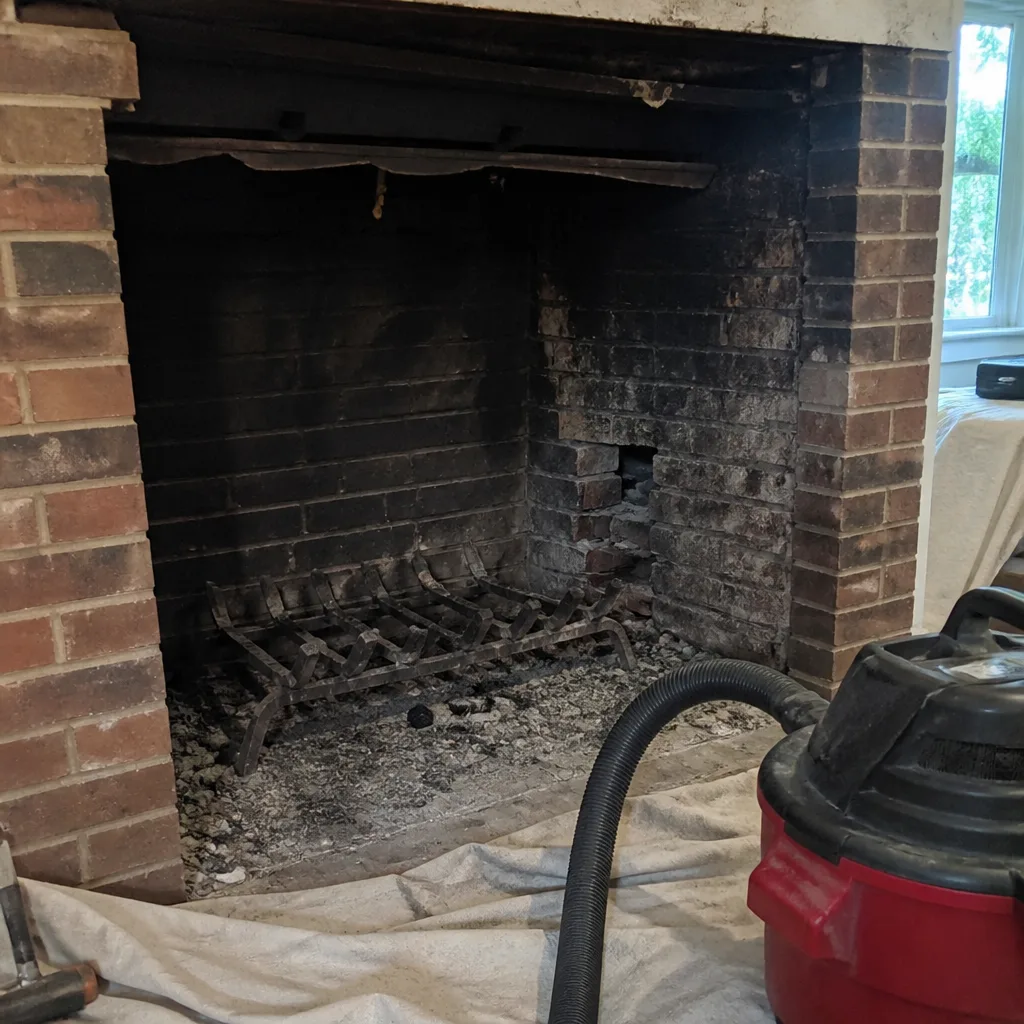 Before
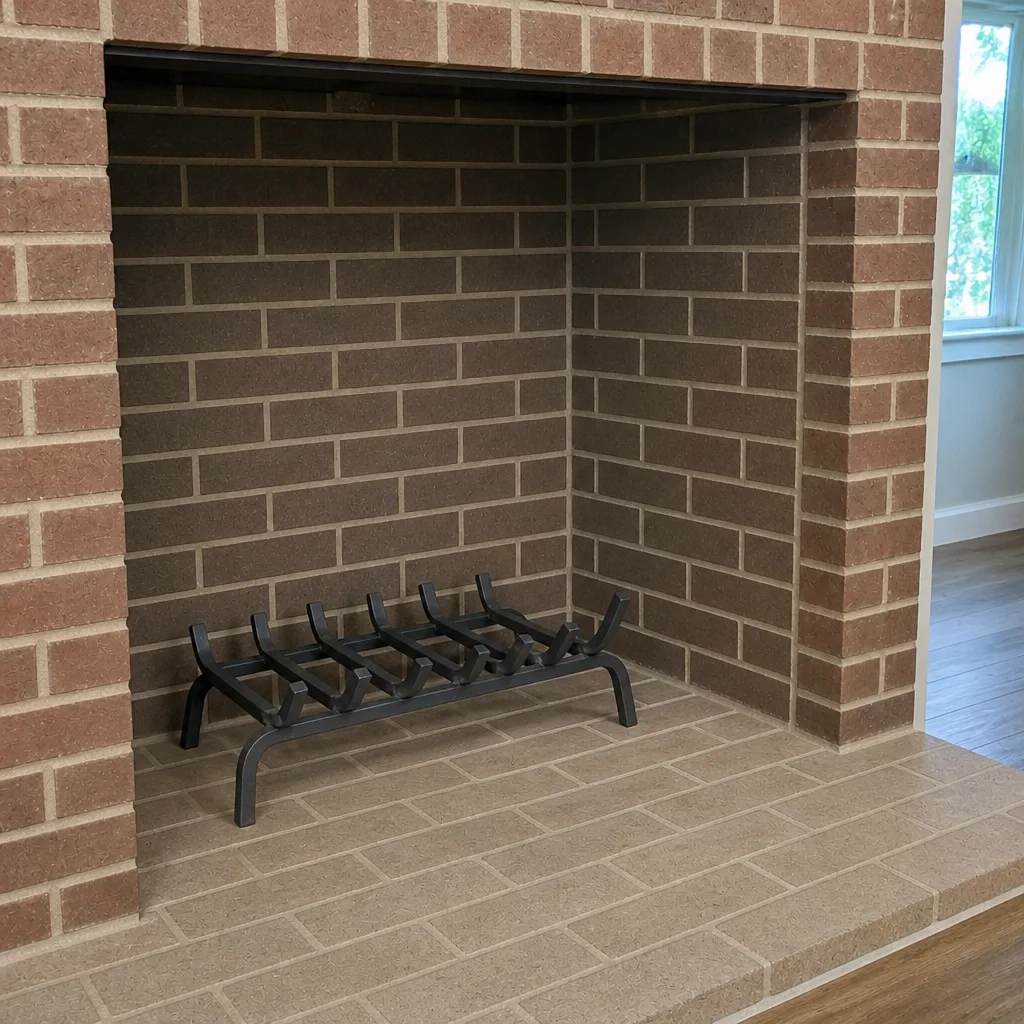 After
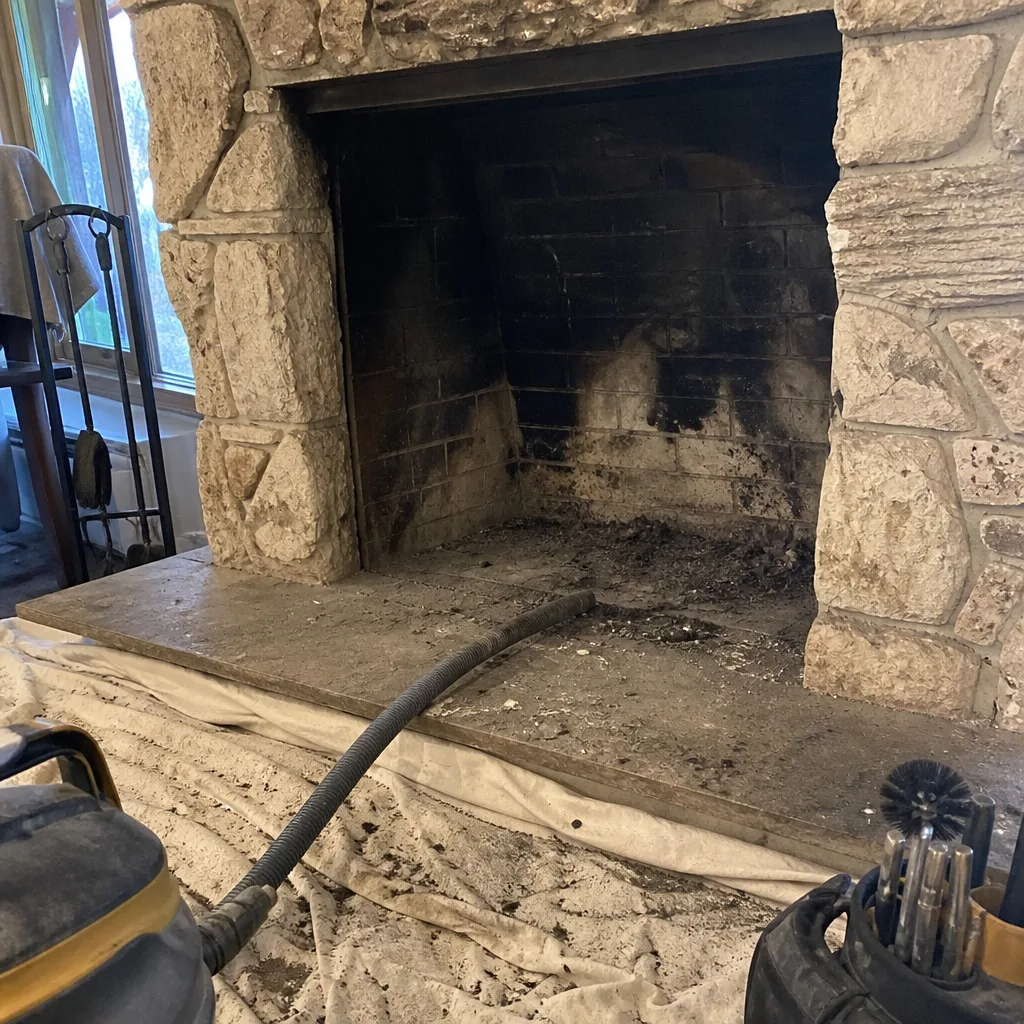 Before
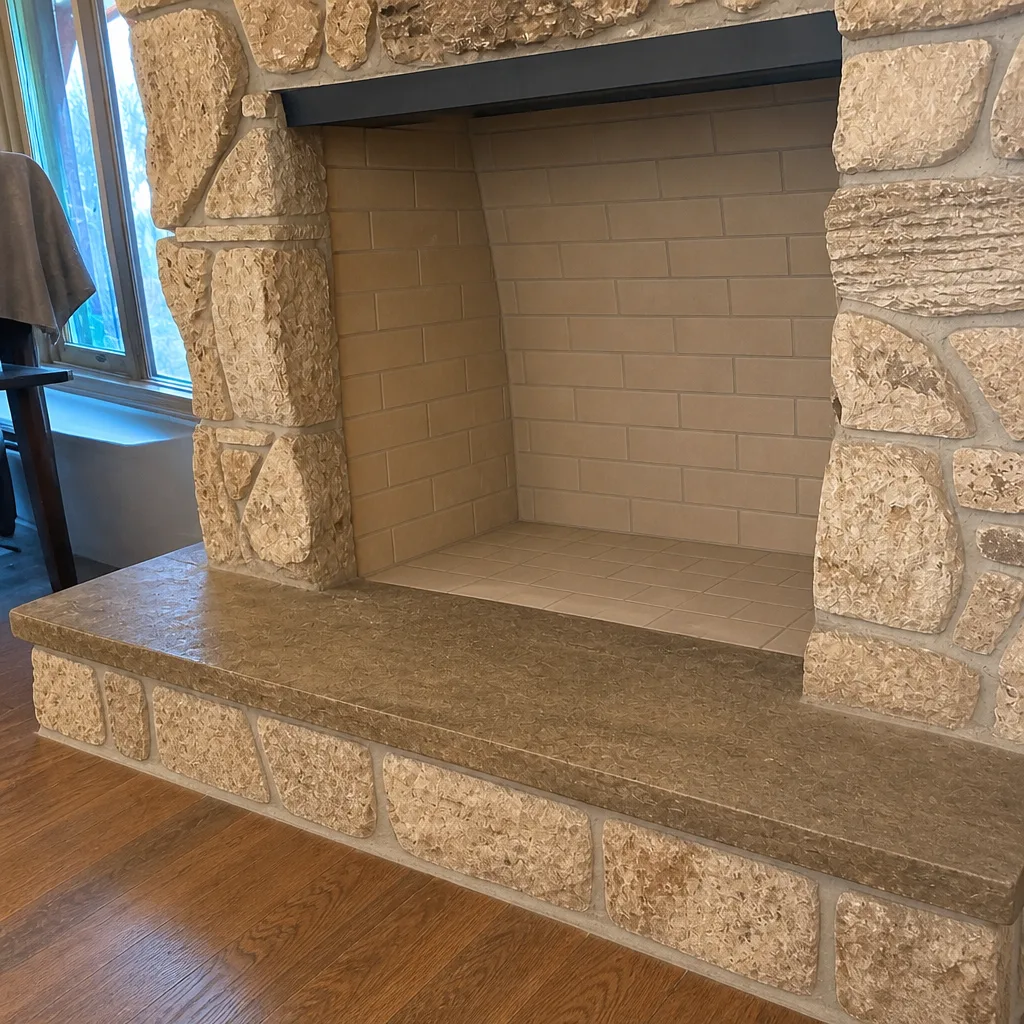 After
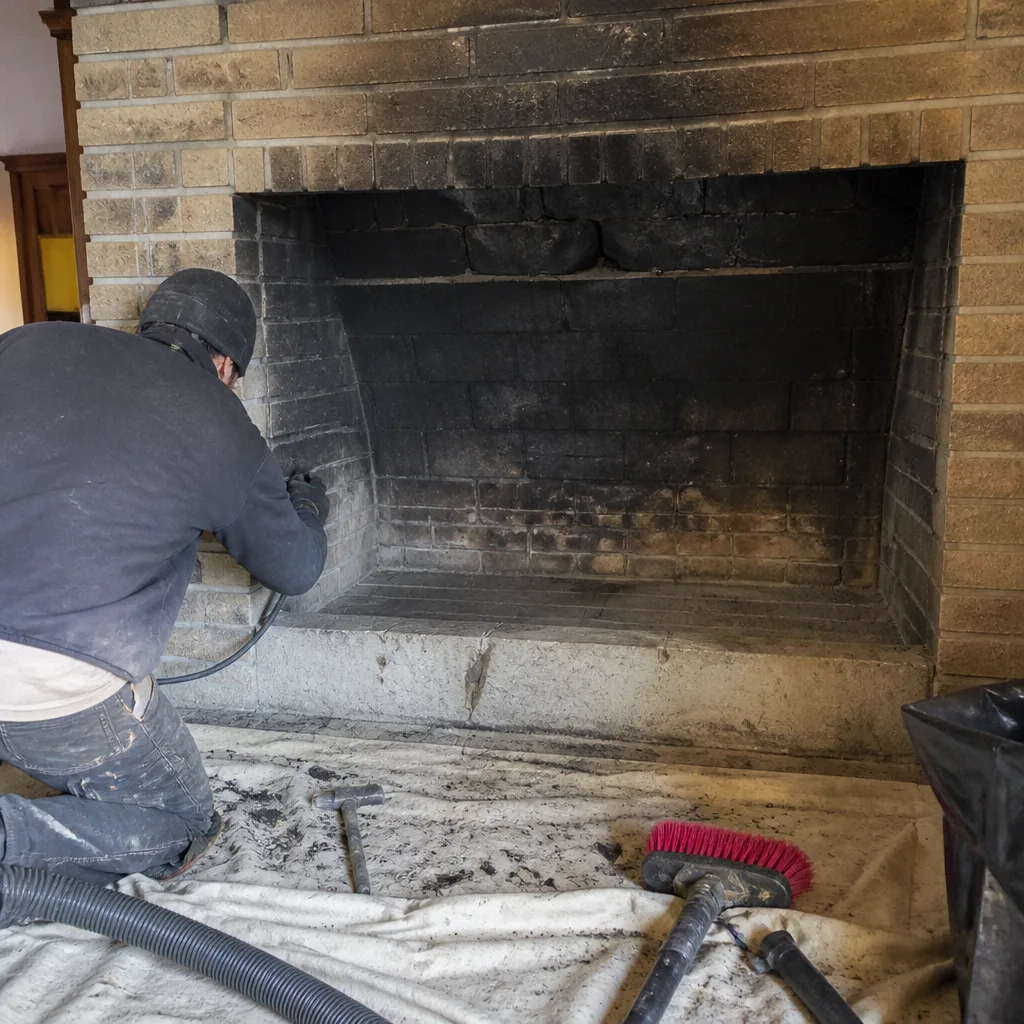 Before
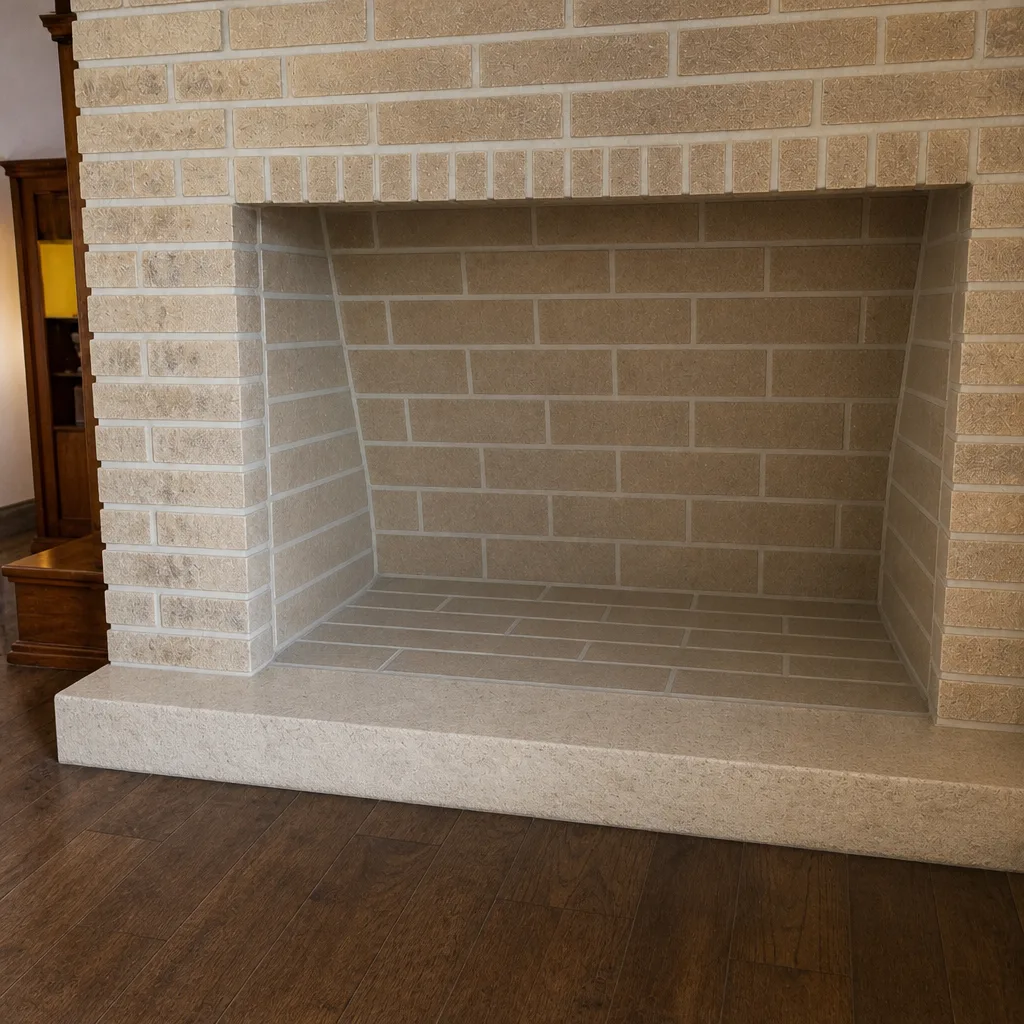 After
Frequently Asked Questions
A chimney sweep in Fort Collins is priced per job based on the scope of the cleaning, the condition of the flue, and whether an inspection is included. The written estimate sets the final price, so the number you agree to is the number you pay. Call (833) 740-1407 for an exact quote. Estimates are free.
You need a new liner when the existing one has failed, and failure is a camera finding, not a guess. Cracks, gaps at tile joints, and deterioration can leave a flue without a proper barrier. We don’t recommend a liner unless the camera footage shows why it’s needed, and we’ll show you. Call (833) 740-1407 for an exact quote. Estimates are free.
Most wood-burning chimneys need the flue cleaned once a season of regular use, plus an annual inspection, and a gas appliance generally needs less frequent cleaning but the same yearly inspection. Heavily used fireplaces, or anyone burning a lot of green wood, may need more. In Fort Collins, the annual inspection also catches freeze-thaw damage before it becomes a repair. Call (833) 740-1407 for an exact quote. Estimates are free.
Skipping the sweep leaves creosote to build up, and creosote is what fuels a chimney fire. The inspection is what catches a cracked flue tile or failing crown before it lets smoke or carbon monoxide into the house. Neither risk announces itself. It just accumulates quietly through the season. Call (833) 740-1407 for an exact quote. Estimates are free.
A written report with photos is how you verify what was found and what, if anything, needs doing. It’s also the record you’ll want if you sell the home or file an insurance claim. Without it, you’re relying on a verbal impression. Ask for a sample report before you book. Call (833) 740-1407 for an exact quote. Estimates are free.
A sweep cleans the flue; an inspection evaluates its condition using a camera and a defined level of assessment. They’re related but not the same service, and that’s why the hiring questions separate them. A company that offers both, plus the repair, avoids the handoff between them. Call (833) 740-1407 for an exact quote. Estimates are free.
The Bottom Line
The five questions are the whole guide in miniature. Are you certified? What inspection level, and is there a written report? What equipment? Will you show me before recommending repairs? Can I see a sample estimate? The answers tell you everything about the gap between a specialist and a generalist with a brush. Get the estimate in writing, name the materials, keep the sweep, the inspection, and the repair with one company, and you’ve solved the hiring problem. Fort Collins homeowners who do those things rarely get surprised twice.
When you’re ready to book, call Chimney Sweep Fort Collins at (833) 740-1407 for a free estimate. We answer 24/7. Fast dispatch from 7am to 7pm, Sunday through Friday.
Written by the team at Chimney Sweep Fort Collins.