
Last updated November 16, 2026
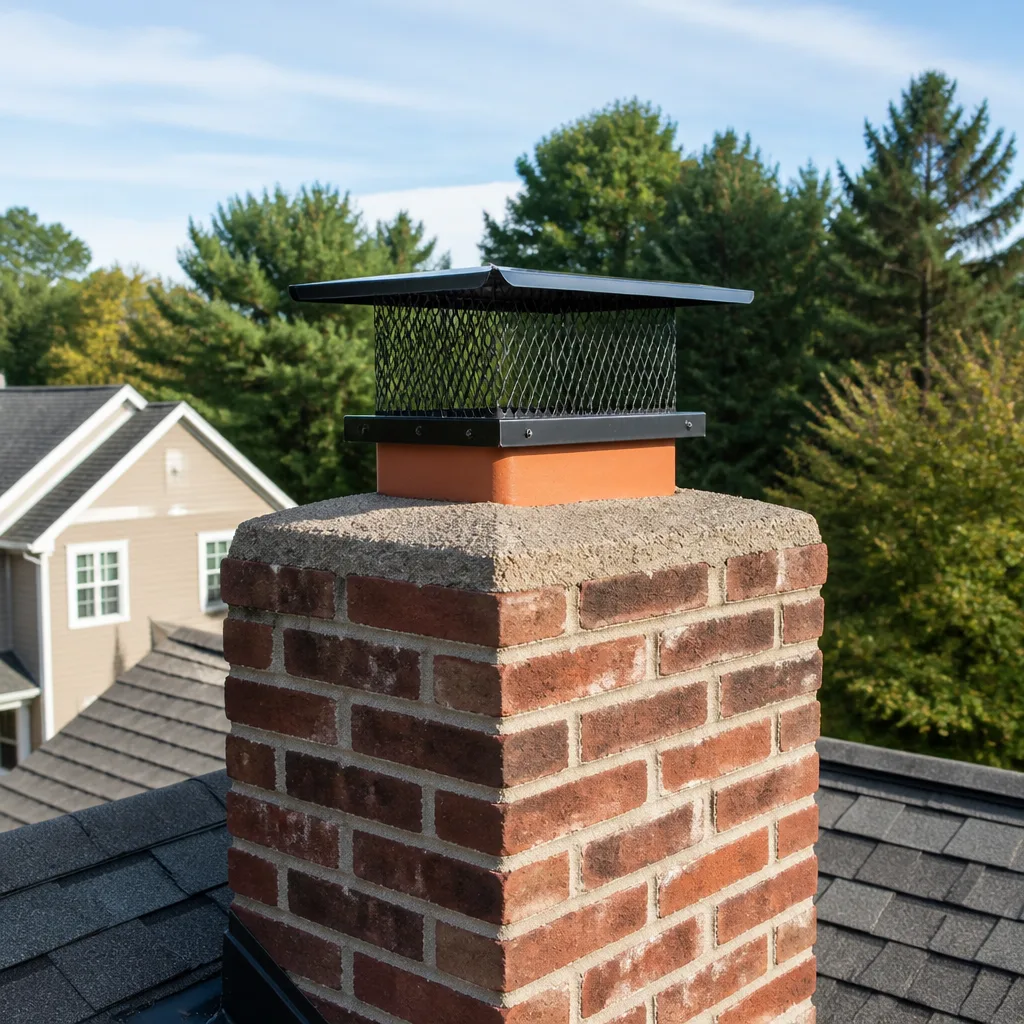 Sweep & inspection
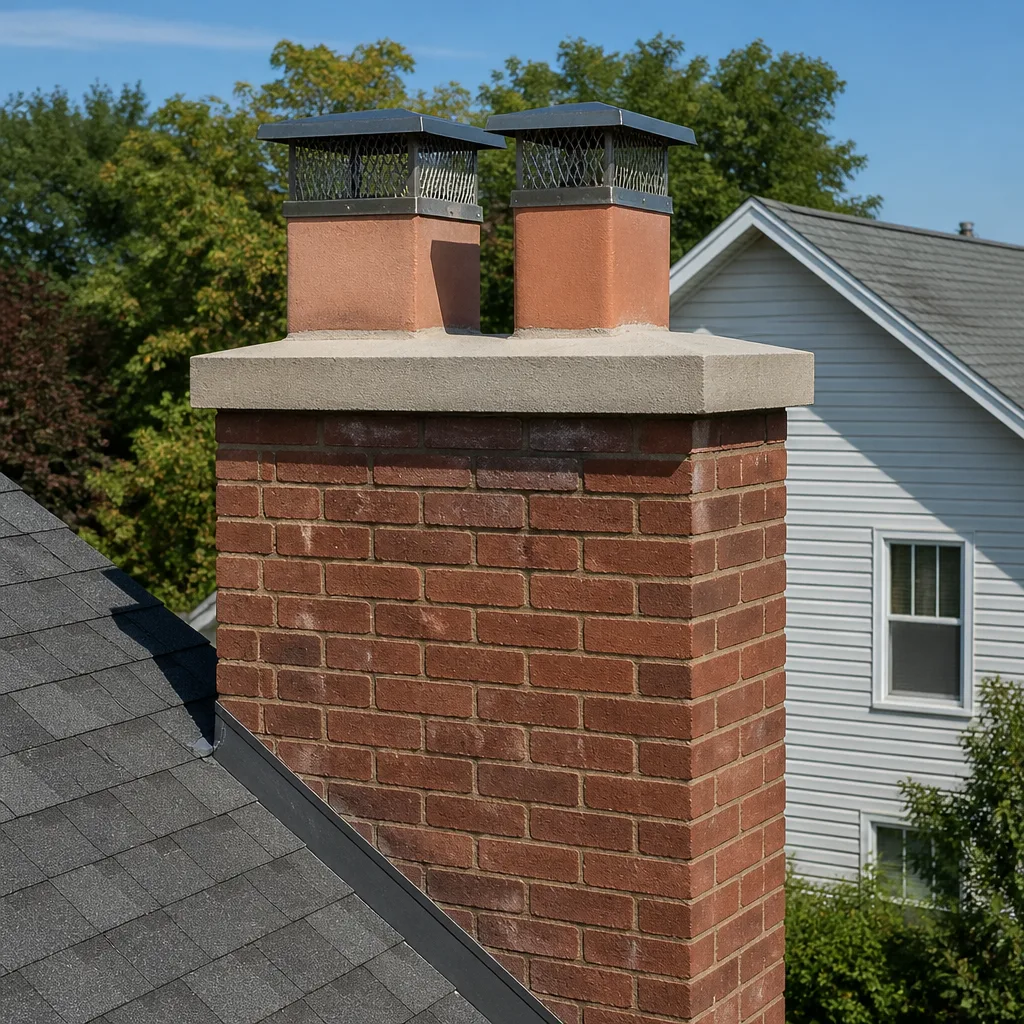 Caps & crowns
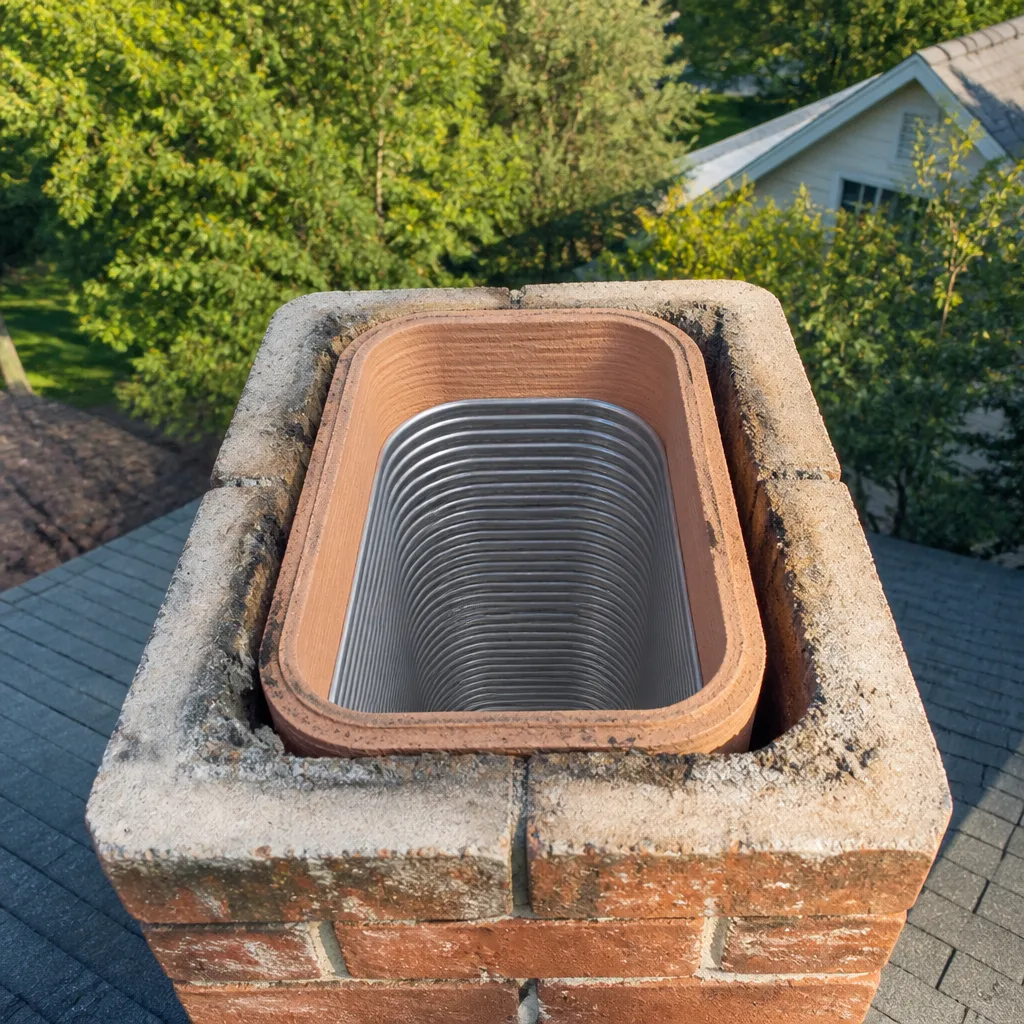 Flue relining
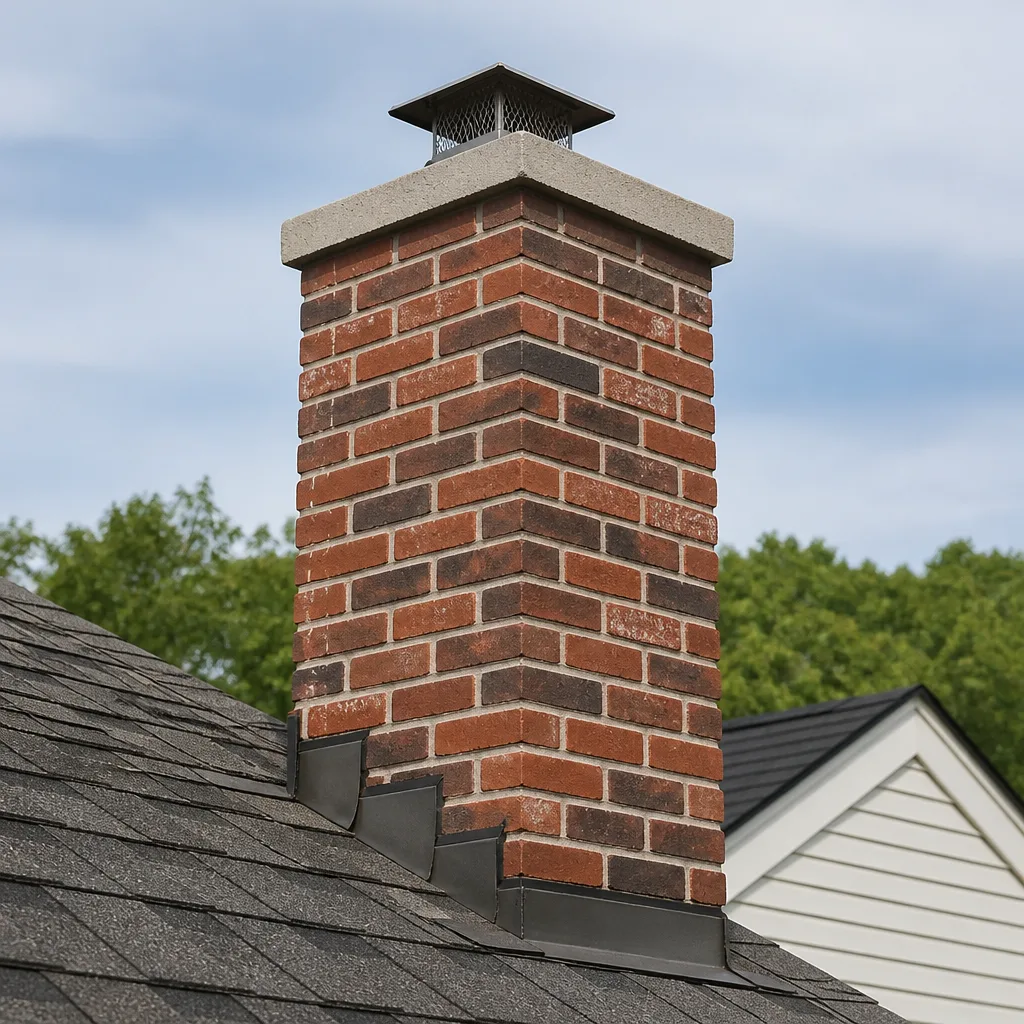 Masonry repair
 Gas fireplace service
Level 1 sweep and inspection to the NFPA 211 annual standard - flue, crown, cap, and flashing checked and photographed
Chimney sweep logs do not sweep chimneys. They loosen some creosote - which then falls where a brush and vacuum still have to collect it.
Chimney Cleaning Permits, Codes & Inspections in Fort Collins, CO: What You Need to Know
Here’s the part of chimney work nobody puts on the estimate: a stainless liner installed without a permit can leave your insurance coverage on shaky ground if a chimney fire ever happens. Most homeowners in Fort Collins assume cleaning and repair are always permit-free, and they sign off without a second thought. The line between routine maintenance and regulated alteration is sharper than it looks, and it’s exactly where resale and coverage problems get created. This guide walks through what needs a permit, what doesn’t, how the codes apply to wood-burning chimneys here, and how to verify past work before you buy or sell a Fort Collins home.
Quick Answer
In Fort Collins, routine chimney sweeping and Level 1 or Level 2 inspections are maintenance and don’t require a permit. Repairs that alter the chimney structure or flue system (installing a stainless liner, resurfacing a firebox with a structural method, changing clearances, or replacing a wood stove or insert) generally do require a permit through the City of Fort Collins building department, which adopts the International Residential Code and International Fire Code with local amendments. NFPA 211 is the inspection standard that determines what a Level 1, 2, or 3 inspection actually covers.
Styles & brands we work with
- Sweep & inspection
- Caps & crowns
- Flue relining
- Masonry repair
- Gas fireplace service
Table of Contents
- Where Maintenance Ends and a Permit Begins
- How Colorado Adopts the IFC and IRC for Chimneys
- What Fort Collins’ Local Amendments Mean for Your Chimney
- NFPA 211: Level 1, 2, and 3 Inspections Explained
- How to Verify a Permit Was Pulled on Past Chimney Work
- Working With the City of Fort Collins Building Department
- Liners, Clearances, and What the Codes Are Actually Protecting
- Chimney Inspections in a Fort Collins Real Estate Transaction
Where Maintenance Ends and a Permit Begins
The confusion is understandable. Sweeping a chimney is one of the few trades where the most visible work (brushing out creosote, cleaning the firebox) is pure maintenance and requires nothing more than a call. What changes the permit question is whether the work alters the venting system or the structure of the chimney itself. Once you cross that line, you’re into regulated territory.
Maintenance work, which typically needs no permit:
- Chimney sweeping and creosote removal
- Level 1 and Level 2 inspections
- Replacing a chimney cap of the same size and style
- Repointing mortar joints on a crown or at the top of the stack where no structural change is made
- Removing a bird nest, debris, or animal blockage
Work that typically requires a permit:
- Installing a new stainless steel chimney liner
- Resurfacing a firebox with a structural method (HeatShield, for example, changes the firebox dimensions and flue geometry, which triggers permit review in most jurisdictions)
- Changing the appliance type, such as adding a wood insert, gas insert, or new stove to an existing chimney
- Altering the height of the chimney above the roofline
- Removing or relocating a chimney chase or flue
- Modifying clearances to combustibles inside the chase
We specify materials by name because what goes inside your chimney matters as much as the labor category on the invoice. When we quote a DuraFlex liner installation for a Fort Collins home, the scope of that work crosses the permit line, and we tell you so up front. A contractor who installs liners without pulling a permit is creating a paper trail problem that follows the house.
How Colorado Adopts the IFC and IRC for Chimneys
Colorado doesn’t write its own chimney code from scratch. The state allows local jurisdictions to adopt model codes (the International Residential Code and the International Fire Gas Code, published by the International Code Council) with local amendments, and the City of Fort Collins does exactly that. What that means for a homeowner is that the chimney provisions in your house are set by the version of the IRC and IFC the City has adopted, plus any Fort Collins-specific amendments layered on top.
At the residential level, the relevant IRC chapters cover chimneys and vents, and they do a few things at once:
- They set clearance requirements between a chimney and combustible materials like framing, sheathing, and insulation. The clearance changes depending on whether the chimney is masonry or a listed factory-built system.
- They specify flue sizing based on the appliance type and its input rating. An undersized flue drafts poorly; an oversized one cools too quickly and collects creosote faster.
- They define what counts as an alteration versus maintenance, which is the exact threshold that decides whether a permit is required.
- They require listed appliances and listed venting components to be installed per their manufacturer’s instructions, which is why a liner manufacturer’s spec sheet gets attached to a permit application.
In our experience working Fort Collins homes, the practical consequence of all that regulation is this: any change to the flue or the appliance almost always involves a permit, and a liner or insert installed long ago without one may not meet the code the City has adopted now. You can read more about how we handle those situations on our chimney repair page, but the permit question is the first thing we check before quoting the work.
What Fort Collins’ Local Amendments Mean for Your Chimney
Fort Collins adopts the IRC and IFC with amendments, and several of those amendments touch wood-burning appliances and clearances. The details shift when the code cycle updates, which is exactly why general statements about “what the code says” are unreliable without checking the current adopted edition. But the pattern here is consistent.
Around Fort Collins, wood-burning appliance clearances get closer review than most homeowners expect. The amendments tighten things in a few areas:
- Clearance from combustibles: Fort Collins’ amended code language tends to be strict about how close a stove or insert can sit to a framed wall, trim, or the mantel. A small gap you can’t see from the firebox matters.
- Hearth extensions: The required non-combustible floor protection in front of a wood stove depends on the stove’s listed clearances and the amendment language. A tile hearth that was fine under an older code edition may not be fine under the current one.
- Liner specifications: The adopted liners must be listed products matched to the appliance fuel type. A liner for a wood-burning appliance isn’t automatically approved for a gas insert, and the reverse is also true. This is why we specify DuraFlex or comparable listed systems rather than a generic flexible liner.
- Venting height and termination: The code sets a minimum distance above the roofline and adjacent rooflines. A chimney terminated too low drafts poorly and can pull exhaust back into the living space.
The housing stock in Fort Collins makes this more than a theoretical concern. Older homes in the city’s core (the neighborhoods around Old Town, and the pre-war blocks on the west side) often have masonry chimneys built to code editions that no longer apply. Boulder-area transplants moving up to Fort Collins sometimes assume their chimneys meet the same standards as their old house and they don’t, because the amendment language is different. Walking the actual chimney against the current code is the only reliable way to know.
NFPA 211: Level 1, 2, and 3 Inspections Explained
NFPA 211 is the standard that defines what a chimney inspection covers. Most homeowners don’t know there are three levels, and most contractors don’t explain the difference unless you ask. Here’s what each level actually covers and when it applies.
Level 1 Inspection is the standard annual or pre-season inspection when conditions haven’t changed. It covers:
- Readily accessible portions of the chimney exterior and interior
- The firebox, damper, and flue connection
- The appliance, its venting connection, and the visible portion of the flue
- Clearances to combustibles where visible
Level 2 Inspection is required in specific scenarios and is far more thorough. It’s the right inspection when:
- A property is being sold or transferred (this is the standard real estate inspection)
- The appliance type has been changed (adding a wood insert or converting to gas)
- There’s been a chimney fire or a weather event (lightning, earthquake, high wind) that could have damaged the chimney
- You’ve made a change to the venting or fuel type
- There’s evidence of a hidden problem: persistent odor, smoke rollback, visible water intrusion, chimney movement
Level 2 covers the accessible attic, crawlspace, and any portion of the chimney that can be reached without cutting into the structure. It uses video camera inspection of the flue interior. That camera is the whole point: it lets you see what’s going on inside the flue with your own eyes, instead of taking someone’s word for it. We include camera inspection and a photo report for exactly that reason, because liner damage is invisible from the firebox and the only honest answer is one backed by footage.
Level 3 Inspection applies when a Level 1 or 2 inspection has revealed a hidden problem that can’t be assessed without opening the structure (removing framing, cutting into a wall, dismantling portions of the chimney). It’s the rare case. When it’s the right call, it’s usually because a Level 2 already turned up damage that has to be looked at in place.
The inspection levels are defined by the standard, not by us, and they map cleanly onto the Fort Collins real estate transaction question that comes up again and again in this city. When a home is under contract, NFPA 211 says the transaction inspection is Level 2. That’s a standard you can point to.
How to Verify a Permit Was Pulled on Past Chimney Work
The permit question becomes urgent when you’re buying a home. A stainless liner installed during the previous owner’s tenure, with no permit on file, isn’t just a paperwork gap. It may be non-compliant with the code the City has adopted since, and it can complicate insurance coverage if a claim ever gets filed against the chimney. Here’s how to check.
- Ask for the permit number. Start with the seller and the real estate agent. A properly permitted liner or insert installation leaves a permit number in the seller’s records or in the transaction file. If they don’t have it, ask them to pull it.
- Check with the City of Fort Collins building department. The building department maintains permit records by property address. Permit history for a given address is generally retrievable, though older records may be paper-based and require a records request rather than a quick lookup.
- Match the permit to the work. A permit for “chimney liner installation” is one thing. A permit for “re-roof” doesn’t cover chimney work even if the chimney was touched during the roof job. The permit scope has to match the job.
- Confirm the final inspection was signed off. A permit pulled but never inspected and closed is still an open permit on the record. That matters at resale.
- Order a Level 2 inspection. The inspection tells you what’s actually in the chimney. The permit file tells you what was legal at the time. You need both to know the state of the system.
If you find unpermitted work, it isn’t a reason to walk automatically. It’s a reason to price the remedy properly. Sometimes the existing installation meets current code and a permit can be pulled retroactively after review. Sometimes the liner has to come out and be redone. A chimney specialist with a Level 2 inspection and photo report can tell you which situation you’re in. That’s the difference between a problem and a negotiating point.
Working With the City of Fort Collins Building Department
The City of Fort Collins building department is the authority that reviews and inspects chimney permits inside city limits. Larimer County handles unincorporated areas outside the city, and each jurisdiction has its own process. That boundary matters more than people realize. A Fort Collins address in a county pocket, or a subdivision on the edge of town, might fall under county permitting rather than city permitting, and that changes which office you call.
For a chimney permit, the process typically runs like this:
- Confirm which jurisdiction the property is in (City of Fort Collins or Larimer County).
- Submit a permit application with the scope of work, the appliance details, and the liner or venting specifications (manufacturer and listing data).
- The plans reviewer checks the scope against the adopted IRC and IFC with local amendments.
- Permit is issued, work is performed, and inspection is scheduled at the rough-in or final stage depending on what was permitted.
- The inspection is signed off and the permit is closed.
From our side, the practical reality is that the permit application is only as good as the specification attached to it. When we install a DuraFlex liner or resurface a firebox with HeatShield, the manufacturer’s spec sheet and listing data go with the permit application. That’s what a reviewer needs to see, and that’s part of the reason we specify materials by name rather than describing work in vague terms.
For homeowners who are selling or buying a Fort Collins house, a chimney inspection done as a standalone service is often the cleanest route. It doesn’t require a permit, it produces a report you can hand to a buyer or an insurer, and it tells you whether there’s a permit problem before it becomes one in a contract. The team at Chimney Sweep Fort Collins handles the inspection, the repair, and the permit documentation side without handing you off. You can find the full picture on our chimney sweep page, or on our Fort Collins landing page if you want to see the local context in one place.
Liners, Clearances, and What the Codes Are Actually Protecting
Every clearance rule in the code traces back to a single physical reality: creosote ignites and chimney fires burn hotter than most masonry can safely absorb. The three-stage chimney fire is the reason. Stage one smolders quietly. Stage two roars loudly enough to be audible outside. Stage three is a prolonged burn that can crack masonry, distort a metal liner, and ignite framing on the other side of a damaged chase. The clearance requirements in the IRC exist so that a stage-three fire has somewhere safe to burn. A liner installed without proper clearance has nowhere to send that heat except into the wood framing around it.
In Fort Collins, with our high-desert winters and long heating season, the system has time to cycle through dozens of hot-cold swings between October and April. Uphill neighborhoods on the west side see more cold-night burn cycles than the flats. That’s not a weather claim about salt air or coastal humidity (we have neither). It’s a thermal-cycling observation that will matter to any technician who opens the chase and finds what a decade of expansion cycles did to the mortar joints.
A few things worth understanding about how this plays out:
- Undersized flues collect creosote faster. Cooler flue gas means more condensation on the interior walls, and condensed creosote is what ignites.
- An unlisted liner is easy to spot. A listed product has a manufacturer label. If your liner doesn’t, that’s the first thing we check.
- Firebox resurfacing matters structurally. HeatShield is a specialized resurfacing system, not mortar patching. It changes the firebox geometry only slightly but it restores the refractory surface so heat doesn’t escape into the masonry structure around it.
- Crowns crack. The concrete crown at the top of the stack is the chimney’s raincoat. A cracked crown lets water into the chase, which degrades everything below it. Repointing a crown isn’t glamorous; it’s what keeps the rest of the chimney from needing a permit-level repair.
The brands we specify (DuraFlex, HeatShield, Gelco, Olympia Chimney, Famco, and Copperfield) all produce listed products with published spec sheets. That’s the reason they show up on our permits and in our quotes. Generic materials save money on the invoice and create permit questions at resale.
Chimney Inspections in a Fort Collins Real Estate Transaction
If you’re buying or selling a home in Fort Collins, NFPA 211 requires a Level 2 inspection as part of the transaction. Not recommended, required, by the standard. That’s a stronger position for a buyer than most home inspection reports give you, because the home inspector’s scope is general and the chimney’s interior flue is not part of a standard home inspection.
A Level 2 in a transaction covers:
- All accessible portions of the chimney interior and exterior
- Video camera inspection of the flue
- Attic, crawlspace, and any accessible chase components
- Appliance and venting connection
- Clearances to combustibles where accessible
What the buyer gets out of it: a photo report of the flue interior showing exactly what condition the liner is in, what the firebox looks like, and whether any part of the system has damage or a code problem. That’s the document you hand to your agent and your insurer. It’s also the document that surfaces the permit question, because a Level 2 typically shows whether the liner installation matches the permit history for the address.
Sellers benefit too, though it’s less obvious. A pre-listing Level 2 with a clean report and a documented permit history clears away a common buyer objection before the buyer even raises it. A pre-listing Level 2 with a problem found gives you time to fix it under your own terms instead of under contract pressure. Either way, you’re not the seller in Fort Collins explaining to a buyer’s agent why the liner installation from five years ago has no permit on file.
For the standalone inspection service, whether you’re buying, selling, or documenting for an insurer, we can pull the report and offer the repair as a separate scope. Nothing gets quoted without camera evidence you can see for yourself, and if the repair can safely wait until next season, we say so.
Common Mistakes to Avoid
- Assuming all chimney work is permit-free. Sweeping is permit-free. A liner is not. Homeowners who treat those as the same category end up with unpermitted liner installations that complicate insurance claims.
- Skipping the permit to save time. A contractor who offers to install a liner “without the paperwork hassle” is telling you they don’t intend to be inspectable. That’s the tell. The permit process is the only independent check on the installation.
- Trusting a home inspection report to cover the flue. Standard home inspections don’t include video inspection of the chimney flue. In a Fort Collins real estate transaction, NFPA 211 says you need a Level 2. Get the Level 2.
- Not verifying permit history before closing. Pulling the permit history by address takes a call to the City of Fort Collins building department. Doing it after closing is much more expensive than doing it during the inspection window.
- Assuming an existing liner meets the current code edition. Fort Collins adopts IRC and IFC editions with amendments on a code cycle. A liner installed under an older edition may not meet the current one. A Level 2 with the actual code edition in hand is what tells you.
- Letting a crown crack go unaddressed. A cracked crown is the single most common entry point for the water that degrades everything below it. It’s routine maintenance when caught early and permit-level repair when ignored.
- Resurfacing a firebox with mortar instead of a listed method. Firebox resurfacing is not generalized masonry patching. HeatShield and comparable listed systems are engineered for it. Generalist work on a firebox is a common cause of premature failure.
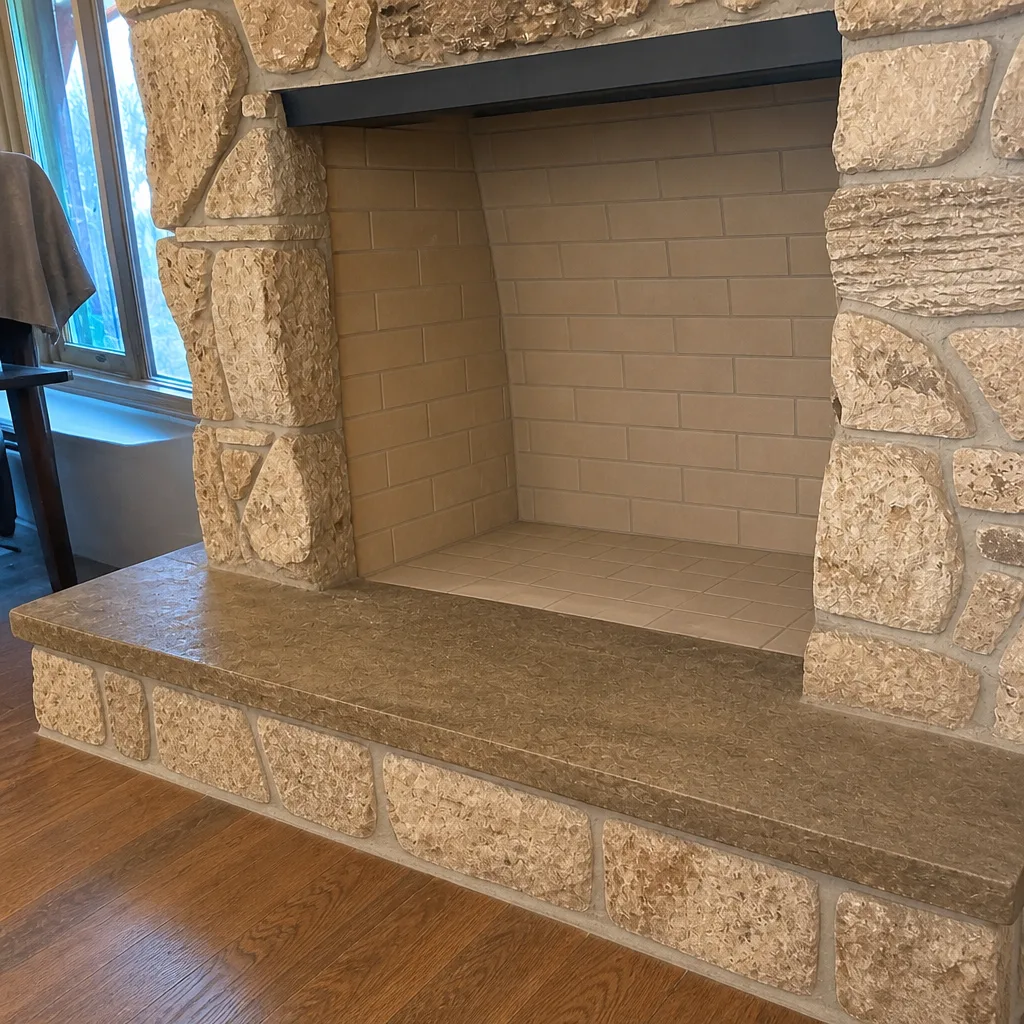
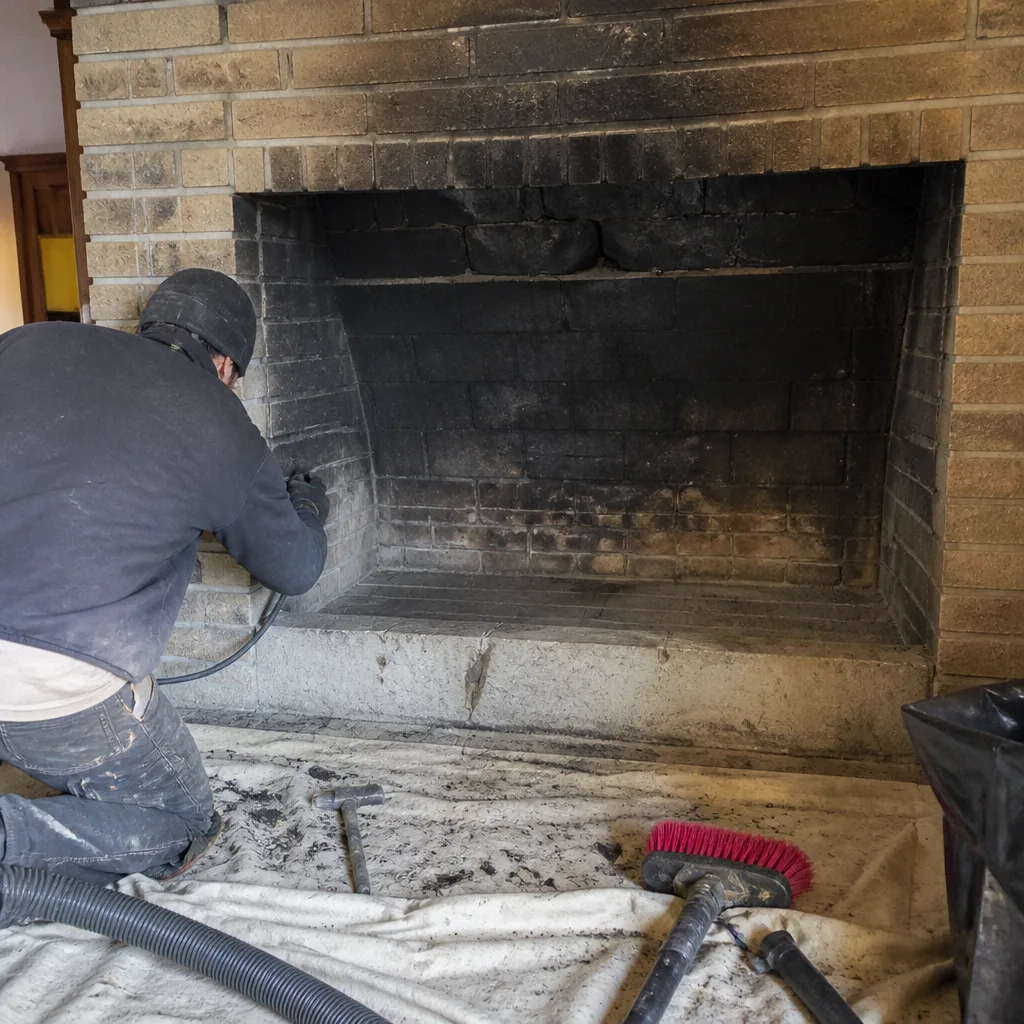
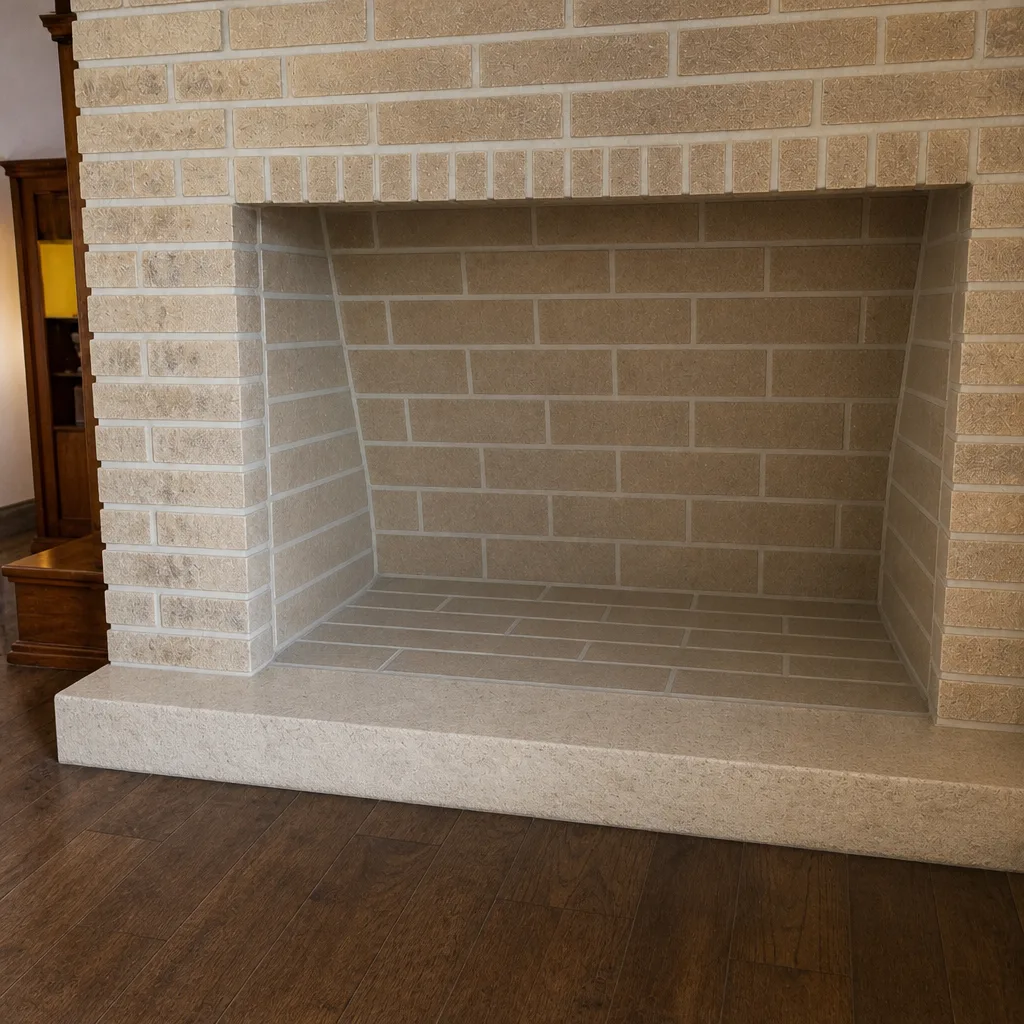
See the difference
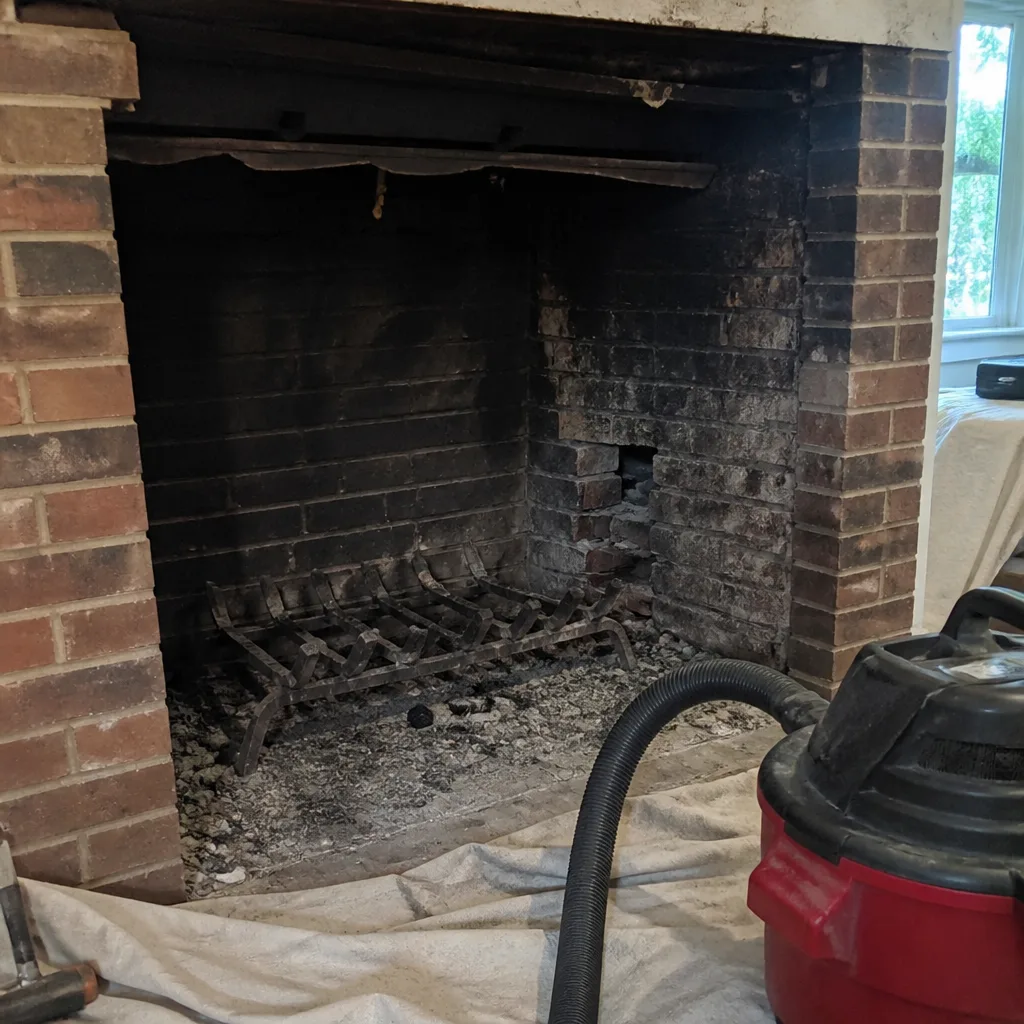 Before
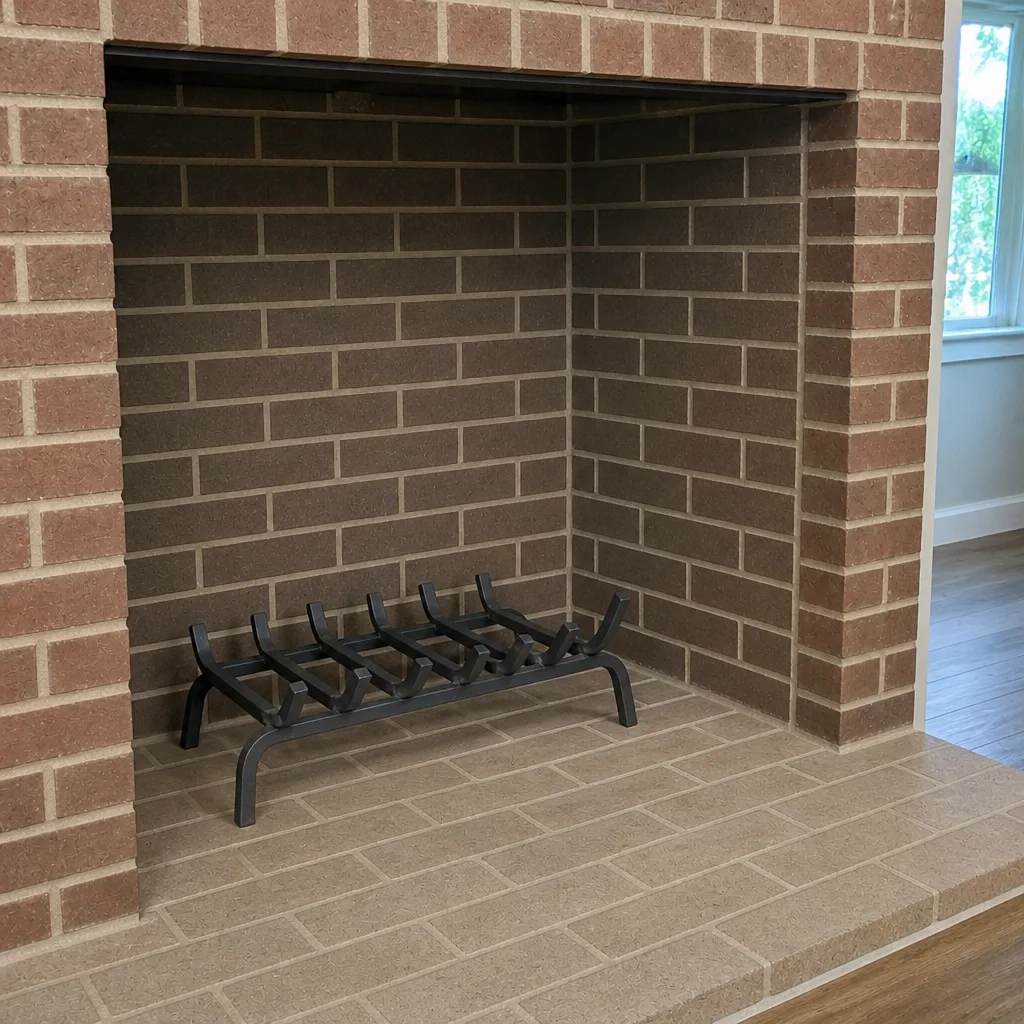 After
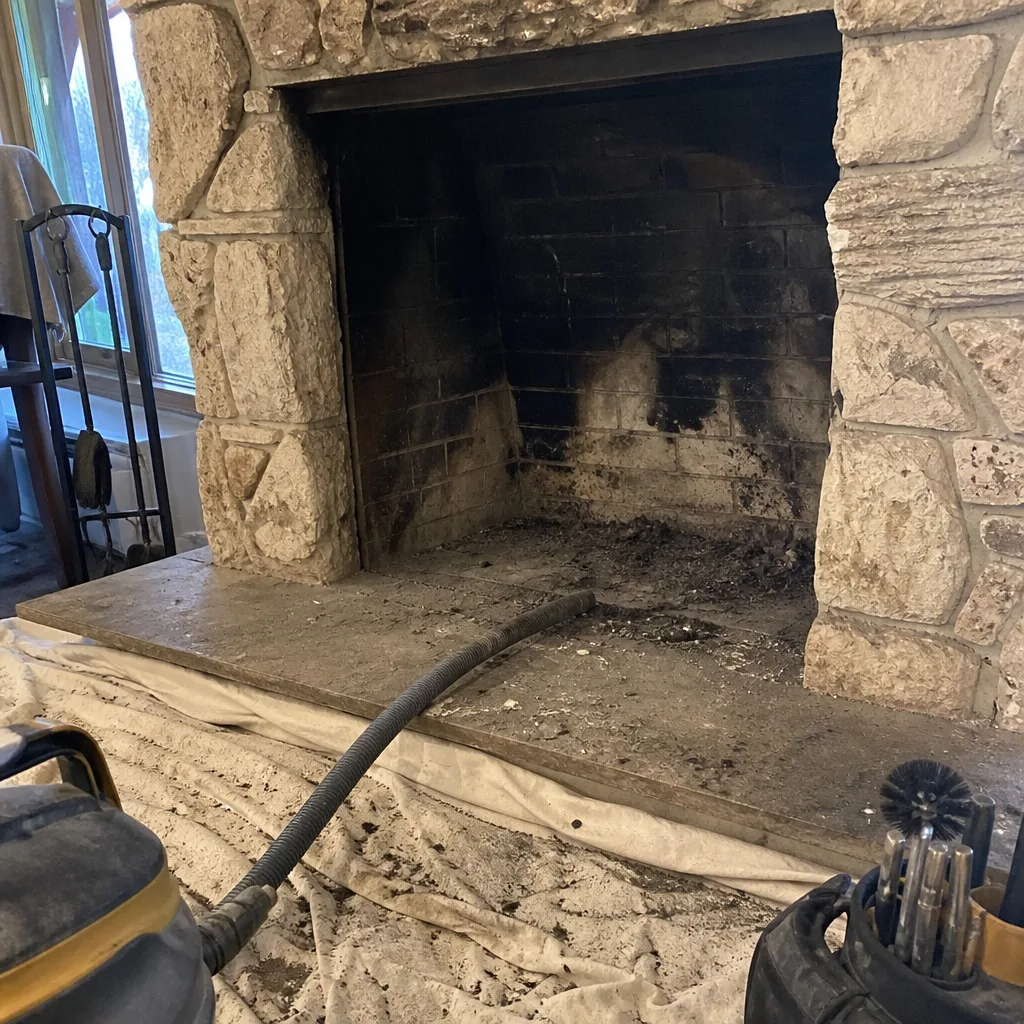 Before
 After
 Before
 After
When to Call a Professional
Some chimney problems are obvious from the firebox, and some are invisible until someone puts a camera down the flue. The line between the two is where a professional call makes sense. Call us when: you’re buying or selling a Fort Collins home and need a Level 2 inspection for the transaction; you’ve noticed smoke rollback, persistent odor, or visible water intrusion; a chimney fire has occurred and you need a post-fire assessment; you’ve changed appliance types or are considering adding a wood or gas insert; you don’t know the permit history for a liner installation and want it verified before it becomes a problem; or it’s simply time for a pre-season sweep and inspection before the heating season starts.
Chimney Sweep Fort Collins offers free estimates in Fort Collins. We handle the sweep, the inspection, and the repair as one scope, and we tell you exactly what we found and exactly what it costs to fix it, before any work begins. Call (833) 740-1407. We answer 24/7. Fast dispatch from 7am to 7pm, Sunday through Friday, and we’re closed Saturday.
Frequently Asked Questions
No. Routine chimney sweeping and Level 1 or Level 2 inspections are maintenance and don’t require a permit from the City of Fort Collins. A permit becomes necessary when the work alters the venting system or the chimney structure, such as installing a liner, resurfacing the firebox with a listed structural method, or changing the appliance type. Call (833) 740-1407 and we’ll tell you whether your specific job crosses that line.
In most cases, yes. Installing a stainless steel chimney liner changes the flue system and requires a permit through the City of Fort Collins building department, with the liner’s listing data and manufacturer specifications attached to the application. The permit is the independent check on whether the installation actually meets the adopted IRC and IFC as amended locally. If you’re weighing a liner install, call (833) 740-1407 for a free estimate and we’ll walk through the permit scope with you.
A Level 1 inspection covers the readily accessible portions of the chimney and appliance, and it’s the standard annual inspection. A Level 2 adds a video camera inspection of the flue interior plus accessible attic, crawlspace, and chase areas, and it’s required by NFPA 211 in real estate transactions, after a chimney fire, after an appliance change, or when there’s evidence of a hidden problem. A Level 3 involves opening the structure to access a hidden problem that a Level 1 or 2 can’t assess, and it’s rare. Call (833) 740-1407 and we’ll tell you which level your situation warrants.
Start with the City of Fort Collins building department, which maintains permit records by property address, and ask for the permit number and final inspection status for any chimney liner or appliance work. The permit number should appear in the seller’s closing records or in the transaction file, and a pull by address is generally retrievable even when the paperwork is missing. If nothing comes back, that doesn’t automatically mean the work wasn’t done legally, but it does mean a Level 2 inspection and photo report are the right next step to establish what’s actually in the chimney. Call (833) 740-1407 for a free estimate on the inspection.
NFPA 211 requires a Level 2 inspection in a real estate transaction, so yes, it’s the standard the industry applies to buying and selling. The inspection produces a video report of the flue interior, the appliance connection, and the accessible chase and attic areas, which is the document a buyer’s agent and the buyer’s insurer will want to see. A pre-listing Level 2 also lets a seller deal with anything found under their own timeline instead of contract pressure. Call (833) 740-1407 to book one.
It depends on the work. Sometimes the installation meets the current adopted code and a permit can be pulled retroactively after review by the building department. Sometimes the liner or installation has to be redone. The only honest way to know is a Level 2 inspection with a camera report showing the actual condition of the flue, matched against the permit history for the address. We won’t recommend repairs without camera evidence you can see for yourself, and if the work can safely wait, we’ll tell you that too. Call (833) 740-1407 for a free estimate before it becomes a closing problem.
The Bottom Line
Sweeping your chimney is routine. Altering your chimney is not, and that difference maps directly onto the permit question. Under Colorado’s adoption of the IRC and IFC, with the City of Fort Collins’ local amendments on wood-burning appliance clearances and liner specifications, any change to the flue system or the appliance type is going to require a permit. NFPA 211 is the inspection standard that tells you which level of inspection a given situation calls for, and a real estate transaction needs a Level 2. Verify past permit history before you buy, and if the history is unclear, a Level 2 with a camera report is the only honest way to establish what’s actually in the chimney. The full picture of our sweep and inspection services is on our Chimney Sweep Fort Collins page.
If you’re ready to know exactly what’s in your chimney and what the permit record shows, call (833) 740-1407 for a free estimate. We answer 24/7. Fast dispatch from 7am to 7pm, Sunday through Friday.
Written by the team at Chimney Sweep Fort Collins.