
Last updated November 16, 2026
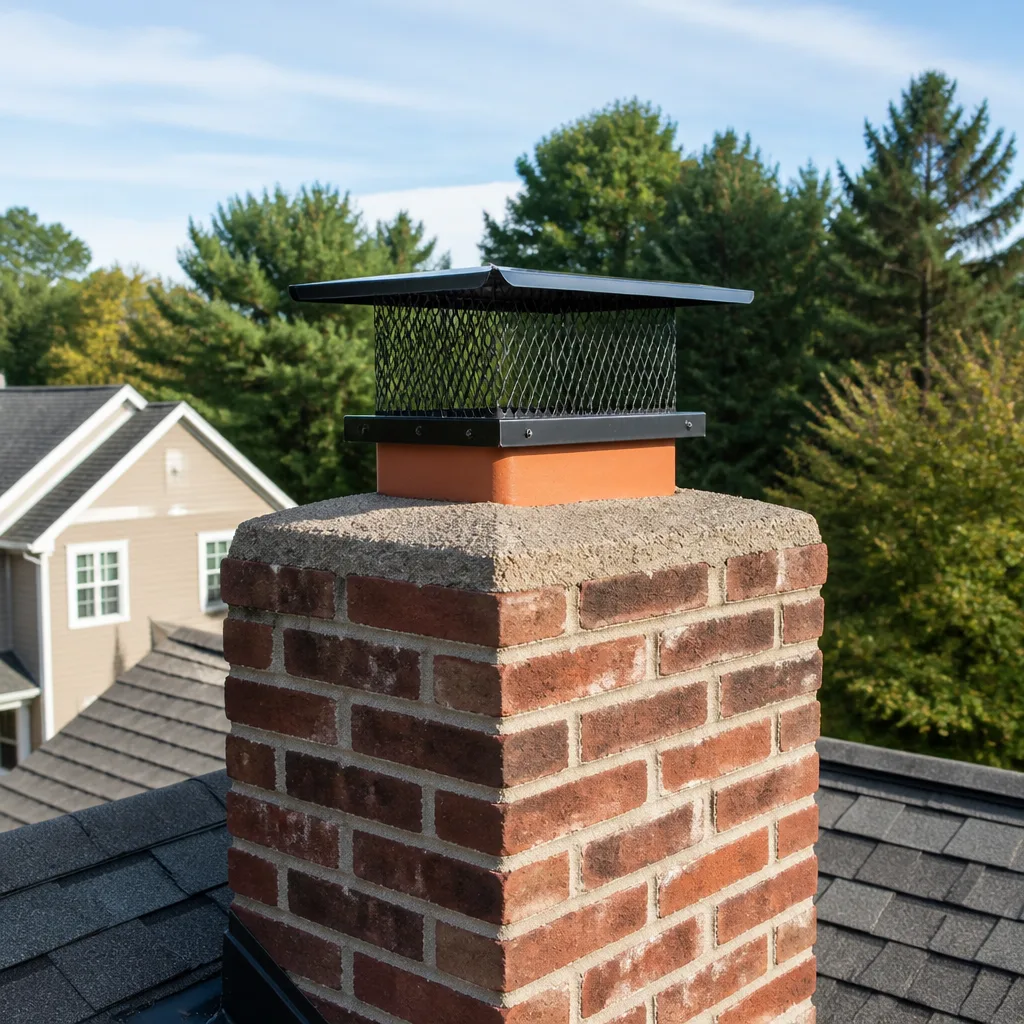 Sweep & inspection
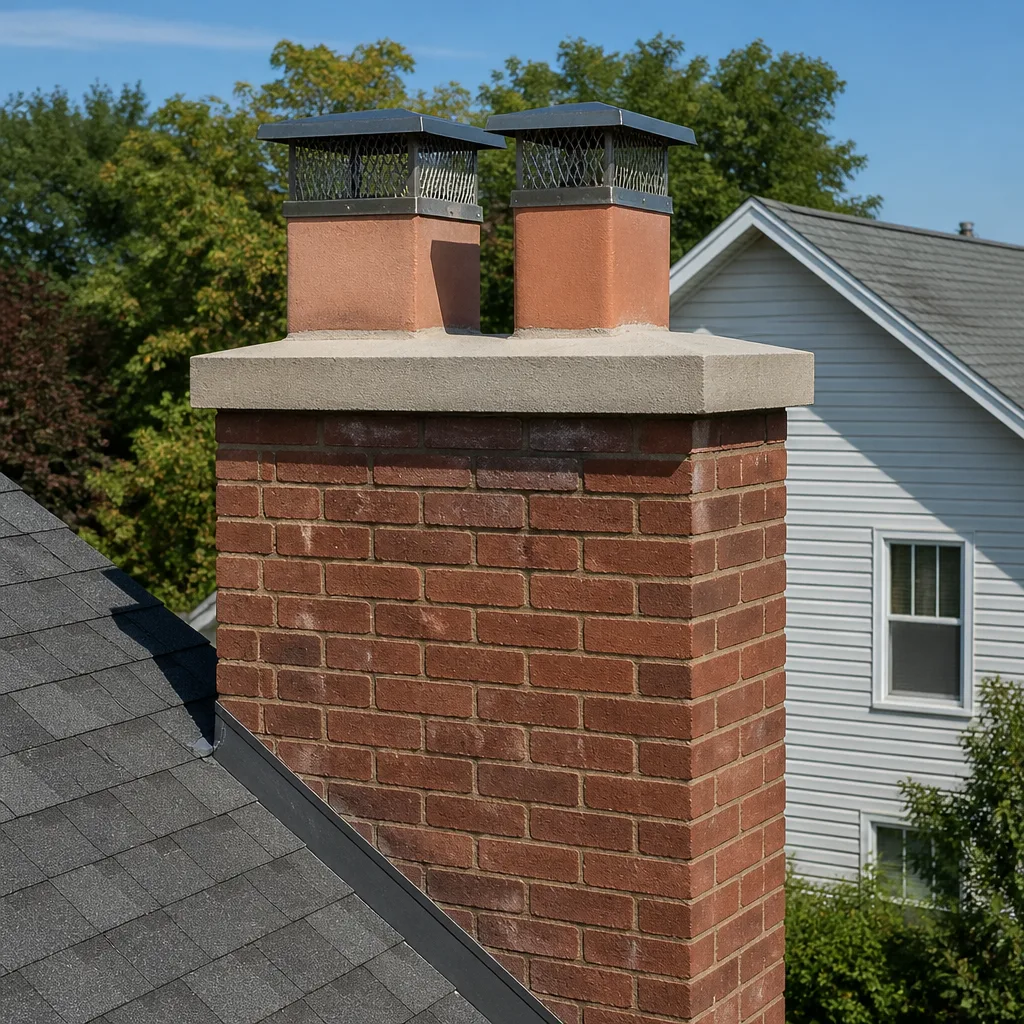 Caps & crowns
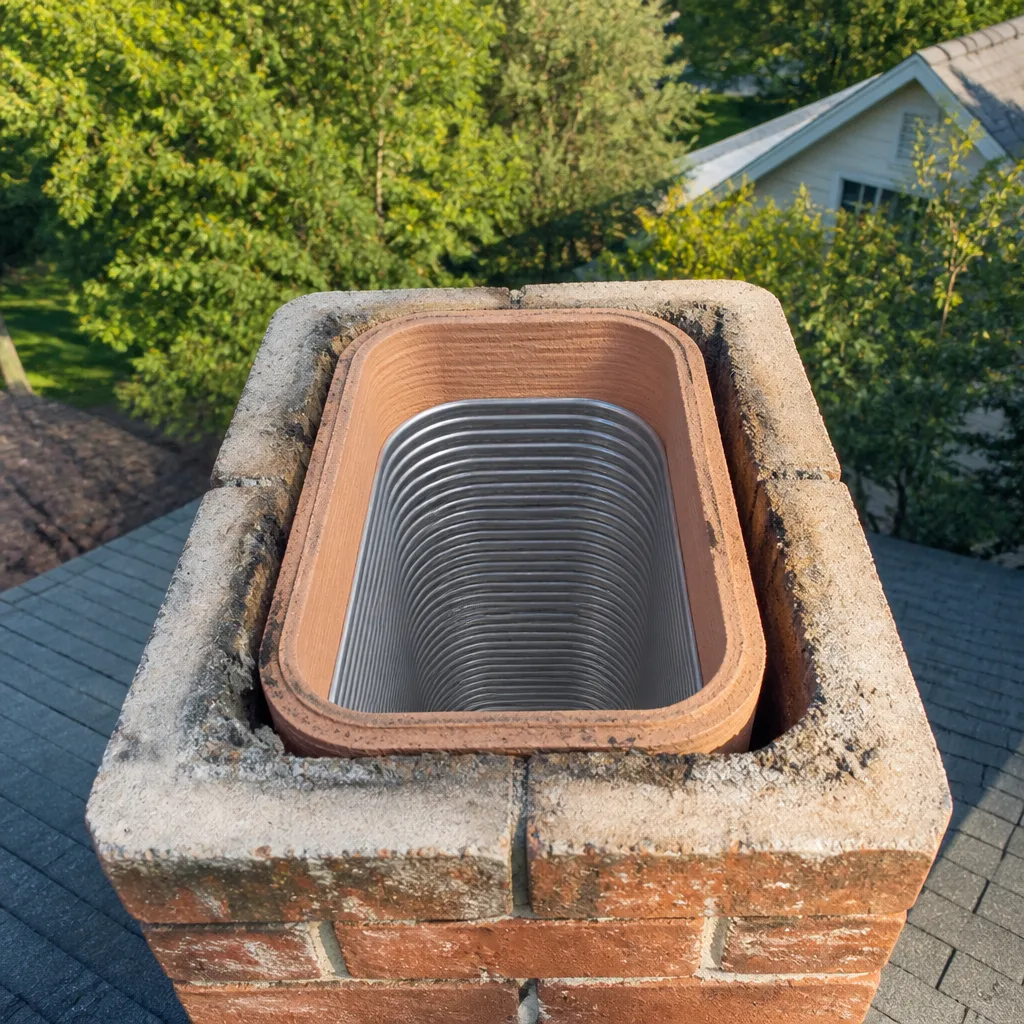 Flue relining
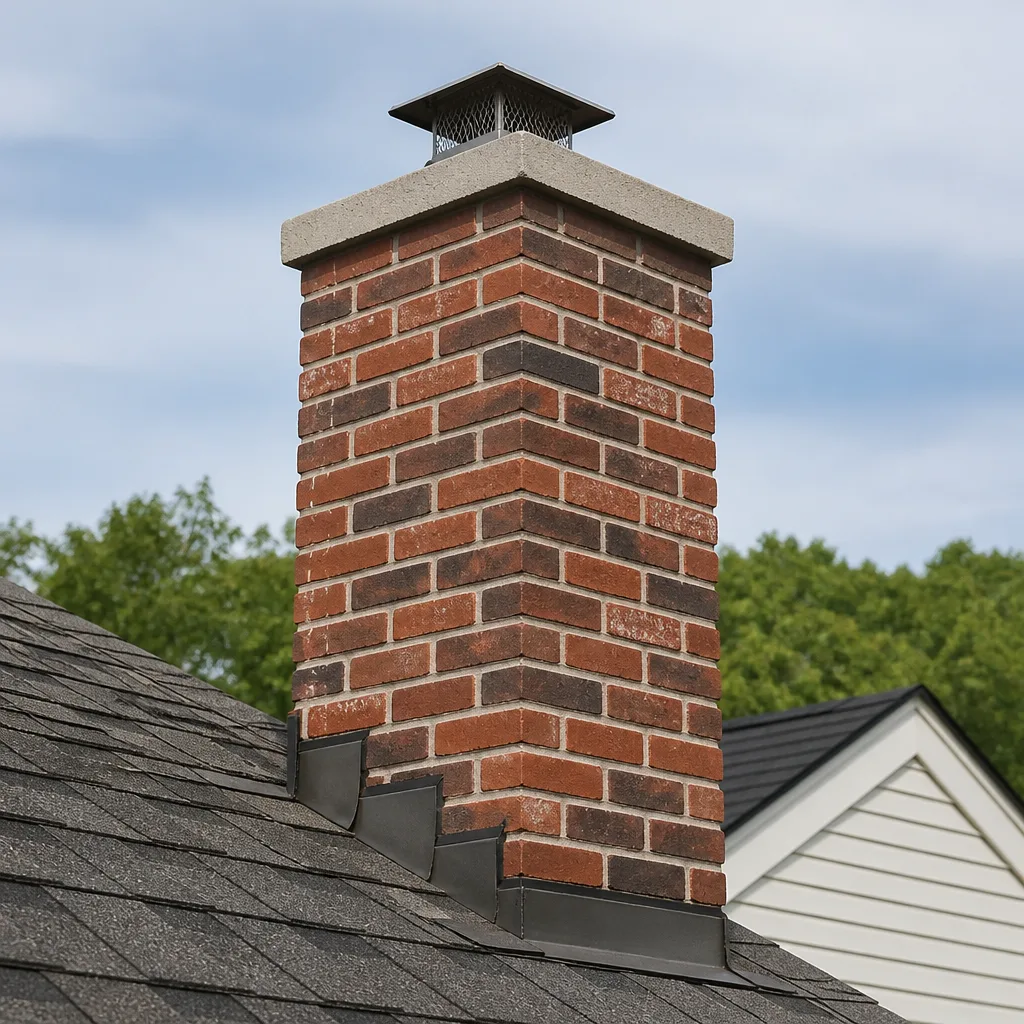 Masonry repair
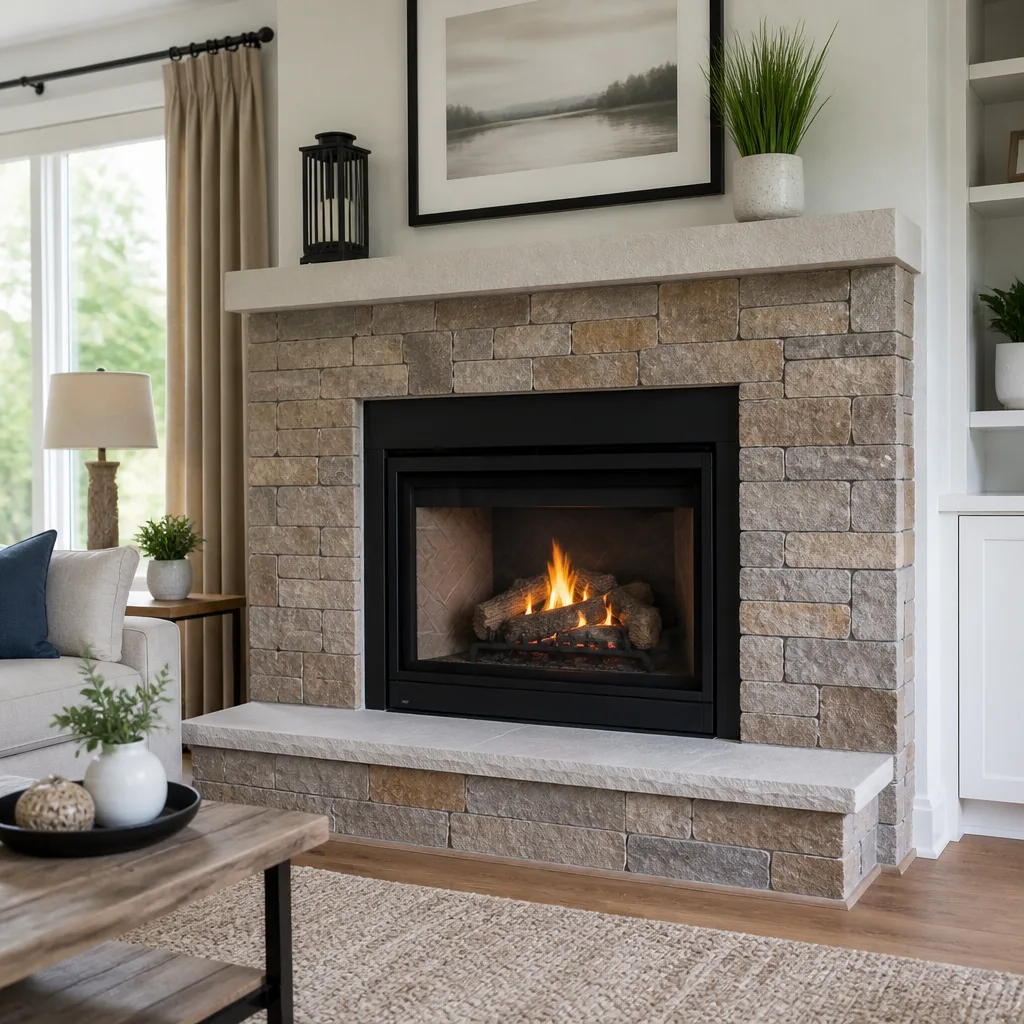 Gas fireplace service
Level 1 sweep and inspection to the NFPA 211 annual standard - flue, crown, cap, and flashing checked and photographed
Chimney sweep logs do not sweep chimneys. They loosen some creosote - which then falls where a brush and vacuum still have to collect it.
Chimney Cleaning Cost Breakdown: The Fort Collins Homeowner’s Reference for 2026
Most homeowners think of a chimney sweep as a brush going up a flue. The part that actually determines what you pay is what happens after the brush comes down: the inspection, the photos, the camera run, and the written findings. A cheap sweep that skips the level-two inspection can cost you far more downstream, and a high bid that pads the job with liner work you don’t need is just as bad. In Fort Collins, where wood heat is common and winter comes on fast, the difference between a $200 sweep and a $400 one is almost never the brushing. It’s what’s included. This guide breaks down what chimney cleaning actually costs here, what drives the number up or down, and how to read an estimate before you sign it.
Quick Answer
Chimney cleaning in Fort Collins typically runs $180 to $350 for a standard sweep, and $250 to $500 when a level-two inspection with camera is included. Repairs found during the sweep, like a cracked crown or a damaged flue tile, add $300 to $2,500 depending on scope, and a full stainless reline generally lands between $3,500 and $7,500. The written estimate sets the final price, and it should always come before any work begins.
Styles & brands we work with
- Sweep & inspection
- Caps & crowns
- Flue relining
- Masonry repair
- Gas fireplace service
Table of Contents
- What’s Actually Included in a Chimney Cleaning
- What Drives Chimney Cleaning Cost in Fort Collins
- Sweep vs. Inspection: The Levels and What They Cost
- Repairs Found During a Cleaning: Typical Costs
- How Fort Collins Climate and Housing Affect the Job
- How to Read a Chimney Estimate Line by Line
- How Often to Schedule a Cleaning in Fort Collins
- Common Mistakes to Avoid
What’s Actually Included in a Chimney Cleaning
A real chimney cleaning is more than a brush and a shop vac. On a typical Fort Collins job, we run a drop cloth and a HEPA vacuum at the firebox, brush the flue from the top or bottom depending on the setup, and then inspect what we can see. The scope of that inspection is what separates a $180 sweep from a $400 one, and it’s the first thing to ask about on any bid.
Here’s what should be in a standard cleaning:
- Drop cloths and HEPA vacuum at the firebox to contain dust inside the home
- Flue brushing with the correct size and stiffness of brush for your liner type
- Removal of creosote, soot, and any glaze from the flue walls
- A visual check of the firebox, damper, smoke chamber, and flue from the access points
- A look at the cap, crown, and flashing from the roof
- A written report of what was found, with photos where relevant
What is not included in a basic sweep is a level-two camera inspection. That’s a separate step and a separate line on the estimate. If a company quotes you a flat sweep price and doesn’t mention the inspection, ask directly whether a camera is part of the job. A sweep without an inspection tells you the flue is clean; it doesn’t tell you whether the flue is safe to use. That distinction matters more in older Fort Collins masonry chimneys than most homeowners realize.
We specify materials by name because what goes inside your chimney matters as much as the labor. When a cleaning turns into a repair, the difference between a quick patch and a proper fix usually comes down to the material and the method, not the brush.
What Drives Chimney Cleaning Cost in Fort Collins
Two houses on the same street in Fort Collins can get sweeps that differ by $150. The variables that move the price are consistent, and knowing them helps you read an estimate with a clear eye rather than guessing whether the number is fair.
Flue type. A factory-built metal flue is usually faster to brush than an older masonry flue with offset tiles. Angled or offset flues take more time and more care to brush without damaging the liner.
Creosote stage. Stage one creosote is soot and flakes and brushes out easily. Stage two is a crusty deposit that takes more work. Stage three is glazed, hardened creosote, which is a fire hazard and often needs chemical treatment before it can be removed safely. The stage of creosote in your flue is one of the biggest variables in what a sweep costs.
Access. A steep roof, a tall chase, or a cap that’s hard to reach adds time. Roof safety is part of the labor, and a job that requires more setup usually costs more.
Inspection level. A basic visual check is fast; a full level-two inspection with a camera run and photo report adds time and shows up as a separate line.
What’s found. A cleaning can uncover a cracked crown, a damaged flue tile, a failed damper, or a deteriorated firebox. Those findings are where the real budget decisions happen, and they should always come with photos and a clear recommendation before you commit to anything.
The takeaway: a fair estimate explains which of these factors apply to your chimney. A bid that’s just one number with no breakdown is the one to question.
Sweep vs. Inspection: The Levels and What They Cost
Sweeping and inspection are two different services, and the cost difference between them is one of the most misunderstood parts of chimney pricing. A sweep removes creosote. An inspection evaluates the condition of the entire system. You can have a clean flue that’s still unsafe, and you can have a safe flue that doesn’t need sweeping yet.
Here’s how the levels break down and what each typically adds to a Fort Collins estimate:
- Level one inspection. A visual check of accessible parts of the chimney and firebox, done with the basic tools at hand. Usually included in a standard sweep with no separate charge.
- Level two inspection. A camera run through the flue, plus inspection of accessible attic, crawl space, and roof areas. This is the standard for home sales, after a chimney fire, after a change in fuel type, or when a level-one check turns up something concerning. Typically adds $75 to $200 to a sweep.
- Level three inspection. Involves opening walls or removing parts of the chimney to access concealed areas. Rare, and only recommended when specific conditions warrant it. Costs vary widely and should always be quoted per job.
In Fort Collins, the level-two inspection is the one homeowners most often need and most often skip. If you’re buying a house, selling one, or documenting condition for an insurer, a standalone inspection is the right call, and it’s useful on its own even if the flue doesn’t need cleaning. One call covers the sweep, the inspection, and any repair the inspection turns up, so you’re not chasing down a second company to follow through.
Repairs Found During a Cleaning: Typical Costs
Most cleanings don’t turn into repairs. But when they do, knowing typical Fort Collins ranges keeps a surprise finding from feeling like a sales pitch. Here are the repair categories we see most often, with estimated ranges:
- Crown repair or rebuild: $400 to $1,200. The crown is the concrete cap at the top of a masonry chimney that sheds water away from the flue. A cracked crown lets water in, and water is the most common cause of masonry failure in this climate.
- Flue tile replacement: $600 to $2,000, depending on how many tiles are affected and how accessible they are.
- Damper replacement: $350 to $900. A stuck or missing damper wastes heat and lets conditioned air escape up the flue.
- Firebox resurfacing: $800 to $2,500. This is where method matters. We use HeatShield for firebox restoration, a specialized resurfacing system that rebuilds the firebox surface rather than covering it with a cosmetic patch. Most general contractors don’t carry it, and some chimney companies don’t either.
- Stainless liner installation: $3,500 to $7,500. A full reline using a flexible stainless system, like DuraFlex, restores a flue that’s cracked, unlined, or sized wrong for the appliance. This is a job that gets subcontracted by generalists who don’t carry the capability in-house.
Every one of these should come with camera evidence and photos you can look at yourself. If a company tells you the liner is failing and can’t show you why, that’s the moment to slow down and ask for the evidence before you approve anything. Sometimes a finding can safely wait a season; sometimes it can’t. A specialist should tell you which, plainly.
How Fort Collins Climate and Housing Affect the Job
Fort Collins sits at the edge of the Front Range, with cold winters, dry summers, and a freeze-thaw cycle that’s hard on masonry. That combination shapes what a chimney job looks like here in ways that a generic cost guide won’t tell you.
Freeze-thaw and the crown. Water gets into small cracks in the crown during the day and freezes at night. The expansion widens the crack, and the cycle repeats all winter. By spring, a hairline crack can become a real crown problem. This is why crown checks matter more here than in milder climates.
Wood heat is common. Many Fort Collins homes burn wood as a primary or backup heat source through the cold months. That means creosote builds up faster than it would in a house that lights a fire a few times a year, and it means the annual cleaning timing matters before the heating season, not after.
Older masonry chimneys. Fort Collins has a lot of older housing stock, and older masonry chimneys often have unlined or clay-tile-lined flues that don’t meet current standards. A level-two inspection is the only way to know what’s actually inside a flue in a house from the mid-twentieth century.
Altitude and draft. Chimneys at higher elevation can draft differently, and a flue that’s undersized or partially blocked will show it. A sweep and inspection together catch these issues early.
None of this changes the core pricing ranges above, but it does explain why Fort Collins homeowners shouldn’t treat a chimney as a set-and-forget item. If you’re scheduling a chimney sweep in this climate, timing it before the first cold snap is the practical move.
How to Read a Chimney Estimate Line by Line
A chimney estimate should be readable by someone with no chimney background. If it isn’t, that’s information. Here’s how to go through one so you know what you’re approving.
- Check what’s included in the base sweep. Look for drop cloths, HEPA containment, flue brushing, and a written findings report. If the inspection isn’t listed, ask whether it’s included or separate.
- Look for the inspection level. A level-two inspection should be named explicitly if it’s part of the job, with a camera run and photo report. If it’s bundled, ask what level it is.
- Match repairs to findings. Each repair line should connect to something the technician found and showed you. A list of recommended repairs with no corresponding photos is a red flag.
- Confirm the brand and method. For a reline, the liner product should be named. For firebox work, the resurfacing method should be named. We specify Gelco, DuraFlex, and HeatShield by name in our estimates because the material is part of what you’re paying for.
- Ask what can wait. A good estimate tells you what’s urgent and what isn’t. Not every finding needs to be fixed today, and a specialist should say so.
- Get the final number in writing. The estimate you sign is the price, and it should be set per job before any work begins.
One call covers the sweep, the inspection, and the repair, so you shouldn’t be handed off between companies mid-job. That single-source accountability is the main reason we keep the whole cycle in one trade.
How Often to Schedule a Cleaning in Fort Collins
For most wood-burning households, an annual sweep and inspection before the heating season is the standard. That’s the cadence that keeps creosote from building to a dangerous stage and catches small problems before they become expensive ones.
Some homes need more frequent attention:
- Homes that burn wood heavily through the winter, especially as primary heat
- Chimneys with a history of heavy creosote buildup
- Older masonry chimneys with clay tile liners that may have cracks
- Any chimney that hasn’t been cleaned in several seasons
- Homes where a chimney fire has occurred, even a small one
Gas inserts and gas appliances need less frequent sweeping but still need inspection. The flue on a gas appliance doesn’t build creosote the way wood does, but it can still have debris, animal nests, or blockages that affect venting. An annual inspection catches those.
Homeowners preparing to sell should schedule a standalone inspection regardless of cleaning timing. It gives buyers documentation and gives you a clear record of condition. And if you’ve never had the flue camera-inspected, that’s the first call to make, not the last.
Common Mistakes to Avoid
- Assuming a clean flue means a safe flue. A sweep clears creosote but doesn’t tell you if the liner is cracked or the crown is failing. Insist on a level-two inspection when it’s warranted, especially in older Fort Collins masonry chimneys.
- Hiring the lowest bid with no breakdown. A one-number bid tells you nothing about what’s included. Ask for the line items, the inspection level, and the materials by name.
- Skipping the crown check. The freeze-thaw cycle here turns hairline crown cracks into real problems. A sweep that doesn’t look at the crown from the roof has left the most common water entry point unchecked.
- Approving a liner replacement without seeing the evidence. Camera photos should accompany any recommendation for a reline. If you can’t see why the liner is failing, don’t approve the work yet.
- Treating a firebox patch as a repair. Cosmetic patching over a deteriorated firebox doesn’t restore it. Ask what method is being used, and whether it’s a resurfacing system like HeatShield or a surface patch.
- Waiting until after the first cold snap. The pre-season window in Fort Collins fills up. Booking a cleaning before the heating season starts is how you avoid finding out about a problem when you need the fireplace most.
- Letting a generalist handle chimney repair. A handyman with a brush can sweep, but repair calls for trade-specific tools, materials, and familiarity with liner systems. A chimney specialist, not a generalist with a brush, is the right call once anything turns up.
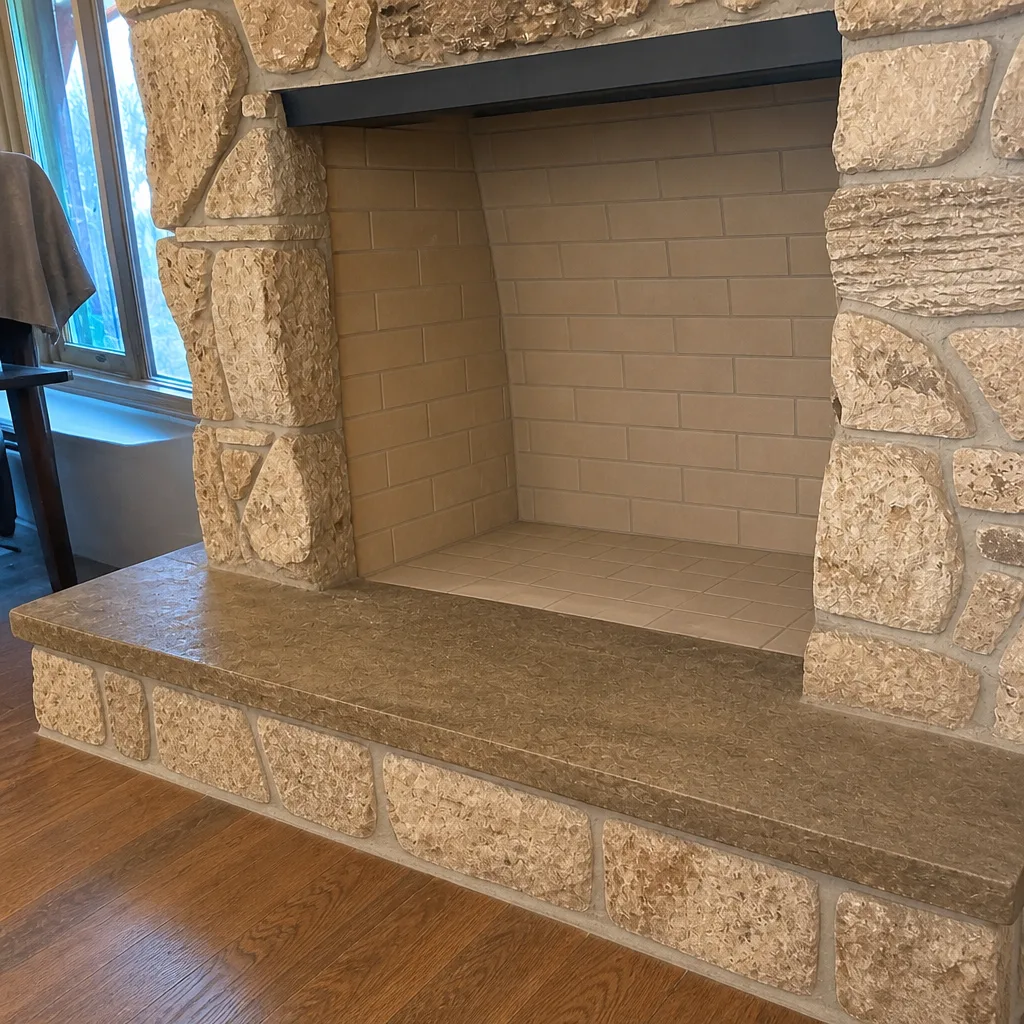
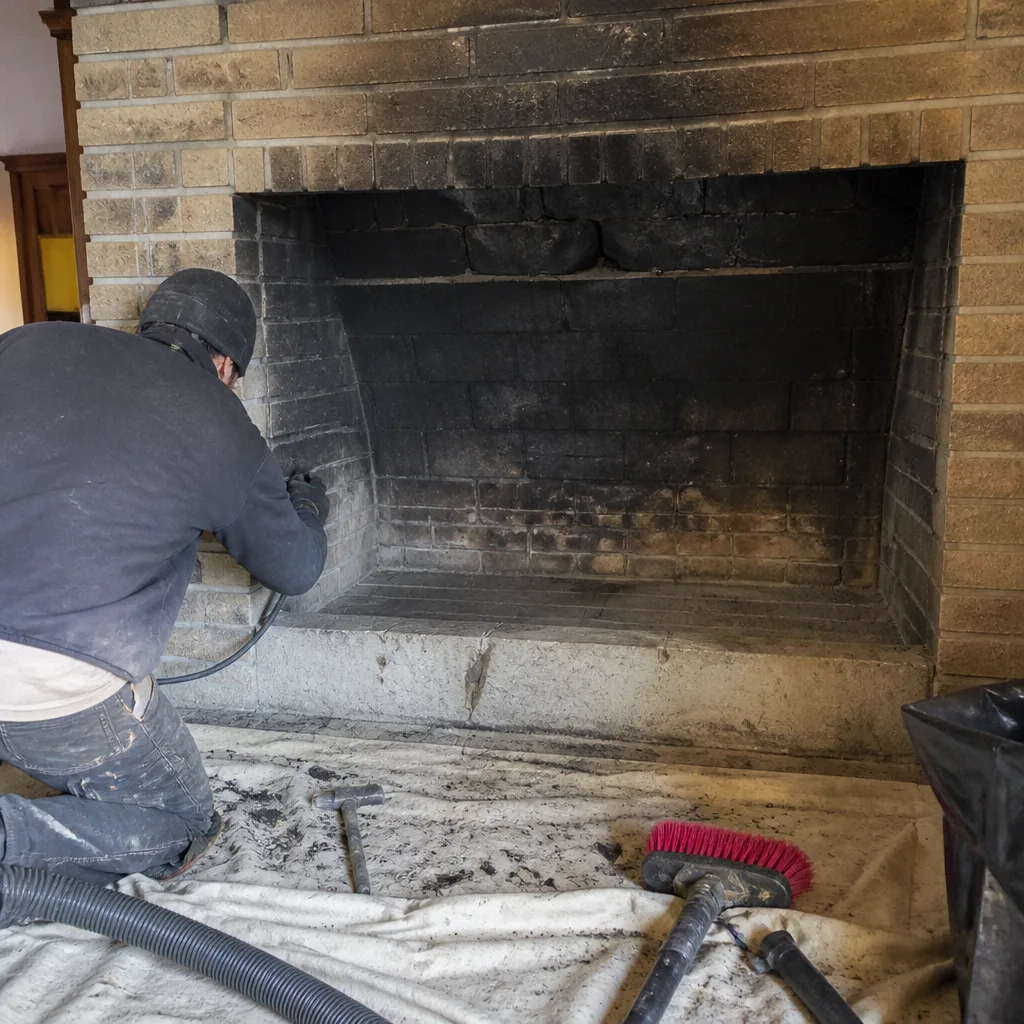
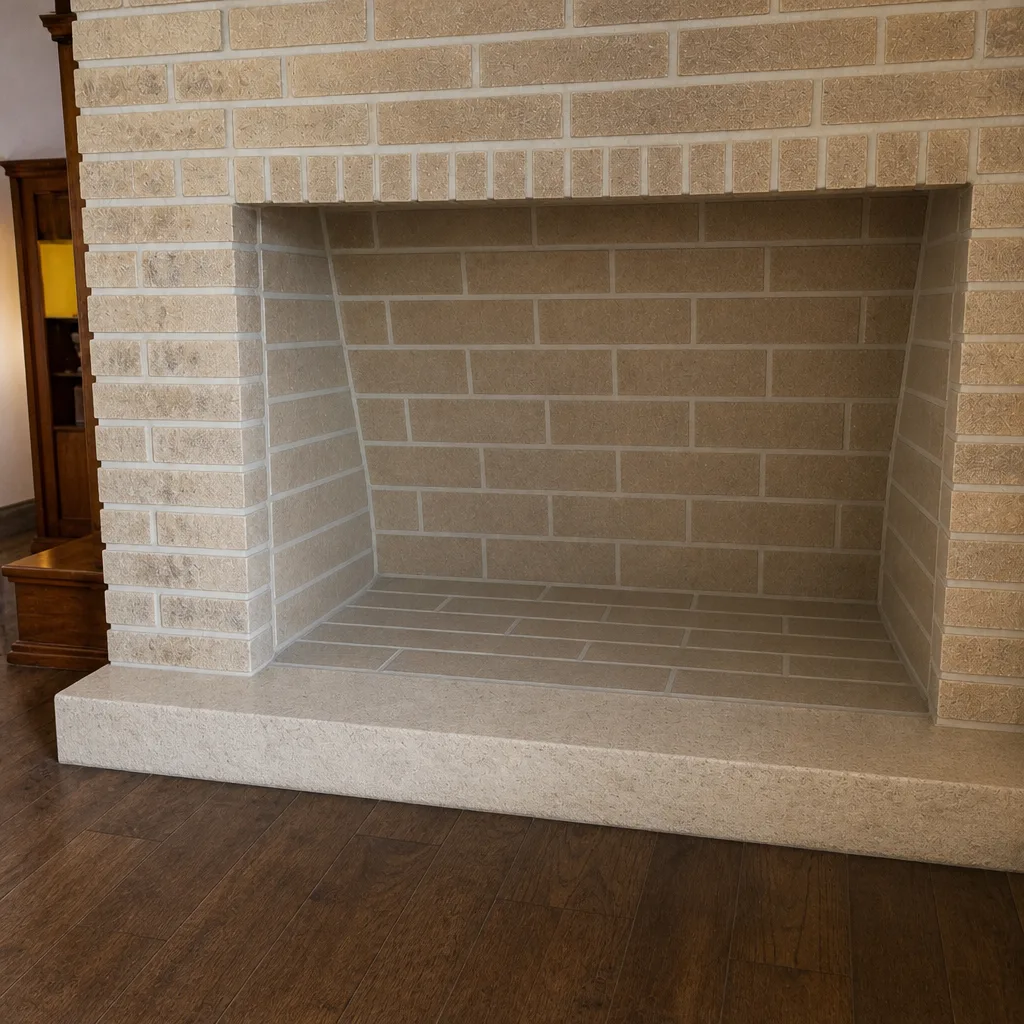
See the difference
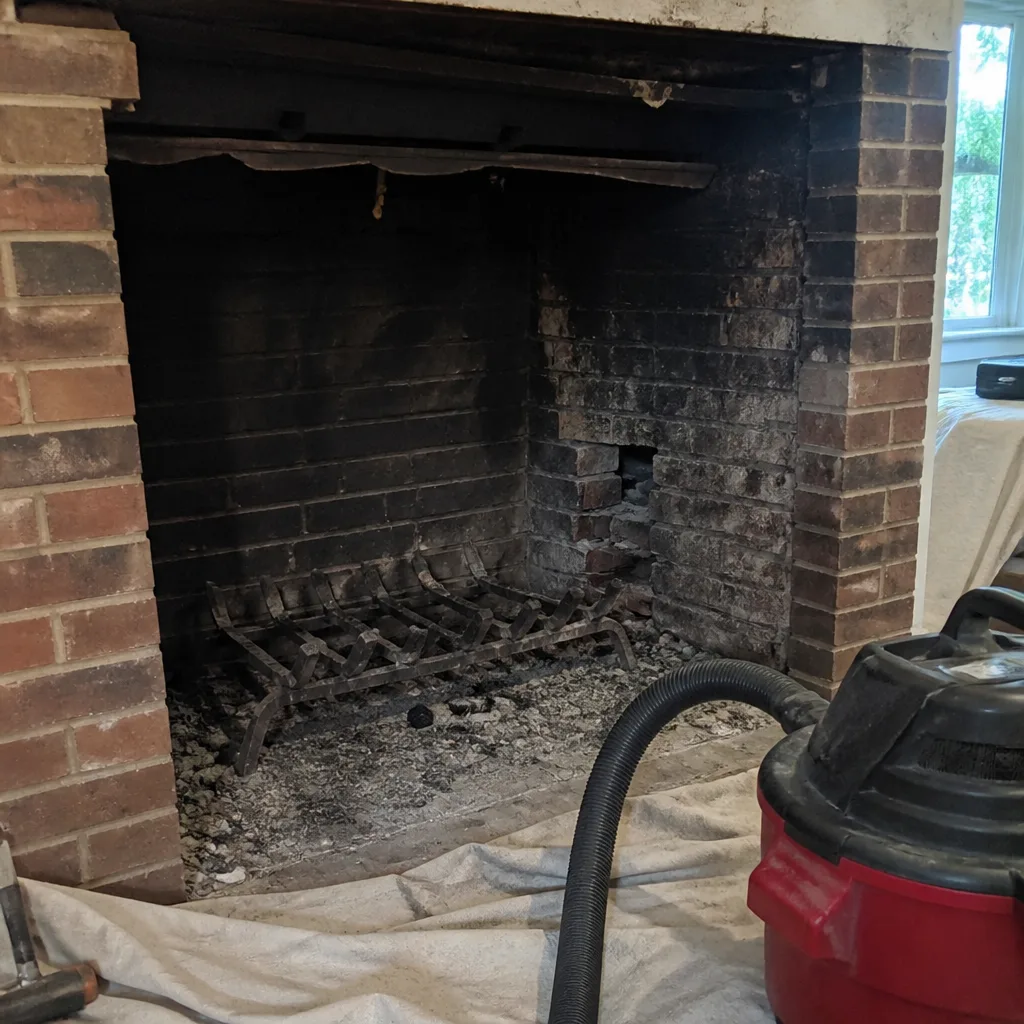 Before
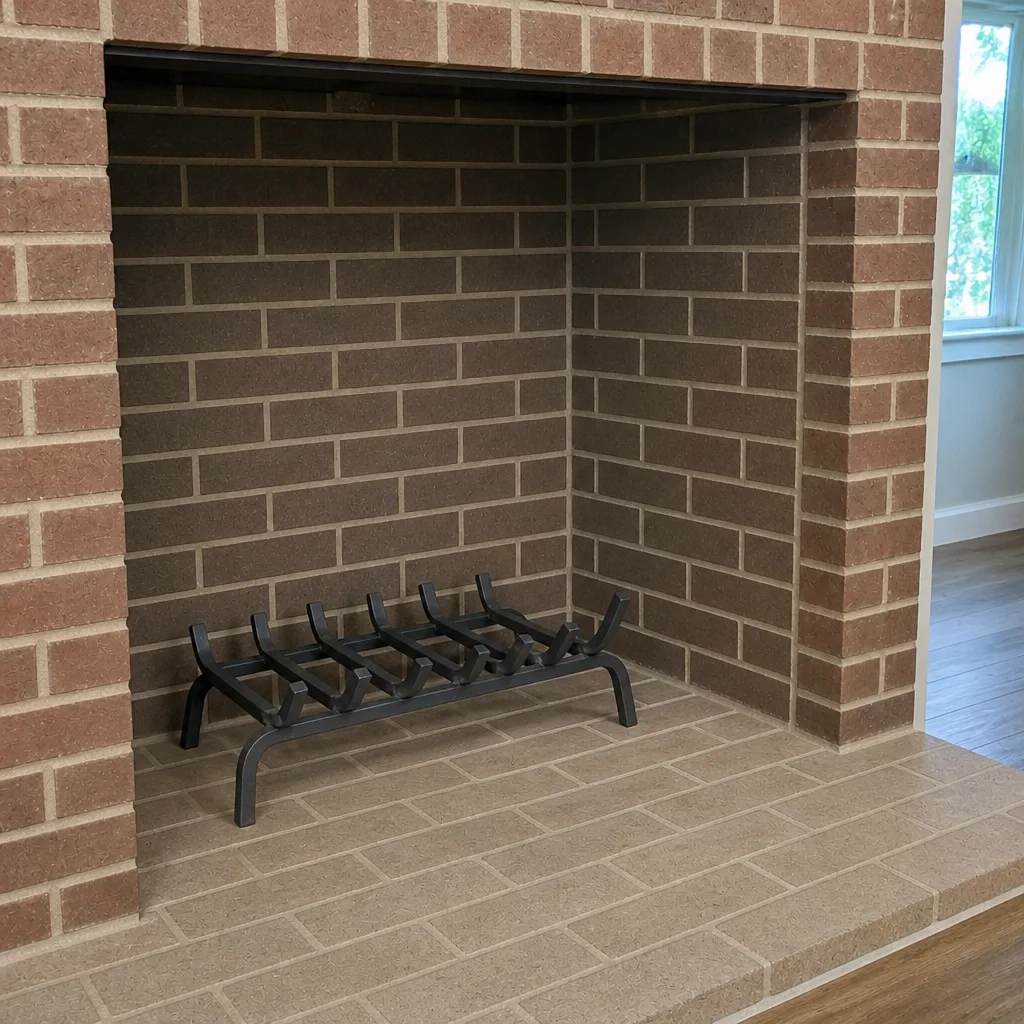 After
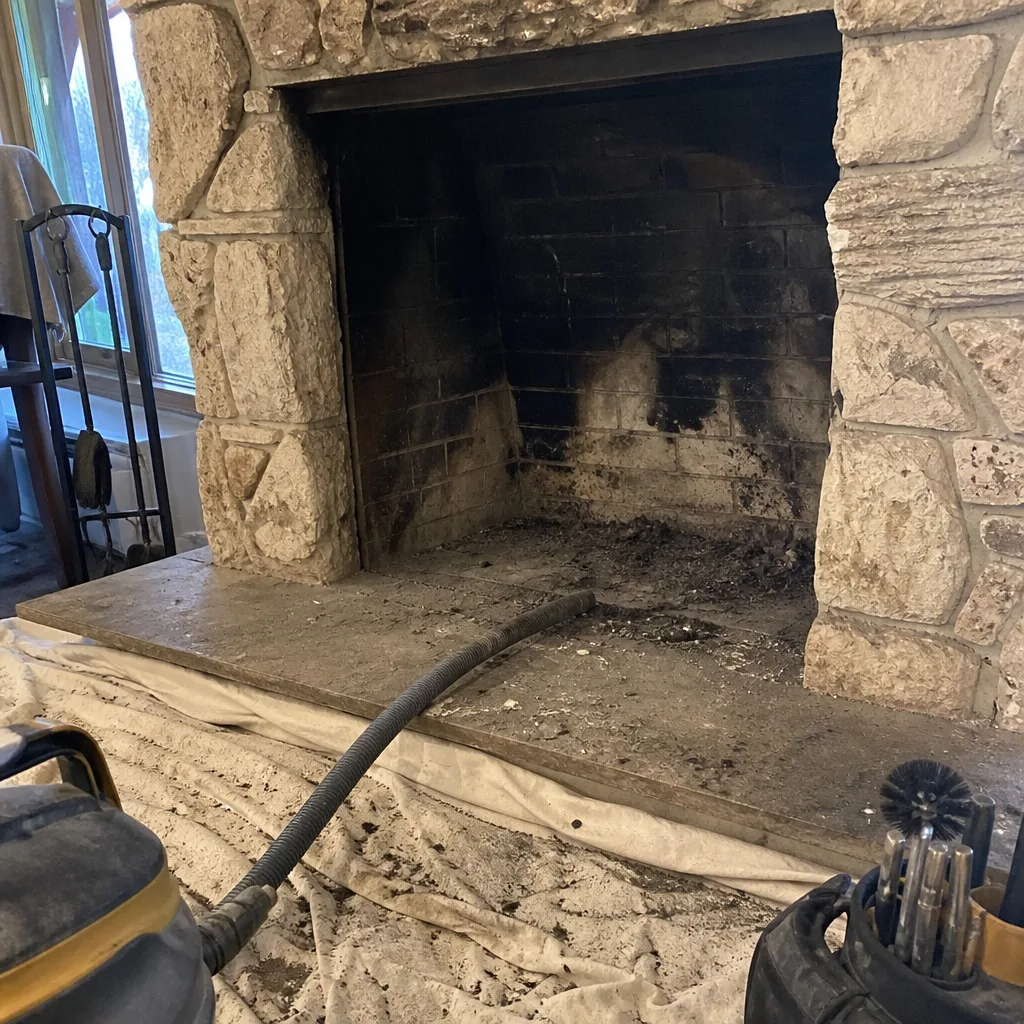 Before
 After
 Before
 After
When to Call a Professional
Some chimney issues are safe to monitor and some aren’t, and the line between them isn’t always obvious. Call a professional if you smell a strong creosote odor that doesn’t clear, if smoke rolls back into the room when you light a fire, if you see cracked or missing mortar in the firebox, if there’s visible water staining on the chimney exterior, or if your chimney hasn’t been inspected since before you bought the house. Also call if a previous sweep found an issue that was never followed up. And if you’re buying or selling a home in Fort Collins, a standalone inspection gives you documentation that’s useful regardless of cleaning.
Chimney Sweep Fort Collins offers free estimates in Fort Collins. We’ll tell you exactly what we found and exactly what it costs to fix it, before any work begins. One call covers the sweep, the inspection, and the repair, and can work with your insurer when documentation is needed. Call (833) 740-1407. We answer 24/7. Fast dispatch from 7am to 7pm, Sunday through Friday.
Frequently Asked Questions
A standard chimney sweep in Fort Collins typically costs $180 to $350, and $250 to $500 when a level-two inspection with a camera run is included. The written estimate sets the final price, and it should be given before any work begins. Call (833) 740-1407 for an exact quote, estimates are free.
Only if the camera inspection shows the liner is cracked, missing, or sized wrong for the appliance. A liner recommendation without camera evidence isn’t enough to act on. Ask to see the footage and photos, and ask plainly whether the work can safely wait. If it can, a specialist will tell you. Call (833) 740-1407 to book an inspection with camera documentation.
Once a year for most wood-burning homes, ideally before the heating season. Homes that burn wood heavily through the winter, or that have a history of heavy creosote, may need more frequent attention. Gas appliances need inspection rather than sweeping. Call (833) 740-1407 to schedule before the season fills up.
Creosote builds up in stages, and glazed creosote is a fire hazard. A blocked or damaged flue can also allow combustion gases, including carbon monoxide, to vent into the home instead of up the chimney. Skipping a cleaning doesn’t guarantee a problem, but it removes the check that would catch one. Call (833) 740-1407 for a sweep and inspection.
A level-one visual check is usually included in a sweep at no separate charge. A level-two inspection with a camera run and photo report typically adds $75 to $200. If you need a standalone inspection for a home sale or insurance documentation, that’s quoted on its own. Call (833) 740-1407 for an exact quote, estimates are free.
Routine brushing is within reach of a careful homeowner, but the inspection is where the risk lies. Creosote stages, cracked flue tiles, and crown damage aren’t visible from the firebox, and roof and ladder work on a steep pitch is where injuries happen. A professional sweep and inspection gives you a documented result you can trust. Call (833) 740-1407 to book one in Fort Collins.
The Bottom Line
A chimney cleaning in Fort Collins runs $180 to $350 for a standard sweep, and $250 to $500 when a level-two inspection with camera is included. Repairs found during the job range from a few hundred dollars for a damper or crown to several thousand for a full reline, and the written estimate sets the final price. The most important line on any estimate isn’t the sweep. It’s whether the inspection and the camera evidence are part of the job. Get that right, and the rest of the numbers make sense. Get it wrong, and you’re paying for a clean flue without knowing whether it’s safe.
Written by the team at Chimney Sweep Fort Collins.
If you’re ready to book a cleaning or get an estimate, chimney repair and inspection both start with a call. Reach us at (833) 740-1407. We answer 24/7. Fast dispatch from 7am to 7pm, Sunday through Friday. Visit Chimney Sweep Fort Collins or our Fort Collins page for more on how we handle the full service cycle.